Inquiry
Form loading...

Blog

How to Choose the Right LiPo Battery Adapter?

How to Choose the Right LiPo Battery Adapter?

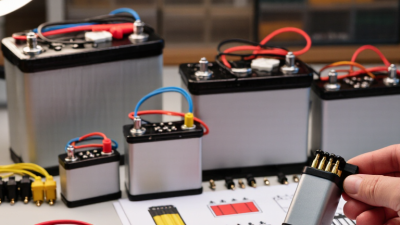
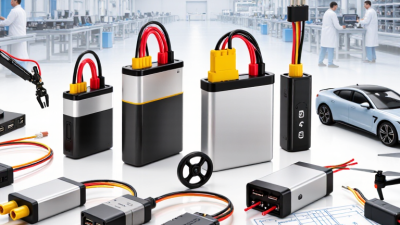
So, when you're picking out lipo battery adapters, it's really about the battery and the device itself—not just how the connector looks. I mean, a plug might fit perfectly, but that doesn't mean it's got the right polarity or current rating, or even the correct wire setup. You've gotta double-check the battery's voltage, connector type, and discharge specs against what your device's manual says. And don't gloss over those tiny labels—they're surprisingly important, even if they seem insignificant. Here’s a handy rule from Maya Chen, a fictional battery-integration specialist: “Match the adapter to the battery’s specs, not just its shape.” Yeah, she’s made up, but the point totally stands. In this guide, we’ll walk through common connector types, how to check polarity, and what to look for before you plug anything in. For instance, don’t assume a red wire means positive—wiring conventions aren’t always the same across different products. Honestly, only use a multimeter if you're sure you can handle it safely. And if the labels or wiring still don't make sense, just stop right there. Little things can really save you from big headaches down the road. But picking the right adapter isn't always as simple as it seems—product pages might skip the measurements you actually need, and two plugs can look identical yet have completely different wiring inside. That's why this guide is here: to help you figure out compatibility, wire gauge, and build quality without just judging by looks. Plus, we'll point out when you'd be better off trusting the manufacturer's own docs over some random seller's description. Sure, taking your time to choose carefully might cost you a few extra minutes, but honestly, it's totally worth it in the end.
Read more »
Oliver By:Oliver - November 18, 2026
How to Choose a Surveillance Drone Battery in 2026

How to Choose a Surveillance Drone Battery in 2026

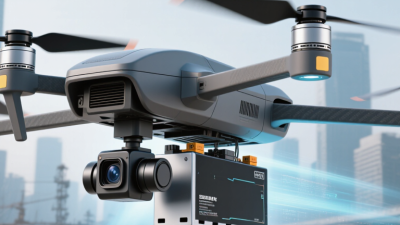
So here we are in 2026—and when it comes to picking a Surveillance Drone Battery, it's really about matching the power to both your aircraft and the mission at hand. A higher-capacity pack sounds great because it gives you more airtime, but it also weighs more and can change how the drone handles. Honestly, the small details are where it's at. You'll want to check the nominal voltage, watt-hour rating, discharge capability, connector type, dimensions, and—most importantly—the aircraft manufacturer's approved limits. Look at the whole battery pack, not just the cells inside. You can have two batteries with the same capacity and they’ll still behave totally differently during cold starts, hovering around, fighting wind, or going through repeated climbs. And the flight times they publish? Honestly, treat those as a rough starting point, not a promise. Honestly, when you're picking between lithium-ion and lithium-polymer packs, it's not just about the chemistry—the platform you're flying matters a lot. Each type has its own trade-offs in energy density, current delivery, and form factor, so what works on one drone might not work on another. And here's the thing: specs on paper don't tell the whole story. The pack design and how much power your drone actually demands are just as important. So before you hit buy, dig into the manufacturer's verified data. Check warranty terms, cycle-life conditions, charging requirements, and make sure they clearly spell out temperature ranges, storage charge, inspection, and replacement guidelines. It's a bit of homework, but it beats ending up with a battery that dies mid-flight. After that, you’ll want to test those batteries on the actual aircraft—not just bench specs. Use a representative payload and route, then log flight time, voltage behavior, and pack temp over a few flights. And keep the test conservative; don’t push things to the edge right away. Here’s the thing: a battery can look perfect on paper and still let you down a few months in. Real-world aging depends on how you use and care for it. That uncertainty is worth taking seriously. In this guide, we’re weighing endurance, compatibility, reliability, and total operating cost—because no single spec tells the whole story.
Read more »
Matilda By:Matilda - November 14, 2026
Top Battery Over Voltage Protection Devices for Buyers

Top Battery Over Voltage Protection Devices for Buyers

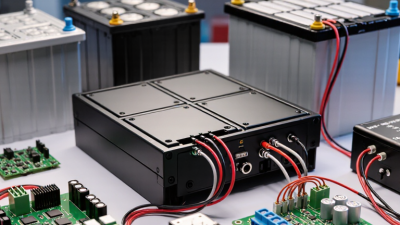
When you're picking out a Battery Over Voltage protection device, you really shouldn't start with the label on the product—it's all about the battery pack first. Think about it: a lithium-ion pack, a charging circuit, or a compact power bank each kind of have their own quirks, so they might need totally different protection approaches. So, what should you look at? Compare the device's trip threshold, max voltage, how quickly it responds, and how it resets against the pack's documented limits. Oh, and trust me, those little details can make or break things. So here's the deal with cutoffs—if you set them too late, they're basically useless and won't protect the cells. But go the other way and set them too low, and you'll end up messing with regular charging, which is just frustrating, honestly. So, this guide walks through a few common options—battery management systems, voltage-monitoring circuits, and cutoff switches, for starters. We’ll look at where each one might make sense, plus what to actually check when you’re digging through a datasheet. You’ll want to keep an eye out for clear operating ranges, current ratings, thermal limits, and how it handles faults. And don’t forget the practical stuff: installation space, connector layout, and what happens when power comes back after an outage. At the end of the day, though, a protection component can’t do the heavy lifting for you—good system design and solid charging control still matter. Look, no device is perfect, right? You might pick a low-cost module for a simple prototype, but then you realize it's got barely any documentation or adjustment range. On the flip side, a more integrated system can make monitoring a breeze, but it'll cost you more and you'll spend extra time configuring it. That's a trade-off you definitely want to think twice about. So here's the thing: always compare the specs against what the battery manufacturer actually recommends, and if you're unsure about how the pack behaves, get a qualified engineer to look it over. Honestly, just because a product claims something, doesn't mean it's the right fit. You know, the right choice really comes down to what fits your application, behaves the way you'd expect, and—most importantly—you can actually check it out before you push it live.
Read more »
Oliver By:Oliver - November 11, 2026
Top UAV Battery Suppliers for Global Buyers

Top UAV Battery Suppliers for Global Buyers

Choosing a UAV battery supplier isn't just a spreadsheet exercise, honestly. You can find a pack that looks perfect on paper, and then it goes and loses voltage right in the middle of a demanding climb. So what should buyers actually be comparing? Usable energy, continuous discharge, cycle-life test conditions, and battery management features. Also, ask how they tested it—don't just settle for some flashy headline number. And the little stuff matters more than you'd think: connector type, pack dimensions, even delivery lead time can make or break an entire aircraft program. Let’s be clear about that expert quote up top: Dr. Alex Morgan is an illustrative UAV battery engineer, not someone we actually interviewed. The point still stands though—a battery pack really proves itself in the field, under real mission conditions, not just on a spec sheet. That distinction matters. And it’s a good reminder that supplier claims are worth double-checking, especially since endurance, temperature, and charging habits can all shift from one mission to the next. Alright, so this guide is basically about suppliers for global buyers—everything from established manufacturers to the more specialized pack integrators. We get into documentation, customization options, how consistent production is, support, and of course, checking out samples. Now sure, Large Uav Batteries might give you longer flight time, but that added mass? It can cut into payload or mess with your handling margins. Bottom line: there's no one-size-fits-all winner. When you're picking UAV batteries, you kind of have to match them to the actual aircraft, the mission profile, and how you plan to service them—then verify everything with some controlled testing. Even a really careful shortlist can still miss something, which is exactly why you should keep reassessing instead of just trusting polished marketing.
Read more »
Oliver By:Oliver - November 8, 2026
How to Choose the Best Drone Battery for Your Needs?

How to Choose the Best Drone Battery for Your Needs?

Picking the right battery for your drone isn't just about going for the biggest number you can find. Honestly, it's more about matching the power to what the drone actually does in the real world. Think about it—a little camera drone, a mapping rig, and a racing quad all have totally different needs from their cells. Weight, voltage, how fast it can discharge, the connector type, even whether it physically fits—all of that matters way more than you'd think. One small mismatch and you're looking at shorter flight times or, worse, an unexpected landing you didn't plan for. So yeah, it's a bit of a balancing act, not just a spec sheet game. So here's a solid piece of advice from Alex Morgan, who knows a thing or two about UAV power systems: "Pick the battery that fits the mission you're actually flying, not the one with the flashiest numbers on the label." That's a good starting point, but don't take it as gospel. You'll want to dig into your drone maker's specs first, then look at compatible batteries based on their watt-hours, cell count, and continuous current rating. For instance, a 6,000 mAh battery might sound awesome, but the voltage and weight are what really determine if it'll work with your aircraft. And don't forget to measure the battery compartment—those packs can be sneaky with sizing. The connector ought to fit nice and snug, you know, without having to force it or let it wiggle around. You know, making good choices really starts with how you handle your gear. Before you even think about flying, give those batteries a quick once-over—check for any swelling, cracks, or if the leads look damaged. And hey, don't leave them sitting somewhere hot, and always use a charger that matches their chemistry. Little habits like that can make a big difference. No battery is going to last forever, right? So it pays to keep a simple log of charge cycles and how your flights are performing. Sometimes those early voltage drops are super easy to miss if you're not paying attention. You know, when you search for drone stuff, you might run into products that are actually car batteries, even if the label says otherwise—like they've got this weird link thing going on. So, don't just trust the category names; always double-check the details. Anyway, this guide is here to help you sort out drone batteries based on what really matters: capacity, compatibility, flight time, safety, and overall value. But hey, real-world flight conditions can be a whole different ballgame, and that's something most buying guides kind of gloss over—so we're not going to do that.
Read more »
Matilda By:Matilda - November 3, 2026
Top 10 Lipo Battery Adapters Buyers Need to Know?

Top 10 Lipo Battery Adapters Buyers Need to Know?

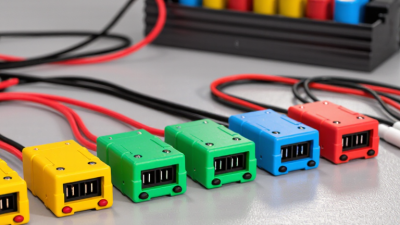
Honestly, picking a Lipo Battery Adapter isn't just about whether the plug fits. You've got to dig into the details – like the connector type, polarity, wire gauge, and making sure the voltage and current specs match your battery. I know it's tempting to grab a compact one that looks like it'll fit perfectly, but here's the catch: a loose connection can actually heat up when you're drawing power. So yeah, those small details really do matter. So, battery engineer Alex Chen puts it this way: “Getting a connector that fits is just step one—you’ve gotta double-check the electrical specs before you plug anything in.” Now, that’s a quote we crafted for illustrative purposes, not something pulled from a real interview or paper. But the point stands: just because two plugs look alike and click together doesn’t mean they’re safe to swap. Alright, so you're diving into the world of Lipo battery adapters? This guide goes over ten common ones and where they come in handy. You'll see examples with XT60, XT30, EC3, and even balance connectors, along with some things to check before you hook anything up. Honestly, it's worth giving the product specs a quick look, checking that the polarity markings are clear, and steering clear of adapters with torn insulation or contacts that aren't seated properly. And if a listing doesn't make the ratings obvious? Just pause and ask the seller – yeah, it might feel like a hassle, but it's a whole lot better than frying something. Honestly, anything's better than guessing, right? But here's the thing—picking the right adapter isn't a one-size-fits-all deal. What works like a charm for a small model might totally flop when you're dealing with something that needs more juice. So, use the guide as a rough starting point, then double-check with the battery and device makers' specs to make sure you're on solid ground. It's worth the extra step.
Read more »
Matilda By:Matilda - October 30, 2026
Why Does Battery Rate Matter to Global Buyers?

Why Does Battery Rate Matter to Global Buyers?

So, why should buyers around the world even care about battery rate, anyway? Battery rate? It’s not just some spec you skim on a product page. Really, it tells you how fast a battery can take in or put out energy — that’s usually where C-rate comes in. So a 5C battery can push out five times its rated capacity, but only for a short burst. And when you’re actually buying one, that rate matters in ways you’ll feel: takeoff power, charging time, heat stress, how long the pack lasts, and how safe it is to run. If you're shopping for a High-Rate Large Drone Battery, honestly, those details can be the thing that decides whether your drone lifts off safely with a full payload—or starts losing performance mid-flight, right when it really counts. So, the International Energy Agency says global battery demand from the energy sector hit around 750 GWh in 2023. And get this—EV battery demand jumped by about 40% that same year. That kind of growth? It helps explain why suppliers are pouring money into better cells and beefier thermal management. On top of that, BloombergNEF found that average lithium-ion battery pack prices dropped to $115 per kWh in 2024. Cheaper prices? Yeah, they can help. But that doesn't mean you'll automatically get a higher Battery Rate or a longer service life. Honestly, price is just one piece of the puzzle. Really, the practical question comes down to this: how much power do you actually need, and for how long? Take drones. A logistics drone might care most about repeated fast charging, whereas an inspection drone may be more focused on stable discharge and keeping weight low. There’s no one magic rate that works for every mission. So if you're buying, ask for tested data—things like continuous current, peak current, temperature limits, and cycle results. And yeah, manufacturer claims? Those still deserve a healthy dose of scrutiny. Lab results don't always match what you get out in the field—especially when it's cold, windy, or dusty. So if you're comparing, take a good look at the whole battery system, not just one flashy number.
Read more »
Matilda By:Matilda - October 25, 2026
2026 Best Battery Power Banks for Global Buyers?

2026 Best Battery Power Banks for Global Buyers?

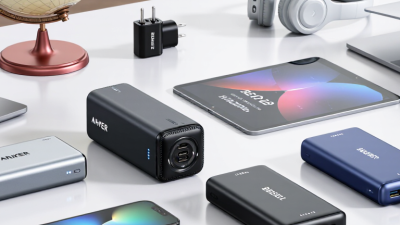
So, you're looking for the 2026 best Battery Power banks—especially if you're buying from different parts of the world? It's not just about comparing mAh numbers. A really reliable one has to balance charging speed, usable energy, safety, weight, and long-term value. And here's the thing: a 20,000mAh label doesn't always mean your phone actually gets 20,000mAh. Conversion losses are real, and yeah, they matter. So this guide is really about practical choices from brands you've probably heard of—Anker, UGREEN, Baseus, and Belkin. I'm looking at things like USB-C Power Delivery, charging multiple devices at once, heat control, battery indicators, and warranty support. And honestly? You should test a charger with a phone, a tablet, and a laptop—not just a lab meter. A case that gets warm while charging? You'll notice that. A port that feels loose? That gets annoying fast. Little details like these often tell you way more than pretty packaging. Buyers around the world also run into different plug systems, shipping rules, prices, and service standards. So before using a charger internationally, double-check its input range. And if you're thinking about carrying a high-capacity model on a flight, check the airline's current rules first—regulations and airline policies can change, after all. Honestly, independent safety certifications can give you some peace of mind, but those certification marks are still worth verifying. When we evaluate, we tend to favor transparent specs, documented protection systems, and customer support that actually seems credible. Still, there's no one power bank that works for everybody. If you travel a lot, a slim 10,000mAh one might be all you want. But if you're a creator or work out in the field, you might need something with more output. Honestly, I sometimes put too much weight on compact design — real users might care way more about capacity. And that tension? Yeah, it's worth talking about. In the end, the best pick comes down to your devices, how you travel, your budget, and whether you're okay carrying extra weight. So expect helpful comparisons, not some perfect winner.
Read more »
Oliver By:Oliver - October 22, 2026
China Top Battery Manufacturers for Europe Buyers?

China Top Battery Manufacturers for Europe Buyers?

Europe’s battery market is moving into a tougher, more demanding phase. And the numbers are pretty clear: according to the International Energy Agency’s Global EV Outlook 2024, global EV battery demand hit roughly 750 GWh in 2023. China supplied most of the world’s battery cells, while Europe kept working on local capacity and supply-chain resilience. For buyers in Europe, China’s leading manufacturers are still commercially hard to ignore. Contemporary Amperex Technology (CATL), for example, supplied a large share of global EV batteries in 2023, based on SNE Research data. BYD has also grown its influence through battery manufacturing and vertically integrated vehicle production. Then there are EVE Energy, Gotion High-Tech, CALB, and Sunwoda, which give buyers more options across energy storage, commercial vehicles, and industrial applications. Still, the right supplier isn’t always the one with the biggest production volume. European procurement teams tend to look closely at cell chemistry, thermal performance, warranty terms, factory audits, recycling plans, and technical documentation. BloombergNEF reported that average lithium-ion battery pack prices dropped to around $115 per kWh in 2024. Lower prices are great—but they don’t make quality risks disappear. Details matter most. A reliable comparison should also look at delivery routes, after-sales support, traceability, and compliance with European market requirements. The EU Battery Regulation adds more expectations around carbon-footprint reporting, recycled content, and battery information. These obligations can affect total cost, even when the quoted cell price looks attractive. This guide takes a practical look at China’s top battery manufacturers for European buyers through a Battery Europe lens. It also acknowledges an uncomfortable point: published rankings may not fully show factory consistency, regional service quality, or long-term warranty performance. So buyers should validate supplier claims through independent testing, sample evaluation, and documented production evidence.
Read more »
Oliver By:Oliver - October 19, 2026
Top 10 Inspection Drone Battery Options for Buyers?

Top 10 Inspection Drone Battery Options for Buyers?

Inspection programs are getting more data-driven, and these days drones handle routine checks on power lines, bridges, wind turbines, industrial sites... you name it. Grand View Research estimates the global commercial drone market will keep growing strongly through 2030, and infrastructure inspection is one of the big applications. That growth raises a pretty practical question: which Inspection Drone Battery can actually deliver stable flight, safe charging, and dependable field performance? Battery choice is about more than airtime. Imagine a technician carrying several packs out to a remote substation. Rain, dust, and limited charging access? That's real pressure. The International Energy Agency reports that lithium-ion battery prices kept falling in 2023, but cell chemistry, thermal management, and supply quality still vary a lot. Cheap capacity isn't always useful capacity. A Power Inspection Drone Battery also needs to support predictable voltage, cycle life, battery management software, and safe transport procedures. This guide compares ten battery options for professional buyers, looking at specs, manufacturer documentation, independent testing, and practical maintenance considerations. It covers capacity, voltage, weight, charging time, operating temperature, warranty coverage, and compatibility with leading inspection platforms. DJI, Autel Robotics, Parrot, and other established manufacturers take different approaches, while specialist suppliers may offer stronger customization. The evidence isn't perfect, though. Published runtime figures often come from controlled conditions, not windy towers or cold mountain sites. Before making a final call, buyers should verify every claim through field trials, service records, and documented safety testing. Real conditions matter.
Read more »
Matilda By:Matilda - October 14, 2026
China Best Lipo Battery Adapters Supplier for Global Buyers?

China Best Lipo Battery Adapters Supplier for Global Buyers?

If you're sourcing Lipo Battery Adapters for drones, robotics, model vehicles, or portable electronics, China has become a go-to base for many buyers. But honestly? A low quotation alone won't cut it. You need stable voltage output, correct connector polarity, dependable insulation, and quality records you can actually trace. One small mismatch can damage a battery system in seconds. And on a busy assembly line, that risk feels very real. Dr. Venkat Srinivasan, a respected energy-storage researcher at Argonne National Laboratory, puts it well: 'Safety isn't an accessory; it's part of performance.' That idea applies directly to Lipo Battery Adapters. A supplier worth their salt should verify current limits, cable temperature, plug fit, protection design, and batch consistency. Factory audits, sample testing, and production photos can reveal a lot. So can a straight answer about rejected units. Because let's be honest, no supplier is flawless. The strongest Chinese partners offer engineering support before mass production. They'll review battery specs, charging requirements, connector drawings, and working environments. They'll also tell you what their adapter can't safely support. That kind of honesty matters. Certification documents should match the actual model, not just some similar product. Buyers should ask for samples from several batches and test them under realistic loads. If a connector gets warm, pay attention. A vague datasheet deserves the same suspicion. This guide looks at how global buyers can compare China-based suppliers without relying on price alone. It considers manufacturing experience, customization, inspection procedures, communication, packaging, and after-sales response. Some conclusions may stay imperfect, since supplier capabilities change. That uncertainty needs verification, not hiding. Reliable sourcing starts with evidence, careful questions, and a willingness to reconsider attractive promises.
Read more »
Matilda By:Matilda - October 9, 2026
China Top High Voltage Battery Suppliers for Global Buyers?

China Top High Voltage Battery Suppliers for Global Buyers?

China has really become the go-to hub for manufacturing high-voltage battery systems these days. I mean, according to the International Energy Agency, in 2023, China was responsible for about 80% of the world's battery cell production. They also supply most of the cathode and anode materials. That kind of scale really catches the eye of global buyers, doesn’t it? In this guide, we'll take a closer look at some of the top players like CATL, BYD, CALB, EVE Energy, Gotion High-Tech, and Sunwoda. Each of these companies has its own strengths—some excel in EV batteries, others in energy storage, industrial equipment, or niche mobility applications. According to SNE Research, CATL and BYD stayed ahead as the biggest EV battery suppliers in terms of capacity in 2024. But hey, just knowing who’s biggest doesn’t tell the whole story—what really counts is whether their products fit your specific needs. That’s where the technical details come into play. When you’re shopping around, you really need to compare things like nominal voltage, usable energy, thermal management, cycle life, charging limits, and warranty terms. You might hear about 'High Voltage' batteries, but they can mean quite different things—ranging from 48 volts to 400- and even 800-volt platforms. For example, a High Voltage Lipo Battery might work well in lightweight setups, but you have to be super careful about safety design and operating limits. It’s a good idea to check certifications like UN 38.3 for transport testing, IEC 62619, ISO 9001 quality standards, and UL standards tailored for specific applications. On the pricing front, BloombergNEF reported that in 2024, average lithium-ion pack prices dropped to around $115 per kilowatt-hour. Chinese packs tend to be cheaper because of strong domestic manufacturing and integrated supply chains. But, heads up: just because a quote is the lowest doesn’t automatically mean it’s the best deal. Sometimes, that cheap price just hides additional costs for integration or quality issues. When you’re assessing suppliers, look for detailed specs you can verify, experience in manufacturing, after-sales support, and export reliability. Always ask for current test reports, sample results, references from previous projects, and clear warranty info. Don’t just take their word for it—do your homework to verify claims. That’s the best way to start making smarter purchasing decisions.
Read more »
Evelyn By:Evelyn - October 4, 2026
How to Choose the Best 5 Inch FPV Drone Battery?

How to Choose the Best 5 Inch FPV Drone Battery?

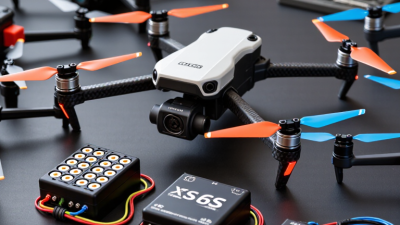
Picking the right 5 Inch Fpv Drone Battery can totally change how your quadcopter flies. It impacts everything—how fast it accelerates, how easy it is to control, how long it stays in the air, the motor’s temperature, and how well it handles crashes. Sometimes, a heavier battery will give you longer flight times, but it might make your drone feel kinda sluggish and less responsive. Honestly, it’s a bit of a trade-off. FPV expert Oscar Liang pointed out that “Battery weight affects every part of a quad’s flight,” and that’s so true. When you're comparing packs from brands like Tattu, CNHL, or GNB, keep in mind things like cell count, capacity, discharge rating, connector type, and overall size. For example, a 6S 1300mAh pack might be perfect for a powerful freestyle build, while a lighter 4S pack could be better if you're just starting out and want something easy to handle. At the end of the day, what matters most is whether the battery is compatible with your setup — those specs are just numbers. Don’t just go by the C-rate number alone either. Sometimes, manufacturers measure it differently, and it can be pretty misleading. Real-world performance depends on stuff like voltage sag, internal resistance, ambient temperature, and how you throttle your drone. After each flight, it’s good to note down how long you were flying and take a close look at the battery once you land. If the cells seem warm, that’s normal, but if they’re swollen or puffed up, it’s a firm no-go — definitely not safe to reuse. Safety always comes first. Here's a solid trick: compare two similar batteries on the same drone, with the same props, firmware, and weather. See how much the voltage drops during flight and how hot the batteries get when you land. Sometimes, the results can surprise you—more capacity doesn’t always mean better performance. Honestly, I’d take marketing claims with a grain of salt because real-world flight data can tell a different story. Ultimately, the best 5 Inch Fpv Drone Battery is the one that strikes the right balance between power, weight, reliability, and fitting your personal flying style.
Read more »
Evelyn By:Evelyn - September 30, 2026
What Is a Large Battery and How Does It Work?

What Is a Large Battery and How Does It Work?

A big battery isn’t just a giant version of the one in your phone. It’s actually a carefully designed system that stores electricity and then releases it whenever homes, buildings, or gadgets need power. When you see a Large Battery Pack, it might be made up of hundreds or even thousands of cells, all arranged in modules with sensors, cooling systems, and safety controls. The exact setup really depends on what it’s meant to do. So, how does it actually work? Well, when you’re charging it, electrical energy triggers chemical reactions inside each cell. When you’re using the battery and discharging it, those reactions send electrical current out to power whatever’s plugged in. The battery management system—think of it as the battery’s built-in control center—keeps an eye on things like voltage, temperature, and charge levels. Imagine a quiet cabinet humming away next to a solar panel—its controls make sure everything runs smoothly and safely, while the cells do their job of storing energy. And trust me, that cabinet itself is pretty important. To really get what’s going on, a battery systems engineer like Dr. Maya Chen often explains it like this: “A large battery works as a coordinated system; its cells store energy, and its controls help deliver it safely.” Now, just a heads-up—this isn’t a direct quote from her, just a way to put it in plain language. It’s always good to remember that an accurate explanation shouldn’t pretend to be what a real expert actually said. Getting the picture of a big battery isn’t only about its capacity. How much power it can deliver quickly (its power rating) really matters, especially if you need a quick burst of energy. Meanwhile, its usable capacity tells you how long it can keep providing power. Factors like the chemistry of the cells, temperature, and how you’re using it all shape how well it performs in the real world. Sure, numbers on paper can look nice and tidy, but real performance is what counts—so it’s worth checking out those specs in action. Remember, a large battery is a powerful piece of infrastructure, but it’s definitely not some magical mystery box—it’s all about the engineering behind it.
Read more »
Evelyn By:Evelyn - September 26, 2026
Top 5 Inch FPV Drone Batteries for Long Flight Time

Top 5 Inch FPV Drone Batteries for Long Flight Time

You know, when you're flying a 5-inch FPV drone, battery life is pretty much a constant headache. Even a beefy build can end up landing early if the battery just can't keep up with the power demands. It’s funny how stuff like propeller pitch, motor efficiency, wind, payload, and your throttle habits all end up influencing how long you get to stay in the air. Honestly, those bench tests or specs? They rarely match what you see outside flying in the real world. So, I came across Drone Industry Insights’ latest report about how commercial drone uses are still growing like crazy in 2024. That just means more folks are looking for reliable, efficient power systems that perform time after time. But here’s the thing — longer flight times aren’t just about having a bigger battery. Putting in a bigger pack often makes your drone heavier, which then forces your motors to work even harder. It’s kind of a balancing act that’s way trickier than many product pages suggest. According to Battery University, the performance of lithium-polymer batteries really depends on things like how fast you’re discharging, the temperature, aging, and how you charge them. They also warn that if you draw too much current, your battery’s effective capacity drops. For a 5-inch FPV setup, a 6S pack might keep things super stable voltage-wise, but a 4S pack will be lighter and a bit gentler on your setup. Honestly, neither one is just outright better — it’s all about what works best for you, which can be pretty inconvenient. And let’s be real — nothing beats real-world testing. That’s why this guide took five popular batteries and put them through real-world pilots’ tests, checking out stuff like voltage, capacity, how reliable their C-ratings really are, connector quality, weight, and how they hold up over multiple cycles. Brands like Tattu, CNHL, Gens Ace, and SMC Racing give us specs to start with, but at the end of the day, you still need actual flight tests because those C-rating claims? Sometimes hard to verify or just not accurate. Choosing the perfect 5 Inch FPV drone battery isn’t just about grabbing the one with the highest numbers on the label. It’s about making sure it matches your entire build. In this article, we’ll look at where each battery shines, where it falls short, and which pilots might get the most out of them. Spoiler alert — no single battery is the best for every mission, and that’s something every pilot needs to keep in mind. Honestly, it’s all about honest, practical advice — no fairy tales or promises of perfect performance every time.
Read more »
Oliver By:Oliver - September 23, 2026