

Standard Battery Voltage: Essential Insights for Informed Decisions
When it comes to finding the right power solution, I understand how crucial the standard battery voltage is for your applications. At Shenzhen Jentc Technology Co., Ltd., we offer a wide range of batteries that meet various voltage standards to ensure compatibility with your devices. Whether you need batteries for industrial use, consumer electronics, or renewable energy storage, we have got you covered, Our products are designed with durability and efficiency in mind, giving you reliable performance that you can trust. The team behind our technology is dedicated to providing high-quality solutions tailored to your needs. Plus, with our competitive pricing and responsive customer service, you can count on a seamless purchasing experience. Reach out to us today to find out more about how our Battery Solutions can support your business goals!

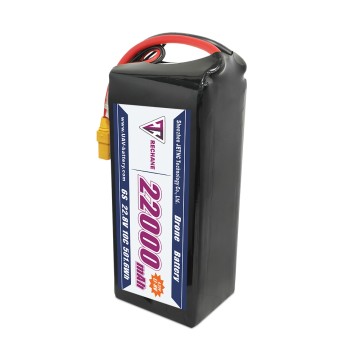
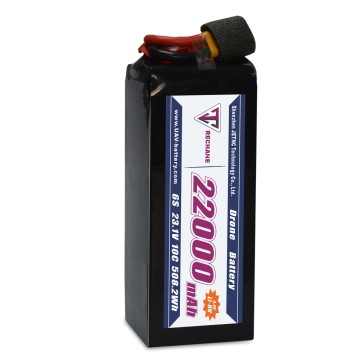


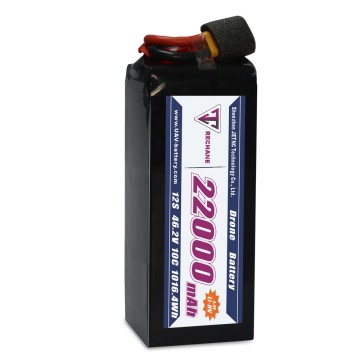
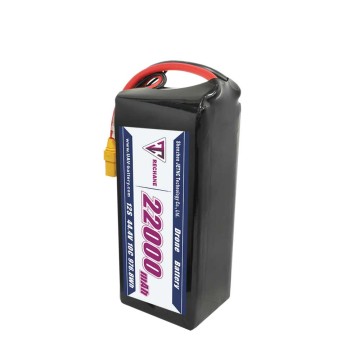
Best Methods To Standard Battery Voltage Dominates Factory-Direct Excellence
In today’s rapidly evolving technology landscape, the demand for reliable power solutions has never been greater, particularly in industries that rely on specialized lithium batteries. Understanding the optimal standard battery voltage is crucial for achieving factory-direct excellence in performance and efficiency. This blog delves into the best methods for ensuring that your battery voltage standards meet the highest industry benchmarks, enhancing overall product effectiveness. When choosing lithium batteries, particularly high-voltage options such as 4.4V variants, it’s essential to consider the specific applications and requirements. Fast-charge lithium batteries offer a significant advantage in scenarios where uptime is critical, allowing for quicker recharging without compromising performance. Implementing rigorous testing and quality assurance protocols ensures that each battery not only meets voltage standards but also supports longevity and reliability in various operational settings. Moreover, adopting a factory-direct approach streamlines the supply chain, enabling businesses to obtain high-performance batteries at competitive prices without sacrificing quality. By fostering direct relationships with lithium battery manufacturers, global purchasers can gain insights into the latest advancements and innovations, ensuring that their power solutions remain at the forefront of technology. In a market where efficiency and reliability are paramount, mastering the art of standard battery voltage is key to maintaining a competitive edge and driving operational success.
Best Methods To Standard Battery Voltage Dominates Factory-Direct Excellence
| Method | Description | Advantages | Disadvantages |
|---|---|---|---|
| Li-ion Batteries | Lithium-ion batteries are rechargeable and widely used in electronic devices. | High energy density, low self-discharge, and no memory effect. | Higher cost compared to other types, potential thermal runaway. |
| NiMH Batteries | Nickel metal hydride batteries are commonly used as a replacement for NiCd batteries. | Better capacity than NiCd, environmentally friendly. | Higher self-discharge rate, less energy density than Li-ion. |
| Lead-Acid Batteries | Traditional rechargeable batteries used primarily in vehicles and backup power systems. | Cost-effective, reliable, and good for high-current applications. | Heavy weight, shorter cycle life, and lower energy density. |
| Solid-State Batteries | Next-generation batteries that use solid electrolytes instead of liquids. | Higher safety, improved energy density, and longer cycle life. | Still in development, higher manufacturing costs expected. |
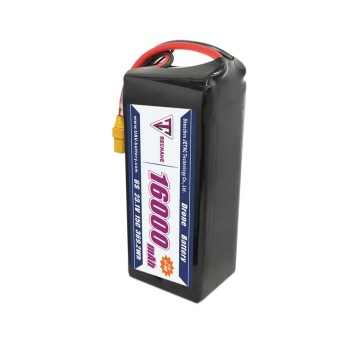
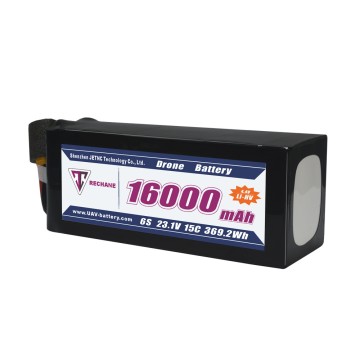
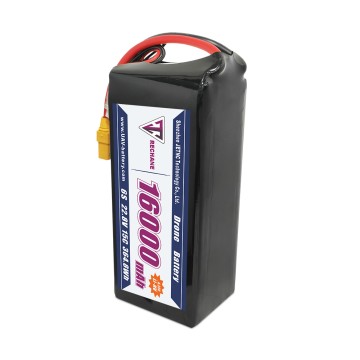

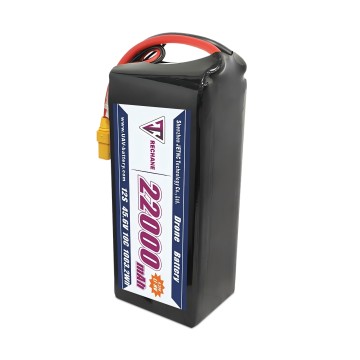
Best Way To Choose Standard Battery Voltage Outperforms the Competition Custom Solutions,




M
Mr. William Robinson
Top-notch quality! The after-service was prompt and professional. I felt valued as a customer throughout the process.
25 May 2025
D
Dr. Nancy Gonzalez
Quality is top-tier! Their customer service representatives possess great knowledge and professionalism.
01 July 2025
M
Ms. Lisa Mitchell
Product quality is exceptional! The after-service team’s professionalism made a significant difference.
21 June 2025
D
Dr. Karen Rivera
I appreciate the exceptional quality of this product. The after-sales representatives were highly professional.
15 June 2025
M
Mr. George Parker
Incredible quality! The customer support provided post-purchase was top-notch and professional.
07 May 2025
M
Ms. Angela Wright
Traditionally high-quality goods! The professional attitude of the support team was outstanding.
21 May 2025