Inquiry
Form loading...
0%

You know, in today’s world where technology is changing faster than we can keep up, our need for top-notch energy solutions is skyrocketing.That’s where the Battery Pack really shines! Founded back in 2011, Shenzhen Jentc Technology Co., Ltd. has become a key player in delivering some pretty amazing lithium battery solutions for all sorts of uses. Their lineup includes everything from powerful 4.4V high-voltage batteries to super-fast charging lithium batteries, and even specialized AGV lithium batteries.Jentc Technology is all about tapping into the full potential of these Battery Packs. If you’re looking to get the most out of these essential components, understanding their specs and what they can really do is super important for boosting their efficiency and lifespan. So, in this blog, we’ll take a closer look at Battery Pack technology and explore some handy tips on how to make the most of their power! Unlocking the Power of the Best Battery Pack Understanding Its Specifications and Maximizing Performance
Understanding Different Types of Battery Packs and Their Applications

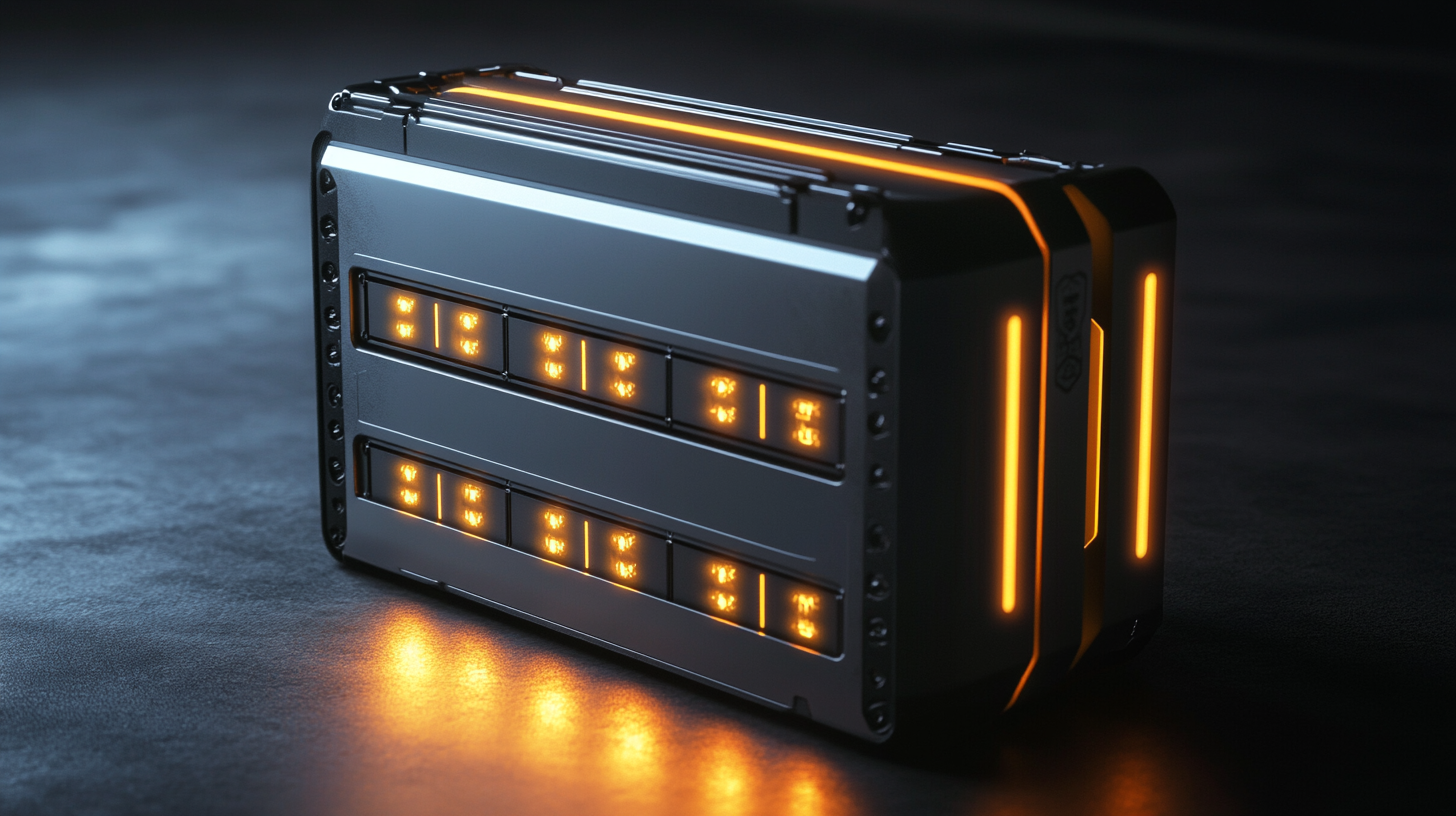
When exploring battery packs, understanding the different types and their applications is crucial. There are primarily two common types oF Battery technologies used in electric vehicles and hybrid models:Lithium Iron Phosphate (LFP) and Nickel Manganese Cobalt (NMC) batteries. LFP batteries are known for their thermal stability and safety, making them a solid choice for applications prioritizing longevity and safety, while NMC batteries offer higher energy density, which translates to longer driving ranges for electric vehicles. Each type has its unique advantages that affect vehicle performance, cost, and overall sustainability.

Furthermore, the rechargeable battery market is evolving rapidly, driven by advancements in technology and growing demand in various sectors, including electric vehicles, consumer electronics, and renewable energy storage. As the industry seeks to expand its capabilities and efficiency, developments in battery recycling and end-of-life management are becoming increasingly significant. For instance, strategies for repurposing lithium-ion batteries for second life applications not only reduce waste but also contribute to a more sustainable energy ecosystem. Understanding these different battery options and their respective uses empowers consumers to make informed choices that align with their needs and values.

Key Specifications to Consider When Choosing a Battery Pack

Picking the right battery pack can be a bit tricky, but getting a good handle on the key specs makes all the difference when it comes to performance. You definitely want to keep an eye on voltage, capacity, and discharge rates. So, here’s the deal: voltage is all about how much energy your battery can deliver, while capacity—which you usually see measured in milliampere-hours (mAh)—tells you how long it can keep your device running. Discharge rate also plays a big role because it affects how fast the battery can push out its power. If you’re dealing with gadgets that need quick bursts of energy, then having a higher discharge rate is key. That’s why fast-charge lithium batteries are often the go-to choice for devices that need a speedy boost.

Here at Shenzhen Jentc Technology Co., Ltd., we totally get the ins and outs of battery performance. Since we kicked things off back in 2011, our mission has been to provide top-notch lithium battery solutions that fit a variety of needs. We’ve got some cool options on offer, like our 4.4V high-voltage batteries, which are perfect for those power-hungry devices, and AGV lithium batteries that are all about reliability for automated guided vehicles. By focusing on all these important specs and sharing our expertise, we’re here to help our customers find the battery pack that’s just right for them, ensuring their devices perform at their best.

Common Issues with Battery Packs: Causes and Solutions

So, let’s talk about battery packs. They’re super important for all our modern gadgets, but they definitely come with their own set of headaches. You know, issues like overheating, losing capacity over time, and those annoying charging mishaps can really mess with how well they work and how long they last. I came across this recent industry report that mentioned nearly 30% of complaints about batteries are due to overheating. That's often caused by things like pushing the device too hard or just not giving it enough airflow. Seriously, keeping those battery packs at the right temperature is key—if you stick to the recommended range, you can dodge a lot of problems down the line.

Now, when it comes to capacity issues, there’s a little trick experts suggest: keep an eye on how many times you’re charging your battery. Research showed that a lithium-ion battery can lose about 20% of its capacity after just 500 charge cycles! Yikes, right? To keep your battery in great shape, try not to let it drop all the way to zero. It’s actually better to plug it in when it’s around 20%. That little habit can really help your battery last longer and perform better.

**Pro Tips:** Make sure you’re using good-quality chargers that match what your battery needs to avoid any overcharging disasters. And if you can, look into getting a smart battery management system. It can help you keep tabs on the battery’s status and even optimize your charging. By getting a handle on these common battery issues, you'll really be able to tap into the full potential of your battery packs, making sure they run smoothly and last as long as possible.

Unlocking the Power of the Best Battery Pack: Performance Comparison

Tips for Enhancing Battery Pack Performance in Everyday Use

You know, if you really want to get the most out of your battery pack, it's super important to grasp its specs. I stumbled upon this info from the International Energy Agency (IEA) that says good battery management can boost energy output by as much as 30%! How cool is that? Keeping an eye on the state of charge (SoC) and the state of health (SoH) not only helps your battery last longer but also makes sure it’s performing at its best. Take lithium-ion batteries, for example—those are the ones we see in most portable gadgets. They can really take a hit if you keep draining them below 20% or overcharging them past 80%. Not a great combo!

Unlocking the Power of the Best Battery Pack Understanding Its Specifications and Maximizing Performance

To make your battery pack hold up better in day-to-day use, it's worth tweaking your charging habits a bit. I found some research from Battery University that suggests charging your battery at a steady rate and steering clear of extreme heat can really help it last longer. Keeping the temperature in that sweet spot of 20 to 25 degrees Celsius is key because high temps can freak out the chemical reactions in your battery, making it wear out quicker. Plus, if you limit heavy app usage while you're running on battery, you'll end up using energy more efficiently—this way, you can stretch out the time between charges and keep that battery health in check.

Maintaining Battery Health: Best Practices for Longevity

Taking care of your battery pack is super important if you want it to perform well and last a long time. One easy trick is to steer clear of extreme temperatures. You know, lithium-ion batteries—those are the ones you usually find in gadgets—work best when they’re hanging out at room temperature. If they get too hot, they can start to wear out faster, and when it’s too cold, they might not work as well, at least for a bit. So, when you’re not using your battery pack, try to store it somewhere cool and dry. This helps keep moisture away and can save it from potential damage.

Unlocking the Power of the Best Battery Pack Understanding Its Specifications and Maximizing Performance

Another thing to keep in mind is how you manage your charging cycles. It’s tempting to let your battery fully discharge and then recharge it, but that can actually wear it down quicker. Instead, shoot for keeping it charged between 20% and 80%. This little habit can really help extend the life of your battery and make sure it’s reliable when you need it. Plus, make sure to use the right charger—cheap knockoffs can lead to overcharging, and that might cause the battery to overheat and lose its mojo over time. If you follow these simple tips, you’ll really get the most out of your battery pack and enjoy its perks for years!

FAQS

: What are the two common types of battery technologies used in electric vehicles?

: The two common types are Lithium Iron Phosphate (LFP) and Nickel Manganese Cobalt (NMC) batteries.

What are the advantages of LFP batteries?

LFP batteries are known for their thermal stability and safety, making them ideal for applications that prioritize longevity and safety.

What benefits do NMC batteries offer?

NMC batteries offer higher energy density, resulting in longer driving ranges for electric vehicles.

How is the rechargeable battery market evolving?

The rechargeable battery market is evolving rapidly due to advancements in technology and growing demand in sectors like electric vehicles, consumer electronics, and renewable energy storage.

Why is battery recycling important?

Battery recycling is important as it helps manage end-of-life batteries, reduces waste, and contributes to a more sustainable energy ecosystem.

What should be avoided to maintain battery health?

It's crucial to avoid extreme temperatures, as excessive heat can accelerate deterioration and cold temperatures can reduce efficiency.

What charging practices can extend the lifespan of a battery?

Keeping the battery charged between 20% and 80% instead of letting it drain completely can extend its overall lifespan.

Where should a battery pack be stored when not in use?

A battery pack should be stored in a cool, dry place to prevent moisture accumulation and potential damage.

Why is using the appropriate charger important?

Using the appropriate charger helps prevent overcharging and overheating, which can diminish the battery's health over time.

What is a good practice for charge cycles?

Managing charge cycles wisely, by avoiding frequent full discharges and recharges, is essential for maintaining battery health.


Matilda

Matilda

Matilda is a dedicated marketing professional at Shenzhen Jentc Technology Co., Ltd., a leading provider of high-performance lithium battery solutions since its establishment in 2011. With her extensive knowledge of the company's product portfolio, which includes cutting-edge offerings such as 4.4V......
Previous Unlocking the Potential: Advantages of Harnessing Battery Power for Global Supply Chains