Hey there! So, you know how energy storage solutions are all the rage lately? Well, Lifepo Batteries have really started to take the spotlight in this ever-changing market. I came across this interesting report from Allied Market Research, which says that the global lithium-ion battery market is set to skyrocket from $36.7 billion back in 2020 to around $129.3 billion by 2027. It seems like this growth is superchargedby new advancements in Battery Tech and a growing focus on more sustainable energy options. Speaking of innovation, there's this company calledShenzhen Jentc Technology Co., Ltd., founded in 2011, that's really leading the charge (pun intended!) by offering specialized lithium Battery Solutions including those cool4.4V high-voltage batteries and fast-charge lithium batteries. As more industries realize just how beneficial Lifepo Batteries are—like their enhanced safety and efficiency—it's become pretty crucial to dig into the technical details and figure out how to optimize them. In this blog, we’re going to explore the nitty-gritty of Lifepo Battery technology, and I promise there will be some great insights to help you get the most out of them for different applications!
Types of LiFePO4 Batteries: Understanding Variations and Applications
When it comes to LiFePO4 (lithium iron phosphate) batteries, understanding their variations is key to selecting the right type for your application. These batteries come in several configurations, each designed to cater to specific needs. For instance, prismatic LiFePO4 batteries are popular in electric vehicles and renewable energy storage due to their compact size and efficient thermal management. On the other hand, cylindrical batteries are favored in consumer electronics and certain power tools, providing stronger structural integrity and higher energy density.
Another important variant is the tubular LiFePO4 battery. Its unique design allows for better energy flow and improved charge/discharge rates, making it ideal for applications requiring quick power bursts, such as backup power systems. Furthermore, there are specialized LiFePO4 batteries designed for high-temperature environments, which are essential for industries that operate in extreme conditions. By understanding these types and their specific applications, users can harness the full potential of LiFePO4 technology, ensuring optimal performance and longevity in their systems.
Unlocking the Power of Best Lifepo Battery Comprehensive Technical Insights and Optimization Strategies
| Type of LiFePO4 Battery | Nominal Voltage (V) | Capacity (Ah) | Cycle Life | Applications |
| Lithium Iron Phosphate Cylindrical | 3.2 | 200 | 2000 | Electric Vehicles, Power Tools |
| LiFePO4 Prismatic | 3.2 | 100 | 2500 | Solar Energy Storage, UPS |
| LiFePO4 Lithium Polymer | 3.7 | 50 | 1500 | Consumer Electronics, Drones |
| LiFePO4 Battery Pack | 12.8 | 300 | 2000 | Electric Bicycles, Robotics |
Key Advantages of LiFePO4 Batteries Over Other Lithium Technologies
So, let’s talk about LiFePO4 batteries. You know, those nifty lithium batteries that really stand out thanks to their safety and longevity? They’re pretty different from other lithium options. For one, they’re super stable, which means there’s way less chance of things going dangerously wrong like overheating or even catching fire. This stability is a big deal, especially when it comes to electric cars and renewable energy storage, where keeping things safe is a top priority. Plus, these batteries can handle a whole lot more charge cycles, so they last longer and cost you less in the long run compared to the usual lithium-ion batteries.
Now, with all the buzz around new energy storage tech lately—like sodium-ion batteries popping up—it’s important to really recognize what LiFePO4 brings to the table. Sure, other batteries might have their own perks in certain areas, but when it comes to consistent performance and reliability, LiFePO4 batteries are still a go-to choice for many industries. On top of that, their enhanced thermal stability and eco-friendliness just add to their appeal in this ever-changing energy landscape.
Common Performance Issues in LiFePO4 Batteries and Their Solutions
You know, LiFePO4 batteries, or Lithium Iron Phosphate ones if you want to get technical, are pretty well-known for being safe, having great thermal stability, and lasting a long time. But let’s be real, they do have some issues, just like anything else. One of the big ones is capacity fading, which basically means they can lose their energy output as time goes on. I came across this study in the Journal of Power Sources that mentioned that if you’re not careful, the capacity of these batteries can drop by about 20% after roughly 2000 cycles. That’s largely due to some structural changes happening in the cathode material when it goes through all those charge and discharge cycles.
Another thing to watch out for is the self-discharge rate. This can really affect how long the batteries last and how reliable they are. According to the International Journal of Energy Research, LiFePO4 batteries usually self-discharge between 3 and 5% each month, which isn’t ideal. But here’s the good news: if you optimize your charging practices and keep them in cooler temperatures, you can really boost their performance. Using temperature management systems and a battery management system (BMS) can help with that, ensuring your batteries hold onto their charge better and last longer. If you know what you’re doing, you can get the most out of your LiFePO4 batteries and really get that efficiency and performance up there!
Optimization Techniques for Enhancing LiFePO4 Battery Lifespan
You know, LiFePO4 batteries, or Lithium Iron Phosphate batteries to give them their full name, have been getting a lot of buzz lately, and for good reason! They’re super safe and last a long time, which is always a bonus. But if you really want to make the most out of them, optimizing their lifespan is key to getting great performance without breaking the bank. It turns out that keeping the charging conditions just right and steering clear of deep discharges can really help these batteries last longer—like, studies suggest that improper care could whittle down battery capacity by as much as 30% over the years!
So, here’s a little tip: when you're charging up your LiFePO4 battery, try to do it at a controlled rate, ideally between 0.5C and 1C. This helps prevent overheating and can extend the battery's life significantly. It’s also a good idea to keep an eye on the temperature during both the charging and discharging phases; too much heat and you’re looking at accelerated aging, which isn’t fun.
And let’s not forget about a Battery Management System, or BMS for short. Seriously, a solid BMS is crucial! It keeps everything in check, preventing cell imbalance and making sure the overall health of the battery stays optimal. According to industry insiders, using a BMS can really up your game, extending operational cycles by up to 50%. Plus, don’t skip on those regular maintenance checks. Check the voltage and current to keep your battery running at its best.
To sum it all up, make sure you schedule some time for health checks on your battery, and hey, maybe consider getting one of those smart chargers that can be programmed for specific charge profiles suited to LiFePO4 technology! It could really make a difference.
Unlocking the Power of Best LiFePO4 Battery: Lifespan Optimization Techniques
Future Trends in LiFePO4 Battery Technology and Development
You know, the world of LiFePO4 batteries – that’s Lithium Iron Phosphate, in case you didn’t know – is really changing fast. It’s opening doors for all sorts of cool applications in different fields. With businesses on the hunt for energy solutions that are both efficient and sustainable, the buzz around LiFePO4 batteries is mostly about making them better in terms of energy density, lifespan, and charging speed. Researchers are diving into nanomaterials and new manufacturing methods to really push these batteries to their limits, which could mean a whole new level of versatility for things like electric vehicles and renewable energy setups.
If you’re looking to get the most out of LiFePO4 batteries, there are some handy tips to keep in mind. For starters, knowing the right charging techniques is key to extending the battery's life and dodging any overheating issues. You really want to keep those batteries at a steady temperature since heat can mess with performance and how long they last. And don’t forget about using a solid battery management system (BMS) – it’s great for keeping an eye on the charge level and protecting your battery from getting over-discharged. This way, you really get your money’s worth!
Oh, and there’s another exciting trend on the horizon: smart tech is making its way into LiFePO4 batteries. This means real-time data analysis and predictive maintenance is now totally possible! Not only does this improve the user experience, but it also helps with sustainability by catching patterns that can lead to smarter energy use. So, if you’re in the business or development game, keeping up with these advancements is gonna be super important if you want to make the most of what LiFePO4 tech has to offer.

Maximize Your Drone's Performance with the JENTC 6s 16000mAh Semi-Solid Battery: A Comprehensive Guide
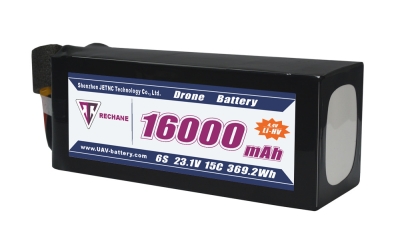
Maximize your drone's performance with the JENTC 6s 16000mAh Semi-Solid Battery and experience unparalleled power and reliability. Designed specifically for drone enthusiasts and professionals, this high-capacity lithium polymer battery boasts an impressive output of 22.8V, making it ideal for demanding tasks that require sustained energy. With a rated capacity of 16000mAh, the JENTC battery ensures that your drone performs at its peak for an extended period, whether you're capturing stunning aerial footage or racing through the skies.
Not only does the JENTC battery deliver exceptional performance, but it also comes packed with certifications including RoHS, CE, and FCC, ensuring that it meets rigorous quality and safety standards. The flexibility offered by this battery is unmatched; it supports customization, allowing for logo placements and tailored packaging, which can be a great advantage for businesses or individual users wanting a personal touch. Additionally, with warranty options ranging from 3 months to 1 year, users can enjoy peace of mind knowing they have a reliable power solution for their drones.
Incorporating the JENTC 6s 16000mAh Semi-Solid Battery into your drone setup not only enhances performance but also elevates your overall flying experience. Whether you're a professional looking to maximize productivity or a recreational flyer seeking dependable power, the JENTC battery is designed to meet your needs with exceptional reliability and efficiency.
FAQS
: LiFePO4 batteries are known for their robust safety profile, stability, longer lifespan, and lower total cost of ownership. They reduce the risk of overheating and combustion, making them ideal for electric vehicles and renewable energy storage.
LiFePO4 batteries can endure more charge cycles, leading to a longer lifespan compared to traditional lithium-ion batteries, thus providing better cost-effectiveness over time.
Common issues include capacity fading, where energy output can decrease by approximately 20% after around 2000 cycles, and a self-discharge rate that ranges between 3-5% per month if not managed correctly.
To mitigate capacity fading, users can implement temperature management systems, optimize charging protocols, and utilize battery management systems (BMS) to ensure optimal charge retention and extend battery life.
Users should maintain optimal charging conditions, avoid deep discharges, charge at a controlled rate of ideally 0.5C to 1C, and monitor temperature during cycles to prevent overheating.
A well-designed BMS prevents cell imbalance and optimizes overall battery health, potentially extending operational cycles by up to 50%.
Users should schedule regular evaluations of their battery health, monitor voltage and current, and consider using smart chargers adapted for LiFePO4 technology.
While newer technologies may have specific advantages, LiFePO4 batteries maintain established performance and reliability, ensuring their popularity across various industries.
The self-discharge rate for LiFePO4 batteries typically ranges from 3-5% per month.
Strategies include optimizing charging conditions, using temperature management systems, and implementing a battery management system to monitor and enhance performance.