Hey there!So, let’s talk about something super important in our fast-paced tech world today—picking the right Battery Power solution. It’s not just a big deal for businesses; everyday folks like us need to be in the loop too. As more and more industries lean on cutting-edge lithium battery tech to boost their efficiency and performance,finding the best power solutions is seriously crucial. Since 2011, Shenzhen Jentc Technology Co., Ltd. has been at the forefront of this game, specializing in high-performance lithium battery innovations. They’ve got a fantastic lineup, from 4.4V high-voltage batteries to speedy fast-charge and AGV lithium batteries. In this blog, we’re diving into an epic review of the top battery power solutions on the market. We’ll check out their features, how they can be used, and what makes them a fit for all kinds of buyers around the world. So, stick with us as we explore the complex yet fascinating world oF Battery technologies, helping you make decisions that really matter!
Exploring Diverse Industries: Major Applications of Battery Power Solutions
You know, battery power solutions are really becoming a big deal in so many industries these days, from cars to renewable energy. Just the other day, I came across this report from Fortune Business Insights, and it’s pretty wild to think that the global battery market is expected to hit around $173.5 billion by 2025! A huge part of that growth is coming from the soaring demand for electric vehicles (EVs), along with some amazing advancements in energy storage tech. Just look at the automotive sector – it's on track for an impressive compound annual growth rate (CAGR) of 20.3% between 2019 and 2026. It really shows how crucial batteries are going to be in making our transportation more sustainable!
But it’s not just cars that are in the spotlight here. The renewable energy world is also counting heavily on battery solutions. A report from Allied Market Research suggests that by 2025, the market for lithium-ion batteries in energy storage systems could be worth around $150 billion! A lot of this is due to the increasing use of solar and wind energy. As more industries look for cleaner energy options, we absolutely need these efficient battery systems to store all that renewable energy and keep a steady supply going, especially when the weather isn’t cooperating. Isn’t it fascinating how the different applications of battery technology are really key in tackling some of our global energy challenges?
Comparative Analysis of Battery Technologies for Global Market Needs
You know, when it comes to finding sustainable energy solutions, there's a pretty big change happening in the world of battery tech. So, let's break this down a bit. Lithium-ion batteries have been the reigning champs for quite some time now, thanks to their impressive energy density and efficiency. I mean, they’re basically the preferred choice for everything from electric cars to our handy-dandy gadgets. But then, we’ve got solid-state batteries coming in hot as a cool alternative, promising better safety and longer life spans. How awesome is that?
And don’t forget about flow batteries! They're really making waves, especially for storing renewable energy. One of the cool things about them is that they can scale up and have longer discharge times, which is super helpful given the on-and-off nature of solar and wind power. Plus, there’s a lot of buzz around new materials like sodium-ion and aluminum-ion batteries. These could bring down costs and help the planet a bit. So, as both manufacturers and consumers take a hard look at their choices, it’s not just about how well these batteries perform. We’ve really got to keep an eye on sustainability and scalability too since we're all working towards a greener future.
Case Studies: Successful Implementation of Battery Solutions Across Sectors
You know, over the past few years, we've seen a bunch of different industries really step up their game with some cool battery power solutions. These innovations are not just about boosting energy efficiency; they're also huge for sustainability. Take public transportation, for example. In a big city, they’ve swapped out the old diesel buses for electric ones that run on fancy lithium-ion batteries. This change has cut down emissions a ton and made the city a lot quieter and more enjoyable for everyone living there. Honestly, these examples really show how battery technology can shake things up and push us toward cleaner energy options.
Now, if you're thinking about battery solutions for your own business, it's super important to take a good look at what your specific energy needs are and how you actually use power. This will help you pick the right battery tech that aligns with your efficiency and sustainability aims.
And hey, here’s another cool example: in agriculture, smart battery systems are being used to power automated irrigation setups. They draw on solar energy stored in batteries, which is pretty clever because it means farms can manage water efficiently, even when there’s a power outage or if they’re off the grid. It’s not just great for conserving water but also helps farmers rely less on traditional electricity sources—definitely a win for eco-friendly practices!
And a quick tip: consider teaming up with tech companies that really know their stuff when it comes to battery solutions. Partnering with experienced folks can really smooth out the whole implementation process and makes sure you're tapping into the latest and greatest in battery tech out there.
Challenges and Innovations in Battery Power Solutions for Industry Leaders
Hey there! You know, the world of battery power solutions is really shaking things up these days. There’s so much happening, driven by both some pretty tough challenges and exciting innovations that leaders in the industry have to deal with. I came across this info from the Global Battery Alliance that blew my mind: they expect battery demand to skyrocket—like 12 times more by 2030! Why? Well, it’s all about electric vehicles and renewable energy storage taking off. But, of course, it's not all smooth sailing. The industry is grappling with issues like supply chain hiccups and the not-so-great environmental effects of pulling out raw materials. You've probably heard of lithium, cobalt, and nickel, right? Those key players in battery production are facing price swings and geopolitical tensions, which is really pushing manufacturers to get creative—think alternative materials and recycling strategies.
On the bright side, there’s a lot of cool tech coming out to tackle these problems. Companies are throwing money into solid-state batteries, which could offer better energy density and safety compared to the old lithium-ion types. Did you know that research from the International Energy Agency suggests solid-state batteries might cut costs by about 30% if they can ramp up mass production by 2025? That’s a big deal! Plus, there’s been some serious progress in battery management systems, making existing batteries more efficient and helping them last longer. That’s super important for businesses trying to keep their edge in this fast-changing market. So, as all these innovations roll out, being able to adapt is going to be key for global buyers who want sustainable and reliable energy solutions.
The Ultimate Showdown of Best Battery Power Solutions for Global Buyers
| Battery Type | Energy Density (Wh/kg) | Cycle Life (Cycles) | Charging Time (Hours) | Environmental Impact |
| Lithium-ion | 150-250 | 500-2000 | 1-4 | Moderate |
| Nickel-Metal Hydride | 60-120 | 300-500 | 2-6 | High |
| Lead Acid | 30-40 | 200-300 | 8-20 | Very High |
| Solid State | 300-500 | 1000-3000 | 1-2 | Low |
| Lithium Polymer | 150-200 | 300-500 | 1-3 | Moderate |
Future Trends: How Battery Power Solutions are Shaping Various Industries
So, as we take a closer look at what’s on the horizon for battery power solutions, it becomes pretty obvious that these innovations are shaking things up across all sorts of industries. They’re really changing the game when it comes to how we think about energy use and sustainability. Just look at the automotive world—electric vehicles, or EVs if you’re in the know, are a prime example of this shift. You’ve got car manufacturers pouring tons of resources into cutting-edge battery tech to boost range and efficiency, which is super exciting! And with governments around the globe pushing for greener practices, you can feel the demand for inventive battery solutions on the rise. Not only are these making it easier to cut down on emissions, but they’re also ramping up energy storage capabilities.
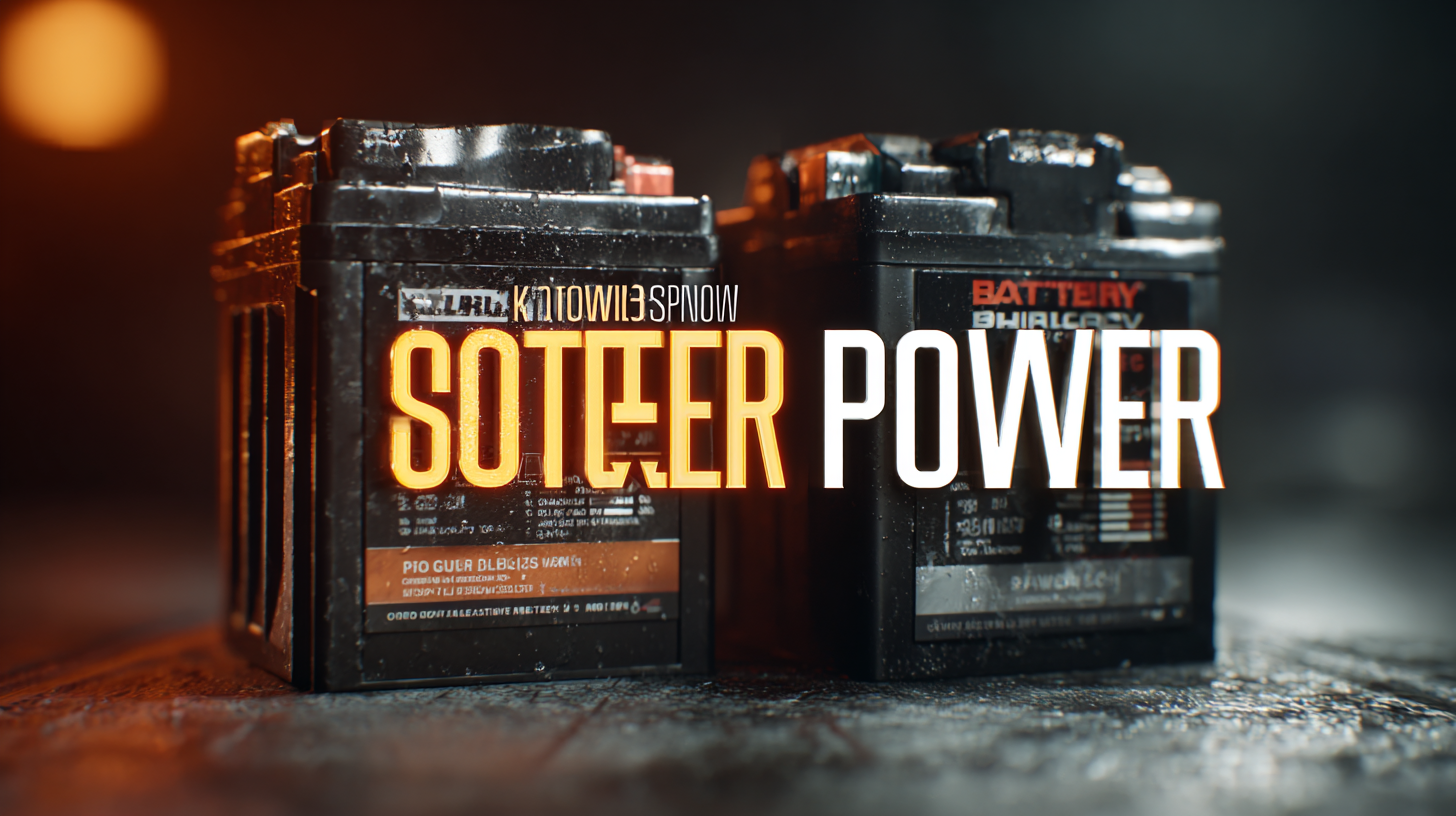
On top of that, industries like renewable energy and consumer electronics are jumping on the battery bandwagon too, optimizing energy management in ways we couldn’t have even imagined a few years ago. Take solar power—now it’s becoming common to see high-tech battery systems that store excess energy, so you can tap into it even when the sun isn’t shining. And let's not forget the leaps we’re making in lithium-ion and solid-state battery technology. These advances are helping gadgets last longer and charge faster, completely changing the user experience and nudging us toward a more sustainable future. So, the evolution of battery power solutions? It’s not just a passing trend; it’s a real shift that’s set to bring some major improvements to our global economy.
Maximizing Drone Efficiency with JENTC LI-HV 12s 22000mah Semi-Solid State Battery: Insights from the Latest Industry Reports
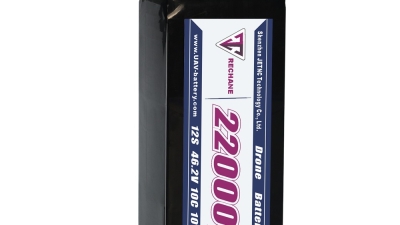
In the rapidly evolving world of drone technology, maximizing efficiency is paramount for both enthusiasts and professionals. One key aspect that directly influences a drone's performance is its battery. The JENTC LI-HV 12s 22000mAh semi-solid state battery is making waves in the industry, offering an impressive capacity and reliability tailored specifically for drone applications. With a capacity of 22000mAh and a voltage of 44.4V, this battery ensures extended flight times, allowing users to harness the full potential of their drones without the frequent concern of recharging.
The semi-solid state design of the JENTC battery not only contributes to its higher energy density but also enhances safety and longevity compared to traditional lithium-ion batteries. This makes it an ideal choice for consumer electronics, particularly in the drone sector where performance is crucial. Furthermore, the JENTC battery meets stringent safety standards, being RoHS, CE, and FCC certified, which reinforces its credibility as a reliable power source. Coupled with a warranty that ranges from 3 months to 1 year, users can feel confident in their investment, knowing they are backed by quality and support.
As the drone industry continues to expand, incorporating sophisticated batteries like the JENTC LI-HV 12s 22000mAh will play a significant role in driving performance and enhancing user experiences. This innovation not only caters to the increasing demand for power but also supports the growing need for efficiency in various aerial applications. Embracing such advancements can empower drone operators to explore new horizons, ensuring they stay at the forefront of aerial technology.
FAQS
: The blog discusses lithium-ion batteries, solid-state batteries, flow batteries, sodium-ion batteries, and aluminum-ion batteries.
Lithium-ion batteries are favored for their high energy density and efficiency, making them effective for applications in electric vehicles and portable electronics.
Solid-state batteries provide enhanced safety and longer life cycles, making them a promising alternative to traditional battery technologies.
Flow batteries allow for scalability and longer discharge times, effectively addressing the intermittent energy supply from sources like solar and wind.
The automotive sector is seeing a rise in electric vehicles, with manufacturers investing in advanced battery technologies to improve range and efficiency.
Battery systems enable solar power installations to store excess energy for use when sunlight is scarce, enhancing energy management and efficiency.
Advancements in lithium-ion and solid-state batteries are leading to longer life cycles and faster charging times, enhancing user experience and promoting sustainability.
Governments worldwide are pushing for greener initiatives, leading to an increased demand for innovative battery solutions that reduce emissions and improve energy storage.
Consumers should consider performance metrics, sustainability, and scalability when evaluating battery technologies, especially as the market shifts towards greener energy solutions.
The evolution of battery power solutions is not just a trend, but a paradigm shift that will drive significant enhancements across various industries and contribute to a more sustainable future.