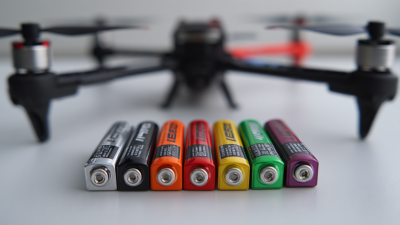
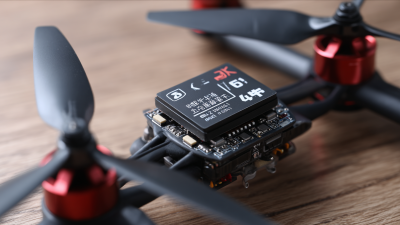
You know, in the fast-paced world of drone tech, the whole "5 Inch Drone Battery Size" thing is really making waves when it comes to how well these unmanned aerial vehicles perform. A recent study from Grand View Research even suggests that the global drone battery market could hit a whopping USD 7.14 billion by 2027! It's all thanks to the growing need for smaller, yet more powerful batteries.  I mean, let’s be honest: longer flight times and better payload capacities are pretty much essential for stuff like aerial photography, farming, and checking out infrastructure. And then there’s Shenzhen Jentc Technology Co., Ltd. They’ve been in the game since 2011, providing high-performance lithium battery solutions. They’ve got a whole range of options, from 4.4V high-voltage batteriesto fast-charge lithium batteries, all tailored to meet the needs of drone makers. So, if you really get into the details oF Battery sizes—especially for those5-inch drones—you'll be in a great position to boost performance and make the most of your operations!
Understanding the Importance of Battery Size in Drone Performance
You know, battery size really makes a big difference when it comes to how well drones perform and how efficiently they operate. I’ve seen it mentioned in quite a few industry reports, like one from Drone Industry Insights, that there's a direct link between battery capacity and things like flight time, payload, and how far they can go. For example, if a drone has a bigger battery, it can usually stay in the air a lot longer—super helpful for projects like surveying or monitoring crops, which are becoming more popular in different fields. This is especially true for those 5-inch drones; getting the right battery size can seriously boost their performance metrics.
On another note, there's this company called Shenzhen Jentc Technology Co., Ltd. that’s really good at optimizing lithium battery solutions specifically for drones. They’ve got these 4.4V high-voltage batteries and fast-charge lithium options, which really help drone manufacturers take flight performance to the next level. Plus, a recent report from Markets and Markets suggested that the global drone battery market is set to grow quite a bit, thanks to all the advancements in battery tech. As the industry continues to change, having high-performance batteries will be super important for making sure drones can handle tough demands while still being efficient and reliable in the field.
Unlocking Performance: The Impact of 5 Inch Drone Battery Sizes on Flight Time
Evaluating the Impact of 5 Inch Drone Battery Capacity on Flight Time
If you’re trying to get the most out of your 5-inch drone, understanding battery capacity is super important. It’s not just about how long your drone can fly; the battery size also affects its overall performance. Bigger batteries, usually measured in milliamp hours (mAh), give you longer flight times. This means you can enjoy those aerial adventures without having to recharge every hour, which is always a win in my book!
A great tip to keep in mind is to balance the weight of your drone with the battery you pick. A heavier battery might weigh you down and mess with your flight efficiency. On the flip side, choosing a battery that fits your drone just right can really improve its performance, letting you stay up in the air longer.
Also, don’t overlook the value of a good battery management system (BMS). This nifty tech can help you get the most out of your battery and even prolong its lifespan, so you can make every charge count. Remember, finding that sweet spot between battery capacity and smart management can seriously elevate your flying experience, making your outings both fun and productive!
Unlocking Performance: The Ultimate Guide to the Best 5 Inch Drone Battery Size Insights
| Battery Capacity (mAh) | Estimated Flight Time (Minutes) | Weight (grams) | Voltage (V) | Discharge Rate (C) |
| 1300 | 5.5 | 150 | 4.2 | 100 |
| 1500 | 6.5 | 170 | 4.2 | 75 |
| 1800 | 7.5 | 200 | 4.35 | 50 |
| 2200 | 8.5 | 220 | 3.7 | 30 |
| 2600 | 9.5 | 250 | 3.7 | 25 |
Comparing Popular 5 Inch Drone Battery Types: LiPo vs. LiHV
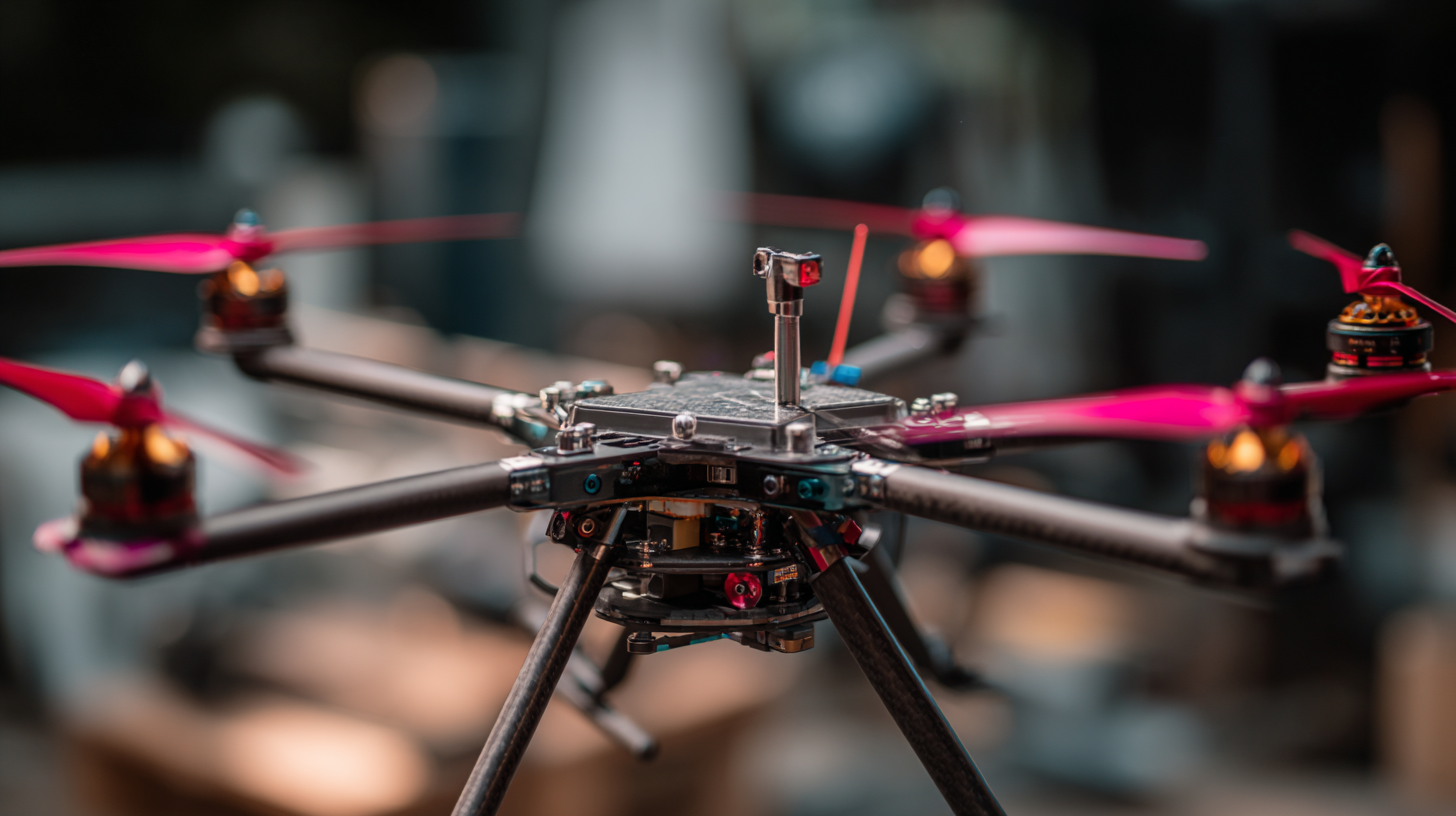 So, if you’re looking to get the most out of your 5-inch drone, picking the right battery is super important for performance. You’re probably gonna come across two big contenders: Lithium Polymer (LiPo) and Lithium High Voltage (LiHV). Each of these battery types has its own set of pros and cons that can really affect how your drone flies.
Now, let’s talk about LiPo batteries. These guys are a favorite in the drone world because they pack a lot of energy and have awesome discharge rates. This means they give you a serious power boost, making them perfect for those high-octane races or intense flying sessions. But, here’s the catch: you need to handle them with care. Over-discharging or messing up the charging can lead to some unfortunate situations. Plus, they do have a lower voltage per cell, which might not cut it if you’re aiming for those long flights.
On the flip side, we’ve got LiHV batteries. They run at a higher voltage, which means you can get more power without adding extra cells. This translates to longer flight times and lighter weight—definitely a win for agility and speed! And the cool part? They usually last longer and handle heat better than your regular LiPo batteries. But let’s be real, they can cost a bit more and might need special chargers. In the end, whether you go for LiPo or LiHV really comes down to how you like to fly and what you need from your drone's performance.
Analyzing Voltage and Discharge Rates: Optimizing Your Drone's Output
If you want to really boost your drone's performance, getting a grip on voltage and discharge rates is super important. Basically, the voltage rating of a battery tells you how much energy it can pump out. Higher voltage means you can zip around faster and lift more weight. In fact, a report from Drone Industry Insights in 2022 found that drones running on 22.2V batteries had a 15% boost in flight time and could carry 10% more payload compared to those with the usual 14.8V batteries.
Now, let’s talk about discharge rates, which are measured in C-ratings. This just tells you how quickly a battery can throw out energy. So, a battery with a higher C-rating can give you a power burst whenever you need it—think rapid turns or sudden climbs. For example, a study in the Journal of Unmanned Vehicle Systems highlighted that a drone with a 5-inch frame and a 1300mAh 100C battery generated 30% more thrust than ones with a lower 75C rating during really tough flight scenarios. By understanding these key factors, you can make smarter choices about the best batteries for your specific flying needs and truly unleash your drone's potential.
Real-World Performance Metrics: What to Expect from Different Battery Configurations
Alright, so let’s talk about what really matters when you’re trying to get the most out of your drone—specifically, the whole battery size and setup. I mean, let’s be real—the battery is pretty much the heart of your drone, and it has a massive influence on how long you can fly, how stable it feels, and just how well it performs overall. Different battery setups can seriously change the game, especially when you’re flying in the real world. For instance, if you’ve got a 5-inch drone and you slap on a bigger battery, you might get to fly for longer, but the trade-off is that it can weigh your drone down, which can mess with its agility. On the flip side, a smaller battery could make your drone super nimble, but then you’re looking at shorter flight times.
As we dove into the nitty-gritty of performance metrics, it became clear that the battery’s voltage and discharge rates are key players in this whole equation. Higher voltage batteries? They usually pump out a lot more power, which is great if your drone has to tackle gnarly tasks. But you’ve got to keep an eye on those discharge rates, since they can make your drone way more responsive and quicker. Of course, you’ve got to find the sweet spot so you don’t end up with a sluggish setup due to added weight. By trying out different battery configurations, drone pilots can really tailor their flying experience and unlock the true potential of their 5-inch drones to fit just what they like and need.
Tips for Choosing the Best 5 Inch Drone Battery for Your Specific Needs
So, when you're trying to pick the best 5-inch drone battery, it's super important to really think about what you need to get that top-notch performance. You see, five-inch drones usually need batteries that are both lightweight and powerful if you want them to fly longer and be more responsive. Don’t forget to check out the discharge rate, also known as the C-rating, that your drone's motors require. A higher C-rating can definitely ramp up performance, but there’s a catch— it might cut down on the overall battery life. And let’s not skip on the battery capacity, which we measure in milliamp hours (mAh); this number basically tells you how long your drone can stay up in the air before it needs a pit stop for a recharge.
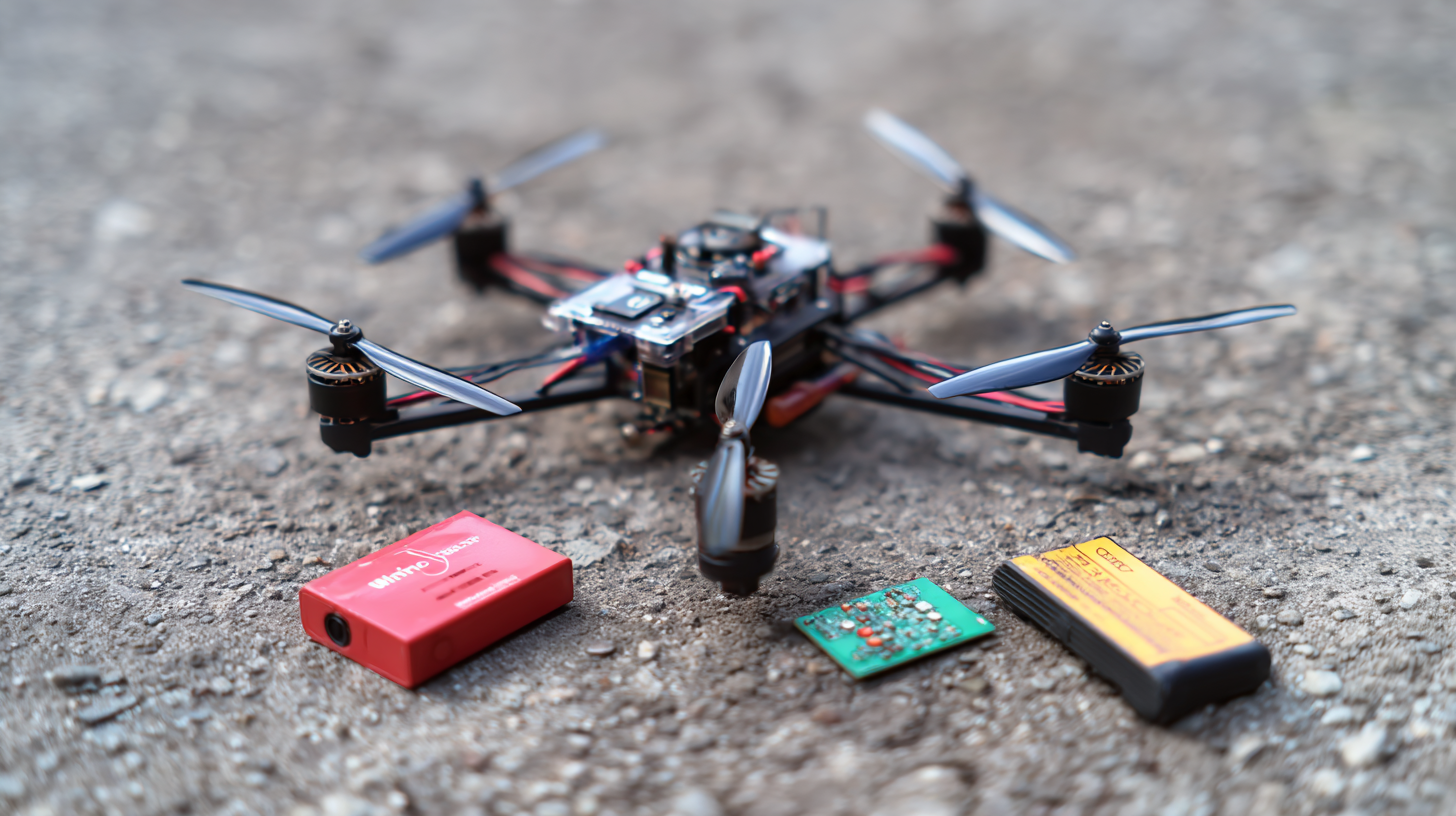
Here at Shenzhen Jentc Technology Co., Ltd., we’re all about those high-performance lithium battery solutions that work for all kinds of applications, UAVs included! Our lineup features cutting-edge 4.4V high-voltage batteries and fast-charge lithium options that are built to handle the tough demands of today’s drone tech. By picking the right battery that’s tailored just for you, you can really unleash your drone’s full potential, which means way more exciting flights and better operational efficiency. Whether you’re just flying for fun or you’re a pro, getting a grip on these important factors will definitely help you make a smart choice.
FAQS
: Battery capacity is crucial as it determines how long the drone can stay airborne. Larger capacity batteries can extend flight durations, allowing for more aerial experiences without frequent recharges.
Balancing the weight of your drone with the battery size is effective. Choosing a battery that complements your drone’s setup helps achieve better performance and longer flights.
A Battery Management System optimizes battery usage and extends its lifespan, ensuring pilots maximize each charge for a better flying experience.
Yes, a heavier battery can increase the overall weight of the drone, which may reduce flight efficiency. A well-chosen battery size can help enhance performance.
Different battery configurations influence flight time, stability, and overall efficiency. Larger batteries provide extended duration but may reduce agility, while smaller batteries enhance maneuverability but typically lead to shorter flight times.
It's essential to consider voltage and discharge rates, as higher voltage batteries offer better power output, and increased discharge rates enhance responsiveness and speed. Balancing these with weight is also crucial.
Yes, experimenting with different battery configurations allows drone pilots to unlock the full potential of their 5-inch drones, creating a tailored flying experience that fits specific needs.
Selecting a larger battery can lead to longer flight times but may increase weight and decrease agility. Finding the right balance is key to optimal performance.