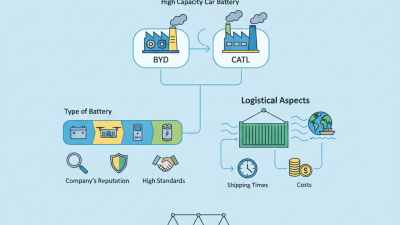
Lately, China's battery production scene has really been shaking up the global market. With the surge in electric vehicle demand, there's a clear push for higher efficiency and a more sustainable approach. Big names like CATL and BYD are leading the charge, especially on the front of 'Capacity In Battery' innovations. They're constantly refining their manufacturing methods to keep up with the booming need.
Over the past few years, improvements in battery chemistry have really pushed the envelope, boosting energy density and allowing for things like longer-range electric cars. That means consumers can enjoy drifting further on a single charge, especially with high-capacity batteries. But, of course, sourcing raw materials sustainably is still a big challenge. Companies need to figure out how to grow without letting environmental impact slip through the cracks.
The battery game is pretty fierce these days. New players are trying to make their mark and keep pace with the big giants. Not every attempt hits the mark, though, and even setbacks can teach us a lot about what to do next. Moving forward, the focus has to be on balancing cutting-edge innovation with a sense of responsibility—especially when it comes to boosting capacity in batteries.
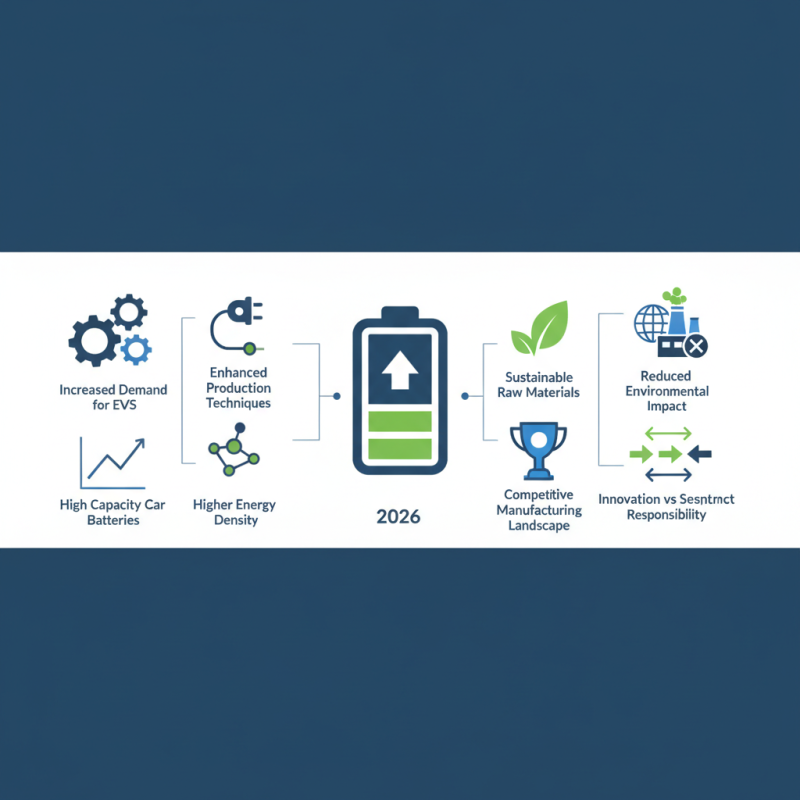
Overview of China's Battery Production Landscape in 2026
In 2026, China's battery production landscape is expected to experience significant transformations. Recent reports indicate that the country will maintain its position as the largest battery producer globally, with an estimated capacity increase of 20% over the previous year. This surge will support various sectors, particularly electric vehicles, energy storage, and consumer electronics. The adoption of high-capacity Drone Batteries is also anticipated to rise, driven by advancements in technology and increased demand for drones in commercial applications.
China's investment in lithium-ion battery technology remains a key driver of growth. Predictive analytics suggest that the domestic market will account for over 70% of global battery manufacturing capacity. However, challenges persist. Environmental concerns regarding lithium extraction and battery waste management are critical issues that require urgent attention. Reports indicate that only 30% of batteries are recycled effectively, highlighting an area for improvement in sustainability practices.
Emerging innovations, such as solid-state batteries, may reshape the industry. Industry analysts forecast that solid-state technology could capture a significant market share by 2026, enhancing energy density and safety. Yet, the path to commercial viability is complex. The current production processes need refinement to achieve scalable quantities. Meanwhile, the battery supply chain faces pressure from fluctuating raw material costs, signaling a call for strategic sourcing and more resilient operational frameworks.
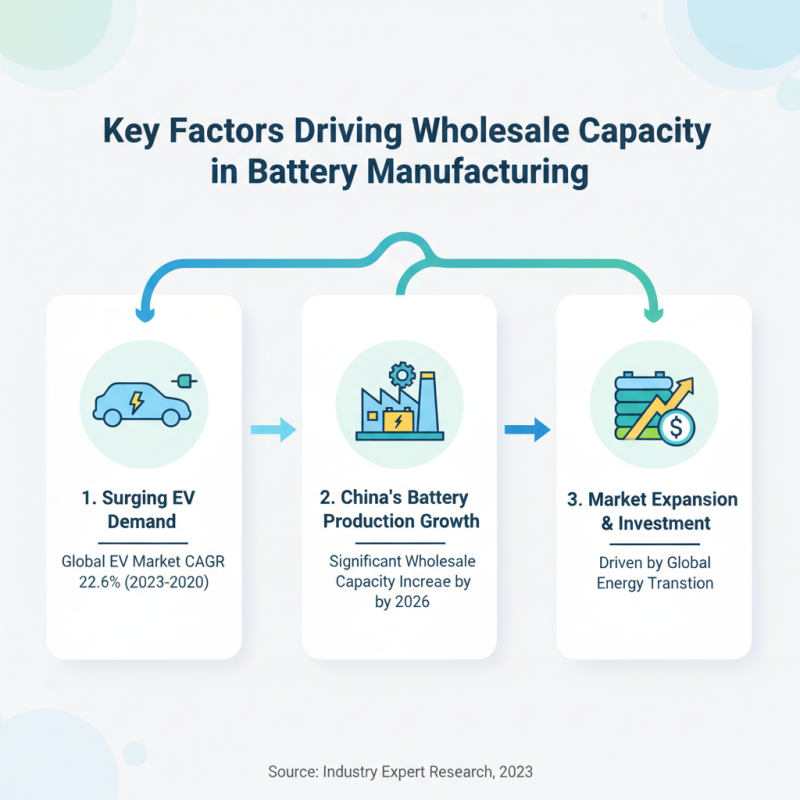
Key Factors Driving Wholesale Capacity in Battery Manufacturing
The wholesale capacity in China's battery production is poised for significant growth in 2026. This surge is driven by several key factors. One vital element is the increasing demand for electric vehicles (EVs). Research by industry experts predicts that the global EV market will grow at a compound annual growth rate (CAGR) of 22.6% from 2023 to 2030. This burgeoning market directly impacts battery production capacity.
Another critical driver is technological advancement. Innovations in battery chemistry and manufacturing techniques contribute to higher efficiency and lower costs. The introduction of solid-state batteries, for instance, promises improved energy density and safety. However, the transition to these advanced technologies presents challenges. Factories must upgrade their equipment, which can lead to production bottlenecks if not managed properly.
Tips: When considering battery suppliers, always ensure they have the latest technology. Regularly Checking Battery Capacity helps maintain performance standards. Additionally, monitor suppliers’ production capabilities to prevent potential setbacks. Keeping abreast of industry trends can position businesses favorably in a competitive market.
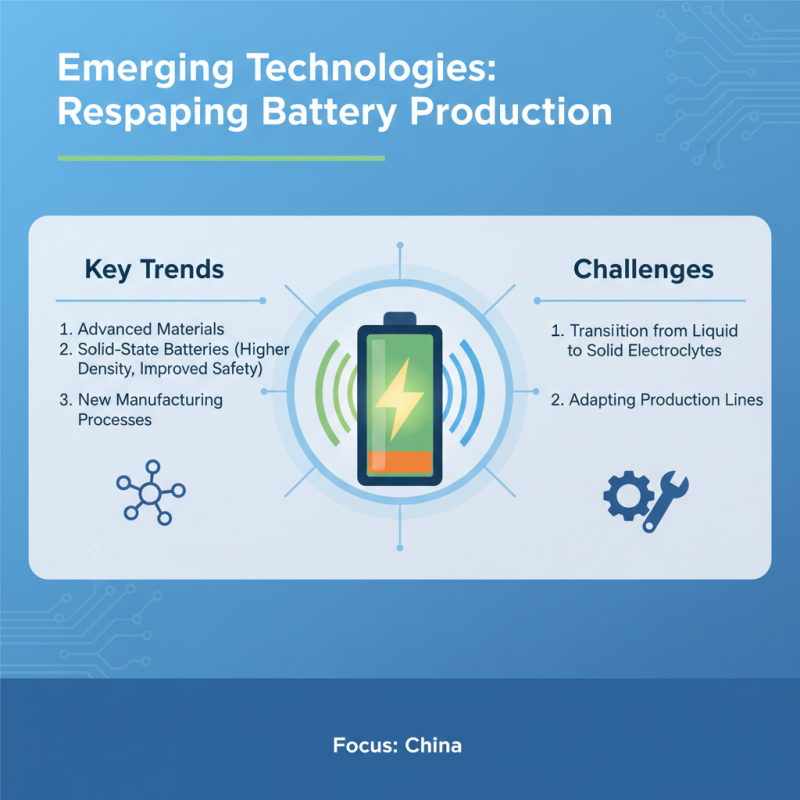
Emerging Technologies Influencing Battery Production Trends
Emerging technologies are reshaping battery production trends in China. Advanced materials play a crucial role. For instance, solid-state batteries are gaining traction. They promise higher energy densities and improved safety. The transition from liquid electrolytes to solid ones presents challenges. New manufacturing processes must adapt accordingly.
Automation is also a game-changer. Robotics in assembly lines improve precision. This increases efficiency in large-scale production. However, integrating these technologies requires skilled workers. Workforce training programs are essential but lag behind. It highlights a gap in readiness for future demands.
Smart Battery Capacity is becoming a focal point. This technology optimizes energy usage in electric vehicles and renewable systems. However, not all producers have adopted it. Costs and complexity are barriers. Companies need to evaluate long-term benefits against initial investments to fully realize potential advantages.
Market Demand Analysis for Battery Products in China
The battery production market in China is experiencing significant transformations. Rapid demand is rising, driven by the electric vehicle sector and renewable energy solutions. High-capacity battery products play a crucial role in this growth. As consumers prioritize longevity and efficiency, manufacturers must adapt quickly. However, not all producers can keep pace with market dynamics.
China's market for battery products now faces unique challenges. While demand for high-capacity drone batteries surges, some manufacturers struggle with production scalability. Those lacking expertise may find themselves unable to meet quality standards. The emphasis on safety and innovation increases pressure on producers. This environment can lead to oversights if not managed properly.
Understanding consumer needs is vital in this evolving landscape. The demand is not solely about capacity; it's also about environmental impact. Pressure to create sustainable solutions is palpable. Many companies are reevaluating their practices. This reflection may lead to better alignment with market expectations. Overall, the path ahead is filled with opportunities and uncertainties.
2026 Top Trends in China Wholesale Capacity in Battery Production
Government Policies Impacting Battery Production Capacity
The Chinese government plays a crucial role in the battery production sector. Recent policies aim to boost domestic manufacturing while focusing on sustainability. These regulations are designed to encourage local innovation and investment in battery technologies.
Funding and subsidies are available for companies adopting green practices. However, compliance with these new rules can be challenging. Many manufacturers struggle to keep up with the evolving standards. The potential burden of regulations might inhibit growth for smaller firms. It raises questions about equitable opportunities.
Local governments, too, are implementing initiatives to attract investment. Some regions have become hotbeds for battery innovations. These efforts might lead to regional disparities in production capacity. While vast resources are provided, the effectiveness of such initiatives remains to be seen. The balance between environmental responsibility and industrial growth is delicate.
2026 Top Trends in China Wholesale Capacity in Battery Production
| Trend | 2026 Capacity (GWh) | Growth Rate (%) | Policy Impact | Market Segment |
| Increased Lithium Resource Utilization | 500 | 15 | Supportive regulations promoting sustainable sourcing | Electric Vehicles |
| Expansion of Solid-State Batteries | 300 | 20 | Government incentives for R&D | Consumer Electronics |
| Investment in Recycling Technologies | 200 | 10 | Policies promoting circular economy | Renewable Energy Storage |
| Integration of AI in Production | 400 | 12 | Funding for smart manufacturing | Industrial Applications |
Sustainability Practices in Battery Production for 2026
As the battery production industry evolves, sustainability practices are becoming paramount. In 2026, many manufacturers are shifting towards eco-friendly materials. The use of recycled components is gaining traction. This reduces waste and minimizes the carbon footprint associated with battery creation. Implementing greener processes will not only benefit the environment but also enhance brand images.
The challenge lies in achieving this balance. Many companies struggle to source sustainable materials at scale. Recycling technology, although advancing, is not yet perfect. This raises questions about efficiency and practicality. Additionally, some manufacturers may prioritize cost over sustainability, which could undermine these efforts.
Furthermore, regulatory pressures are increasing. Compliance with stricter environmental standards is a necessity. Navigating these requirements is complex and can strain resources. Yet, companies that successfully adopt sustainable practices can gain a significant competitive edge. They position themselves as leaders in a rapidly changing market. Embracing sustainability is not just ethical; it is becoming essential for long-term growth.
Competitive Landscape of Major Players in China's Battery Market
The competitive landscape of China's battery market is rapidly evolving. Major players are investing heavily in production capacity to meet rising demand. According to recent industry reports, China's battery production capacity is expected to exceed 1,200 GWh by 2026. This surge reflects a growing need for batteries in electric vehicles and renewable energy storage.
Several reports highlight that the top companies in China's battery sector are enhancing their technological capabilities. They are striving for better efficiency and sustainability. For instance, lithium-ion batteries dominate the market, accounting for more than 80% of total battery output. However, challenges persist. Many manufacturers face issues with supply chain disruptions and fluctuating raw material prices. These factors can impact profit margins significantly.
The market is also witnessing increased competition from new entrants. Emerging players are adopting innovative approaches, yet they struggle against established giants. This competitive tension is beneficial for consumers, who may see improved products and pricing. Overall, China’s battery market is at a crossroads, with opportunities for growth and areas that require careful consideration and adaptation.
Maximizing Drone Performance with JENTC LI-HV 6s 22000mAh Semi-Solid Battery: The Ultimate Power Solution
In the competitive realm of drone technology, optimizing performance is crucial for both enthusiasts and professionals alike. The focus on extended flight times and reliable power sources highlights the importance of battery efficiency. The JENTC LI-HV 6s 22000mAh semi-solid battery emerges as a standout option, providing a stunning 22000mAh capacity paired with a voltage of 22.8V. This combination not only enhances flight durations but also ensures that drones can operate at peak levels for longer periods, which is pivotal for applications ranging from aerial photography to heavy-lift transport.
Recent industry reports indicate that battery technology drastically influences drone operational efficiency, with many users prioritizing higher milliampere-hour (mAh) ratings for extended use. With certifications like RoHS, CE, and FCC, the JENTC battery guarantees compliance with stringent safety and quality standards, reassuring users of its reliability. Furthermore, the semi-solid structure of this battery contributes to improved thermal stability and performance under varying conditions, which is essential for high-demand drone operations. Coupled with a warranty period of up to one year, this battery packs a powerful punch, making it a tempting choice for those seeking to maximize their drone's capabilities.
As the drone market continues to evolve, advancements in power solutions like the JENTC LI-HV battery underscore the pressing need for efficient energy sources that cater to the growing demands of aerial technology. Investing in high-capacity batteries not only ensures greater autonomy for drones but also aligns with the industry's trajectory toward enhanced performance and reliability.
FAQS
: China's battery production capacity is expected to increase by 20% in 2026.
Key sectors include electric vehicles, energy storage, and consumer electronics.
The domestic market will account for over 70% of global battery manufacturing capacity.
Environmental concerns and low recycling rates highlight critical sustainability issues.
Solid-state batteries may significantly impact the market by enhancing safety and energy density.
Lack of expertise can hinder scalability and quality in production.
Many companies are shifting towards eco-friendly materials and practices.
Sourcing sustainable materials at scale and improving recycling technology remain significant challenges.
Compliance is crucial, as it can strain resources yet provide a competitive advantage.
Prioritizing cost over sustainability can undermine efforts and hinder progress.
Conclusion
In 2026, China's battery production landscape is poised for significant transformation, driven by various factors enhancing capacity in battery manufacturing. Key elements such as technological advancements, sustainability practices, and robust government policies are shaping the growth trajectory of this sector. Emerging technologies are optimizing production processes and increasing efficiency, while government regulations are fostering a more sustainable approach to battery manufacturing, ensuring that environmental considerations play a crucial role in the industry's development.
Market demand analysis also highlights the growing need for battery products, which is prompting manufacturers to expand their wholesale capacity in battery production to meet consumer and industrial requirements. As China's battery market becomes increasingly competitive, understanding these trends will be essential for stakeholders aiming to navigate the evolving landscape and harness the opportunities within this dynamic industry.