Lately, it’s pretty clear that mini drones have become super popular, and experts predict the market will hit around $1.5 billion by 2025. Crazy, right? One thing that’s often overlooked but totally crucial is the battery—yeah, that tiny thing that keeps your drone flying. If you check out this link for Mini Drone Battery, you’ll see there are quite a few options out there, each with different capacities, weights, and discharge rates. Picking the right battery really can make or break how long and how well your drone performs in the air.
A lot of folks around the world might underestimate how important it is to choose the right battery. Using the wrong one can lead to poor efficiency or, even worse, your drone just giving up mid-flight. Studies from Drone Industry Insights show that about 30% of flight problems actually come down to battery issues—that’s kinda eye-opening. Major brands like DJI and Parrot have really stepped up with innovative batteries tailored for different needs. So, it’s pretty much a given—understanding what kind of Battery Your mini drone needs can really boost its performance.
But honestly, thinking about batteries isn’t just for tech geeks—it's about making sure your drone stays steady in the air and lasts longer. When you pick wisely, you get a safer, more enjoyable flying experience. All in all, getting familiar with different Battery Types and choosing the right one is just part of the game if you want to get the most out of your mini drone in today’s buzzing drone scene.
Types of Mini Drone Batteries: Overview of Common Options
When selecting a mini drone battery, understanding the options is key. There are several common types available in the market. Lithium Polymer (LiPo) batteries are popular due to their lightweight design and high energy density. They provide excellent performance but require careful handling. Be cautious with charging and storage to avoid potential hazards.
Another option is Lithium-Ion (Li-Ion) batteries. These are generally more durable and less prone to swelling compared to LiPo batteries. They offer good capacity but are heavier, which may affect flight time.
Consider the size and weight of your mini drone when choosing a battery type. A well-matched battery will enhance your drone's performance. The "Quad Drone Battery" is an example of a robust option for quadcopters. But remember, not all batteries fit every model. Always verify specifications before making a purchase.
Tips: Check online forums for user experiences. Sometimes, an option seems perfect on paper but struggles in real-life use. Pay attention to the battery’s cycle life. A battery with a longer cycle life can save you money in the long run.
LiPo Batteries: Advantages, Disadvantages, and Typical Uses
LiPo batteries are a popular choice among mini drone users. They offer high energy capacity while remaining lightweight. This combination makes them a favorite for aerial enthusiasts. These batteries can charge quickly, allowing for less downtime between flights. However, handling LiPo batteries requires care. They can be sensitive to temperature and overcharging.
One main advantage of LiPo batteries is their discharge rate. This feature allows for powerful performance during flight. Nevertheless, improper usage may result in swelling or even catching fire. It is vital to monitor their condition closely. Batteries should be stored in a cool, dry place. Keep them away from flammable materials.
Here are some tips on using LiPo batteries. Always use a charger designed for your Drone Battery 3.7v. Check the voltage before each flight. If the battery shows signs of damage, replace it immediately. Also, balance charging can help maintain battery health. Regular maintenance ensures longer battery life and optimal performance.
NiMH Batteries: Performance Characteristics and Buyer Insights
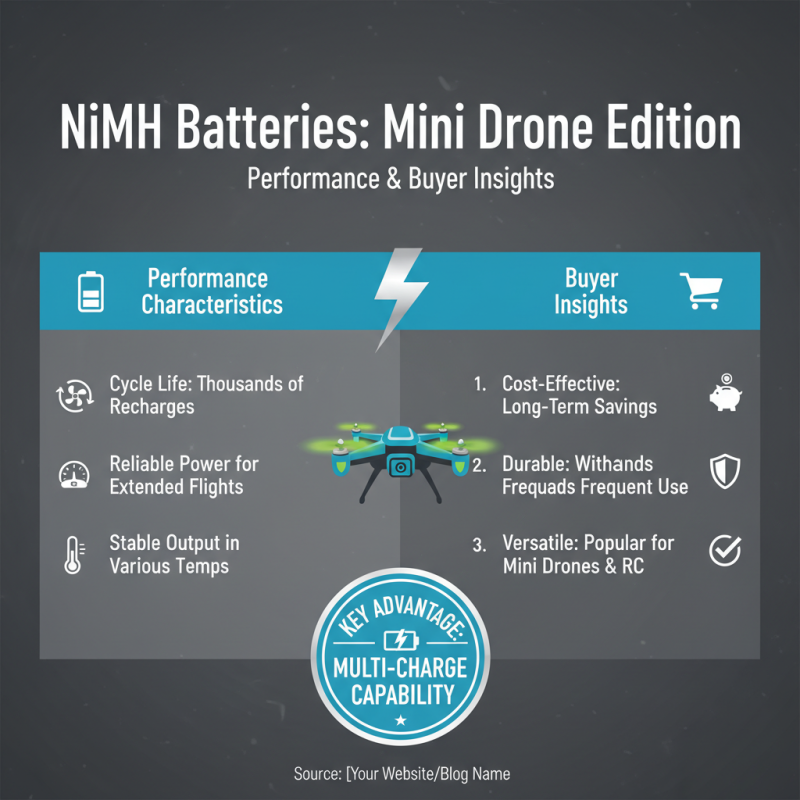
NiMH batteries are popular among mini drone users. They offer various performance characteristics appealing to different types of buyers. One of their main advantages is the ability to handle multiple charge cycles effectively. This feature is essential for drone enthusiasts who require batteries lasting through extended flights.
When purchasing NiMH batteries, consider the capacity. Higher capacity means longer flight times, but also increased charging time. Many users overlook this important balance. Understanding how these factors work together can enhance your flying experience. For example, a Drone Battery 3.7 V 800mah is a great choice for balanced performance.
Tips for maintaining your NiMH batteries include avoiding deep discharges. This practice prolongs battery life and performance. Store the batteries in a cool, dry place. Proper storage can prevent issues like swelling and reduced efficiency. Regularly monitor the health of your batteries, as this too can reflect their performance. The investment in proper care pays off in each flight.
Li-ion Batteries: Efficiency, Safety, and Compatibility in Mini Drones
Li-ion batteries are the most widely used power source in mini drones today. Their efficiency sets them apart. A Li-ion battery can provide a longer flight time compared to other battery types. This efficiency makes them the preferred choice for both amateurs and professionals. Yet, not all mini drones can fully utilize their benefits without careful selection and compatibility checks.
Safety is another critical aspect of Li-ion batteries. They are designed to prevent issues like overheating and overcharging. This safety feature is essential for drone operation, where airworthiness is paramount. Many mini drone users have learned the hard way about battery failures. Recognizing the need for proper battery maintenance can prevent these issues.
Compatibility cannot be overlooked. Not every mini drone is optimized for Li-ion batteries. Some models may require different specifications. Users often find themselves frustrated when purchasing batteries that do not fit their drone’s needs. Understanding your drone's requirements is crucial. Fast-charging drone batteries with Li-ion technology can enhance efficiency, but they must match the drone's design. The careful pairing of battery and drone can lead to better performance and a more enjoyable flying experience.
Factors Influencing Battery Life: Capacity and Discharge Rates Explained
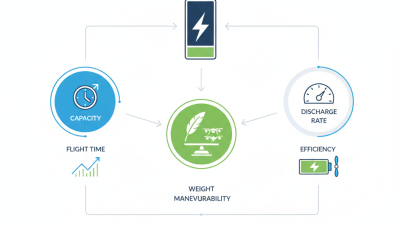
When selecting mini drone batteries, capacity and discharge rates are critical factors. Battery capacity, measured in milliampere-hours (mAh), reflects how much energy the battery can store. For instance, a battery rated at 1000mAh can theoretically power a drone for a specific duration depending on the load. However, higher capacity batteries often come with added weight. This compromises flight efficiency and maneuverability.
Discharge rates, represented as C-ratings, indicate how quickly a battery can deliver energy. A higher C-rating allows for increased power in demanding scenarios. A battery with a 20C rating can supply twenty times its capacity momentarily. Various studies suggest that optimal performance requires balancing both capacity and discharge rates. A survey by the Drone Industry Association indicated that the average mini drone flight time ranges from 5 to 30 minutes, illustrating the importance of these specifications.
Buyers should also consider the environment when assessing battery life. Temperature fluctuations can impact performance significantly. Cold temperatures may reduce capacity, while extreme heat can lead to faster discharge rates. Industry reports emphasize the need for careful selection based on drone use and environmental conditions. Ultimately, understanding these factors can lead to better choices and improved flight experience.
Charging Times and Maintenance: Best Practices for Mini Drone Batteries
When it comes to mini drone batteries, proper charging and maintenance are crucial for optimal performance. Lithium polymer (LiPo) batteries are prevalent, known for their high energy density. According to industry reports, LiPo batteries offer an energy density of up to 250 Wh/kg. This means they can power your drone effectively, but they require careful handling.
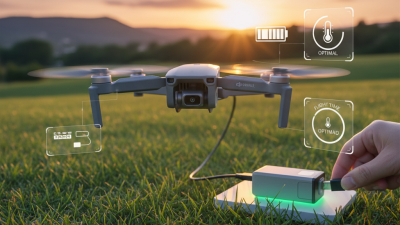
Charging times vary based on battery capacity and charger type. A typical mini drone battery with a 1300mAh capacity may charge in about one hour using a standard charger. However, using a rapid charger can reduce this time significantly. It's advisable to monitor charging closely, as overcharging leads to reduced lifespan. Keeping batteries at a storage voltage of around 3.7 volts is a best practice for longevity.
Battery maintenance is equally essential. Maintaining a clean contact point prevents energy loss during flights. It’s recommended to cycle your batteries regularly, ensuring they are not left discharged for extended periods. Research shows that batteries used weekly can last 300 cycles, while those stored improperly might fail after only 100 cycles. Understanding these practices helps users maximize the longevity and efficiency of their mini drone batteries.
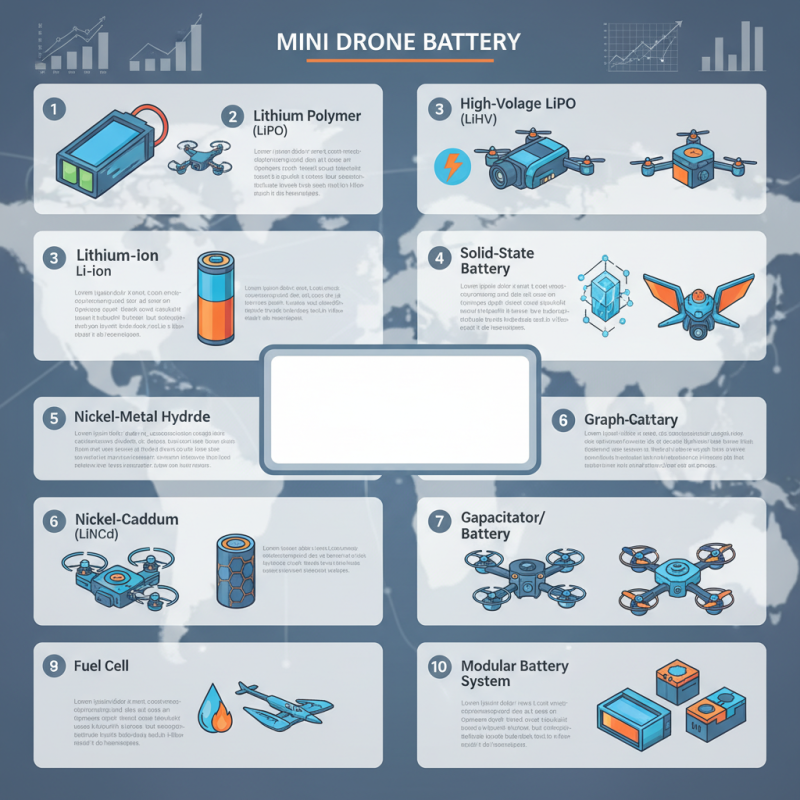
Top 10 Mini Drone Battery Types
International Regulations: Understanding Battery Shipping and Usage Standards
When discussing mini drones, understanding battery shipping regulations is crucial. Various regions have specific guidelines. For example, lithium batteries often face stringent rules. Airports may restrict their transport due to fire risks. Buyers must know these rules before purchasing batteries internationally.
Battery capacity is another important factor. Each country has its limits on watt-hours for air transport. Exceeding these limits can lead to confiscation. Shipping requirements can vary widely from one region to another. Packaging standards must be followed closely to ensure safety.
Finally, consider the potential for product returns. Damaged batteries typically cannot be shipped back easily. This process can create challenges for buyers. Being aware of these regulations creates a smoother purchasing experience. Knowledge empowers international buyers.
Top 10 Mini Drone Battery Types for International Buyers
| Battery Type | Chemistry | Typical Voltage (V) | Capacity (mAh) | Common Applications | International Shipping Regulations |
| LiPo | Lithium Polymer | 3.7 | 500-3000 | Racing Drones, Aerial Photography | Classified as Dangerous Goods, must adhere to IATA regulations. |
| Li-ion | Lithium Ion | 3.6-3.7 | 1500-20000 | General Consumer Drones | Subject to IATA regulations for air transport. |
| NiMH | Nickel-Metal Hydride | 1.2 | 500-3000 | Entry-Level Drones, Toy Drones | Generally safe and easy to ship, not classified as dangerous. |
| LiFePO4 | Lithium Iron Phosphate | 3.2 | 1000-5000 | High-Performance Drones | Regulated but considered safer than LiPo. |
| Lead Acid | Lead Acid | 12 | 5000-20000 | Large Drones, Commercial Use | Generally not subject to stringent regulations. |
| Alkaline | Alkaline | 1.5 | 1000-2000 | Camera Drones, Lightweight Drones | Not classified as hazardous; easy to ship. |
| NiCd | Nickel-Cadmium | 1.2 | 500-1000 | Older Drone Models, Toy Drones | Considered hazardous waste; check specific regulations. |
| Solid State | Solid State | 2.5-5 | 2000-5000 | Future Tech Drones | Not widely regulated yet; monitor developments. |
| Supercapacitor | Supercapacitor | 2.7-3.0 | 1000-5000 | Rapid Charge Drones | Low regulation risk; suitable for fast shipping. |
FAQS
: LiPo batteries have high energy capacity and are lightweight. They charge quickly, resulting in less downtime.
They can swell or catch fire if misused. Monitoring their condition closely is essential for safety.
Store them in a cool, dry place and away from flammable materials. This helps prevent potential hazards.
Always use the correct charger. Check voltage before flights. Replace damaged batteries immediately to ensure safety.
They are efficient, offering longer flight times. This efficiency is ideal for both hobbyists and professionals.
Li-ion batteries are designed to prevent overheating and overcharging. This is crucial for safe drone operation.
Many drones do not fully utilize Li-ion benefits without correct specifications. Users may face frustration if batteries don't fit.
Properly pairing the battery with the drone’s design leads to better efficiency. This results in a more enjoyable flying experience.
Users should know their drone’s requirements. This will help avoid purchasing incompatible batteries.
Ignoring maintenance can lead to battery failures. These issues can ultimately affect flight performance and safety.
Conclusion
The article "Top 10 Mini Drone Battery Types for International Buyers" explores various types of mini drone batteries, providing an in-depth look at common options such as LiPo, NiMH, and Li-ion batteries. Each battery type is examined for its advantages and disadvantages, typical uses, performance characteristics, and safety considerations. The piece also highlights factors influencing battery life, including capacity and discharge rates, alongside best practices for charging and maintenance to optimize battery performance.
Additionally, the article addresses important international regulations regarding the shipping and usage standards of mini drone batteries, ensuring that buyers are informed of compliance requirements. This comprehensive overview assists potential buyers in making knowledgeable decisions while navigating the diverse landscape of mini drone batteries for their specific needs.