Navigating the fast-paced world of the Lipo Battery industry isn't always a breeze, especially when it comes to finding reliable suppliers. For global buyers, trusting the right partner can make all the difference. As John Smith, a well-known expert in battery tech, once put it, "Quality in Lipo batteries hinges on understanding the market and keeping up with what it needs." That really highlights why it’s so crucial to work with suppliers who not only deliver high-quality stuff but also stay in tune with worldwide trends.
China, for its part, has become a major hub for making Lipo Batteries. With tons of suppliers offering a wide range of products, it can be super tricky to tell which ones are actually dependable. Companies like Shenzhen Genvict Technology and Reline Tech have really caught people's attention because they’re all about innovation and top-notch quality. But honestly, with so many options out there, it's easy to get overwhelmed. That's why doing proper research — and maybe asking a lot of questions — is more important than ever.
Even though the industry’s booming, not every supplier hits the mark, and some might fall short when it comes to quality control. Knowing this stuff is key if you're trying to make smart purchasing choices. Buyers need to consider things like a company’s reputation, product specs, and the overall market dynamics to avoid surprises and make sure they’re getting the good stuff.

Overview of LiPo Battery Market in China
China is a central hub for the LiPo battery market. The country produces a significant portion of the world’s lithium polymer batteries. Diverse applications drive this demand, from consumer electronics to drones and electric vehicles. Manufacturers in China focus heavily on innovation and efficiency. Their commitment to quality is evident, yet challenges remain.
Supply chain complexities can hinder production timelines. Some manufacturers face difficulties in sourcing high-grade materials. Additionally, fluctuating material costs can affect pricing. Regulation compliance adds another layer of challenges for suppliers. Buyers must navigate these complexities knowingly.
Despite these issues, the market continues to grow. The focus on sustainability is reshaping production methods. Many suppliers are exploring greener alternatives for materials and processes. There is a noticeable increase in research investment, indicating a positive trend for the future. However, consistency in quality assurance is key. The competitive landscape demands constant improvement and adaptation.
Key Characteristics of High-Quality LiPo Batteries
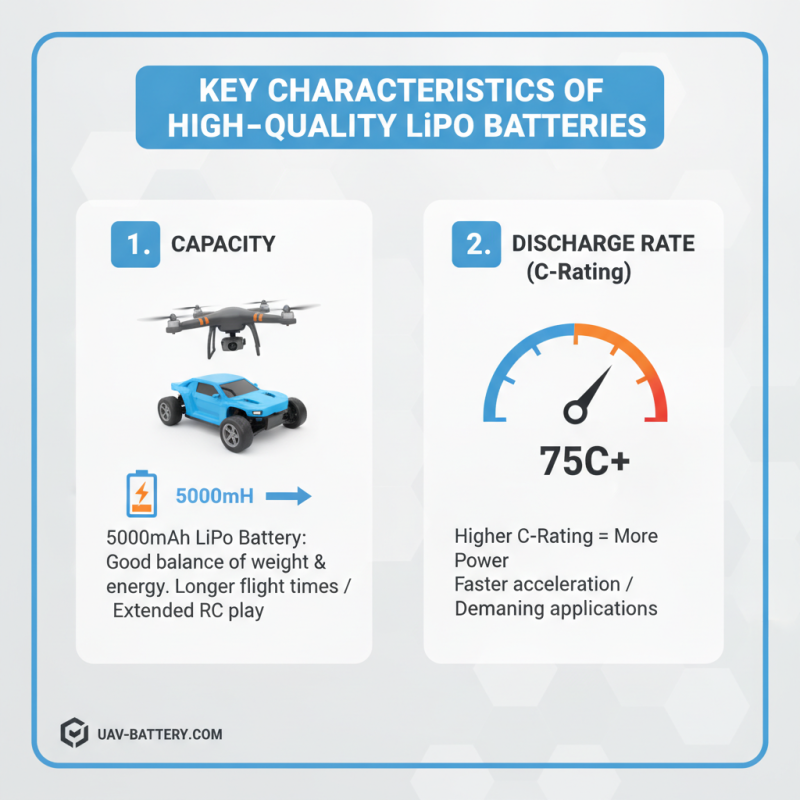
When choosing high-quality LiPo batteries, several key characteristics come into play. First, consider the battery's capacity. A 5000mah Lipo Battery typically offers a good balance between weight and energy output. This capacity can support longer flight times for drones or extended play for RC vehicles.
Another essential aspect is the discharge rate. A high C-rating indicates that the battery can deliver more power quickly without overheating. This feature is crucial for performance, especially in competitive scenarios. The construction quality also matters. Batteries Should have robust casings that can withstand impacts. Look for features like thermal protection, which prevents overheating during use.
Compatibility and safety are significant too. Batteries should align well with your devices and include safety mechanisms against overcharging. Many suppliers might not meet these criteria. It's critical to research and assess suppliers to find those who guarantee quality. Overall, investing in quality means better performance and increased lifespan for your electronics.
Leading LiPo Battery Manufacturers in China
China has emerged as a major hub for LiPo battery manufacturing. The country boasts a diverse range of suppliers. They cater to various industries, including drones, electric vehicles, and consumer electronics. Many of these manufacturers have advanced facilities, ensuring high-quality production standards.
What sets top LiPo battery manufacturers apart is their expertise in innovative technologies. They invest in research and development to enhance battery performance and safety. Some manufacturers focus on custom solutions tailored to client specifications. However, not all suppliers maintain consistent quality. Buyers must conduct thorough research, including checking certifications and production capabilities.
Additionally, logistics can present challenges. Lead times may vary significantly based on order size and complexity. Potential buyers should consider these factors when selecting suppliers. Establishing strong communication channels is crucial. Many manufacturers are open to discussion, but navigating different business practices can be complicated. Buyers should remain cautious and flexible during negotiations.
Criteria for Selecting Reliable Suppliers
When selecting reliable lipo battery suppliers in China, a few criteria stand out. First, ensure suppliers have clear certifications. This indicates compliance with safety standards. Certificates like ISO or CE enhance credibility.
Next, assess their manufacturing capabilities. A well-equipped factory often results in better quality products. Visiting the facility can reveal production processes and quality control measures. Look for suppliers with experience in producing lipo batteries. Longevity often correlates with reliability.
Finally, pay attention to customer reviews and feedback. This step provides insight into other buyers’ experiences. Transparent communication and reasonable pricing are essential. Suppliers should be open to addressing inquiries and concerns promptly. These factors can highlight the supplier's dedication to service and product quality.
Top Lipo Battery Suppliers in China for Global Buyers
This bar chart illustrates the quality ratings of various lipo battery suppliers in China based on customer feedback. The ratings are on a scale of 1 to 10, highlighting the reliability of these suppliers for global buyers.
Comparative Analysis of Top Suppliers’ Offerings
When examining the landscape of Lipo battery suppliers in China, several factors highlight key differences. Most suppliers offer a range of Large Lipo Battery options that cater to various industry needs. Recent reports suggest that global demand for Lipo batteries has surged by nearly 20% annually, driven by advancements in consumer electronics and electric vehicles. This growth will push suppliers to maintain high standards in both manufacturing and safety protocols.
A comparative analysis reveals stark contrasts in battery specifications. Some suppliers focus on high-capacity solutions, while others emphasize weight optimization. Research indicates that weight efficiency can improve device performance by up to 30%. Moreover, battery lifespan varies significantly across suppliers; some provide Lipo batteries with cycle counts exceeding 500, while others offer shorter longevity, raising concerns about reliability.
In recent years, suppliers with robust certifications, such as ISO and UL, have gained prominence. However, not all suppliers disclose comprehensive product information, which can be frustrating for buyers. An informed choice requires analyzing not just price, but also performance metrics and warranty terms. Lipo batteries are critical components, and understanding their specifications will be essential for future technological advancements.
Challenges Faced by Global Buyers in Sourcing LiPo Batteries
Sourcing LiPo batteries can be a daunting task for global buyers. The market is complex and often lacks transparency. Buyers frequently encounter difficulties in understanding specifications and quality standards. Mismatches in expectations can lead to significant issues during product delivery.
Quality assurance is a major challenge for buyers. Conducting thorough inspections before shipment can be costly and time-consuming. Many suppliers may not provide accurate information about their batteries. This can result in receiving subpar products, which can affect performance and safety. For example, a 10000mah Lipo Battery might be marketed as high-capacity, but could actually have lower performance than advertised.
Communication barriers compound these issues. Language differences can lead to misunderstandings. Buyers may not fully grasp technical jargon used in specifications. Even simple queries about unit capacities can become complicated. This lack of clarity can create frustration and delays in the procurement process. Buyers need reliable partners who understand these challenges and can provide clear, comprehensive information.
Future Trends in LiPo Battery Supply in China
The lithium polymer (LiPo) battery market in China is evolving rapidly. Global demand is increasing as industries seek more efficient power solutions. This trend has created competitive suppliers focusing on innovation and quality. Many manufacturers are now enhancing production capabilities. They aim to meet the varied requirements of customers worldwide.
Tips: When selecting a supplier, consider their experience in the industry. A reputable supplier should show a clear dedication to quality control. High Voltage Lipo Battery options are becoming increasingly popular for applications needing extra power.
Sustainability is another key aspect driving the future trends. Chinese suppliers are investing in eco-friendly production methods. Consumers are more inclined to choose brands committed to environmental protection. Their focus is on reducing waste and improving lifecycle management.
Tips: Always inquire about a supplier’s sustainability practices. It is crucial for long-term partnerships. Also, be aware that not all suppliers will offer the same quality. This disparity can affect your final product's performance.
Maximizing Drone Performance: Insights from Industry Reports on High-Capacity Batteries like JENTC LI-HV 12s 22000mAh
In the rapidly evolving world of drone technology, maximizing performance is essential for enthusiasts and professionals alike. A key factor influencing drone efficiency is the battery capacity, with high-capacity batteries setting the stage for longer flight times and enhanced functionality. The introduction of advanced semi-solid state lithium batteries, such as state-of-the-art high-capacity options, provides a transformative upgrade that can significantly boost drone performance.
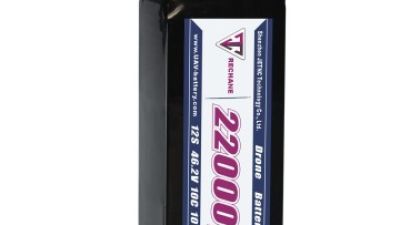
One standout example in the market is a high-capacity lithium battery pack that offers an impressive rated capacity of 22000mAh and a powerful voltage output of 44.4V. This innovative solution is designed specifically for a diverse array of consumer electronics, particularly drones. By integrating such a battery, users can expect not only exceptional durability but also reliability in performance. Adhering to strict international standards like RoHS, CE, and FCC, this battery is engineered to meet the demands of modern technology while ensuring safety and effectiveness in operation.
Moreover, the commitment to quality is bolstered by a warranty ranging from three months to one year, reflecting confidence in the product's reliability. Opting for such high-capacity battery solutions allows drone operators to explore new horizons in flight duration and operational capabilities, empowering them to push the boundaries of aerial innovation.
FAQS
: Look for certifications like ISO or CE to ensure compliance with safety standards.
Visiting the factory can provide insight into production processes and quality control measures.
Suppliers with more experience may offer better reliability and product quality.
Reviews provide insights into others' experiences and the supplier's dedication to service.
Analyze performance metrics and warranty terms in addition to pricing.
Weight efficiency can improve device performance by up to 30%.
Lifespan varies across suppliers and can raise concerns about reliability.
Suppliers should address inquiries promptly, showing their commitment to customer service.
Not all suppliers are transparent, creating challenges for informed decision-making.
The demand has surged nearly 20% annually due to advancements in consumer electronics.
Conclusion
The LiPo battery market in China has experienced significant growth, driven by advancements in technology and increased demand across various applications. High-quality LiPo batteries exhibit essential characteristics such as lightweight design, high energy density, and improved safety features, making them ideal for consumers and industries alike. When selecting reliable suppliers, buyers should consider factors like manufacturing capabilities, product certifications, and customer service.
Global buyers often face challenges in sourcing LiPo batteries, including supply chain disruptions and varying quality standards. A comparative analysis of leading suppliers can aid in identifying the best options, while staying informed about future trends in the LiPo battery supply landscape in China will be crucial for making strategic purchasing decisions. As the market evolves, understanding these dynamics will help buyers navigate the complexities of international sourcing effectively.