Inquiry
Form loading...
0%

In the fast-changing world of drone tech, longer flight times are a big deal for both hobbyists and pros alike. As we check out the Top 5 Drone Battery Upgrades for Extended Flight Time in 2023, it's pretty clear that the latest battery innovations are really making a difference in how drones perform and stay reliable.
Top 5 Drone Battery Upgrades for Extended Flight Time in 2023

Shenzhen Jentc Technology Co., Ltd. has been leading the charge in this area since 2011, offering high-quality lithium batteries that boost drone performance. Their range includes everything from powerful 4.4V high-voltage batteries to quick-charging lithium options—perfect for folks who want longer flights and faster recharge times. By digging into these latest upgrades, we hope to give drone enthusiasts the know-how they need to get the most out of their flying adventures, all while trusting the cutting-edge tech from industry leaders like Jentc.

Selecting the Right Battery Type for Your Drone

When you're trying to pick the right battery for your drone, it really helps to understand the different tech options out there. Back in 2023, lithium-polymer (LiPo) batteries are still leading the pack—they’re lightweight and pack a punch in terms of energy. I read a report recently from Drone Industry Insights, and they mentioned that LiPo batteries can give you around 150 watt-hours per kilogram. That’s pretty awesome because it means you can usually get about 20 to 30 minutes of flight time, depending on your drone’s size and what you're carrying along.

But hey, tech doesn’t stand still, right? There are some exciting new developments like lithium-sulfur (Li-S) batteries. Some recent studies suggest these could potentially double the energy density compared to the old-school LiPos, which could mean even longer flights in future drones. So, whether you’re just messing around or actually working professionally, it’s worth keeping an eye on these updates if you're thinking about upgrading youR Battery.

**A couple of quick tips:**
1. Always double-check your drone's voltage requirements and make sure the new battery is compatible—nothing worse than frying your bird by accident.
2. Investing in a smart charger with balance charging features is a good move; it can really help extend the life of your LiPos.
3. Keep an eye on discharge rates, and avoid letting your battery drain all the way down—it’s better for its longevity and keeps your drone flying smoothly.

Just a heads up—taking these little precautions can make a big difference in your flying experience!

Top 5 Drone Battery Upgrades for Extended Flight Time in 2023

Battery Type Voltage (V) Capacity (mAh) Weight (g) Estimated Flight Time (min) Compatibility
LiPo 3S 11.1 5200 450 15 Multi-Rotor Drones
LiPo 4S 14.8 6000 600 20 Racing Drones
Li-ion 14.8 10000 900 30 Commercial Drones
LiPo 6S 22.2 8000 720 25 Heavy Lift Drones
High Capacity Li-Po 14.8 15000 1200 45 FPV Drones

Maximizing Battery Capacity for Longer Flight Times

If you're looking to get more flying time out of your drone in 2023, focusing on the latest battery tech and smart usage tips is where it’s at. So, here’s the scoop: lithium-polymer (LiPo) batteries are still reigning supreme because they pack a punch with high energy density, are pretty lightweight, and discharge efficiently. Some recent studies, like one from Drone Industry Insights, show that advances in battery chemistry have boosted energy density by up to 30%. That basically means drones can now stay in the sky for over 30 minutes on just one charge—pretty impressive, right?

A quick tip: go for batteries with more cells, like 4S or even 6S configurations. These packs give you more power without adding too much weight, which helps your drone perform better overall. Oh, and try to keep your flying style chill—avoid aggressive maneuvers and keep a steady altitude whenever possible. It’s a simple trick that can really help stretch out your battery life.

Don’t forget about maintenance, either. Regularly clean your batteries and do routine checks to prevent capacity loss over time. If you’re serious about getting the most out of your batteries, investing in a smart battery management system can be a game changer. It provides real-time info on your battery health and even alerts you when it’s time to charge or take a break. Follow these tips, and not only will you get longer flights, but your batteries will thank you with a longer lifespan, too.

Top 5 Drone Battery Upgrades for Extended Flight Time in 2023

Upgrading to High-Performance Lithium Polymer Batteries

If you're into flying drones, upgrading to high-performance lithium polymer batteries can really be a game-changer. These batteries pack a lot more energy compared to older types, which means your drone can stay in the air longer and handle tougher conditions better. As the drone world keeps evolving, staying on top of battery tech is super important. Things like improved silicon-anode designs are showing some pretty exciting results—they help boost capacity retention and overall performance, making them great options for a battery upgrade.

When you're thinking about swapping out your drone’s battery, there are a few things to keep in mind. First off, double-check that the new battery is compatible with your specific drone model—nothing worse than the thing not fitting or working right. Also, don’t forget about the weight. While a battery with more energy can give you longer flights, it might also make your drone a bit more sluggish or harder to control. And, of course, keep an eye on the latest trends and tech in batteries. New materials and designs are popping up all the time, offering even more power and efficiency for your flying adventures.

Top 5 Drone Battery Upgrades for Extended Flight Time in 2023

This chart illustrates the expected flight time improvements when upgrading to high-performance lithium polymer batteries for popular drone models.

Best Practices for Battery Maintenance and Longevity

If you really want to squeeze the most flight time out of your drone, taking good care of the batteries is a pretty big deal. I read somewhere—thanks to Drone Industry Insights—that drones can actually lose up to 30% of their flying time if you're not careful with battery maintenance. So, to make sure you're getting your money’s worth, here are a few tips that might help.

First off, it’s a good idea to keep an eye on your battery’s health by checking voltage levels regularly. Avoid letting the battery drain too deep—that’s usually bad news. Since most drones use lithium-polymer batteries, try to keep the voltage between about 3.7V and 4.2V per cell. Oh, and storing your batteries around 3.85V is actually better for their lifespan—you don’t want to overcharge or let them swell, which can damage them.

A couple of quick tips: always store your batteries at room temperature and steer clear of extreme heat or cold, and it’s worth investing in a good charger made specifically for your battery type. That way, the charge stays balanced and your battery lasts longer. Also, keeping the connectors clean and free of any dirt or debris makes a difference—trust me, little things like that can really help keep things running smoothly.

Utilizing Battery Management Systems for Optimal Usage

Battery Management Systems, or BMS for short, are pretty much the unsung heroes when it comes to keeping your drone running smoothly and extending how long it can stay in the air. Essentially, they keep an eye on the battery’s health, voltage, and temperature — kind of like a vigilant guardian — making sure everything stays within safe limits. They can stop the battery from overcharging or getting drained too deep, which is actually really bad for its long-term health. Because of that, a good BMS not only helps your battery last longer but also means you can squeeze out more flying time without constantly stressing over it dying mid-flight.

On top of that, modern BMS tech lets you see real-time data on how much power your drone is using. This info is super useful because it helps pilots figure out the best way to plan their flights. For example, knowing how certain tricks or maneuvers drain the battery can help you extend your flying session. As drone tech keeps getting better, having a solid battery management system will become even more important — especially if you're keen on getting the most out of your drone in 2023.

Exploring Aftermarket Batteries for Popular Drone Models

Hey, if you’ve been into drones in 2023, you probably noticed that a lot of us are ditching the stock batteries and going for aftermarket ones instead. Honestly, upgrading your battery can make a pretty big difference—some of these third-party options pack a higher capacity, which means longer flights and better performance than what you’d normally get out of the box. Big brands like DJI and Parrot aren’t ignoring this trend, either. They’ve sparked a whole wave of smaller companies developing batteries tailored to boost your flight time and extend battery life.

Top 5 Drone Battery Upgrades for Extended Flight Time in 2023

Take the DJI Mavic series, for example—there are now a ton of aftermarket batteries that aren’t just about going longer in the air; they’re also compatible with the systems you’re already using to charge. And Autel Robotics? They’ve got options that can double your flying time, making life way easier whether you’re just out for fun or trying to shoot some epic aerial footage. Plus, it’s not just about staying up in the air longer; these upgrades really amp up your overall experience, letting you be more creative and flexible with your shots.

So, as the drone world keeps changing and growing, these aftermarket batteries are fading into the spotlight—they’re becoming a big part of how we all interact with our drones and get the best out of them.

Maximizing UAV Performance: The Impact of JENTC Lipo Battery 6S 8000mAh on Flight Efficiency and Payload Capacity

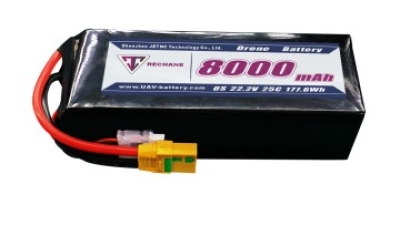
The performance of unmanned aerial vehicles (UAVs) is profoundly influenced by their power source, and the JENTC FPV 6s 8000mAh 25C lithium polymer battery demonstrates this impact vividly. This battery, optimized specifically for UAV applications, offers a stable 22.2V output, which significantly enhances flight efficiency and payload capacity. According to industry reports, high-capacity batteries like the JENTC’s can reduce the overall weight of the UAV, allowing operators to maximize their payload without compromising flight time or stability.

A report from the Drone Industry Insights indicated that battery capacity directly correlates with flight duration and operational efficiency. In use cases ranging from aerial photography to surveying, UAVs equipped with higher-capacity batteries experience extended flight times, enabling them to cover larger areas and perform more complex tasks in a single flight. The 8000mAh capacity of the JENTC battery not only meets this demand but also complies with essential safety standards, as evidenced by its RoHS, CE, and FCC certifications.

Additionally, the JENTC battery’s 25C discharge rate ensures that it can handle the power demands of various consumer electronics integrated into UAV systems. This capability is essential for applications such as real-time imaging and data collection, where power fluctuations can lead to erratic performance. By leveraging customizable branding and assembly options, developers can integrate this battery seamlessly into their UAV designs, further enhancing performance and reliability in the sky.

FAQS

: What advancements in battery technology are contributing to longer flight times for drones in 2023?

: Improvements in battery chemistry, particularly with lithium-polymer (LiPo) batteries, have increased energy density by up to 30%, allowing drones to achieve flight times exceeding 30 minutes with a single charge.

How can drone enthusiasts maximize battery capacity for longer flight times?

To maximize battery capacity, users should utilize batteries with higher cell counts such as 4S or 6S cells, optimize flight patterns by avoiding aggressive maneuvers, and maintain a consistent altitude.

What is the importance of regular maintenance for drone batteries?

Regular maintenance, such as keeping the battery clean and performing routine checks, helps prevent degradation and loss of capacity, ultimately extending the battery's lifespan.

How can a smart battery management system help drone users?

A smart battery management system provides real-time data on battery health and alerts users for optimal charging times, helping to enhance battery performance and longevity.

What are aftermarket batteries and why are they popular among drone enthusiasts in 2023?

Aftermarket batteries are third-party battery options that offer higher capacity and improved performance compared to standard batteries, making them increasingly popular for enhancing flight experiences.

Can aftermarket batteries be compatible with existing drone charging systems?

Yes, many aftermarket batteries for popular drone models, such as the DJI Mavic series, promise compatibility with existing charging systems while providing extended airtime.

How do aftermarket batteries impact the overall user experience for drone operators?

Aftermarket batteries extend flight times and enhance flexibility during shooting sessions, allowing for more creativity and improving the quality of aerial footage.

What benefits do upgraded batteries provide for specific drone models?

Upgraded batteries for models like the Autel Robotics line can double flight times, making them attractive for both hobbyists and professional users.

What flight practices can help prolong drone battery life?

To prolong battery life, it’s advisable to optimize flight patterns by avoiding aggressive maneuvers and maintaining a consistent altitude during flights.

Why is the current focus on battery capacity important for drones?

Maximizing battery capacity is vital for extending flight times, allowing for longer flights and improving the overall operational efficiency of drones.

Conclusion

Hey there! If you're into drones in 2023, you probably realize that getting longer flight times is a big deal—whether you're out just having fun or doing work. And honestly, choosing the right batteries is where it all starts. So, exploring different options—like those high-performance lithium polymer batteries—can really make a difference in how long your drone stays up in the air. Also, picking batteries with larger capacity and using smart battery management systems helps squeeze out more flying hours, so you can do longer, more exciting missions.

And don’t forget, taking good care of your drone batteries is a must if you want them to last longer. There are companies like Shenzhen Jentc Technology that offer cool battery tech—fast-charging options, high-voltage batteries, you name it—that can meet various drone needs. And if you’re looking to upgrade, it’s definitely worth checking out aftermarket batteries designed for popular drone models. Using the best tech out there just helps you get the most out of your drone adventures!
Evelyn

Evelyn

Evelyn is a dedicated marketing professional at Shenzhen Jentc Technology Co., Ltd., where she plays a crucial role in promoting the company’s innovative high-performance lithium battery solutions. With an in-depth knowledge of the product portfolio, which includes advanced offerings like 4.4V......
Previous Unlocking the Potential: Advantages of Harnessing Battery Power for Global Supply Chains