Inquiry
Form loading...
0%

You know, the drone industry is changing so fast right now, and it's pretty clear that having reliable, high-performance batteries is more important than ever. As technology keeps improving, folks are really craving longer flight timesand better capabilities from their drones. I came across a report from MarketsandMarkets that says the Drone Battery market might hit around$1.8 billionby 2025—that’s pretty huge! This growth is mainly fueled by more and more industries jumping on the drone bandwagon, like agriculture, delivery services, and security operations. Because of all this, companies have been pushing the envelope with new lithium Battery Tech. One standout isShenzhen Jentc Technology, which has been a trusted name since 2011, offering some pretty innovative solutions.
Top 10 Drone Battery Options for Extended Flight Time and Performance

Dr. Emily Chen, who’s well-respected at the Drone Battery Research Institute, once pointed out, “The efficiency and longevity of Drone Batteries are really what's pushing drone applications to new heights.” That really emphasizes how crucial it is to invest in high-quality lithium batteries, especially those designed by Jentc. Their range includes things like 4.4V high-voltage batteries, rapid-charging lithium options, and batteries for autonomous guided vehicles—pretty much tailored to meet all the different needs of drone users. As we look at the top 10 drone batteries for longer flights and better performance in 2025, it’s clear that these innovations could totally change what modern drones are capable of doing.

Understanding Drone Battery Types for Optimal Performance

When selecting a drone battery, understanding the different types of batteries available is crucial for optimizing performance and extending flight time. Lithium Polymer (LiPo) batteries are the most common choice among drone enthusiasts due to their high energy density and lighter weight compared to other battery types. They provide the power needed for quick bursts of speed and agility, making them ideal for racing and aerial photography. However, they require careful handling and maintenance to ensure safety and longevity.

Another option is Lithium-Ion batteries, which are known for their stability and longer lifespan. While they typically weigh more and have a slightly lower discharge rate than LiPo batteries, they excel in applications where extended flight times are more critical than rapid acceleration. Additionally, exploring newer battery technologies, such as solid-state or lithium-sulfur batteries, can provide further advantages, including improved safety and energy efficiency. Understanding these different battery types not only helps in selecting the right one for specific flying needs but also enhances the overall drone experience by maximizing flight capabilities and minimizing downtime.

Top 10 Drone Battery Options for Extended Flight Time and Performance

Battery Type Capacity (mAh) Voltage (V) Max Discharge Rate (C) Approx. Flight Time (min) Weight (g)
LiPo 5000 11.1 25 20 400
Li-ion 6000 22.2 15 25 500
NiMH 5000 7.2 10 15 600
LiHV 4000 14.8 30 22 380
LFP 3000 12.8 8 30 500
Custom Polymer 7500 22.2 20 40 600
Carbon Fiber 5000 11.1 25 24 450
High-Drain LiPo 8000 22.2 35 27 620
Polymer Gel 4500 14.8 18 30 380
Super Capacitor 6000 16.8 50 15 450

Factors Influencing Drone Battery Life and Efficiency

When it comes to maximizing drone battery life and efficiency, several key factors come into play. First and foremost, battery capacity, typically measured in milliamp hours (mAh), significantly influences both flight time and performance. Higher capacity batteries can store more energy, enabling drones to stay airborne for longer durations. However, it's essential to strike a balance, as heavier batteries can affect the drone's overall weight and maneuverability, possibly leading to reduced flight efficiency.

Another critical factor is the discharge rate of the battery, indicated by the "C" rating. A higher discharge rate allows for more power to be drawn from the battery without harming its lifespan. This is particularly important for drones carrying heavier payloads or performing high-energy maneuvers, as it ensures that enough power is available for optimal performance. Additionally, temperature plays a vital role in battery efficiency. Operating drones in extreme temperatures can lead to reduced battery life and performance; therefore, maintaining an optimal operating environment is crucial for maximizing flight time and reliability.

Top 10 Drone Battery Options for Extended Flight Time and Performance

Top High-Capacity Lithium Polymer Batteries for Drones

The global market for advanced drone batteries, particularly lithium polymer (LiPo) batteries, is experiencing significant growth. According to industry reports, the drone battery systems market is projected to reach $11.64 billion by 2025 and expand to approximately $25.68 billion by 2033, with a remarkable compound annual growth rate (CAGR) of 10.4%. This growth can be attributed to the increasing demand for extended flight times and enhanced performance among commercial and recreational drone users.

Lithium polymer batteries are favored for drones due to their high energy density and lightweight characteristics, which directly contribute to improved flight efficiency. Recent advancements in solid-state battery technology, particularly in polymer-based solutions, have further enhanced safety and energy density, making them highly suitable for drone applications. This innovation comes at a time when drone manufacturers are keen to integrate high-capacity batteries to meet the evolving needs of various industries, including agriculture, logistics, and surveillance.

With the expansion of the low-altitude economy driven by urbanization and technological advancements, the demand for high-capacity LiPo batteries continues to rise, reflecting the critical role of battery technology in the future of drone operations.

Top 10 Drone Battery Options for Extended Flight Time and Performance

Comparing Battery Technologies: LiPo vs. Li-Ion for Drones

When it comes to drones, battery technology plays a pivotal role in determining flight time and overall performance. Two of the most common battery types used in drones are Lithium Polymer (LiPo) and Lithium-Ion (Li-Ion). LiPo batteries are favored for their lightweight design and ability to deliver high discharge rates, making them ideal for racing and high-performance applications. However, they require careful handling due to their sensitivity to overcharging and physical damage. On the other hand, Li-Ion batteries offer longer cycle life and greater energy density, which translates to extended flight times. For drone enthusiasts looking for balance between performance and longevity, understanding the strengths and weaknesses of each battery type is essential.

**Tip:** When selecting a battery for your drone, consider the intended use. If you’re aiming for speed and agility, a high-performance LiPo battery may be the right choice. For recreational flying and longer missions, opting for a robust Li-Ion battery can improve your drone's efficiency and reduce downtime between flights.

At Shenzhen Jentc Technology Co., Ltd., we specialize in high-performance lithium battery solutions tailored for various applications. Our range includes advanced batteries designed to meet the specific demands of drone technology, such as our 4.4V high-voltage batteries that enhance flight time while maintaining safety and reliability. Depending on your drone's needs, selecting the right battery technology can significantly impact your flying experience.

Top 10 Drone Battery Options for Extended Flight Time and Performance

Tips to Extend Drone Battery Life During Flights

When it comes to maximizing drone performance, extending battery life during flights is crucial. As reported by the Drone Industry Insights in their 2023 report, modern drone batteries have an average flight time of 25-35 minutes, depending on the model and usage conditions. To effectively extend this range, pilots can adopt several strategies, such as reducing payload weight and optimizing flight speed. For instance, flying at a consistent speed rather than making abrupt movements can decrease battery drainage, potentially adding several precious minutes to flight time.

Another effective method is to maintain proper battery health through regular charging cycles and storage practices. According to a study conducted by the University of Illinois, lithium-polymer (LiPo) batteries, commonly used in drones, can experience performance degradation if not managed correctly. It is recommended to store batteries at a charge level of around 50% when not in use and to avoid complete discharges, which significantly shortens their lifespan. Additionally, utilizing specialized battery management systems can provide real-time data on battery health, further guiding pilots on safe and efficient flight practices while ensuring extended operation between recharges.

Best Practices for Charging and Maintaining Drone Batteries

When it comes to maximizing the lifespan and performance of drone batteries, proper charging and maintenance practices are crucial. First and foremost, always use the manufacturer-recommended charger, as this ensures that the battery receives the correct voltage and current. Overcharging can lead to heat buildup and damage the battery, so it’s essential to monitor the charging process. Many modern chargers come equipped with features such as auto shut-off and cell balancing which can enhance battery safety and longevity.

In addition to careful charging, regular maintenance of drone batteries can prevent degradation. Store batteries in a cool, dry place to minimize the risk of damage from temperature fluctuations. It’s also advisable to periodically discharge and recharge the batteries, particularly those that are not frequently used, to maintain their health. Furthermore, keeping track of cycle counts and replacing batteries when they show signs of diminished performance will ensure optimal flight experiences. Adopting these best practices will significantly enhance the overall reliability and efficiency of your drone, allowing for longer and more enjoyable flights.

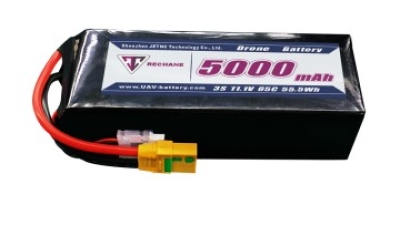
Title: "Elevate Your Drone Experience: The Advantages of JENTC Lipo Battery FPV 3s 5000mAh 65C for UAV Applications

When it comes to enhancing the performance of your unmanned aerial vehicles (UAVs), the JENTC 3s 5000mAh 65C lithium polymer battery stands out as an excellent choice. Designed specifically for drone enthusiasts, this battery delivers a reliable 11.1V output, ensuring that your UAV can operate at peak efficiency during flight. Its semi-solid state structure not only provides increased stability but also guarantees consistent performance under various operating conditions, making it an ideal power solution for both recreational and professional aerial applications.

In addition to its powerful performance, the JENTC battery is compliant with RoHS, CE, and FCC standards, underscoring its safety and reliability. This compliance makes it a great choice for users who prioritize high-quality, certified components in their drones. Furthermore, the battery supports custom assembly and branding, allowing manufacturers to tailor the product to their specific needs and create a unique offering for their customers. Whether you're a hobbyist looking to enhance your drone's capabilities or a manufacturer seeking versatile power solutions, the JENTC FPV 3s 5000mAh 65C battery is designed to elevate your drone experience to new heights.

FAQS

: What factors influence drone battery life and efficiency?

: Key factors include battery capacity, discharge rate, and operating temperature. Higher capacity batteries allow for longer flight times, while a higher discharge rate enables optimal performance, especially with heavier payloads. Maintaining an optimal temperature is essential for maximizing battery efficiency.

What is the significance of battery capacity in drones?

Battery capacity, measured in milliamp hours (mAh), affects both flight time and performance. Higher capacity batteries store more energy, prolonging flight durations, but they can also add weight, potentially reducing overall maneuverability and efficiency.

How does the discharge rate impact drone performance?

The discharge rate, indicated by the "C" rating, determines how much power can be drawn from the battery without damaging it. A higher discharge rate is crucial for drones with heavy payloads or those performing intensive maneuvers to ensure sufficient power is available for optimal operation.

What are the differences between LiPo and Li-Ion batteries for drones?

LiPo batteries are lightweight and provide high discharge rates, making them suitable for racing and performance. Li-Ion batteries have a longer cycle life and greater energy density, offering extended flight times. The choice depends on the drone's intended use.

How can drone pilots extend battery life during flights?

Pilots can extend battery life by reducing payload weight, optimizing flight speed, maintaining proper battery health with regular charging cycles, and storing batteries at about 50% charge when not in use.

What should drone pilots consider when selecting a battery?

Pilots should consider the intended use of the drone. For speed and agility, a high-performance LiPo battery is ideal. For recreational flying and longer missions, a robust Li-Ion battery can enhance efficiency and minimize downtime.

Why is temperature important for drone battery efficiency?

Extreme temperatures can reduce battery life and performance. Maintaining an optimal operating environment is crucial for maximizing flight time and reliability.

What are some recommended storage practices for drone batteries?

It is advisable to store lithium-polymer (LiPo) batteries at a charge level of around 50% when not in use and to avoid complete discharges, as these practices help in prolonging the battery’s life.

How can specialized battery management systems help drone pilots?

Specialized battery management systems provide real-time data on battery health, guiding pilots on safe and efficient flight practices, which can lead to extended operation between recharges.

What average flight time can modern drone batteries achieve?

Modern drone batteries typically have an average flight time of 25-35 minutes, depending on the model and usage conditions.

Conclusion

In the realm of drone technology, selecting the right Drone Battery is crucial for maximizing flight time and performance. Understanding the various types of drone batteries, particularly high-capacity lithium polymer (LiPo) options, can significantly enhance a drone's functionality. Factors such as battery life, efficiency, and the comparison between different battery technologies like LiPo and Li-Ion are essential for users to consider.

Moreover, implementing best practices for charging and maintaining drone batteries will help extend their lifespan. With companies like Shenzhen Jentc Technology Co., Ltd. leading the way in high-performance lithium battery solutions, including innovations like fast-charge and high-voltage options, drone enthusiasts can ensure they have the best technology at their disposal for extended flight experiences.
Oliver

Oliver

Oliver is a dedicated marketing professional at Shenzhen Jentc Technology Co., Ltd., where he has been instrumental in promoting the company’s high-performance lithium battery solutions since its founding in 2011. With a deep understanding of the industry, Oliver specializes in communicating the......
Previous Unlocking the Potential: Advantages of Harnessing Battery Power for Global Supply Chains