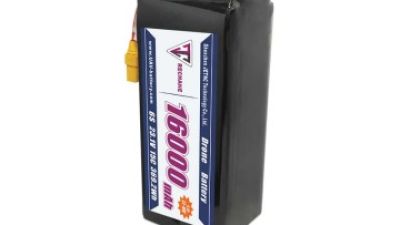
In the fast-changing world of drone tech, you really can't overlook how crucial good-quality Drone Batteries are. Experts like Dr. Emily Carter, who’s pretty much a pro when it comes to drone performance, often say, "The right battery can make or break your flight." Honestly, the kind of power source you pick directly affects how long your drone can stay in the air and how well it performs overall.
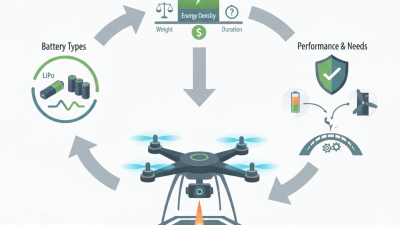
Today’s market is packed with all kinds of drone batteries—so many options that it can get kinda overwhelming. When you're shopping around, things like capacity, weight, and whether the battery works with your drone are super important. Some batteries offer longer flight times, no doubt, but they can also be a bit heavier, which might affect how nimble your drone is. For seasoned pilots, that’s a factor they’re always balancing, and it’s easy to get confused with all the choices.
That said, finding the perfect battery isn’t always straightforward—it’s often a bit of trial and error. Plenty of pilots have run into surprises when their batteries didn’t quite live up to their expectations. It’s totally normal to face these bumps, so I’d say approach these decisions with patience and an open mind. In the end, putting a good quality Drone Battery in your setup doesn’t just boost your flying experience; it also helps you get a better handle on what makes aerial tech tick.
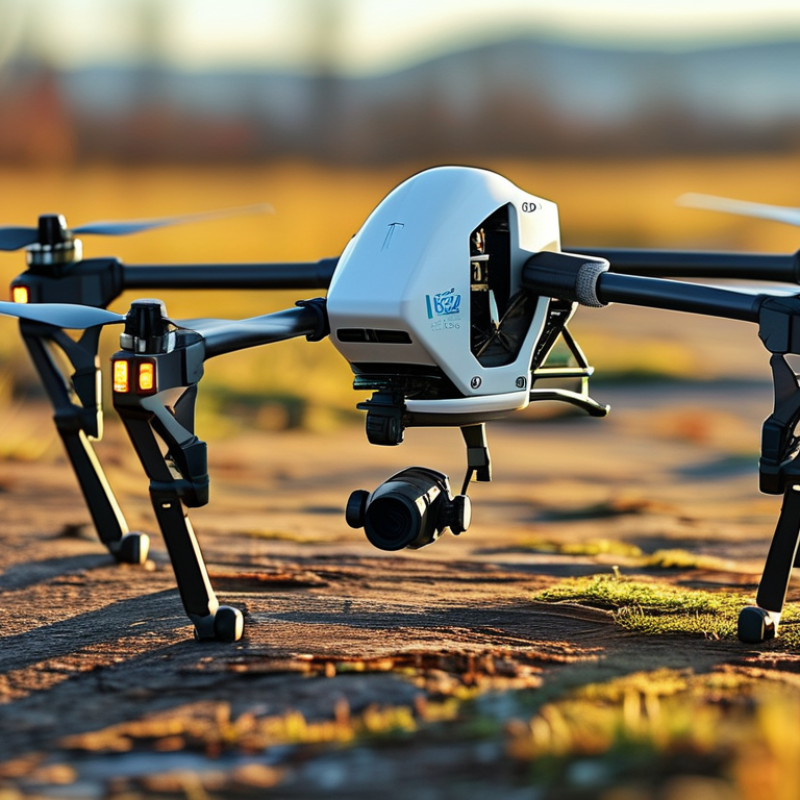
Understanding Drone Battery Types: A Comprehensive Overview
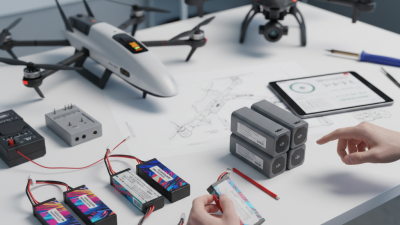
Understanding different drone Battery Types is crucial for optimizing flight time and performance. Lithium polymer (LiPo) batteries are the most common choice for hobbyist drones. They offer high energy density, which translates into longer flights. However, they can be sensitive to charging conditions and require careful handling. Overcharging or discharging them too much can lead to performance issues.
Another type is the lithium-ion battery. These are great for longer-range operations. They provide a stable discharge and charge cycle, which improves overall durability. Still, they often have lower energy density compared to LiPo options.
For those focusing on short-range missions, Short-Range Drone Batteries become essential. They may have fewer cells, which impacts weight but allows for easier transportation.
Understanding your specific needs will greatly influence your battery choice. Each type has unique advantages and disadvantages. There’s no one-size-fits-all solution. Experimentation is often needed to grasp what complements your drone best. Factors like weight, capacity, and intended use should guide your decision-making.
Factors Affecting Drone Battery Performance and Flight Time
When it comes to drone battery performance, several factors play a significant role in determining flight time. The type of battery used greatly impacts efficiency. Lithium polymer batteries are common for their lightweight nature, but they can be volatile. Users often overlook the significance of voltage and capacity ratings. Higher voltage can provide more power, but it also requires compatible components. Aim for a healthy balance between power and weight.
Temperature is another critical factor. Extreme cold or heat can reduce battery efficiency. Many pilots find that their drones perform poorly in harsh weather. Regularly checking battery health ensures optimal performance. Charging practices also matter. Overcharging or using faulty chargers can shorten battery lifespan. Knowledge of charging cycles can prevent damage and enhance longevity. High-Performance Hybrid Drone Batteries often come with smart technology to manage these issues, but knowledge is still vital for upkeep.
Understanding these elements can enhance flight time and overall drone performance. The right battery choice combined with proper care leads to improved efficiency. Many pilots report varying performances based on environment. Adjusting for these factors can be the key to achieving longer flight durations.
Top Features to Consider When Choosing Drone Batteries
When selecting drone batteries, several key features matter greatly. Battery capacity is critical. Measured in milliamp hours (mAh), this determines how long a drone can fly. For optimal performance, a battery should ideally exceed 3000 mAh. A well-balanced weight-to-capacity ratio is also vital, as heavier batteries can affect flight stability.
Consider the battery's discharge rate, indicated by the C-rating. Higher C-ratings allow for better power delivery during demanding tasks. For instance, a battery with a 25C rating can provide 25 times its capacity in amps.
Additionally, battery chemistry plays a major role. Lithium polymer (LiPo) batteries, commonly used in drones, offer good energy density and lightweight advantages. Despite their advantages, LiPo batteries also require careful handling, making user training essential.
Voltage is another factor. The higher the voltage, the better the performance of the drone. However, the complexity increases when dealing with multiple cells in a series. This is especially true for models powered by Ultra Short-Range Drone Batteries, where precision is crucial. Users must keep an eye on indicators like battery voltage and cell balance. This ensures efficient and safe operation, avoiding potential failures during flight.
List of the Top 10 Drone Batteries for Extended Flight Duration
When selecting drone batteries for extended flight duration, several factors come into play. Capacity, voltage, and battery chemistry significantly impact flight times. A higher mAh rating generally results in a longer flight. Lithium Polymer (LiPo) batteries are popular due to their lightweight design and high energy density.
Tips: Always monitor your battery health. Regular checks can prevent unexpected malfunctions mid-flight. Aim to keep your batteries within their recommended charge cycles. Maintaining this can extend their lifespan dramatically.
Among the top choices are batteries designed for specific drone models. Each model may require a different voltage, and it's critical to adhere to these specifications. Using incompatible batteries can lead to performance issues or even crashes.
Tips: Store your batteries correctly. Keep them at a moderate temperature and charge them to about 50% if not in use. This practice helps maintain their integrity and performance levels. Regular maintenance and careful handling can mitigate risks as well.
Comparative Analysis of Battery Capacity and Efficiency in Drones
When evaluating drone batteries, capacity and efficiency are crucial factors. Battery capacity, typically measured in milliamp hours (mAh), determines how long a drone can fly. Higher capacity often leads to longer flight times. However, it’s not just about numbers. Efficiency plays a vital role too. A battery may offer high capacity but perform poorly if not optimized for specific drone models.
Real-world conditions impact battery performance significantly. For example, temperature affects battery efficiency. Cold weather can reduce both capacity and functionality. Similarly, heavy payloads can drain batteries faster. When selecting a drone battery, consider these variables. Manufacturers may not provide detailed information about performance under different conditions, leaving users in the dark.
The choice of battery also influences maintenance and longevity. Some batteries require frequent charging, which can shorten lifespan. Others may take longer to charge, affecting usability. Understanding these nuances is essential for successful drone operations. Being informed about potential drawbacks will lead to better performance and extended flight times. Ultimately, a balance between capacity and efficiency is key for drone enthusiasts and professionals alike.
Maintenance Tips for Enhancing Drone Battery Life and Performance
Maintaining your drone battery is essential for optimizing flight time and overall performance. Regular inspections can reveal wear or damage. Check for swelling or corrosion on connectors, as these issues can affect functionality. Proper storage also plays a key role. Store batteries in a cool, dry place to prevent degradation.
Charging habits significantly impact battery life. Avoid overcharging or discharging batteries completely. Instead, charge them partially to prolong their lifespan. For example, Mid-Range Drone Batteries benefit from charging before they reach 20% capacity. This practice can help maintain a healthier cycle.
Additionally, ensure balanced charging between cells. Imbalanced cells can lead to reduced performance and shorter flight times. Consider using a smart charger that monitors cell health. Regular usage and consistent maintenance contribute to improved performance. However, it’s also important to recognize that all batteries degrade over time. It's vital to reflect on your battery management practices often.
Future Trends in Drone Battery Technology and Innovations
The future of drone battery technology is evolving rapidly. Innovations focus on increasing energy density. This means drones can fly longer, delivering better performance. Researchers are exploring new materials. Solid-state batteries show promise. They could provide safer alternatives with higher capacities.
Another exciting trend is fast charging technology. Quick energy replenishment can reduce downtime significantly. Users want drones that are ready to go in minutes. However, challenges remain regarding heat management. High-speed charging can generate excess heat, potentially damaging batteries.
Additionally, wireless charging is gaining attention. This technology can enable drones to recharge mid-flight using ground stations. But implementing this in real-world scenarios presents obstacles. For instance, ensuring precision in positioning remains crucial. Overall, as advancements continue, the drone industry faces both opportunities and challenges.
Top 10 Drone Batteries for Longer Flight Time and Performance
| Battery Type | Capacity (mAh) | Voltage (V) | Flight Time (minutes) | Weight (g) | Charging Time (hours) |
| LiPo 3S | 5000 | 11.1 | 20 | 450 | 1.5 |
| LiPo 4S | 6000 | 14.8 | 25 | 550 | 2.0 |
| Li-ion | 10000 | 22.2 | 30 | 900 | 2.5 |
| LiPo 6S | 8000 | 22.2 | 35 | 850 | 3.0 |
| LiPo 2S | 3000 | 7.4 | 15 | 250 | 1.0 |
| Li-ion Polymer | 7000 | 11.1 | 28 | 600 | 2.2 |
| High-Discharge LiPo | 5500 | 14.8 | 22 | 480 | 1.7 |
| Multi-Chemistry Battery | 9000 | 12.6 | 40 | 750 | 2.8 |
| Smart Battery | 12000 | 22.2 | 45 | 1100 | 3.5 |
| Ultra-Light LiPo | 4000 | 14.8 | 18 | 350 | 1.2 |
Enhancing Drone Performance: The Benefits of High-Voltage LiPo Batteries for Extended Flight Durations
The advancements in drone technology have paved the way for enhanced flight performance, and high-voltage lithium polymer (LiPo) batteries are at the forefront of this evolution. By operating at an impressive single cell voltage of 4.4V and above, HV LiPo batteries deliver a significant boost in energy density and discharge capabilities. As noted in recent industry reports, this technology can provide an energy release increase of 10%-30% compared to conventional lithium batteries. This enhancement translates directly into longer flight durations, which is crucial for various applications ranging from aerial photography to agricultural surveying.
Furthermore, the structural integrity of high-voltage batteries allows for configurations such as 12S, 14S, and 16S, which maximize energy output without adding unnecessary weight. This feature is essential for improving drone endurance and load capacity, enabling operators to carry heavier payloads or extend their operational range. According to the Drone Industry Insights report, drones equipped with high-voltage batteries can experience a flight time increase of up to 40%, significantly enhancing productivity and efficiency in the field.
The reliability of high-voltage LiPo batteries is upheld through stringent manufacturing standards, ensuring that users can depend on these power sources for their drone operations. As the drone market continues to expand, integrating high-voltage technology becomes imperative for users seeking to push the limits of their aerial capabilities.
FAQS
: Consider capacity, voltage, and battery chemistry. These factors significantly impact flight duration.
LiPo batteries are lightweight and have high energy density. They provide extended flight times for drones.
Regularly monitor battery health. Keep them within recommended charge cycles for optimal lifespan.
Using incompatible batteries can lead to performance issues. It may even cause crashes.
Store batteries at a moderate temperature. Charge them to about 50% to maintain performance.
Solid-state batteries are an innovation showing promise. They offer higher capacities and safer alternatives.
Fast charging reduces downtime. Users prefer drones ready to fly in minutes.
Fast charging can generate excess heat. Managing this heat is crucial to protect battery health.
Wireless charging allows drones to recharge mid-flight. It presents precision positioning challenges.
Trends include increased energy density and new materials. These innovations aim to enhance drone performance.
Conclusion
In the realm of drone technology, understanding the various types of drone batteries is crucial for optimizing flight time and performance. This article offers a comprehensive overview of battery types and highlights the critical factors influencing battery performance, including capacity, weight, and environmental conditions. Furthermore, prospective drone users should consider essential features when selecting batteries, such as discharge rates and compatibility with their drones.
The discussion extends to a curated list of the top 10 drone batteries designed for extended flight durations, accompanied by a comparative analysis of their capacity and efficiency. Finally, maintenance tips are provided to enhance battery life and performance, alongside insights into future trends and innovations in drone battery technology. By focusing on these aspects, drone enthusiasts can make informed decisions to maximize their aerial experiences with drone batteries.