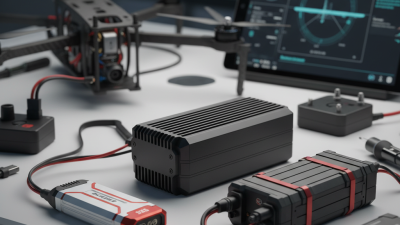
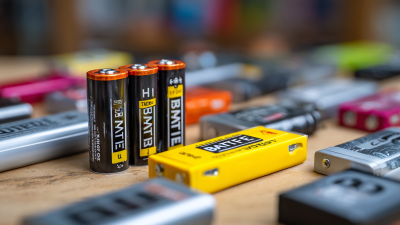
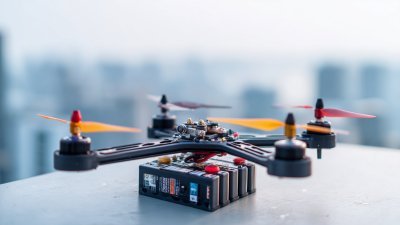
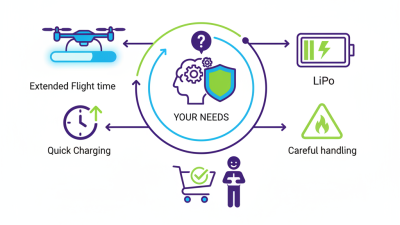
In the fast-moving world of drone tech, picking the right batteries is more important than ever. I mean, battery performance really affects how long you can fly, how smoothly it runs, and just the overall experience you have. Looking ahead to 2026, we're seeing a bunch of brands coming out with some really cool, innovative ways to keep our drones powered up.
Several trusted names like DJI and Yuneec are really pushing the envelope when it comes to making batteries that last longer and perform better. They’re using some pretty advanced materials to boost efficiency, which is great. But, it’s also pretty important to think about stuff like whether the battery is compatible with your drone and how long it takes to charge—small details, but they matter.
Of course, finding the perfect Drone Battery isn’t all smooth sailing. A lot of folks run into issues like batteries overheating or just randomly dropping performance. These kinds of hiccups remind us that doing a bit of homework before buying can save a lot of headaches. So, really pay attention to specs and reviews—that extra effort can make a big difference. While it’s tempting to just chase the latest tech, reliability should be your top priority. Ultimately, taking the time to get the right battery can seriously boost your flying fun and frustration-free experience.

Top Considerations for Selecting Drone Batteries in 2026
When selecting drone batteries in 2026, several crucial factors come into play. Battery Capacity is paramount. It determines how long your drone can fly. A higher capacity often translates to extended flight times. However, larger batteries can increase weight, impacting maneuverability. Understanding this balance is key for users seeking effective performance.
Another vital consideration is battery lifespan. Over time, batteries lose their ability to hold a charge. High-quality batteries typically last longer, but even they require care. Knowing how to store and maintain them can prolong their usability. Users should regularly check for signs of wear and replace batteries as needed.
Compatibility with drone models is essential. Not all batteries fit all drones, and using an incompatible one could damage your device. Short-Range Drone Batteries are specifically designed for certain applications. This allows for more efficient energy use in specific flying conditions. Keeping these aspects in mind can improve your overall drone experience, making your selection process smoother and more effective.
Top 10 Drone Batteries for Global Buyers in 2026
| Battery Type | Capacity (mAh) | Voltage (V) | Charging Time (hrs) | Flight Time (mins) | Weight (grams) |
| LiPo | 5000 | 14.8 | 1.5 | 25 | 400 |
| Li-ion | 6000 | 22.2 | 2.0 | 30 | 500 |
| LiPo HV | 4500 | 16.8 | 1.5 | 28 | 390 |
| LiFePO4 | 7000 | 12.8 | 3.0 | 35 | 600 |
| NiMH | 4500 | 7.2 | 2.5 | 20 | 700 |
| Lead Acid | 10000 | 12 | 5.0 | 40 | 1100 |
| Custom Polymer | 8000 | 22.2 | 2.0 | 50 | 550 |
| Advanced LiPo | 4000 | 14.8 | 1.2 | 26 | 380 |
| Hybrid Battery | 5500 | 18.5 | 1.8 | 36 | 470 |
Leading Brands Dominating the Drone Battery Market in 2026
The drone battery market in 2026 is marked by innovation and customer demands. Companies are enhancing battery efficiency and lifespan. New technologies are improving energy density, allowing drones to fly longer distances. It’s not just about weight anymore; reliability is key.
Leading brands in this sector are adopting advanced materials to enhance performance. They're focusing on safety features as concerns grow over battery mishaps. Equally crucial are the sustainable practices that many brands are now advocating. As global awareness of environmental issues rises, buyers prefer eco-friendly options. However, navigating through the choices can be overwhelming.
The rapid advancements prompt reflections on what’s next. As the market evolves, user feedback has become invaluable. Companies must adapt to shifting preferences and technological barriers. Not every innovation will succeed. Some products may fall short, leading to lessons in consumer expectations. The challenge lies in balancing performance and safety while being environmentally conscious.
Advanced Battery Technologies Shaping the Future of Drones
As we look toward 2026, advanced battery technologies will significantly change the drone landscape. Current lithium-ion batteries have limitations in capacity and weight. Researchers are exploring solid-state batteries, which promise higher energy density and safety. These technologies can enable longer flight times, enhancing drone capabilities for various applications.
Battery management systems are also crucial. They help monitor battery health, ensuring drones operate efficiently. The integration of artificial intelligence in these systems can predict battery lifespan and optimize performance. This could lead to fewer malfunctions and lower maintenance costs for users.
Tip: Always check battery specifications before purchasing. Match the battery type to your drone's requirements for optimal performance.
Some innovations may not be perfect. For example, solid-state batteries are still in the development stage. Their cost may be higher than conventional batteries, impacting affordability for many users.
Tip: Stay informed about emerging battery technologies. Understanding advancements will help you make better purchasing decisions in the long run.
Comparative Analysis of Lithium Polymer vs. Lithium-Ion Batteries
When comparing lithium polymer (LiPo) and lithium-ion (Li-ion) batteries, understanding their characteristics is crucial for drone enthusiasts. LiPo batteries offer higher discharge rates, making them ideal for high-performance applications. They are lighter and can provide more power in a compact design. This attribute attracts many drone users who prioritize speed and responsiveness.
However, LiPo batteries come with risks. They are more sensitive to overcharging and physical damage, which can lead to fires. Users must exercise caution when handling and storing these batteries.
In contrast, lithium-ion batteries are often seen as more reliable. They have a longer lifespan and are less prone to dangerous failures. The trade-off, though, is a heavier build and lower discharge rates.
For those contemplating the future of drone technology, choosing the right battery system is pivotal. With advancements like High-Performance Hybrid Drone Batteries emerging, users can expect a blend of benefits from both battery types. This evolution may redefine how drones operate, emphasizing safety and performance. Yet, as with any technology, users need to stay informed and reflect on their choices, understanding the strengths and weaknesses of each option.
Safety Features and Regulations for Drone Batteries in 2026
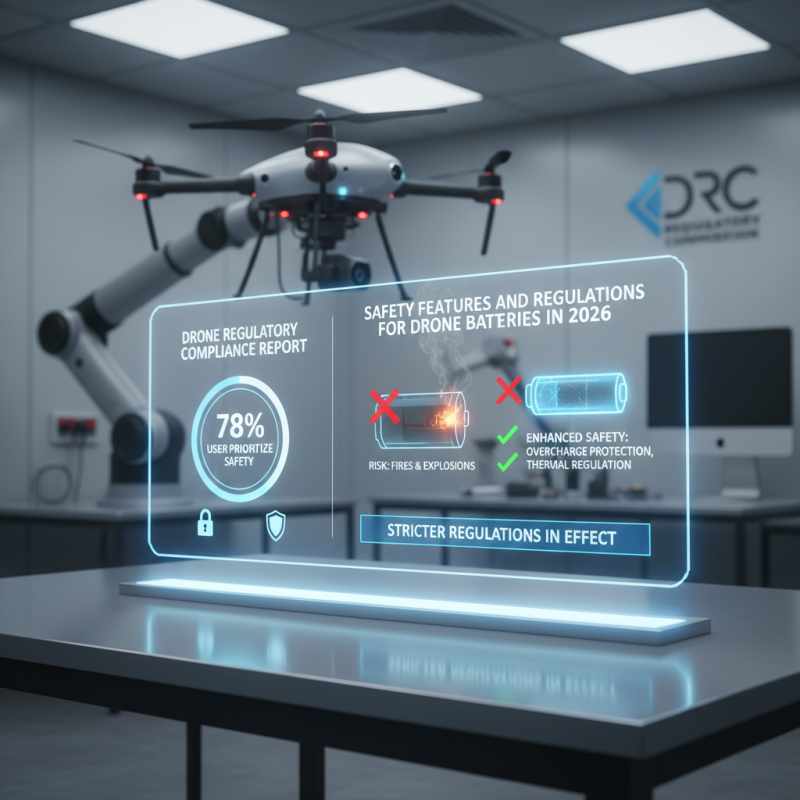
In 2026, safety features for drone batteries are paramount. The rise in drone usage has led to stricter regulations. According to the Drone Regulatory Compliance Report, 78% of users prioritize safety standards when choosing batteries. Enhanced safety features help mitigate risks of fires and explosions, a recurring concern in the industry. Experts recommend batteries with overcharge protection and thermal regulation systems.
The advent of Ultra Short-Range Drone Batteries requires careful consideration as well. These batteries are being designed with lightweight materials to improve efficiency. However, they may lack some safety features found in larger models. Research indicates that 50% of battery-related incidents occur with smaller droned batteries. This poses a significant challenge as the industry strives for innovation while ensuring user safety.
Regulatory bodies are continuously updating guidelines to address these issues. The Global Drone Safety Association outlines that compliance checks will become more frequent. Manufacturers will need to focus on reliability and safety testing protocols. As the market evolves, ongoing education about safety features becomes essential for all users. This ensures that advancements do not outpace safety measures.
Environmental Impact of Drone Battery Production and Disposal
The rise of drone technology has surged, leading to increased demand for batteries. However, the environmental impact of drone battery production and disposal is concerning. A recent report from the International Energy Agency (IEA) highlights that battery production could account for up to 30% of a drone's lifecycle emissions. This figure emphasizes the need for sustainable practices in production.
Moreover, battery disposal poses significant challenges. It's estimated that only 10% of lithium-ion batteries are recycled globally. The remaining batteries often end up in landfills, where they can leach harmful chemicals into the environment. The World Economic Forum notes that improper disposal can lead to soil and water contamination, affecting both ecosystems and human health.
Additionally, the raw materials used in battery manufacturing contribute further to environmental degradation. Mining for lithium, cobalt, and nickel often results in habitat destruction and significant water usage. Community impacts are often overlooked, leading to social unrest in mining regions. Sustainable sourcing is essential to mitigate these effects and ensure responsible battery production for the future.
Top 10 Drone Batteries for Global Buyers in 2026
This bar chart illustrates the projected environmental impact of drone battery production and disposal for the top 10 battery types in 2026. The values represent the carbon footprint (measured in kg CO2 equivalent per unit) associated with each battery type, reflecting production processes and end-of-life disposal methods.
Consumer Trends Influencing Drone Battery Purchases in 2026
In 2026, consumer trends significantly shape drone battery purchases. As the drone industry rapidly evolves, buyers are increasingly focused on efficiency and longevity. A report from Drone Industry Insights shows that consumers are seeking batteries that offer longer flight times. This desire for extended usage is a response to the growing demand for recreational and commercial drone applications.
Mid-Range Drone Batteries are gaining popularity for their balance between performance and price. Consumers appreciate those options that provide around 30-40 minutes of flight time. Many also consider weight and size when choosing a battery. Market data indicates that lightweight batteries are essential for optimal drone performance. They enhance maneuverability and reduce fatigue for the user.
Tips: Look for customer reviews on battery performance. Real-world experiences can guide you toward reliable options. Additionally, focus on batteries that emphasize safety features. Avoiding subpar products can prevent accidents or equipment damage. Reflect on your specific needs before making a purchase. The right battery can significantly enhance your aerial experience, but quality should never be compromised.
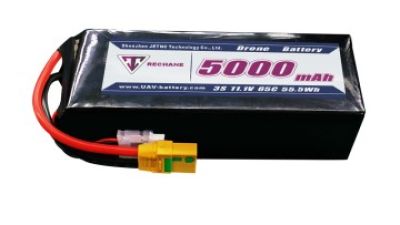
Maximizing Drone Performance with JENTC Lipo 3S 5000mAh 65C Semi-Solid State Battery for UAV Applications
The demand for high-performance batteries in Unmanned Aerial Vehicle (UAV) applications has never been higher, with the market projection for drone batteries expected to reach $1.39 billion by 2025, according to industry analysts. Among the advancements in battery technology, the introduction of semi-solid state batteries marks a significant leap forward. These batteries boast enhanced energy density and safety features, making them an excellent choice for both commercial and recreational drone operators.
One standout option in the market is a 3S 5000mAh 65C lithium polymer battery, specifically engineered for UAV applications. With a reliable output of 11.1V, this battery not only supports robust flight times but also ensures high discharge rates, crucial for demanding aerial maneuvers. The semi-solid state structure provides stability and superior thermal management, reducing the risks associated with traditional liquid electrolyte batteries. As reported in various technological studies, semi-solid state batteries can enhance performance while meeting environmental safety standards, being certified under RoHS, CE, and FCC regulations.
Moreover, this innovative battery solution supports custom assembly and branding, allowing manufacturers to tailor products to specific consumer electronics and UAV requirements. Such adaptability not only boosts market viability but also satisfies the diverse demands of an evolving drone industry. With continuous advancements in battery technology, the evolution of drone capabilities is set to soar to new heights.
FAQS
: Key factors include battery capacity, lifespan, compatibility, and maintenance needs.
Battery capacity affects flight time. Higher capacity can lead to longer flights but may increase weight.
Batteries lose charge capacity over time. Regular checks for wear can help prolong their usability.
No, compatibility is crucial. Using an incompatible battery may damage the drone.
Advanced materials enhance efficiency and reliability, important as safety concerns grow.
They monitor battery health, predict lifespan, and optimize performance, reducing malfunctions.
These are new technologies promising higher energy density and safety for drones.
Not all innovations work as planned. Some may fall short, highlighting consumer expectations.
Eco-friendly options appeal to buyers, reflecting rising global awareness of environmental issues.
Keeping up with advancements helps make better purchasing decisions for drone batteries.
Conclusion
In 2026, the selection of drone batteries is influenced by several key considerations, including capacity, weight, and charging time. Advancements in battery technologies are transforming the drone market, with a focus on enhancing efficiency and performance. A comparative analysis reveals that while lithium polymer batteries offer advantages in weight and flexibility, lithium-ion batteries are celebrated for their longevity and safety features. Moreover, regulatory measures regarding safety are becoming increasingly important, ensuring that drone batteries meet the necessary standards for safe operation.
The environmental impact of drone battery production and disposal is also a pressing concern as consumers become more aware of sustainability issues. This has led to shifts in consumer trends, driving demand for eco-friendly battery options. As the drone market continues to grow, understanding these factors will be crucial for global buyers looking to make informed decisions about their drone batteries in the future.