Hey there! So, in the fast-changing world of drones, having a high-performance battery is more important than ever. Honestly, these batteries are the backbone of longer flights, better performance, and just getting your drone to do what you want smoothly. I mean, Dr. Emma Carter, who's kind of a big deal at the International Drone Research Institute, points out that 'the right battery doesn't just give you more flight time, but also makes the whole drone work more efficiently.' That really sums it up – picking the right Drone Battery matters whether you're just messing around or doing serious work.
Now, with so many options out there, figuring out which batteries are actually good can feel pretty overwhelming. You’ve got to think about stuff like capacity, weight, how fast they discharge, and how long they take to charge. Making an informed choice here can make a huge difference in how well your drone performs and whether your mission goes smoothly. So, as we check out the top 10 Drone Batteries for longer flights, we'll look at what makes them stand out, their pros, and what kinds of drone jobs they’re best suited for. Whether you're just having fun with some extended fly times or you rely on drones for important work, knowing your options can really help you get the best results with your gear.

Overview of Drone Battery Technology and Types
Drone Battery Technology has evolved significantly, impacting both flight time and overall performance. The most common types of batteries used in drones are Lithium Polymer (LiPo) and Lithium-ion (Li-ion). LiPo batteries are favored for their high energy density and lightweight characteristics, making them ideal for racing and aerial photography drones where weight is critical. According to a report from the Drone Industry Insights, LiPo batteries can offer capacities up to 22,000 mAh, allowing drones to achieve flight times exceeding 30 minutes under optimal conditions. In contrast, Li-ion batteries are known for their longevity and stability, which makes them suitable for commercial applications such as surveying and mapping, where extended operational hours are often required.
In recent years, advancements in battery technology have led to the development of high-capacity packs that deliver improved performance. New materials and chemistries are being explored to enhance efficiency and reduce charging times. For instance, reports indicate that solid-state batteries could revolutionize the field by providing higher energy densities and improved safety over traditional lithium-based solutions. As these technologies continue to evolve, the drone industry is poised to benefit from significantly longer flight times and enhanced reliability, making drones more effective for various applications, from delivery services to aerial inspections.
Top 10 Drone Batteries for Extended Flight Time and Performance
Factors Influencing Drone Battery Performance and Flight Time
When it comes to drone battery performance and flight time, several key factors play a crucial role in determining how well a drone operates. The capacity of the battery, measured in milliamp hours (mAh), is often the first aspect to consider. A higher capacity typically translates to longer flight durations, as it can store more energy. However, this must be balanced with the weight of the battery, as heavier batteries can negatively impact overall flight performance and maneuverability.
Another essential factor influencing battery performance is the discharge rate, indicated by the C-rating. This measure determines how quickly energy can be drawn from the battery during intense operations. A higher C-rating allows drones to maintain higher power outputs for activities such as quick accelerations or carrying heavier payloads. Additionally, ambient temperature can significantly affect battery efficiency; colder conditions may lead to reduced battery life and power output.
Tips: To optimize your drone's battery performance, consider flying in moderate temperatures and avoiding extreme conditions. Regularly check for signs of wear on your batteries, such as swelling or discoloration, and always calibrate your drone’s battery settings before flights. Lastly, invest in quality battery storage solutions to maintain optimal charge levels when not in use, as well-maintained batteries perform significantly better and last longer.
Top 10 High-Performance Drone Batteries for Extended Flight
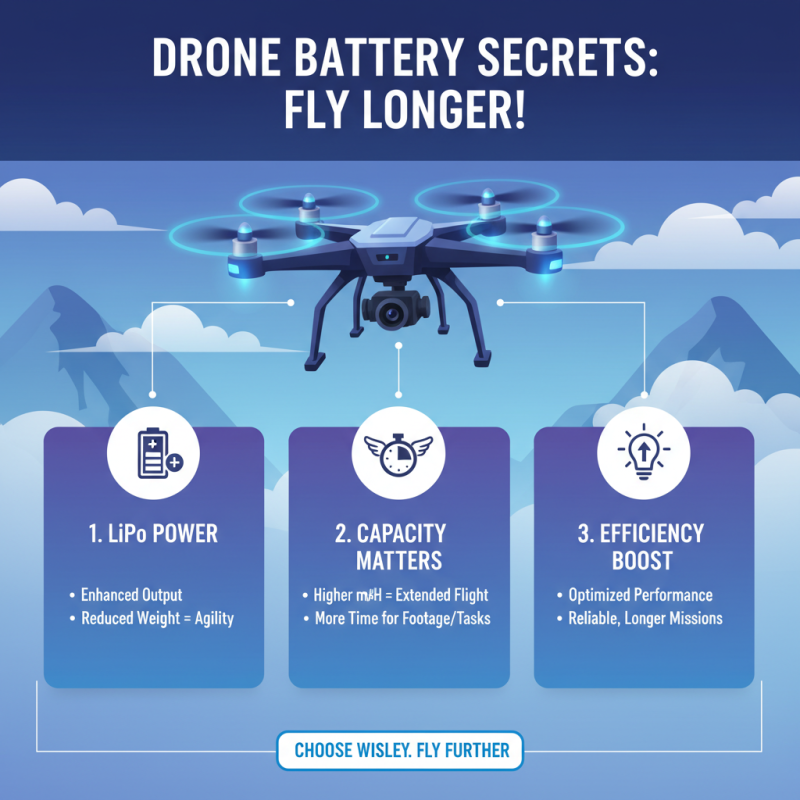
When it comes to drone performance, choosing the right battery is crucial for achieving extended flight times. The ideal high-performance drone battery not only extends the duration of your flight but also enhances the overall efficiency of your drone. A high-quality lithium polymer (LiPo) battery typically delivers improved power output and minimizes weight, allowing for better maneuverability during flights. Additionally, opting for batteries with a higher capacity rating ensures that your drone remains airborne longer, ideal for capturing breathtaking aerial footage or completing complex tasks.
Tips for selecting a drone battery include focusing on its discharge rate, which plays a vital role in powering your drone effectively during demanding maneuvers. Look for batteries with a higher C-rating, as this indicates better performance under load. Furthermore, always consider the weight-to-power ratio; a lighter battery can contribute to extended flight time without sacrificing performance.
Maintaining your drone battery is equally important for optimal performance. Avoid fully discharging the battery during use, as this can lead to a reduced lifespan. Instead, strive to keep your battery within a safe discharge range and utilize a balanced charging technique. Regularly inspecting the battery for any signs of wear can also prevent potential malfunctions during flights, ensuring a smooth and exhilarating flying experience.
Comparative Analysis of Battery Capacities and Flight Times
When selecting drone batteries, understanding their capacities and flight times is crucial for maximizing performance. Battery capacity, measured in milliampere-hours (mAh), directly influences the duration a drone can stay airborne. Higher capacity batteries typically provide longer flight times, but they may also increase the drone's weight, affecting maneuverability and efficiency. Therefore, finding a balance between capacity and weight is essential for optimal flight performance.
In addition to capacity, the overall design and chemistry of the battery play an integral role in its performance. LiPo batteries, for instance, are common in the drone industry due to their high discharge rates and lightweight nature, enabling extended flight times. Additionally, flight time can be affected by factors such as drone size, payload weight, and environmental conditions, which can cause variances in battery performance. Comparing different batteries' capacities against the expected flight times under similar conditions provides a clearer perspective on which options deliver the best performance for specific drone applications.
Maintenance Tips to Maximize Drone Battery Life
When it comes to maximizing the lifespan and performance of drone batteries, proper maintenance is crucial. According to a report from the Association for Unmanned Vehicle Systems International (AUVSI), battery efficiency heavily influences flight duration, and most drone batteries are rated at around 300 to 500 charge cycles before significant degradation occurs. To extend this lifespan, users should heed suggestions such as avoiding complete discharges and only charging batteries when they reach around 20% capacity. This practice not only protects the battery’s chemistry but also ensures more consistent performance during flights.
Another important factor in maintaining drone batteries is temperature regulation. Research from the Drone Industry Insights indicates that exposing batteries to extreme temperatures can reduce their lifespan significantly—up to 30% in some cases. Keeping batteries in a controlled environment, ideally between 20°C to 25°C (68°F to 77°F), is recommended. Additionally, utilizing storage modes for batteries that are not in use can help preserve their charge and overall health. Monitoring voltage levels and performing regular balance charging can further enhance performance, ensuring that each cell within the battery packs remains at optimal levels, thus providing longer flight times and improving reliability during operational use.
Future Trends in Drone Battery Technology and Innovation
As the demand for drones continues to rise across various industries, the evolution of battery technology plays a crucial role in enhancing their performance and operational capabilities. Future trends in drone battery technology are likely to be driven by the need for longer flight times, faster charging, and more efficient energy management systems. Innovations such as solid-state batteries, which promise higher energy density and improved safety, are on the horizon, potentially allowing drones to fly for extended periods without significantly increasing weight. These advancements will enable commercial applications, from aerial photography to delivery services, to operate more effectively.
Moreover, the integration of smart technology within battery systems is expected to revolutionize drone operations. By incorporating artificial intelligence and IoT sensors, future batteries can optimize power consumption based on real-time data, thus extending flight duration and enhancing overall performance. Additionally, developments in renewable energy sources, such as solar-charged batteries, could further reduce reliance on conventional power grids, promoting sustainable drone operation. As these technologies progress, they will not only improve the efficiency of drones but also expand their capabilities, paving the way for more innovative applications in both consumer and industrial sectors.
Top 10 Drone Batteries for Extended Flight Time and Performance
| Battery Type | Capacity (mAh) | Voltage (V) | Weight (g) | Flight Time (minutes) | Charge Time (hours) | Price ($) |
| LiPo 3S | 5000 | 11.1 | 500 | 25 | 1.5 | 60 |
| LiPo 4S | 6000 | 14.8 | 550 | 30 | 2.0 | 75 |
| Li-ion | 10000 | 22.2 | 800 | 40 | 3.0 | 120 |
| LiPo 6S | 4000 | 22.2 | 600 | 35 | 1.8 | 90 |
| NiMH | 8500 | 7.2 | 750 | 30 | 2.5 | 65 |
| LiPo 2S | 3000 | 7.4 | 300 | 15 | 1.0 | 45 |
| LiPo High-Discharge | 5000 | 14.8 | 500 | 22 | 1.7 | 80 |
| LiFePO4 | 4000 | 12.8 | 600 | 30 | 2.2 | 85 |
| LiPo 3S Ultra | 7000 | 11.1 | 550 | 35 | 1.8 | 95 |
| Li-ion High Capacity | 12000 | 22.2 | 950 | 60 | 4.0 | 150 |
Safety Considerations for Drone Battery Usage and Handling
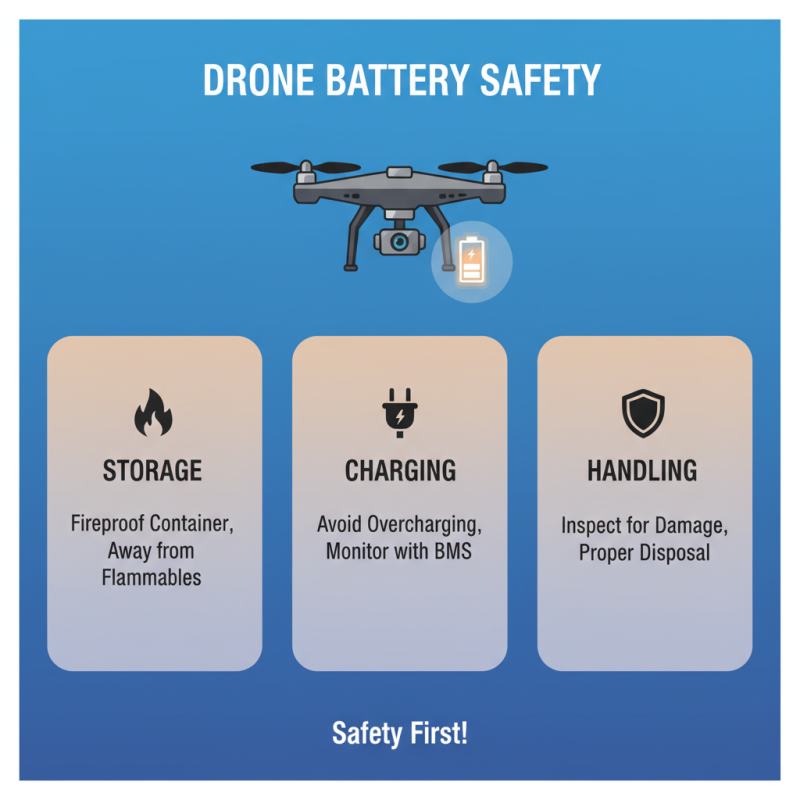
When it comes to drone operation, safety should always be a top priority, particularly concerning battery usage and handling. Lithium polymer (LiPo) batteries, commonly used in drones, require careful attention due to their susceptibility to fire and potential hazards if mishandled. Users should always store batteries in a fireproof container and away from flammable materials. Additionally, it's crucial to avoid overcharging batteries, as this can lead to overheating and serious malfunctions. A battery management system can help monitor the charging process and maintain optimal battery health.
Operators should also be aware of the environmental conditions affecting battery performance. Extreme temperatures can negatively impact battery life and efficiency; therefore, it's advisable to operate drones in recommended temperature ranges. Regular inspections of batteries for signs of swelling, damage, or corrosion can prevent accidents. Properly labeling and disposing of old or damaged batteries not only adheres to safety protocols but also promotes environmental responsibility. By taking these precautions, drone users can ensure safer operations and extend the longevity of their aerial devices.
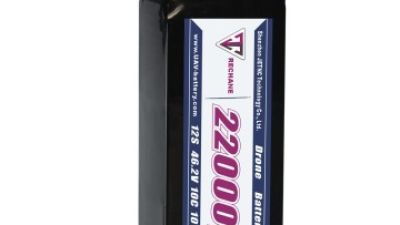
Maximize Your Drone's Potential with the JENTC LI-HV 12s 22000mah Semi-Solid State Battery
Maximizing your drone's potential requires a deep understanding of the power sources that drive these technological marvels. Among the most impressive innovations in drone batteries is the semi-solid state technology, which offers significantly higher energy density compared to traditional lithium-ion cells. This advancement allows for extended flight times and improved efficiency, critical for users who rely on drones for aerial photography, surveying, or logistics.
The JENTC LI-HV 12s 22000mAh battery stands out with its impressive specifications. With a capacity of 22000mAh and an operating voltage of 44.4V, this battery not only enhances the performance of consumer drones but also guarantees long-lasting power. Research indicates that higher capacity batteries can nearly double flight time, enabling more complex and extensive missions without frequent recharges. Moreover, the certification of this battery under RoHS, CE, and FCC standards assures users of its safety and reliability.
In the context of drone technology, the battery’s extensive lifespan—typically ranging from three months to a year under warranty—translates to less frequent replacements, making it a cost-effective option for enthusiasts and professionals alike. As the drone industry continues to evolve, leveraging advanced battery solutions like the JENTC LI-HV can significantly impact operational capabilities, allowing operators to push the boundaries of what drones can achieve.
FAQS
: Future trends in drone battery technology include longer flight times, faster charging, and improved energy management systems, with innovations such as solid-state batteries and smart technology integration.
Solid-state batteries promise higher energy density and improved safety, allowing drones to fly for extended periods without significantly increasing their weight.
Smart technology, including AI and IoT sensors, can optimize power consumption based on real-time data, extending flight duration and enhancing overall performance.
Developments in renewable energy sources, such as solar-charged batteries, can reduce reliance on conventional power grids and promote sustainable drone operation.
Key safety considerations include storing batteries in fireproof containers, avoiding overcharging, and ensuring they are kept away from extreme temperatures and flammable materials.
Regular inspections should check for signs of swelling, damage, or corrosion to prevent accidents and ensure safe operation.
Proper labeling and disposal adhere to safety protocols and promote environmental responsibility, reducing hazards associated with old or damaged batteries.
Users can extend battery longevity by monitoring charging processes with a battery management system, storing them properly, and following safety guidelines during operation.
Extreme temperatures can negatively impact battery life and efficiency; operating drones within recommended temperature ranges is advisable.
Users should inspect for signs of damage and properly dispose of any old or damaged batteries to prevent safety hazards.
Conclusion
This article provides a comprehensive overview of drone batteries, highlighting their technology, types, and factors that affect performance and flight time. It explores the top 10 high-performance drone batteries designed for extended flight, offering a comparative analysis of their capacities and flight durations. Additionally, readers will find essential maintenance tips to maximize the lifespan of their drone batteries.
Future trends in drone battery technology and innovation are also discussed, with an emphasis on safety considerations for usage and handling. As drone usage continues to expand, understanding these aspects of drone batteries is crucial for enthusiasts and professionals alike, ensuring enhanced performance and safety in their aerial endeavors.