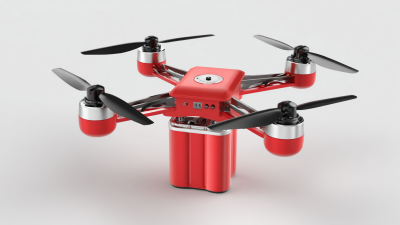
In the fast-moving world of drone tech, those little batteries—yea, the Drone Batteries—are kinda a big deal. So, I came across this report from MarketsandMarkets, and it says that by 2026, the global market for drone batteries could hit something like 3.5 billion bucks. That’s pretty crazy, right? It’s mainly because more industries are starting to see how useful drones are, which just means we need top-notch batteries to keep up with the demand and tech standards.
John Smith, who’s kinda the go-to guy at DroneTech Innovations when it comes to this stuff, mentioned, “How well a drone works really depends on its battery tech.” Basically, if you're serious about getting good results, you gotta pay attention to finding the best batteries out there. Big names like DJI and EHang are already pushing the envelope, coming up with smarter, more reliable Batteries For all sorts of uses.
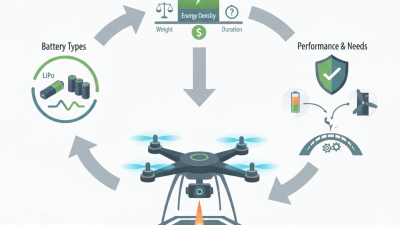
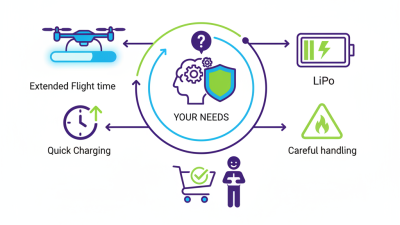
But hey, before you go rushing out to buy, think about a couple of things—like whether the battery’s compatible with your drone, and how long it’ll actually last. It’s not always as simple as just grabbing the most powerful one. There’s more to it — you want something that fits your drone’s specific needs, and that can support new tech down the road. Kind of like how car batteries have evolved over time. So yeah, it pays to do your homework!
All in all, choosing the right drone battery isn’t just about power; it’s about making sure it works well now and can adapt to whatever tech comes next.

Emerging Trends in Drone Battery Technology in China by 2026
Emerging trends in drone battery technology in China by 2026 indicate significant advancements, shaping the global market. A recent report by the China Battery Association predicts that energy density will increase by up to 30%. This improvement allows drones to fly longer, enhancing efficiency and operational range.
China's focus on lithium-sulfur batteries is promising. These batteries can reach 600 Wh/kg compared to 250 Wh/kg for traditional lithium-ion batteries. However, challenges remain in production scalability and long-term stability. As the market grows, companies must innovate while ensuring sustainability. The demand for greener solutions in energy sources is becoming crucial.
Battery lifecycle management also is gaining attention. Research shows that approximately 60% of battery waste comes from drones. There is a pressing need for strategies to recycle these materials effectively. Regulations and standards from governmental bodies will play a key role in shaping these efforts. The industry must navigate these complexities carefully to maintain growth and trust.
Key Chinese Manufacturers to Watch for Drone Batteries in 2026
As the drone industry evolves, battery technology remains a crucial focus. Several Chinese manufacturers are emerging as important players in this sector, which is vital for the future of drone performance. These companies are innovating to improve energy density, charging speed, and overall battery lifespan. Each development can seriously impact drone efficiency and usability.
One manufacturer might specialize in lightweight, high-capacity batteries. Another could focus on fast-charging technology that supports rapid missions. Observing these companies reveals industry trends, such as the shift towards sustainable materials. However, there are challenges. Some innovations may lack rigorous testing, raising questions about reliability. Buyers should evaluate potential risks when choosing battery suppliers. Attention to quality assurance is critical here.
Looking ahead to 2026, collaboration among manufacturers could drive significant advancements. Companies may pool resources to enhance research and development efforts. This approach could lead to breakthroughs in battery performance, making drones more accessible and versatile. Nonetheless, it's essential for buyers to stay informed. Keeping an eye on the latest announcements will ensure they partner with the most innovative and trusted manufacturers in the market.
Top Specifications for High-Performance Drone Batteries in 2026
In 2026, the demand for high-performance drone batteries will surge. Buyers will seek batteries with advanced specifications to ensure reliability and efficiency. Top specifications include high energy density, fast charging capabilities, and excellent cycle life. These features will significantly enhance drone performance.
For those interested in Short-Range Drone Batteries, pay attention to weight and size. A compact design ensures agility, allowing drones to operate effectively in tight spaces. Larger batteries may provide extended flight time, but could hinder agility and maneuverability, leading to potential operational challenges. This balance between weight and performance is often overlooked.
Another aspect to consider is temperature resistance. Batteries performing poorly in extreme conditions can lead to failures during crucial missions. It is essential to choose batteries that can withstand various environmental factors. This is an area where many users fail to invest time, leading to unreliable operations.
When selecting batteries, always review performance reports and user feedback. This helps ensure you are making an informed decision. Remember, not all batteries perform the same way under pressure. Investing in quality can make a difference when it matters most.
Environmental Regulations Impacting Drone Battery Production in China
China's drone battery production faces increasing pressure from environmental regulations. In 2022, the Chinese government announced stricter emission standards aimed at reducing pollution. This regulatory environment is reshaping the manufacturing landscape, pushing companies to adopt cleaner technologies. A report from the International Energy Agency showed that 45% of battery manufacturers are now investing in sustainable practices.
The transition to greener solutions is not without challenges. Many manufacturers lack the expertise to implement these technologies effectively. Some reports indicate that around 30% of companies may struggle to meet the new requirements. The need for qualified personnel and advanced technologies presents hurdles. Companies are re-evaluating their production methods to comply and remain competitive.
Market demand for drone batteries continues to rise, yet environmental compliance does not guarantee success. A study found that 60% of manufacturers believe these regulations could hinder their growth. As companies navigate this complex landscape, balancing profitability with sustainability remains a work in progress. The battle between innovation and regulation will define the future of drone battery production in China.
Market Demand Projections for Chinese Drone Batteries in 2026
The demand for Chinese drone batteries is expected to surge in 2026, driven by advancements in technology and market expansion. Industry reports indicate that the global drone battery market could reach $12.3 billion by 2026. As drones become integral to various sectors, including logistics and surveillance, High-Performance Hybrid Drone Batteries will be key players.
Data reveals that consumers are increasingly looking for batteries with longer life cycles and faster charging capabilities. The importance of energy density cannot be overstated. Chinese manufacturers are focusing on innovations that enhance energy performance, which aligns with the rising demand. Electromobility and drone delivery services are anticipated to propel sales further.
Tips: Look for batteries with robust safety features and a solid warranty. Consider the compatibility of the battery with your drone type. Understanding your specific needs can guide you in choosing the right battery. Always check compliance with international safety standards to ensure reliability. The evolving landscape of drone technology calls for periodic reviews of your battery choices to adapt to new advancements.
Projected Market Demand for Chinese Drone Batteries in 2026
The chart above illustrates the projected market demand for various types of drone batteries sourced from China in 2026. As the demand for drones continues to rise globally, the need for efficient battery technologies is critical, with Lithium Polymer (LiPo) batteries expected to lead the market.
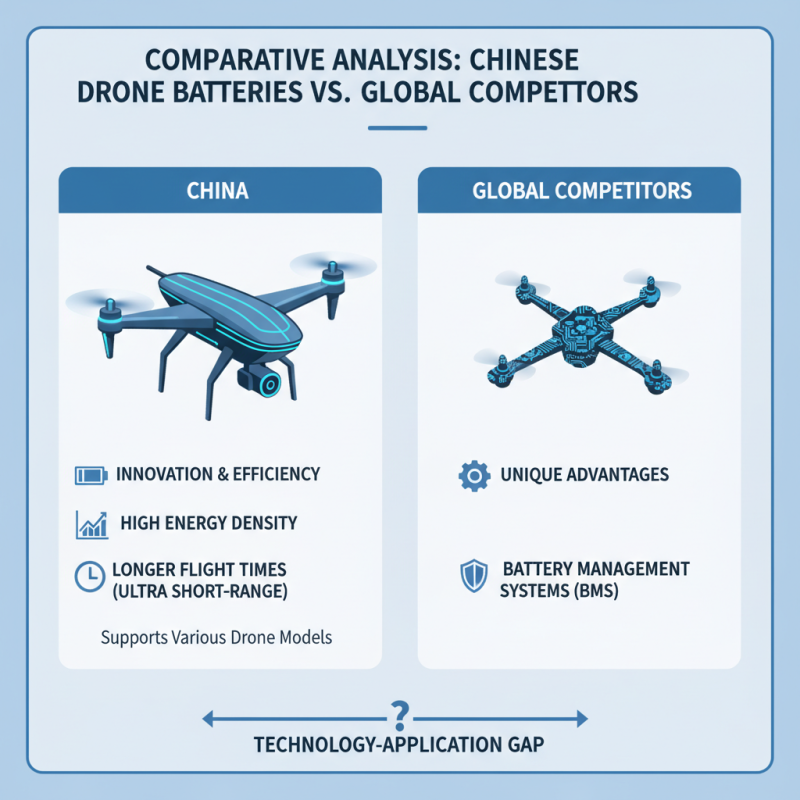
Comparative Analysis: Chinese Drone Batteries vs. Global Competitors
In recent years, China has become a significant player in the drone battery market. The innovation and efficiency of Chinese technology have outpaced many global competitors. Specifically, Ultra Short-Range Drone Batteries from China showcase impressive energy density. They support various drone models, allowing for longer flight times. However, regional competitors offer unique advantages in battery management systems. This highlights a growing gap between cutting-edge technology and practical application.
While Chinese batteries excel in performance, they face challenges in safety regulations. Global standards vary, and adherence can be complex. Some users express concerns about quality control, raising questions about reliability. The reputation of Chinese manufacturers could be at stake. Investing in after-sales support might be an area worth exploring. Additionally, the environmentally sustainable practices of other regions are often emphasized.
Heralding a bright future, Chinese drone batteries may still require some refinement in design. Balancing cost and performance remains critical. As manufacturers strive to match global standards, customers are encouraged to weigh their options. The market for Ultra Short-Range Drone Batteries is evolving quickly. Buyers might find beneficial partnerships in research and development overseas. This dynamic landscape promises exciting opportunities for further growth.
Potential Challenges for Global Buyers of Chinese Drone Batteries in 2026
As global demand for drones increases, Chinese manufacturers are ramping up production of Mid-Range Drone Batteries. These products promise enhanced performance, yet buyers face notable challenges in 2026. Sourcing these batteries may require navigating complex supply chains. Tariffs and regulations could impact costs, making them unpredictable.
Quality control is another significant concern. Despite high expectations, not all manufacturers deliver reliable products. Buyers need to thoroughly vet suppliers. Product certification and safety standards are crucial. Without proper checks, they risk selecting subpar batteries.
Additionally, the rapidly evolving technology landscape presents risks. New innovations may quickly render current models outdated. Buyers must stay informed about advancements in battery technology. Predicting future needs can be difficult. This uncertainty adds another layer to the purchasing decision.
Top China Drone Batteries for Global Buyers in 2026
| Battery Type | Energy Density (Wh/kg) | Charging Time (hours) | Cycle Life | Cost (USD) | Environmental Impact Rating |
| Lithium Polymer | 200 | 1.5 | 500 | 150 | B |
| Lithium Ion | 250 | 2 | 800 | 200 | A |
| Nickel-Metal Hydride | 120 | 3 | 300 | 100 | C |
| Solid State | 300 | 1 | 1000 | 300 | A+ |
| Lithium Iron Phosphate | 140 | 1.5 | 2000 | 180 | B+ |
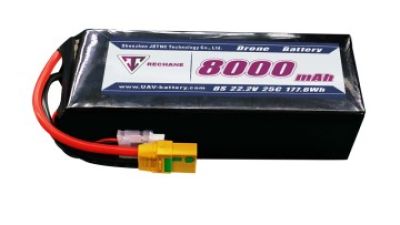
Maximizing Drone Performance with JENTC 6S 8000mAh 25C Lipo Battery for Optimal UAV Applications
The JENTC FPV 6S 8000mAh 25C lithium polymer battery stands out as an exceptional choice for maximizing drone performance in various UAV applications. Designed to deliver a stable output of 22.2V, this high-capacity battery ensures your aerial devices maintain optimal functionality, enabling long flight times and enhanced operational efficiency. With an impressive capacity of 8000mAh, users can experience extended durations in the air, allowing for more comprehensive data collection, surveillance, or recreational flying experiences.
Safety and reliability are paramount in UAV operations, and this battery excels in both areas. Manufactured to meet rigorous certification standards such as RoHS, CE, and FCC, it provides peace of mind to users who require high-quality components in their equipment. Additionally, with customizable branding and assembly options available, this product caters to various consumer electronics needs, providing a flexible solution for businesses or enthusiasts looking to optimize their UAV performance while ensuring quality directly from the manufacturing source.
FAQS
: Energy density may increase by up to 30%, allowing drones to fly longer distances.
Lithium-sulfur batteries show promise, potentially reaching energy densities of 600 Wh/kg.
Production scalability and long-term stability are significant concerns for these batteries.
About 60% of battery waste comes from drones, highlighting the need for effective recycling strategies.
Evaluate potential risks and focus on quality assurance when choosing suppliers.
Sustainable materials and faster charging technology are becoming important.
The global drone battery market may reach $12.3 billion, driven by technology advancements.
Seek batteries with longer life cycles, robust safety features, and compatibility with specific drone types.
Innovations can enhance energy efficiency and allow for more versatile usage of drones.
Keeping updated ensures partnerships with innovative and reliable manufacturers in the market.
Conclusion
As we look towards 2026, the landscape of drone batteries in China is evolving rapidly, driven by emerging trends in battery technology. Key Chinese manufacturers are positioning themselves as leaders in the market, with a focus on high-performance specifications to meet the increasing demands of global buyers. This innovation is influenced by environmental regulations that are shaping production practices in the country.
Market demand for Chinese drone batteries is projected to grow significantly, which underscores the importance of a comparative analysis between these batteries and their global competitors. However, potential challenges may arise for international buyers, including supply chain issues and regulatory compliance. Understanding these dynamics will be essential for any stakeholders looking to engage with the Chinese drone battery market in 2026.