Inquiry
Form loading...
0%

The battery retail scene is changing pretty fast these days. If you’ve been paying attention, you'll notice that global demand for batteries has been skyrocketing, mainly because electric vehicles and renewable energy systems are becoming more popular. I came across a report from Allied Market Research that says the worldwide battery market could hit over $300 billion by 2026. Pretty crazy, right? And within all that, the Battery Store segment is pretty important—it’s where most consumers go to grab the essentials and get their questions answered.

As companies try to keep up with these shifts, staying informed about the latest trends is more crucial than ever. Big players like Duracell and Energizer are putting a lot of money into new tech to make shopping better for us. Actually, reports say around 70% of people now prefer shopping at Battery Stores that give a smooth, personalized experience—that’s a pretty big deal.

That said, it’s not all smooth sailing. Plenty oF Battery Stores are having a tough time managing their inventory and dealing with supply chain headaches. Plus, the tech is changing so fast that keeping up can be a real challenge. For store owners out there, staying educated and flexible is key if you want to stay competitive. Knowing these trends can help them make smarter choices and, most importantly, serve their customers better.

Top 10 Battery Store Trends You Need to Know Now?

Emerging Technologies in Battery Storage Solutions

Top 10 Battery Store Trends You Need to Know Now?

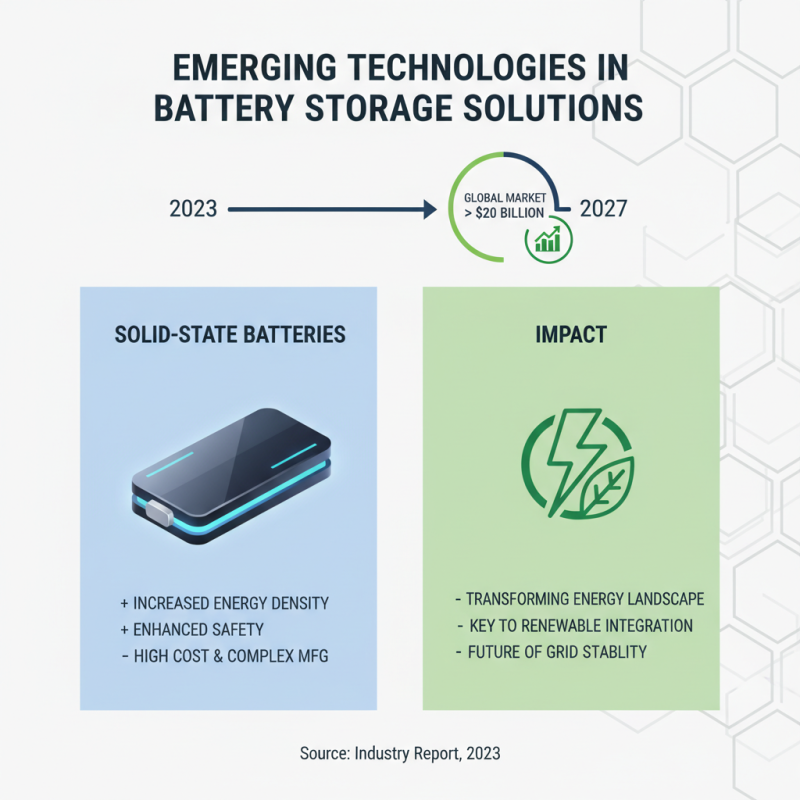
Emerging technologies in battery storage solutions are transforming the energy landscape. According to a recent industry report, the global battery storage market is expected to reach over $20 billion by 2027. Innovations like solid-state batteries are gaining attention. These batteries promise increased energy density and enhanced safety compared to traditional lithium-ion variants. However, their manufacturing processes are still costly and complex.

Another exciting development is the rise of flow batteries. These systems offer scalability and longevity, making them ideal for renewable energy applications. A report from the National Renewable Energy Laboratory highlights that flow batteries can last up to 20 years, outperforming typical lithium-ion technologies. However, their lower energy density remains a challenge, causing some hesitation among developers.

Additionally, Battery Plus Battery solutions are emerging as a trend. This approach pushes for better collaboration between manufacturers and energy providers. It aims to maximize efficiency and reliability in energy storage systems. Despite these advancements, the industry faces hurdles. Supply chain constraints and environmental concerns about raw materials create room for reflection. The future of battery storage will rely on addressing these challenges while embracing innovation.

Sustainability and Eco-Friendly Practices in Battery Stores

In recent years, many battery stores have shifted towards sustainability. Eco-friendly practices are becoming a priority. From recycling programs to energy-efficient technologies, these measures make a difference. Each small change can reduce environmental impact. Battery Pack Battery sales are also adapting. Customers are seeking options that align with their values.

Here are some tips for selecting eco-friendly batteries. Look for stores that offer recycling services. This ensures safe disposal of old batteries. Check for certifications that indicate sustainable sourcing. These can tell you if materials are responsibly obtained. Consider the longevity of the battery pack. A longer-lasting battery means less waste.

Some stores struggle with implementing these practices. There may be a lack of awareness among consumers. Not all battery types are easy to recycle. Retailers must educate themselves and their customers. Picking eco-friendly options is not just a trend. It's a necessary shift for a healthier planet. Battery Pack Battery choices can reflect this commitment to sustainability.

Top 10 Battery Store Trends You Need to Know Now - Sustainability and Eco-Friendly Practices in Battery Stores

Trend Description Impact on Sustainability Consumer Adoption Rate
Recycling Programs Initiatives to recycle used batteries. Reduces landfill waste and promotes resource recovery. 75%
Eco-Friendly Packaging Using biodegradable and recyclable materials for packaging. Minimizes plastic usage and environmental footprint. 60%
Battery Swap Stations Automated stations for quick battery changes in electric vehicles. Encourages EV use, lowering carbon emissions. 30%
Renewable Energy Sources Integrating solar or wind energy into battery production and stores. Decreases reliance on fossil fuels. 45%
Smart Batteries Batteries with IoT features for monitoring health and efficiency. Increases lifespan and reduces waste. 50%
Second Life Applications Repurposing old batteries for energy storage solutions. Extends battery life and promotes resource optimization. 25%
Sustainability Certifications Obtaining certifications for eco-friendly practices. Builds consumer trust and encourages sustainable choices. 55%
Consumer Education Providing information on the importance of sustainable practices. Fosters responsible battery disposal and recycling habits. 70%
Hybrid Batteries Batteries that combine various technologies for efficiency. Improves energy efficiency and reduces waste. 40%
Community Initiatives Programs aimed at local environmental improvement. Enhances local engagement and awareness for sustainability. 65%

The Rise of Online Battery Retail and E-Commerce Trends

Top 10 Battery Store Trends You Need to Know Now?

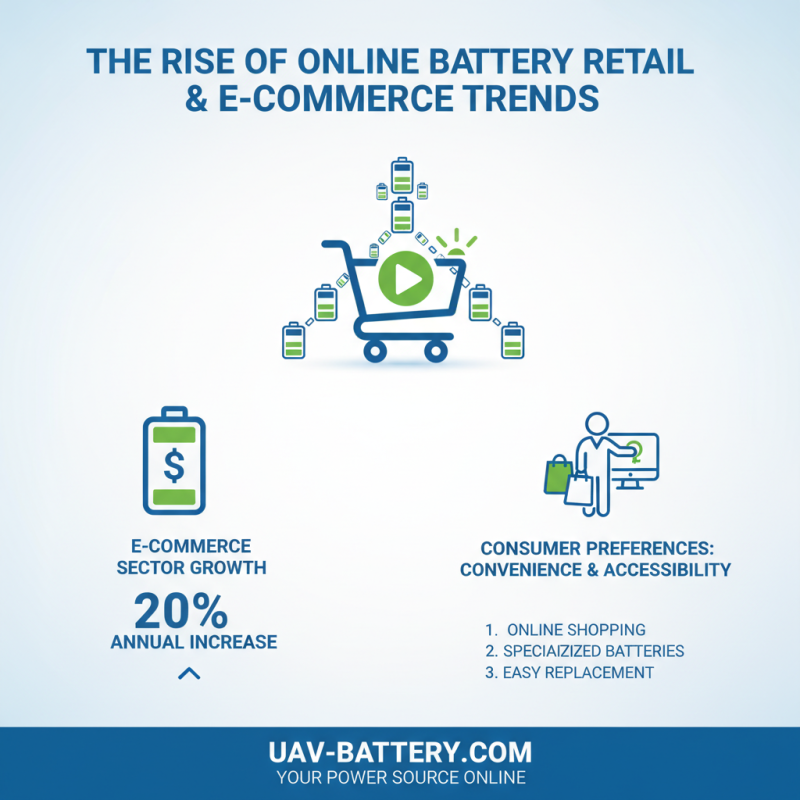
The rise of online battery retail has transformed how consumers purchase Battery Replacement Battery products. E-commerce is thriving in this sector, with reports indicating a growth rate of 20% annually. Customers now prefer online shopping due to convenience and accessibility, especially for specialized items like batteries.

Emerging trends reveal that mobile apps and online platforms enhance the shopping experience. Data from industry research shows that 45% of consumers use mobile devices to shop for batteries. Having a user-friendly interface is crucial. Websites should display product specifications clearly. This transparency builds trust among customers.

**Tips:** Offer detailed product comparisons and easy return options. Use engaging content to guide customers through their choices. Regularly update your inventory to reflect current trends. Remember, reliable customer service is key. Engaging with consumers on social media can also boost visibility. Embrace these strategies to stay competitive in the evolving battery market.

Consumer Preferences Shaping Battery Store Offerings

Consumer preferences are actively shaping what battery stores offer today. More customers are leaning towards eco-friendly and sustainable options. They seek batteries with longer life spans and improved performance. Battery store owners understand this shift and are adapting their selections accordingly. They must stay informed about the latest innovations in battery technology.

Many consumers also prioritize convenience and accessibility. The demand for quick and easy purchasing options is on the rise. This trend pushes stores to enhance their online platforms and streamline their in-store experiences. Options like home delivery for items, such as a Battery Car Battery Car, are becoming increasingly popular. However, these changes present challenges. Stores need to balance efficiency with personalized service.

Moreover, consumers are becoming more knowledgeable about battery types and specifications. They are often comparing products based on reviews and ratings. This situation can create pressure on stores to ensure high-quality offerings. Some stores may struggle to keep up with these evolving expectations. There remains room for improvement in understanding and meeting customer needs effectively.

Top 10 Battery Store Trends You Need to Know Now

This chart illustrates the current trends influencing battery store offerings based on consumer preferences. It highlights the increasing interest in areas such as e-commerce, sustainability, and smart technology in batteries.

Innovations in Battery Recycling and Reuse Strategies

Battery recycling and reuse strategies are evolving rapidly. The push for sustainability drives innovations in the industry. New technologies help enhance the process of reclaiming valuable materials. This reduces waste and lessens our environmental footprint. For example, some companies are using artificial intelligence to improve sorting processes. AI increases efficiency and accuracy, leading to more reusable materials.

Innovative methods also focus on repurposing old batteries. Many see potential beyond just recycling. Initiatives are emerging that enable batteries to be transformed for secondary uses. For instance, some used batteries serve as energy storage solutions for homes and businesses. This approach extends the lifespan of the materials and reduces demand for new products.

Despite advancements, challenges remain. The recycling process can be complicated and costly. Not all batteries can be easily recycled. Education and public awareness are crucial to improving recycling rates. It’s a work in progress, reflecting our commitment to a sustainable future. Addressing these hurdles is essential for widespread adoption.

Impact of Electric Vehicles on Battery Store Demand

The rise of electric vehicles (EVs) is transforming battery store demand dramatically. According to the International Energy Agency, the number of electric cars on the road is expected to surpass 145 million by 2030. This shift hints at an increased demand for batteries that support EV technology.

As more consumers opt for electric vehicles, retailers are noticing the growing need for reliable charging solutions and replacement batteries. A report by Bloomberg New Energy Finance estimates that the EV battery market will reach $116 billion by 2030. This trend creates an opportunity for battery stores to diversify their offerings and adapt to evolving consumer needs. However, the challenge remains in maintaining inventory levels and managing supply chains efficiently.

While the anticipated growth is promising, it poses questions about sustainability and resource sourcing. Battery production involves critical minerals, such as lithium and cobalt, which have significant environmental impacts. The industry must explore innovative recycling methods to address these challenges and relieve pressure on natural resources. Battery stores should be prepared to educate consumers about these complexities and promote eco-friendly alternatives.

The Role of Smart Technology in Battery Management Systems

Smart technology is transforming battery management systems (BMS) in significant ways. Reports indicate that the global smart battery market is expected to reach $12 billion by 2025. This growth reflects the rising demand for efficient energy storage solutions. Smart BMS enhances performance through real-time monitoring and analytics. They provide critical data on temperature, charge cycles, and overall battery health. Such insights are crucial for maintenance and longevity.

Integrating IoT devices with BMS creates a more proactive approach to energy management. Through cloud connectivity, users can track battery performance remotely. A recent study highlighted that 70% of battery failures can be predicted with accurate monitoring data. However, the reliance on smart technology raises questions. Not all systems have been immune to cyber threats. Reports show that insufficient security measures can expose vulnerabilities.

The continuous development of communication protocols improves interoperability among different battery systems. Yet, challenges remain. Many small retailers struggle to adopt these technologies due to high costs. In some cases, outdated batteries are not compatible with new smart systems. The industry must find a balance between innovation and practicality to ensure widespread adoption.

Unleashing Drone Potential: Exploring the High Capacity China JENTC 6s 16000mAh Semi-Solid Battery for Optimal Performance

In the world of drone technology, unlocking the full potential of flight performance hinges significantly on the power supply. The advent of semi-solid battery solutions marks a transformative step in enhancing drone capabilities. One such innovation is the high-capacity 6s 16000mAh battery, designed specifically to meet the vigorous demands of both professional and recreational drone operations. With a robust output of 22.8V, this battery offers consistent and reliable energy delivery, ensuring that users can maximize their flight time without compromising performance.

Crafted with a focus on quality and durability, this semi-solid lithium polymer battery is tailored to accommodate a wide range of applications beyond just drones. Whether for consumer electronics or more specialized uses, the battery's substantial capacity provides the assurance of prolonged usage periods. Additionally, users can benefit from customization options that allow for unique branding and packaging, further enhancing the product's appeal. With flexible warranty terms to safeguard user investments, this power solution stands out as a leading choice for those looking to elevate their technological experience while enjoying the thrill of flight.

FAQS

: What should I look for in eco-friendly battery stores?

: Seek stores that offer recycling services and certifications for sustainable sourcing.

Why is recycling important for batteries?

Recycling ensures safe disposal of old batteries and reduces environmental impact.

How do I choose a sustainable battery?

Consider options with longevity. Longer-lasting batteries mean less overall waste.

What challenges do stores face with eco-friendly practices?

Some stores struggle with consumer awareness and recycling difficulties.

How is online shopping affecting battery purchases?

Online retail is growing rapidly, with 20% annual growth, due to convenience.

What enhances the online shopping experience for batteries?

User-friendly interfaces and clear product specifications build customer trust.

Are there innovations in battery recycling?

Yes, AI is now used to improve sorting processes and recover more materials.

Can old batteries be reused?

Some initiatives repurpose old batteries as energy storage solutions for homes.

What are the current hurdles in battery recycling?

The process can be complicated and expensive, and not all batteries are recyclable.

How can customers contribute to sustainability in battery usage?

Customers can prioritize eco-friendly options, recycle properly, and spread awareness.

Conclusion

The article titled "Top 10 Battery Store Trends You Need to Know Now" highlights significant shifts in the battery retail landscape. Emerging technologies are transforming battery storage solutions, increasingly prioritizing sustainability and eco-friendly practices. As consumers become more environmentally conscious, battery stores are adapting their offerings to meet these preferences. The rise of online battery retail and e-commerce trends is also reshaping how consumers shop for batteries, making it more convenient than ever.

Moreover, the surge in electric vehicle adoption is driving demand for battery stores, prompting innovations in battery recycling and reuse strategies to promote a circular economy. Lastly, the integration of smart technology into battery management systems enhances user experience and efficiency, allowing for better monitoring and management of battery performance. These trends collectively illustrate a dynamic evolution within the battery store sector, driven by technology and consumer demand.

Evelyn

Evelyn

Evelyn is a dedicated marketing professional at Shenzhen Jentc Technology Co., Ltd., where she plays a crucial role in promoting the company’s innovative high-performance lithium battery solutions. With an in-depth knowledge of the product portfolio, which includes advanced offerings like 4.4V......
Previous How to Choose the Right Drone Battery for Your Needs?