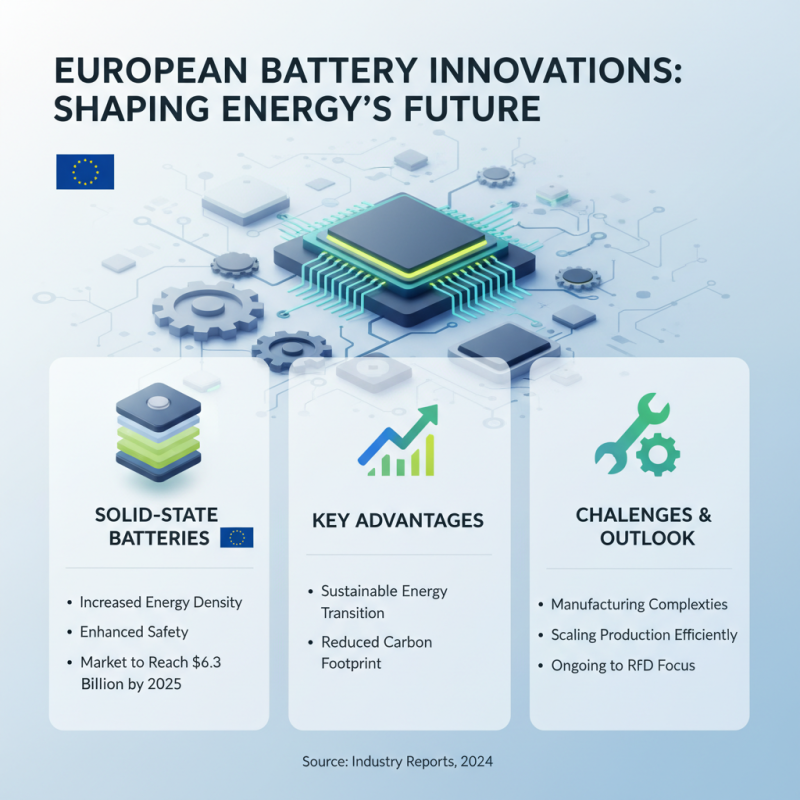
Lately, Battery Europehas really been making some waves with new innovations that are changing the game in energy storage. I mean, experts like Dr. Elena Marks—who’s pretty much a big name in Battery Tech—are saying things like, "Advancements in battery systems are so crucial for Europe's energy shift." It kind of shows just how urgent it is to push forward with these innovations.
There have been some exciting breakthroughs lately, especially around solid-State Batteries and new recycling methods. Companies like Northvolt and Saft are really leading the charge, working on creating batteries that are safer and more efficient. The promise of longer-lasting batteries with less risk? Yeah, that’s pretty appealing.
Of course, it’s not all smooth sailing. The raw materials needed for these batteries can be tricky to get, and sustainability worries still hang over the manufacturing processes. As Europe sets its sights on big energy goals, the demand for clean, reliable batteries is only growing. When you step back and look at everything, it’s clear that while the future looks promising, there’s still a lot of work to do. Battery Europe needs to stay sharp, keep innovating, and adapt constantly if it wants to hit those ambitious targets.
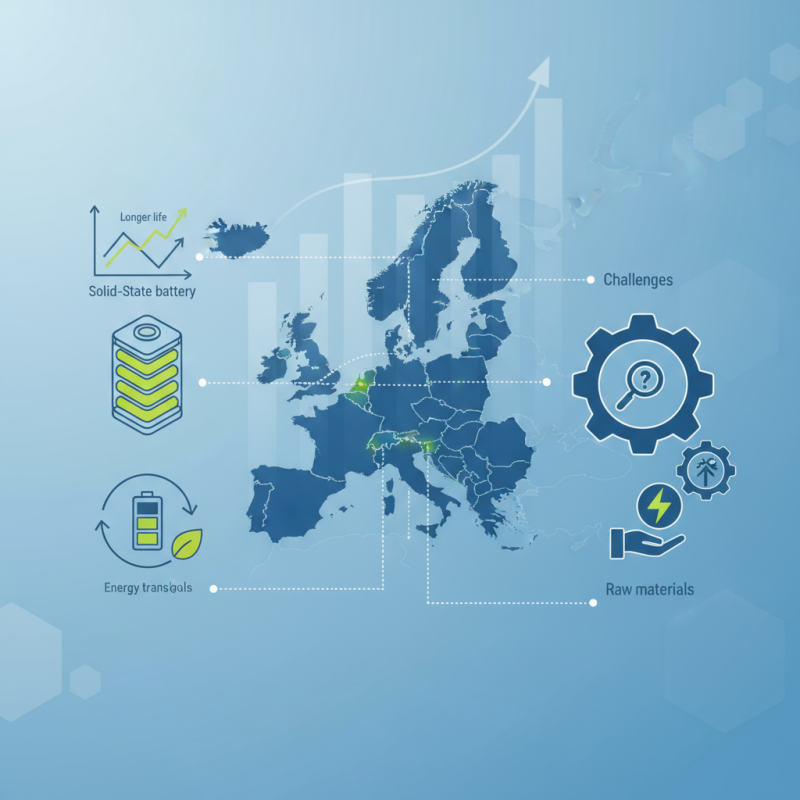
Overview of the Battery Industry Landscape in Europe
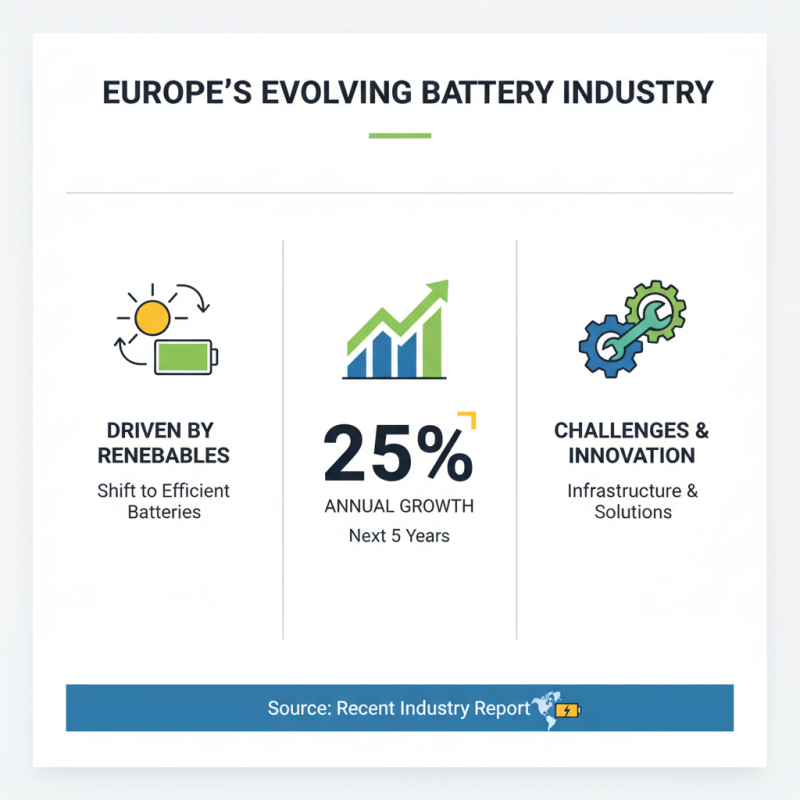
The battery industry in Europe is rapidly evolving. Renewable energy sources are driving the shift towards more efficient batteries. According to a recent report, Europe's battery market is expected to grow by 25% annually over the next five years. This growth will challenge existing infrastructures and require innovative solutions.
Electric vehicles (EVs) are a significant driver of this change. A notable trend is the move towards solid-state batteries. These batteries promise higher energy density and faster charging times. They are considered safer compared to traditional lithium-ion batteries. However, issues regarding their long-term stability remain unresolved. This could slow their widespread adoption.
Tips: Explore partnerships with startups focused on battery innovations. They may provide groundbreaking insights. Consider investing in research initiatives addressing the challenges of battery recycling. The future of sustainable energy may hinge on effective Battery Plus Battery solutions, blending performance with environmental responsibility. Embracing these changes could be both beneficial and necessary for growth.
Key Players in European Battery Innovation
In Europe, battery innovation is advancing rapidly. Key players are focusing on various aspects, like sustainability and efficiency. Recent reports predict that the European battery market could reach €250 billion by 2025. This growth sparks a strong interest in research and development.
Notably, companies are investing heavily in new technologies. Solid-state batteries are at the forefront. They promise higher energy density and safer performance. However, challenges remain in scaling production. The transition from traditional to solid-state battery technology hasn't been smooth. Many manufacturers face technical hurdles that need addressing before mass production can begin.
In addition, recycling and waste management are critical. The current lithium-ion batteries create significant environmental concerns. The European Union aims to recycle 70% of battery materials by 2030, highlighting the urgency for innovation. This target shows both ambition and the need for improvements. Researchers must work to refine recycling processes to meet this expectation. The landscape of battery innovation in Europe illustrates immense potential and challenges ahead.
Recent Breakthroughs in Battery Technology in Europe
In recent years, Europe has seen exciting advancements in battery technology. A notable area of focus is the development of high-density battery packs. These innovations aim to enhance energy storage and efficiency. Researchers are experimenting with new materials that promise longer life cycles. However, the transition from laboratory to production remains a challenge. The environmental impact of these materials warrants careful consideration.
Another breakthrough involves solid-state batteries. These batteries offer greater energy density than traditional liquid electrolytes. They are also less flammable, which improves safety. Yet, scaling up production presents hurdles. Manufacturers need to refine their processes to achieve commercial viability. It's clear that while the potential is immense, there are still many unknowns in terms of performance and durability.
Moreover, recycling techniques are evolving rapidly. Efficient recycling can reduce the demand for raw materials. This is crucial as the electric vehicle market expands. However, public awareness of recycling benefits is still low. As innovative battery packs evolve, keeping sustainability at the forefront is essential. The journey towards the perfect Battery Pack Battery is ongoing, riddled with complexities and opportunities for improvement.
Sustainable Practices in Battery Production and Recycling
The landscape of battery production is evolving. A focus on sustainability is crucial for reducing carbon footprints. This new approach not only emphasizes lower emissions but also enhances recycling efforts. Many manufacturers aim for a circular economy. They seek to minimize waste generated during the production process.
Recycling remains an area needing improvement. While some materials can be reused, others end up in landfills. Developing efficient recycling techniques is essential. Innovations in hydrometallurgical processes hold promise. They can recover valuable metals effectively. Yet, the technology is not widely adopted. This gap shows a need for better infrastructure.
Furthermore, sourcing raw materials poses challenges. The mining process can be environmentally damaging. Ethical sourcing is now a priority for many. Transparency in the supply chain is vital. Consumers are becoming more aware. They demand greener practices, which pushes companies to rethink their production methods. The transition will be complex, but the drive for sustainability is undeniable.
Government Policies and Funding for Battery Research
Government policies play a crucial role in shaping battery innovation in Europe. Recent investments have surged. In 2022, EU countries allocated approximately €10 billion to battery research initiatives. This funding targets advanced materials, electric vehicle batteries, and energy storage solutions. Governments aim to reduce reliance on foreign technologies.
One notable effort is the European Union's Battery Action Plan. This initiative promotes sustainable production and recycling. It sets ambitious goals for battery lifecycles and environmental impact. Reports suggest that by 2030, Europe might capture up to 90% of the battery recycling market. However, challenges remain in implementing these standards uniformly across member states.
Research institutions are also vital. They collaborate with public bodies and private sectors to innovate. Data from industry analysts indicate a growth in lithium-sulfur battery research. This technology could significantly increase energy density. Still, costs and manufacturing processes need further refinement. Balancing rapid innovation with sustainable practices remains a pressing concern.
Battery Innovations Funding in Europe
Future Trends in Battery Innovations Across Europe
Battery innovations in Europe are shaping the future of energy storage. Notably, advancements in solid-state batteries are gaining traction. These batteries promise increased energy density and safety. Reports estimate that the solid-state battery market could reach $6.3 billion by 2025. However, challenges in manufacturing processes persist. Companies often struggle to scale production efficiently.
Moreover, recycling methods are evolving. A report from the European Commission highlights that only 5% of lithium-ion batteries are currently recycled effectively. This raises concerns about sustainability and resource waste. The need for improved recycling technology is urgent. It's evident that without better practices, the environmental impact of battery replacement batteries could escalate.
In terms of trends, the integration of artificial intelligence in battery management is notable. AI can optimize performance by predicting battery lifespan and usage. This could potentially extend the life of batteries. However, the reliance on technology poses risks, such as data privacy issues. Balancing innovation with ethical considerations is essential. Europe's path in battery innovation remains bright yet complex.
Impact of Battery Innovations on Electric Mobility and Energy Storage
Battery innovations in Europe are transforming electric mobility and energy storage. New technologies are enhancing energy density and charging speed. This means electric vehicles can travel further on a single charge. Longer ranges are crucial for consumer acceptance of battery car options. People want freedom without range anxiety, and innovations are addressing this.
Moreover, advancements in battery recycling methods are improving sustainability. As battery car use increases, so do concerns about environmental impact. However, new processes can reclaim materials effectively. This helps reduce waste and can lower production costs. Yet, challenges remain. Not all recycling methods are efficient or widespread. The industry must invest in better solutions.
Another area of innovation is solid-state batteries. They promise higher safety and energy density. But they are still in early development stages. Significant hurdles exist in terms of scalability and cost. There’s excitement but also caution in the air. Finding a balance between performance and affordability remains a challenge. Overall, battery innovations are paving new paths but need ongoing refinement.
Maximizing Drone Performance: The Advantages of JENTC Battery LI-HV 6s 16000mAh for Long-lasting Flight Time
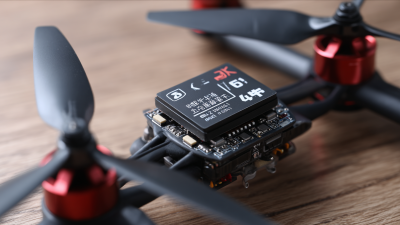
Maximizing drone performance hinges significantly on the choice of battery, and for those seeking long-lasting flight times, the advancements in high-capacity lithium polymer technology have become game-changers. Among these innovations, a standout option is the semi-solid lithium polymer battery, which boasts a formidable 22.8V output coupled with a remarkable capacity of 16000mAh. This combination not only propels drones efficiently but also ensures that users can accomplish demanding tasks without the worry of premature power loss.
In recent industry reports, the growing trend towards higher-capacity batteries has been linked to the increasing demands of drone applications in various sectors, including agriculture, aerial photography, and logistics. These sectors often require extended flight durations, which are directly influenced by battery capacity. A battery with significant mAh not only enhances operational efficiency but also elevates the overall functionality of drones, enabling longer missions and higher payload capacities. Moreover, certifications such as RoHS, CE, and FCC underscore the importance of quality and safety in battery performance, providing users with peace of mind when selecting power solutions for their drones.
The ability to customize battery features, including logo placement and tailored packaging, reflects the market's shift towards personalized solutions for both professional and amateur drone enthusiasts. Flexible warranty terms further enhance consumer confidence, allowing users to select products that align closely with their operational needs and performance expectations. As technology evolves, the pursuit of dependable and high-performance batteries remains a critical focus, ensuring that drones can achieve their potential in an expanding array of applications.
FAQS
: The article aims to inform readers about a specific topic. It provides valuable insights and details.
Anyone interested in learning more can benefit. Readers may include students, professionals, or hobbyists.
The content is written in simple terms. However, some concepts may require reflection and deeper understanding.
Yes, the article contains visuals. They help illustrate key points effectively.
Reviewing the content regularly is suggested. It can help reinforce understanding and keep knowledge fresh.
Some readers may struggle with complex ideas. It's important to take time to process each point.
A hands-on approach is often beneficial. Experimenting with concepts can lead to better insights.
Absolutely, sharing thoughts can enhance understanding. Discussion can lead to new perspectives.
Feel free to seek additional resources. Engaging with the community can also provide extra support.
Conclusion
The article titled "What Are the Top Battery Innovations in Europe?" delves into the dynamic landscape of the battery industry across the continent. It highlights the key players driving advancements in battery technology and recent breakthroughs that are shaping the future of energy storage. Sustainable practices in battery production and recycling emerge as crucial themes, reflecting a growing commitment to eco-friendly solutions within the sector.
Additionally, the article discusses the supportive role of government policies and funding aimed at fostering battery research, which is instrumental in positioning Europe as a leader in innovations. Future trends indicate a significant impact on electric mobility and energy storage capabilities, reinforcing the importance of Battery Europe in the global transition towards sustainable energy solutions. This holistic view encapsulates the multifaceted approach Europe is taking to revolutionize battery technology for a greener tomorrow.