Inquiry
Form loading...
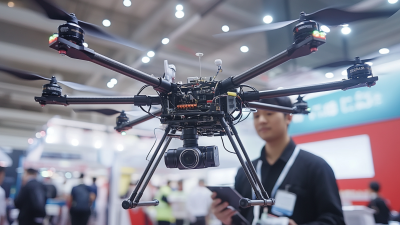
In today’s fast-changing world of farming, using the latest technology has become pretty much essential if you want to keep up with efficiency and boost productivity. One of the key innovations really making waves right now is agricultural Drone Batteries—they’re the backbone that keeps those drones flying and working hard out in the fields. Looking ahead to 2025, it’s clear that demand for reliable, high-tech drone batteries isn’t slowing down, especially as more farmers start incorporating drones into their daily routines. These batteries aren’t just about keeping drones going longer; they also impact how well those drones perform and what they can actually do on the farm.
In this article, I’ll walk you through the top 10 agricultural drone batteries that are poised to really shake things up in farming come 2025. Thanks to recent advances in Battery Tech, companies like DJI, senseFly, and Parrot are rolling out products that boast longer flight times, quicker charging, and better durability—all crucial for farmers looking to get more done in less time. If you’re trying to level up your farming game, it’s super helpful to know which batteries fit your specific needs. By breaking down their features and the benefits they bring, I hope to give you some solid insights so you can make smarter choices. In the end, it’s all about helping farmers improve yields and make farming a bit more sustainable—that’s what it’s all about, right?
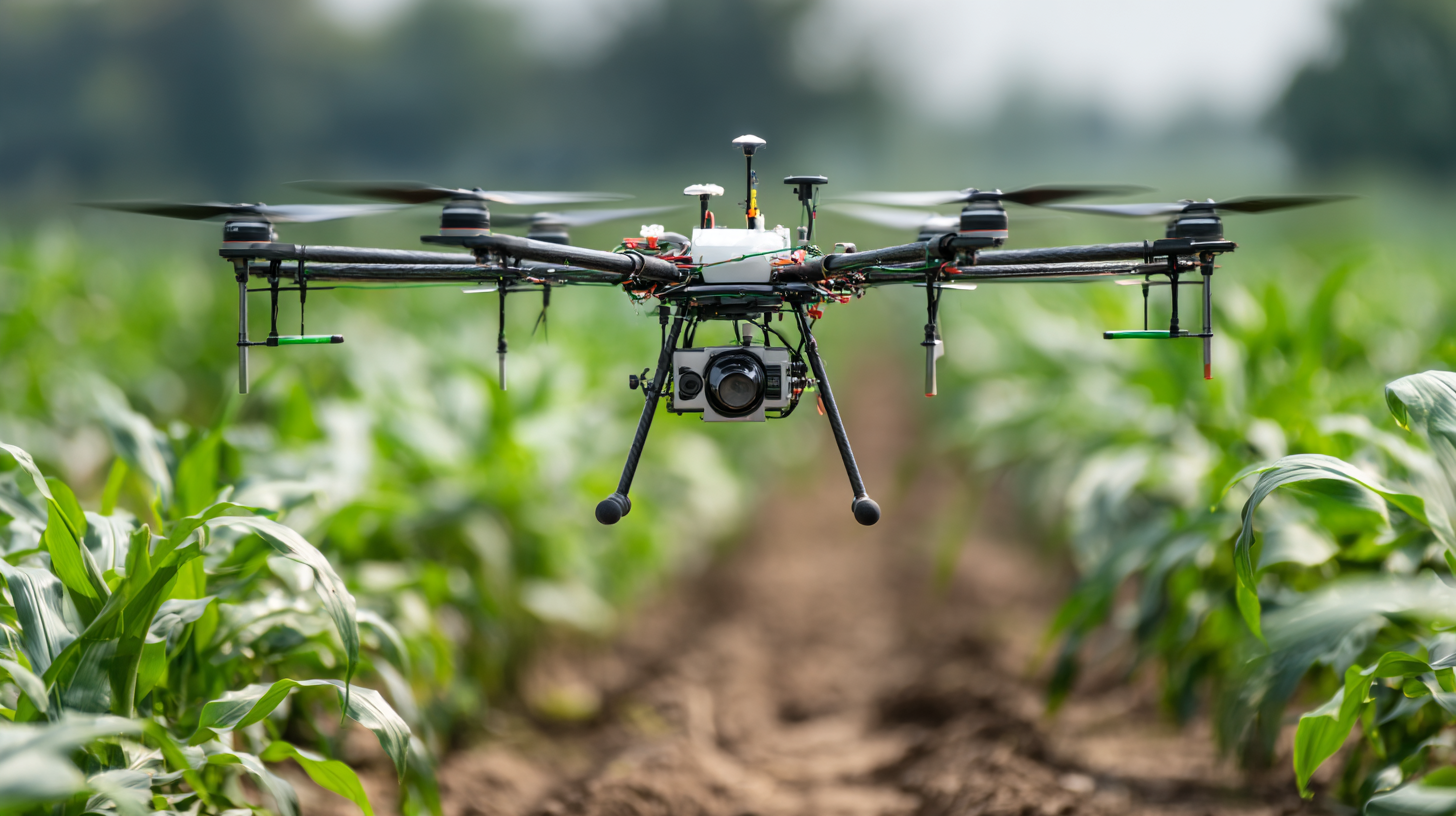
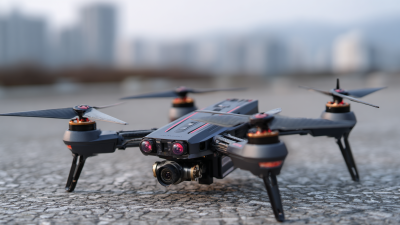
In 2025, the agricultural sector is witnessing a groundbreaking transformation, driven largely by innovative battery technologies designed for drones. These advancements are reshaping the efficiency and effectiveness of agricultural practices, allowing farmers to optimize their operations like never before. Modern batteries are smaller, lighter, and more powerful, enabling drones to fly longer distances and carry heavier payloads, which is crucial for tasks such as crop monitoring, irrigation management, and pesticide application.
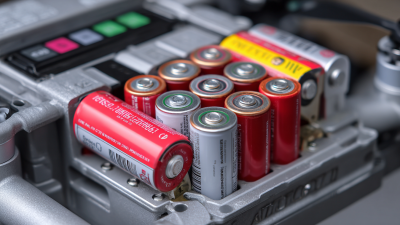
One of the most significant innovations is the emergence of solid-State Batteries, which offer higher energy density and improved safety compared to traditional lithium-ion batteries. These new power sources not only extend flight times but also reduce the risk of overheating and battery failure during critical farming operations. Additionally, integrated solar panel technology is making waves, allowing drones to recharge while in operation. This hybrid approach not only enhances flight endurance but also contributes to sustainable farming practices, minimizing the carbon footprint associated with agricultural machinery. Such advancements signify a promising future for smart farming, where efficiency and sustainability go hand in hand.
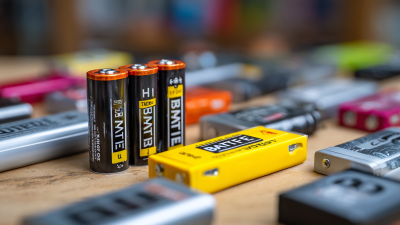
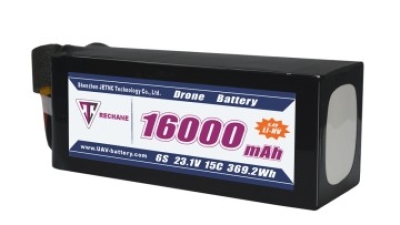
The JENTC 6s 16000mAh battery is a game-changer in enhancing drone performance, particularly for applications demanding long-lasting power and reliability. With a robust output of 22.8V and a generous capacity of 16000mAh, this semi-solid lithium polymer battery is engineered to meet the rigorous needs of both professional and recreational drone users. Its design not only caters to high energy demands but also ensures stable performance throughout extended flight times, making it ideal for capturing high-quality aerial footage or undertaking complex missions.
In addition to its impressive specifications, the JENTC battery meets numerous certifications, including RoHS, CE, and FCC, affirming its quality and compliance with safety standards. This commitment to excellence is critical for operators who rely on dependable power solutions. Moreover, the battery offers customization options, allowing users to place logos and choose tailored packaging, addressing the needs of businesses and enthusiasts alike. With flexible warranty terms spanning from 3 months to 1 year, the JENTC 6s 16000mAh battery stands out as a versatile and trustworthy choice for enhancing the performance of drones across various applications.
: The agricultural sector is experiencing a transformation driven by innovative battery technologies for drones, which enhance the efficiency and effectiveness of agricultural practices.
Solid-state batteries are a type of battery that offers higher energy density and improved safety compared to traditional lithium-ion batteries, extending flight times and reducing risks of overheating and battery failure during farming operations.
Battery capacity is crucial because a higher capacity allows drones to fly longer distances and cover more ground, enabling farmers to maximize crop monitoring and pesticide application.
Farmers should consider battery capacity (measured in milliampere-hours), charging time (for rapid recharging), durability, and weather resistance to ensure the batteries perform well in harsh conditions.
Premium drone batteries may have a higher upfront cost, but they often offer longer flight times, faster charging, and greater durability, leading to long-term operational efficiencies and lower maintenance costs.
Integrated solar panel technology allows drones to recharge while in operation, enhancing flight endurance and contributing to sustainable farming practices by minimizing the carbon footprint.
New battery technologies, such as solid-state and solar-integrated batteries, reduce the carbon footprint of agricultural machinery by enabling efficient drone operations with longer flight times and lower energy consumption.
Rapid charging capabilities reduce downtime, enabling farmers to quickly resume drone operations, thereby enhancing productivity and efficiency in agricultural tasks.
Durability is vital because agricultural environments can be harsh, and batteries need to withstand extreme temperatures, moisture, and dust to maintain their functionality and longevity.
Farmers can evaluate the value of drone batteries by weighing the cost against the efficiency and performance benefits, focusing on how well the battery supports their specific agricultural operations.
In 2025, the evolution of agricultural drone technology is heavily influenced by innovative battery solutions, particularly the Agricultural Drone Battery. With advancements in battery chemistry and design, these high-performance lithium batteries, like those from Shenzhen Jentc Technology Co., Ltd., facilitate enhanced efficiency and productivity on farms. Key features to consider when selecting an Agricultural Drone Battery include power capacity, charge time, and compatibility with various drone models, ensuring optimal performance tailored to specific farming applications.
Additionally, a comparative analysis of leading battery brands highlights the importance of balancing cost and efficiency, particularly when evaluating premium drone batteries. Best practices for battery usage can significantly maximize drone performance, while a focus on sustainability and longevity in battery development is shaping the future of agriculture. As the industry progresses, farmers will benefit from robust, efficient, and environmentally-friendly battery options that propel agricultural efficiency to new heights.