As the drone world keeps advancing, picking the right power source for your drone’s best performance is more important than ever — that’s no joke. Out there in the market, the Drone Battery 12-Volt really catches your eye because it works with so many different drone models. That means longer flights, more reliability — basically, it helps you get the most out of your drone. In this ultimate guide, we're going to check out the top 10 12-Volt Drone Batteries for 2025. We’ll talk about what they’re like, what’s great about each one, and their key specs — so you can make smarter choices when picking your next battery.

Leading the charge in battery tech is Shenzhen Jentc Technology Co., Ltd., a name folks trust when it comes to high-performance lithium batteries. Since 2011, they’ve been at the forefront, rolling out innovative stuff like 4.4V high-voltage batteries and super-fast charging lithium batteries. Jentc’s all about delivering energy solutions that meet the unique needs of drone pilots. This guide isn’t just about showcasing the best 12-Volt batteries on the market — we’ll also highlight how Jentc’s stuff can give your drone a performance boost, keeping things safe and efficient along the way.
Top Considerations for Selecting 12-Volt Drone Batteries in 2025
When selecting a 12-Volt drone battery in 2025, pilots should prioritize several key considerations to ensure optimal performance. The first critical factor is battery chemistry. Lithium Polymer (LiPo) batteries remain the most popular choice due to their high energy density and lightweight nature. According to a report by MarketsandMarkets, the drone battery market is projected to grow from USD 3.3 billion in 2020 to USD 12.1 billion by 2025, with LiPo accounting for a significant share due to its efficiency in high-drain applications.
Another important consideration is the discharge rate, commonly referred to as the "C rating." A higher C rating indicates a battery's ability to deliver energy quickly, which is essential for high-performance drones that require rapid power bursts for maneuvers or heavy payloads. The latest industry reports indicate that many top-rated batteries are now achieving C ratings upwards of 100C, enabling pilots to push their drones to new performance limits. Additionally, pilots should also evaluate the battery's capacity and cycle life, as these factors directly impact flight time and overall longevity, making it crucial for long-term investment.
Performance Metrics: What Makes a Battery Stand Out in Drones
When selecting a 12-volt drone battery, pilots should prioritize several critical performance metrics. The capacity, typically measured in milliamp hours (mAh), determines how long the battery can power the drone before needing a recharge. High-capacity batteries allow for longer flight times, enabling more extensive surveys or capturing more footage in a single outing. Pilots should look for batteries with at least 3000 mAh to ensure they get sufficient flight duration.
Another essential factor is the discharge rate, measured in C ratings. A higher C rating indicates that a battery can deliver power more quickly, which is vital for demanding maneuvers or carrying additional equipment. Pilots should consider their drone's specifications to choose a battery with a suitable discharge rate, ensuring optimal performance during flights.
**Tip:** Regularly check the battery’s voltage and temperature while in use to prevent overheating, which can lead to reduced lifespan or operational failure.
Additionally, battery weight can significantly affect flight efficiency. A lightweight battery will enhance maneuverability and reduce energy consumption, allow for longer durations in the air. Pilots should weigh their options carefully, balancing capacity and weight for their specific drone applications.
**Tip:** Invest in a high-quality charger to maintain battery health and avoid unnecessary wear caused by poor charging practices.
Performance Metrics of Top 10 12-Volt Drone Batteries
Top 5 12-Volt Drone Batteries for Professional Pilots in 2025
In 2025, the demand for high-performance 12-volt drone batteries among professional pilots is surging, driven by advancements in drone technology and the need for longer flight times. According to industry reports, professional drone operations now demand batteries that can sustain longer durations and deliver consistent power outputs. The leading batteries in this category not only enhance operational efficiency but also contribute to higher-quality aerial footage, making them essential for cinematography and surveying tasks.
Namely, the top five 12-volt drone batteries for professional pilots showcase features such as improved energy density and faster charging times. For instance, recent data indicates that lithium-polymer batteries are becoming increasingly popular due to their lighter weight and higher discharge rates. As a result, pilots can expect to see an increase in flight times, with the best models providing up to 40 minutes of continuous operation. This increased performance is crucial for capturing high-quality images and videos, especially in demanding environments where every minute counts in the field.
Moreover, the versatility of 12-volt batteries extends beyond just flight duration; they also enable the use of advanced imaging technologies, including thermal and multispectral cameras. In an environment where professionals rely on drones to capture wildlife or monitor landscapes, the right battery can significantly enhance the operational scope, providing reliability and longevity needed for challenging missions. The continued innovation in battery technology is setting new benchmarks for what professional pilots can achieve with their drones.

Comparative Analysis of Battery Life and Weight for Drones
When it comes to choosing the right 12-volt batteries for drones, a comparative analysis of battery life and weight is crucial for ensuring optimal performance in the field. According to the 2023 Drone Battery Performance Report, battery capacity, measured in milliamp-hours (mAh), directly correlates with the flight duration of drones. For instance, lithium-polymer batteries with a capacity of 5000mAh can provide an average flight time of approximately 25 minutes. In contrast, heavier 12-volt lead-acid batteries typically boast lower capacities, which can lead to reduced flight times and performance, making them less suitable for drone applications.

Weight is another significant factor that pilots must consider. The same report notes that every gram counts in the air, as increased weight directly affects the drone's maneuverability and energy consumption. Lightweight 12-volt lithium-ion batteries, for example, have become increasingly popular, offering about 30% less weight than traditional lead-acid options without sacrificing power. This allows pilots to maximize their drone's payload capacity and enhances the overall efficiency of its operations, a critical consideration when capturing high-quality aerial footage or when conducting detailed surveys. The balance between battery life and weight is vital for pilots aiming to improve their drone's functionality and extend its operational range.
Innovative Technologies Shaping the Future of Drone Batteries
As the drone industry continues to evolve, innovative technologies are reshaping the future of drone batteries. A recent report from the Drone Battery Research Institute predicts a 30% increase in energy density over the next five years, enabled by advancements in lithium-sulfur and solid-state battery technologies. These innovations not only promise longer flight times but also reduce the weight of batteries, crucial for improving aircraft efficiency and payload capacity.
Tips: When selecting a battery, consider its energy density and charge cycles. Higher energy density means more power packed into a lighter battery, while more charge cycles indicate a longer lifespan and better overall value for your investment.
Moreover, the integration of smart battery management systems (BMS) is becoming increasingly common. These systems monitor battery health, optimize charging, and prevent over-discharge, significantly enhancing safety and reliability. According to a survey by UAV Battery Trends, nearly 60% of pilot-reported incidents were linked to battery failure. By prioritizing BMS-equipped batteries, pilots can mitigate risks and ensure their drones operate at peak performance.
Tips: Regularly check your battery management system for updates and calibrations. Keeping your BMS software updated can help optimize performance and extend the life of your batteries.
User Reviews: Insights from Pilots on the Best 12-Volt Options
In the pursuit of high-performance drones, the choice of a reliable battery is crucial for pilots. According to a report by Drone Industry Insights, nearly 45% of drone failures can be attributed to battery issues. This statistic highlights the importance of selecting the right 12-volt battery, which provides essential power for both flight and payload performance. User reviews reveal that pilots favor batteries that offer not only high energy density but also superior cycle life, with many opting for lithium polymer (LiPo) options due to their lightweight and efficient energy output.
Pilot feedback consistently points to several standout brands when it comes to 12-volt drone batteries. Data from various forums indicates that many users have had positive experiences with brands like Turnigy and Gens Ace, particularly for their reliability and longevity. One satisfied pilot noted that a high-capacity 12-volt configuration allowed for extended flight times, enhancing the overall experience. As the demand for drones continues to grow, the evolution of battery technology remains at the forefront, with ongoing innovations promising even greater efficiency and performance in 2025 and beyond.
Exploring the Benefits of JENTC Lipo Batteries for UAVs: Insights from Recent Industry Reports on Performance and Efficiency
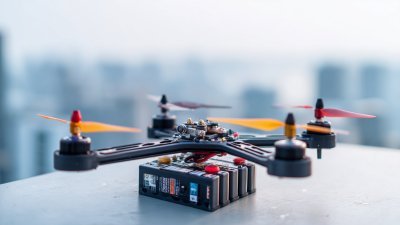
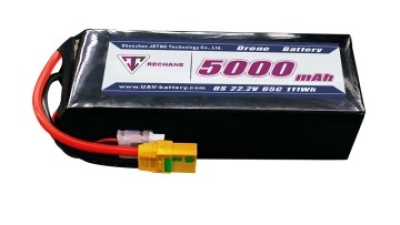
The evolution of drone technology has paved the way for the adoption of advanced battery solutions, and the JENTC FPV 6s 5000mAh 65C lithium polymer battery stands out as a key player in this transformation. Specifically designed for unmanned aerial vehicles (UAVs), this battery delivers a robust and stable output of 22.2V, making it ideal for high-performance applications. Reports from industry experts emphasize the efficiency and performance of JENTC batteries, noting their ability to support extended flight times and enhance overall UAV operation, which is crucial for both commercial and recreational use.
Not only does the JENTC battery excel in technical performance, but it also adheres to rigorous safety standards, holding RoHS, CE, and FCC certifications. This ensures that users can rely on its safety and reliability, even in challenging environments. Furthermore, the customization options for logos and packaging allow businesses to tailor the product to their specific branding needs, further enhancing its appeal. As the UAV market continues to expand, the advantages offered by JENTC Lipo batteries are becoming increasingly recognized, solidifying their place as a preferred choice among enthusiasts and professionals alike.
FAQS
: Battery capacity, measured in milliamp hours (mAh), determines how long a drone can operate before needing a recharge. Pilots should look for batteries with at least 3000 mAh for sufficient flight duration.
The discharge rate, measured in C ratings, indicates how quickly a battery can deliver power. A higher C rating is essential for performing demanding maneuvers or carrying additional equipment effectively.
The weight of the battery impacts the drone's maneuverability and energy consumption. A lightweight battery enhances flight efficiency and allows for longer durations in the air.
Lithium-polymer batteries, particularly with capacities around 5000 mAh, typically offer longer flight times, averaging about 25 minutes, compared to heavier lead-acid batteries.
Innovations such as lithium-sulfur and solid-state batteries are expected to increase energy density by 30% over the next five years, leading to longer flight times and reduced battery weight.
Smart BMS enhances battery safety by monitoring health, optimizing charging, and preventing over-discharge. This can significantly reduce pilot-reported battery failure incidents.
Pilots should regularly check the battery's voltage and temperature during use, invest in quality chargers, and ensure their battery management systems are updated for optimal performance.
Batteries with higher charge cycles indicate longer lifespans, meaning they can endure more charges and discharges, providing better overall value for pilots' investments.
Lighter drone batteries can decrease energy consumption and improve maneuverability, allowing pilots to maximize payload capacity and operational efficiency.
Nearly 60% of incidents reported by pilots were linked to battery failure, highlighting the importance of choosing reliable battery systems and maintaining them properly.
Conclusion
The "2025 Top 10 12-Volt Drone Batteries: Ultimate Guide for Pilots" explores essential factors to consider when selecting drone batteries, emphasizing performance metrics that distinguish high-quality options. As the drone industry continues to evolve, understanding battery life and weight becomes crucial for professional pilots seeking optimal performance. Notably, the article highlights the top five 12-Volt drone batteries currently favored by experts, providing comparative analyses to aid in informed decisions.
In line with the advancements in battery technology, innovative solutions are shaping the future of drone batteries. User reviews further enrich the discussion by offering insights into pilots' experiences with various 12-Volt options. As a leader in high-performance lithium battery solutions, Shenzhen Jentc Technology Co., Ltd. aligns with these trends by offering specialized batteries, including those designed for the demanding needs of drone operations.