In today’s fast-changing world of agriculture, choosing the right Agricultural Drone Battery is a pretty big deal if you wanna do things efficiently. Dr. Emily Carter, who’s pretty much an expert in ag tech, points out, “The right battery can really boost how well your drone performs and how effectively you can monitor your crops.” With so many options out there, farmers often find themselves stuck trying to pick the best one — it’s not always easy!
Getting a good grasp of what matters—like capacity, weight, and how many recharge cycles a battery can handle—is super important. For instance, a lighter Agricultural Drone Battery can help your drone fly longer, but you gotta find that sweet spot — enough power without sacrificing durability. Surprisingly, lots of farmers underestimate just how much their choice of battery can influence their day-to-day operations and costs. And honestly, with all the innovation happening, it can get pretty confusing.
As technology keeps moving forward, even seasoned pros have to stay on their toes. Dr. Carter stresses, “Keeping yourself updated is really the key.” It’s not just about checking out specs; chatting with reputable suppliers and getting their advice can make a huge difference. Bottom line: making smart, well-informed decisions in this industry can really pay off, helping you get the most out of your resources and bumping up productivity. Sure, picking the right Agricultural Drone Battery might involve some trial and error, but it’s totally worth it in the end.
Understanding the Importance of Battery Efficiency in Agricultural Drones
Battery efficiency is crucial for agricultural drones. It directly affects flight time, operational cost, and effectiveness in the field. A well-functioning battery can enhance the profitability of agricultural practices. Farmers rely on drones for crop monitoring, planting, and spraying. Each task demands significant energy, so choosing the right battery is essential.
When selecting a battery, consider its capacity and discharge rate. These factors influence how long a drone can fly before needing a recharge. Efficient batteries can save time and energy, allowing for longer missions. However, not All Batteries are created equal. Some may not meet the energy needs required for larger fields or detailed surveys.
Farmers often overlook battery maintenance. This oversight can lead to reduced performance and lifespan. Regular checks can identify potential issues early. Drone technology is evolving, but battery efficiency remains a challenging aspect. A good understanding of your drone's energy requirements can lead to better choices. Test various options to find a balance between performance and cost.
Top Tips for Choosing Agricultural Drone Battery Efficiently
| Battery Type | Capacity (mAh) | Voltage (V) | Weight (g) | Flight Time (min) | Charge Time (hrs) | Efficiency Rating |
| Lithium Polymer (LiPo) | 5000 | 22.2 | 520 | 25 | 1 | High |
| Lithium-ion (Li-ion) | 8000 | 22.2 | 650 | 30 | 1.5 | Medium |
| Nickel-Metal Hydride (NiMH) | 4500 | 6.0 | 550 | 20 | 2 | Low |
| Solid-state Battery | 6000 | 24.0 | 700 | 35 | 2 | Very High |
Key Factors to Consider When Selecting Drone Batteries for Agriculture
When selecting batteries for agricultural drones, several key factors come into play. The capacity is crucial; it determines how long a drone can operate. A higher capacity often provides longer flight times, which is essential for completing large field surveys. Reports indicate that drones with a capacity of at least 16,000 mAh deliver optimal performance in extensive agricultural tasks.
Another factor is battery weight. Heavier batteries can reduce drone efficiency and increase operational costs. A well-balanced weight-to-capacity ratio can enhance maneuverability and energy consumption. According to a recent study, drones equipped with lightweight batteries demonstrate a 30% increase in efficiency. It’s important to aim for a Quad Drone Battery that offers both performance and weight optimization.
Additionally, understanding battery technology is vital. LiPo batteries are commonly used in agricultural drones for their high energy density. However, they can be sensitive to temperature and require proper care. Mismanagement can lead to reduced lifespan and performance. Reviews on drone performance highlight that around 20% of farmers experience issues with battery longevity and reliability. A thorough analysis and regular check-ups can mitigate these risks.
Types of Batteries Commonly Used in Agricultural Drones
When selecting batteries for agricultural drones, understanding the common types used is crucial. Lithium-ion batteries dominate the market due to their high energy density and longevity. Typically, these batteries can last from two to five years, depending on usage and care. A report by the Agricultural Drone Use Survey in 2022 indicated that approximately 70% of farmers prefer lithium-ion options for their efficiency in energy output.
Another prevalent choice is lithium polymer (LiPo) batteries. These batteries are lighter than their lithium-ion counterparts, making them suitable for smaller drones. However, they require careful handling, as they can be sensitive to overcharging. Data shows that while LiPo batteries offer high discharge rates, their life cycle can be shorter—around 300 to 500 cycles. This might not be ideal for all agricultural applications.
Farmers should also consider the advantages of nickel-metal hydride (NiMH) batteries, which offer excellent thermal stability. They can operate efficiently in varying temperatures. However, they have a lower cycle life compared to lithium batteries. An important factor to keep in mind is the required voltage; for many agricultural drones, a "Drone Battery 3.7v" configuration is optimal. Evaluating these options against operational needs can improve overall efficiency in drone usage.
Evaluating Battery Capacity and Flight Time Requirements
When evaluating battery capacity for agricultural drones, it's crucial to understand your specific flight time requirements. Many agricultural operations require extensive coverage in a single flight. Data indicates that average flight times range between 20 to 35 minutes. This trend suggests that farmers should focus on batteries that provide at least 30 minutes of active flight time for optimal efficiency.
Battery capacity, measured in milliamp hours (mAh), plays a significant role in determining flight duration. A battery with a higher mAh rating typically allows for longer flight times. However, heavier batteries may negatively impact payload capabilities. This trade-off is critical. For instance, a lightweight drone with a 6000 mAh battery can achieve up to 35 minutes in the air. But the added weight can limit the amount of agricultural equipment it can carry.
Additionally, it’s essential to consider how varying weather conditions might impact battery performance. Cold temperatures often reduce battery efficiency, resulting in decreased flight time. Acknowledging these factors helps ensure that the drone can perform reliably in diverse agricultural environments. Evaluating these aspects carefully contributes to more effective drone operations in precision agriculture.
Assessing the Impact of Weight and Size on Drone Performance
When choosing an agricultural drone, weight and size are crucial factors impacting its overall performance. Lightweight drones can maneuver better, especially in tight spaces. A drone that is too heavy can struggle with altitude and stability. It's essential to assess how these attributes affect the drone’s battery efficiency. For instance, using a Drone Battery 3.7 V 800mah can provide an optimal balance between weight and flight duration.
Battery weight plays a pivotal role in operational efficiency. A heavier battery may lead to quicker energy depletion, reducing the drone's working time. Conversely, a lighter battery could improve flight capability but may lack sufficient power. Evaluating this trade-off is vital. You might find that the perfect battery size isn’t always obvious. It requires careful consideration of your specific agricultural needs and terrain.
Size also influences the overall design and aerodynamics of the drone. A compact drone may fit easier in various environments but could have reduced battery space. This can lead to potential performance issues. It's important to think critically about these factors. Sometimes, the best decision involves a bit of trial and error. Finding the right balance can make a significant impact in agricultural efficiency.
Top Tips for Choosing Agricultural Drone Battery Efficiently
This chart compares the performance of various drone batteries in terms of weight (grams) and flight time (minutes). The goal is to understand how these factors influence overall drone efficiency.
Maintenance Tips for Maximizing Battery Life in Drones
Maintaining your drone's battery is crucial for efficient operation. Regularly check for any signs of damage. Visual inspections can help you spot issues early. Over time, batteries can develop problems that may not be obvious at first. Noticing these signs can save you money in the long run.
Consider the usage patterns of your drone. Frequent full discharges can shorten battery life. Aim for partial discharges instead. This habit helps maintain capacity over time. Using a Fast-Charging Drone Battery is useful but be mindful. Overcharging can lead to overheating and reduce lifespan. Charge your batteries in a controlled environment.
Store your batteries properly when they aren't in use. A cool, dry place is ideal. Leaving batteries in extreme temperatures can degrade their performance. Regularly calibrate your battery to ensure accurate readings. This practice is often overlooked but can make a significant difference in efficiency. Take these steps to maximize the lifespan of your drone batteries.
Future Trends in Agricultural Drone Battery Technologies
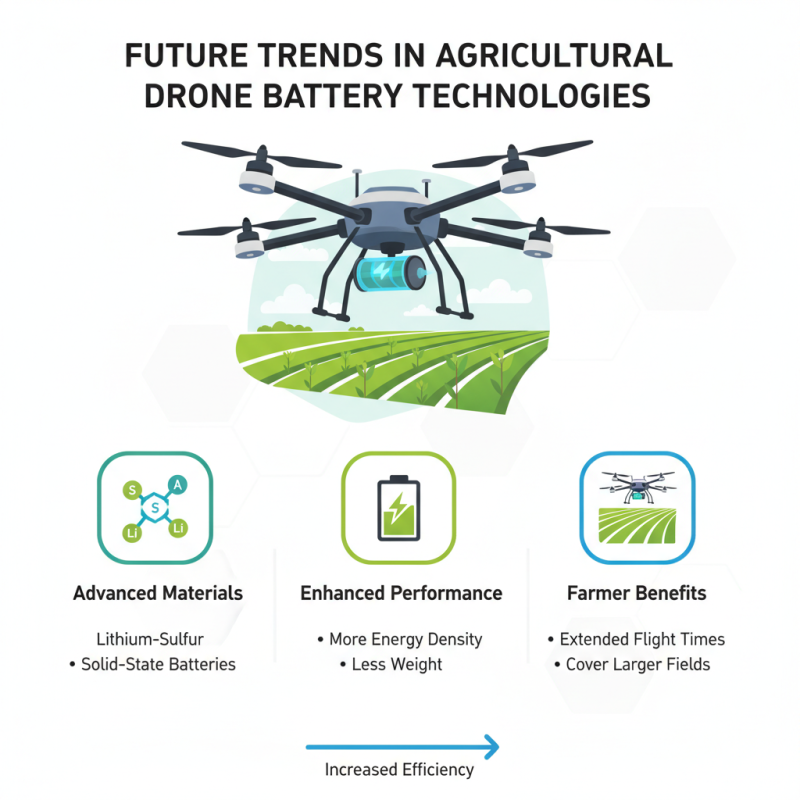
The future of agricultural drone battery technology is evolving rapidly. Innovations in battery materials, such as lithium-sulfur and solid-state batteries, promise more energy and less weight. These new technologies could extend flight times. Farmers will benefit from drones capable of covering larger fields without frequent recharging.
Improved energy density is a key focus. Upcoming batteries aim to provide longer durations. However, durability remains a concern. Will these advanced batteries last through various weather conditions? This uncertainty prompts further innovation. Affordable solutions must balance performance and cost-effectiveness to cater to all farmers.
Moreover, the integration of renewable energy sources is gaining traction. Solar-powered drones highlight the potential for sustainable farming. However, solar efficiency can vary. Farmers must assess whether this tech suits their local conditions. Future advancements will likely prioritize user needs, but the road ahead is not without challenges and reflection.
FAQS
: Battery efficiency affects flight time, operational cost, and effectiveness in the field.
Consider capacity and discharge rate. These influence flight duration before recharging.
Overlooking maintenance can reduce performance and lifespan. Regular checks help identify issues.
Average flight times range from 20 to 35 minutes. Look for batteries providing at least 30 minutes.
Higher milliamp hours (mAh) ratings typically allow for longer flight times but may add weight.
Cold temperatures can reduce battery efficiency, leading to shorter flight times.
Innovations like lithium-sulfur and solid-state batteries promise longer durations and reduced weight.
Solar-powered drones show potential for sustainability but require assessment for local conditions.
Durability across various weather conditions and cost-effectiveness are areas needing further improvement.
Understanding energy requirements and testing various batteries can enhance performance and efficiency.
Conclusion
Choosing the right Agricultural Drone Battery is crucial for enhancing efficiency and effectiveness in farming operations. Understanding battery efficiency within agricultural drones can significantly impact performance, so it's essential to consider key factors such as battery type, capacity, and flight time requirements. Different battery types, including lithium-ion and lead-acid, each offer unique benefits that can influence their suitability for specific agricultural tasks.
Additionally, evaluating the impact of battery weight and size is important, as these factors directly affect drone performance and maneuverability. Proper maintenance practices are vital for maximizing battery life, ensuring that the drones can operate at peak efficiency for longer periods. Looking ahead, emerging trends in agricultural drone battery technologies promise innovations that will further enhance energy efficiency and operational capabilities, helping farmers to optimize their aerial applications.