Inquiry
Form loading...
You know, in today's world, aerial security is super important, and because of that, there’s been a huge uptick in the need for advanced surveillance tech. Surveillance drones are a big part of that picture, helping us keep an eye on and protect different environments. But here’s the thing: how well they work really depends on the quality of their power sources. That’s where Shenzhen Jentc Technology Co., Ltd. comes in, really standing out as a leader in high-performance lithium Battery Solutions. Since 2011, they've been offering a wide range of specialized batteries—like those 4.4V high-voltage ones, fast-charge lithium batteries, and even AGV lithium batteries—all designed to amp up the efficiency and lifespan of surveillance drones. As we dive into how aerial security has changed over time, it’s pretty clear that innovative battery solutions for these drones are key to unlocking their full potential.
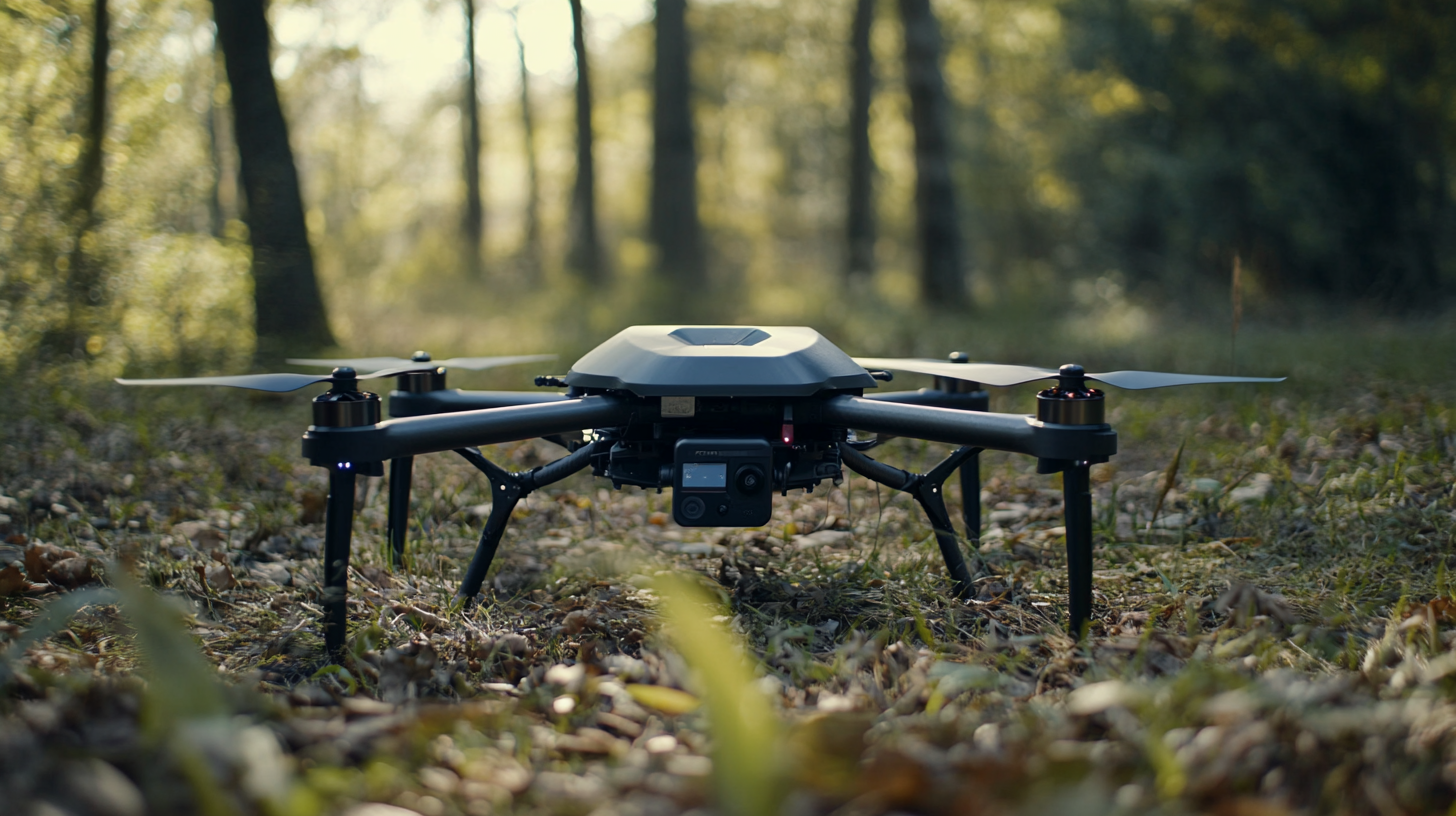
You know, the aerial surveillance market is really booming right now! It’s crazy to see how much it’s changed—those advanced security solutions are becoming a must-have. Just look at the Target Drones Market; it's projected to grow from about $4.5 billion in 2022 to a whopping $6.4 billion by 2027! That’s a solid jump, fueled by a 7.4% CAGR. It really shows that drones are moving away from just being fun gadgets for hobbyists and are becoming vital for security tasks like monitoring, reconnaissance, and threat detection.
Over in Europe, the commercial drone scene is also gearing up for some exciting advancements. Factors like betteR Battery life and innovative surveillance tech are shaping this growth. As threats like smuggling and unauthorized surveillance keep evolving, there's a growing need for reliable drone detection and countermeasures. It’s quite alarming! The Drone Detection Market is expected to climb from $659.4 million in 2024 to around $2.3 billion by 2029! That’s a clear sign we need some effective aerial security strategies to tackle these rising threats. Basically, the fusion of cutting-edge technologies in drones is a game-changer for the commercial landscape.
You know, as more folks look for better aerial security solutions, drone tech is really stepping up its game. And one of the biggest players in this transformation? Batteries! The new Battery Tech isn’t just boosting drone performance; it's totally changing what these machines can do for aerial surveillance. With new lithium-sulfur and solid-state batteries coming on the scene, we're talking about drones that can fly for much longer, making them super efficient. Now, they can cover way more ground without needing to stop for a charge, which is a game-changer for security and surveillance roles.
Plus, lighter battery systems are really making a difference too. When engineers can shave off some pounds from the power sources, they can design drones that can pull off some pretty impressive aerial tricks—ideal for keeping an eye on large areas or tracking something fishy in real-time. And, let’s not forget that these energy-dense batteries mean drones can now carry better tech, like high-res cameras and sensors that really kick their surveillance game up a notch. As these battery innovations keep rolling out, we're heading into a whole new chapter of aerial security that's going to be more efficient, effective, and reliable than anything we've seen so far. It’s pretty exciting stuff!
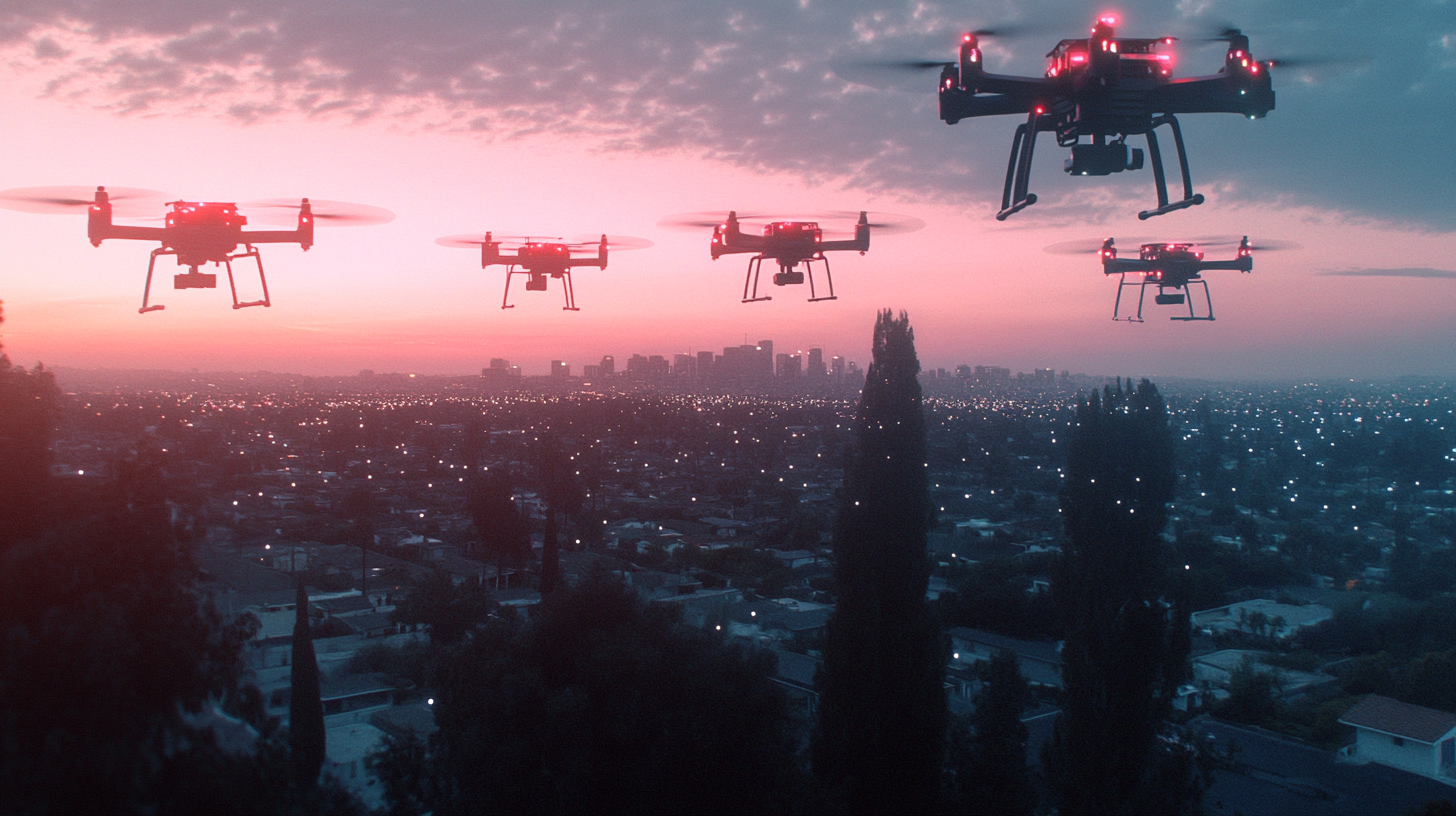
You know, as the need for aerial surveillance keeps increasing, it's super important that drone operations are both efficient and reliable. Up until now, drones have mostly relied on good old lithium-ion batteries. And sure, they work fine, but they often struggle to keep up when it comes to longer flight times and carrying heavy loads. These traditional batteries have their share of drawbacks—like limited charge cycles and not lasting very long—which can really hold back what drones can do, especially for security tasks where you might need to keep an eye on things for a while.
But here’s the exciting part: new battery technologies are gearing up to really change the game for drone performance. Things like solid-state batteries and advanced lithium-sulfur options are on the scene, and they could offer way more energy without weighing drones down. That's a win-win! Not only does this mean longer flights and the ability to carry more, but it also makes drones safer—less chance of overheating. It’s pretty clear that these advancements could totally transform aerial security, allowing drones to stay in the air longer and tackle more challenging missions. This really boosts their ability to watch over and protect critical infrastructures.
So, when we compare everything, it’s clear that security operations have a huge opportunity to tap into these next-gen battery technologies. By switching to these better energy solutions, aerial surveillance could shift from being just reactive to becoming more proactive. And in the end, that could change the whole way security is handled in those big, complex areas.
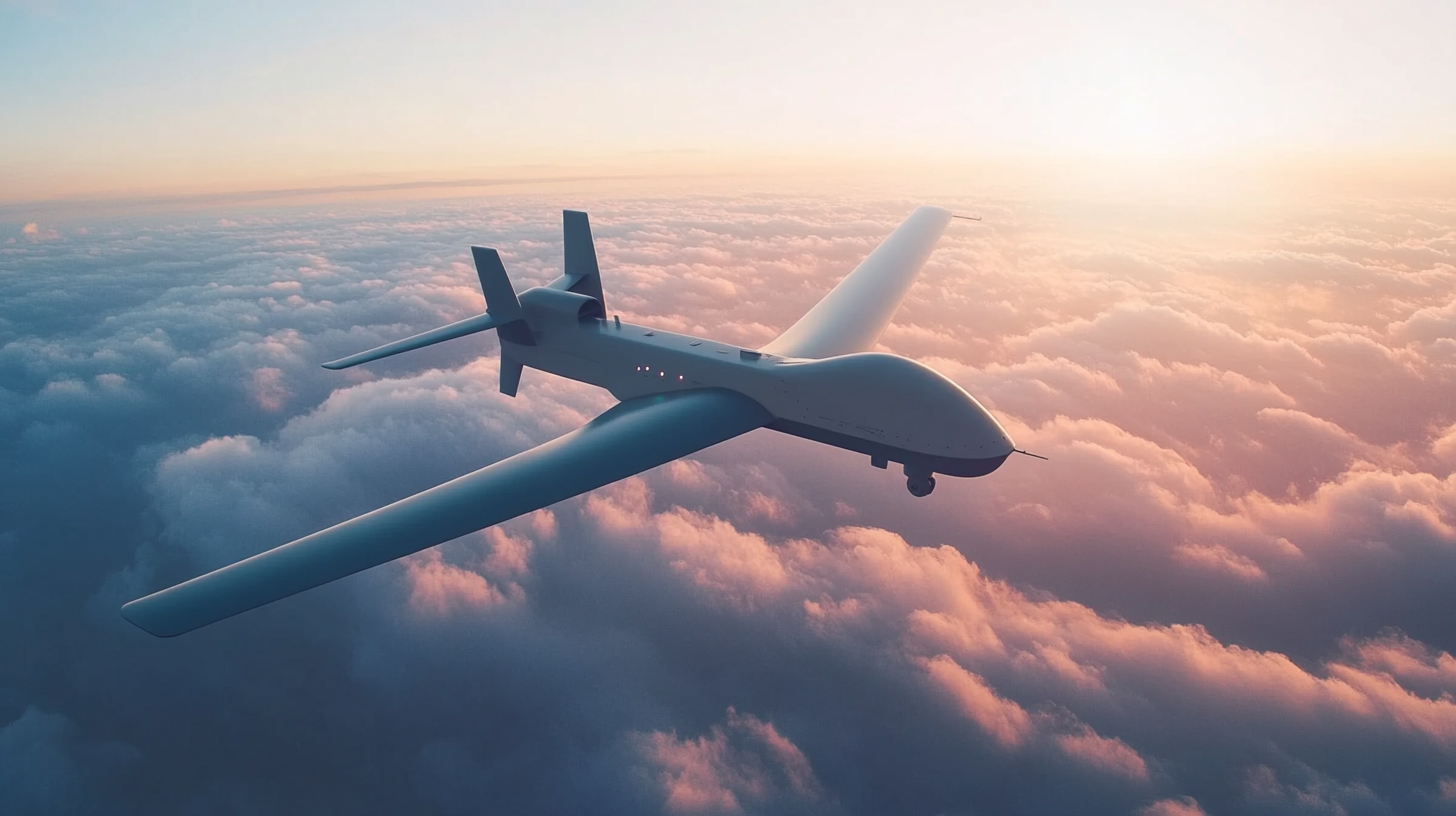
You know, the world of aerial security is really on the verge of a game-changer, especially with all the cool new developments in battery technology for surveillance drones. I mean, recent studies have shown that better battery solutions can really amp up drone surveillance. We’re talking about longer flight times and improved efficiency here! A report by MarketsandMarkets even suggests that the drone battery market is expected to hit a whopping $1.2 billion by 2025, and guess what? It's mostly thanks to those innovative lithium polymer and solid-state batteries. These advanced batteries can boost flight durations from 30 minutes to more than an hour, which means drones can cover way more ground and keep an eye on things for much longer.
And let’s not forget about smart battery management systems—those things can really help optimize energy use, letting drones operate in tougher conditions. A recent PwC survey highlighted that about 67% of security professionals think that improved surveillance capabilities could seriously boost their operational effectiveness. Imagine drones flying around with these next-gen batteries, delivering real-time footage and data for extended periods. It’s like having a new edge for immediate response in security situations! Honestly, this leap in battery tech could totally change the way we handle surveillance operations, leading to more efficient and effective security measures across the board.
You know, the world of drone tech is really picking up speed these days. It’s like we’re caught in this whirlwind of changing regulations that can be a bit of a headache but also open up some really cool opportunities for innovation. With aerial surveillance becoming such a big deal for security operations, drone operators have to navigate this tricky maze of rules to make sure they’re keeping up with safety and privacy standards. It’s no small feat, and it requires a solid grasp of the various laws out there—local, national, and even international—that seem to change on a dime as tech progresses. So, companies really need to buckle down and invest in smart compliance strategies to avoid any nasty legal surprises.
But here’s the silver lining: within all these challenges lie chances to create the next big thing in surveillance drones that not only meet but actually surpass those regulations. Think about it—innovative battery tech could really amp up drone performance, giving them longer flight times and better efficiency, which is super important for real-time aerial spying. Plus, companies that take the initiative to chat with regulatory bodies aren’t just being responsible; they're also helping to shape what drone regulations will look like down the line. By treating compliance as a core principle, the whole industry can build trust and make it easier for people to get on board with drone technology across different fields. In the long run, this could totally change the game for aerial security.
You know, the whole scene of aerial security is really about to change—thanks to some cool breakthroughs in battery tech for surveillance drones! A recent report from ResearchAndMarkets even mentions that the global drone battery market is set to grow by an impressive 15.3% each year from 2021 to 2028. That's a big deal since everyone wants drones that can stay in the air longer and perform better, especially in those high-stakes security situations. It’s crazy how those extra minutes can totally make or break a mission, right?
We're talking about battery innovations like solid-state batteries and energy-packed lithium-sulfur options that could seriously boost the effectiveness of these drones. And here’s the kicker—this isn’t just some small upgrade. A report from Allied Market Research suggests that by 2025, the energy density of drone batteries might hit up to 300 Wh/kg, which means they can go further and do more sophisticated surveillance. As drones become essential for real-time monitoring and quick responses in fields like law enforcement and disaster management, these advanced battery solutions are going to play a huge role in reshaping how we think about aerial security strategies.
| Battery Type | Energy Density (Wh/kg) | Charge Time (hrs) | Lifespan (cycles) | Weight (kg) | Cost ($) |
|---|---|---|---|---|---|
| Lithium-Ion | 150 | 1.5 | 800 | 1.5 | 300 |
| Lithium Polymer | 200 | 1 | 1000 | 1.2 | 250 |
| Solid-State | 300 | 2 | 2000 | 1.0 | 600 |
| Lithium-sulfur | 500 | 4 | 600 | 1.8 | 400 |
: The Target Drones Market is expected to expand from USD 4.5 billion in 2022 to USD 6.4 billion by 2027, reflecting a 7.4% CAGR.
Drones are transforming from mere recreational tools to essential instruments for security, particularly in monitoring, reconnaissance, and threat detection.
The increase in sophisticated threats such as smuggling and unauthorized surveillance is leading to a rising demand for reliable drone detection and countermeasures.
The Drone Detection Market is projected to rise from USD 659.4 million in 2024 to USD 2,329.9 million by 2029.
Innovative battery technologies, such as lithium-sulfur and solid-state batteries, enhance drone performance by providing longer flight durations and increasing operational efficiency.
Lightweight battery systems improve the agility and maneuverability of drones, allowing them to execute complex aerial maneuvers for better surveillance capabilities.
Energy-dense batteries enable drones to carry advanced payloads, such as high-resolution cameras and sensors, enhancing their surveillance effectiveness.
The commercial drone market in Europe is influenced by advancements in battery solutions and innovative surveillance capabilities, responding to emerging security threats.
As innovative battery solutions evolve, aerial security is set to become more efficient, effective, and reliable with advanced drones.
The urgent need arises from the sophistication of emerging risks in security, such as smuggling and unauthorized surveillance, necessitating improved aerial security solutions.