Figuring out how to navigate the Battery Sourcing scene in Europe can be pretty tricky sometimes. With everyone pushing for more sustainable tech, getting a grip on theBattery Europe market is more important than ever for making smart global procurement calls. It’s not just about finding enough batteries; it’s also about building reliable partnerships and really understanding regional nuances.
Many companies struggle to find trustworthy suppliers, and let’s be honest, doing your homework on manufacturers who meet European standards is a must. Checking out their production capacities and how committed they are to sustainability really helps paint the full picture. And talking to industry experts? That can be super helpful, but you do need to sift through all the noise to find what’s genuinely useful.
Even big names in the biz can sometimes slip up on quality or transparency, so putting a solid evaluation process in place for your suppliers is key. Trust me, focusing on reliability upfront can save you a lot of headaches down the road. In the end, having a well-thought-out, informed strategy makes a huge difference when you're trying to succeed in the competitive 'Battery Europe' market.

Understanding the European battery market entails recognizing its complexities and dynamics. The market is diverse, with numerous players involved in the supply chain. [图片] Local manufacturers and multinational companies both contribute significantly. This variety can make sourcing batteries challenging yet rewarding.
Key players in this landscape include battery manufacturers, cell producers, and recycling companies. Each has a role to play in the ecosystem. Manufacturers often focus on innovation, while recyclers handle sustainability. Collaboration among these stakeholders is crucial for efficiency. However, navigating regulations can be daunting. Compliance with European laws requires careful planning.
Sourcing in Europe also means considering regional nuances. Different countries have varying strengths. For instance, some excel in lithium-ion technology, while others focus on nickel-cobalt solutions. Understanding these distinctions can enhance procurement strategies. There's a need to reflect on potential pitfalls, such as supply shortages or fluctuating prices. Engaging local experts may provide insights that improve sourcing outcomes.
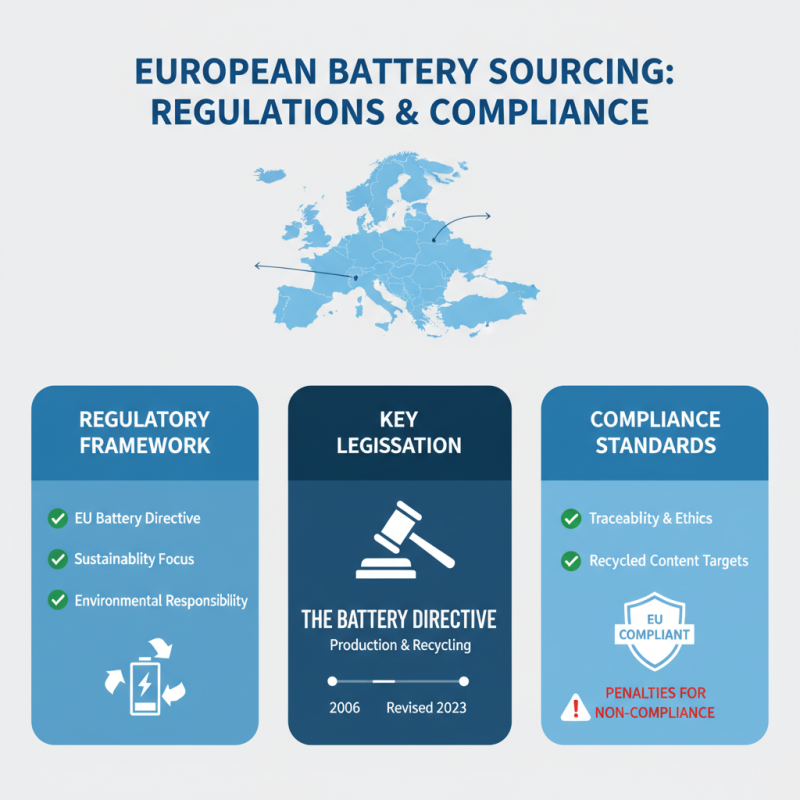
Sourcing batteries in Europe involves navigating a complex regulatory framework. The European Union has stringent regulations surrounding battery production and recycling. Key legislation includes the Battery Directive, targeting sustainability and environmental responsibility. Companies must ensure compliance with these regulations or face penalties.
Notably, the European Commission estimates that by 2030, the market for batteries will surpass €250 billion. This growth underscores the need for suppliers to adhere to compliance standards. Moreover, the recent framework emphasizes the importance of responsible sourcing. Companies are not only accountable for their products but also for their supply chains.
Tips:
1. Stay informed about evolving regulations. Regular updates from the European Commission can aid compliance efforts.
2. Develop relationships with certified suppliers. This can ensure adherence to required standards.
3. Implement transparency strategies in your supply chain. This builds trust and can safeguard against regulatory breaches.
Identifying and evaluating potential battery suppliers in Europeis crucial for any global procurement strategy. The European market offers a diverse range of companies, but finding the right fit is essential. Start by researching suppliers who specialize in the specific Battery Technology you need. Look for manufacturers with a proven track record and good reviews.
Tips: Always check for certifications. Quality standards are necessary for battery production. This will help you ensure safety and reliability in use. Look at the supplier's sustainability practices as well. Many companies are shifting towards eco-friendly solutions.
Establish clear communication channels with potential suppliers. This will help gauge their responsiveness and professionalism. Ask about their production capabilities and lead times. Supplier transparency is vital; ensure they can provide detailed information on sourcing materials. Reflect on your findings and consider having backup suppliers. This strategy mitigates risks associated with supplier dependency.
Tips: Utilize trade shows and industry networks. These can provide valuable contacts and insights directly from manufacturers. Don't overlook smaller suppliers; they may offer unique advantages. Engage in discussions to understand their competitive edges.
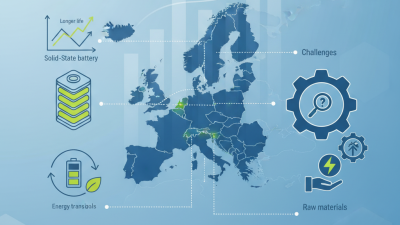
Battery technology continues to evolve rapidly. Among the leading options, lithium-ion batteries are often preferred for their energy density and efficiency. Reports indicate that by 2025, lithium-ion technology could capture over 70% of the global battery market, driven by a shift towards electric vehicles and renewable energy storage. However, alternatives exist. Solid-state batteries and lithium-sulfur batteries offer promising benefits, including higher safety and potential for greater capacity.
Despite lithium-ion's popularity, challenges persist. Supply chain vulnerabilities have raised concerns, emphasizing the need for robust sourcing strategies. A recent study highlighted that sourcing from Europe can mitigate risks related to geopolitical tensions and raw material shortages. Understanding the trade-offs between technologies is crucial for procurement decisions. For instance, while Lipo batteries offer advantages in weight and flexibility, they may necessitate complex manufacturing processes.
The comparative analysis shows that while lithium-ion may dominate today, emerging technologies could redefine the landscape. Companies must evaluate their long-term strategies based on market trends and technological innovations. In this context, sourcing batteries in Europe could present a strategic opportunity to balance quality and reliability in the ever-evolving battery market.
Logistics and transportation are critical in battery procurement. The European battery market is expanding rapidly. According to a Market Research Future report, it is projected to grow at a CAGR of 17.5% from 2020 to 2027. This growth is driven by the increased demand for electric vehicles and renewable energy storage.
Transporting batteries, however, is not without challenges. The hazardous nature of batteries requires compliance with strict regulations. Transportation by road, rail, or air varies in risk and cost. Companies must navigate complex logistics networks. Inconsistent shipping times can delay projects and inflate costs. Battery Plus Battery solutions emerge as a necessary strategy for efficient sourcing.
A recent analysis by GlobalData shows that logistics efficiency directly impacts procurement costs. Inefficient routes may increase expenses by 30%. Businesses must rethink their logistics strategies to reduce waste and improve delivery times. Investing in technology to track shipments can streamline the process. Ultimately, understanding these dynamics is crucial for successful battery procurement in Europe.
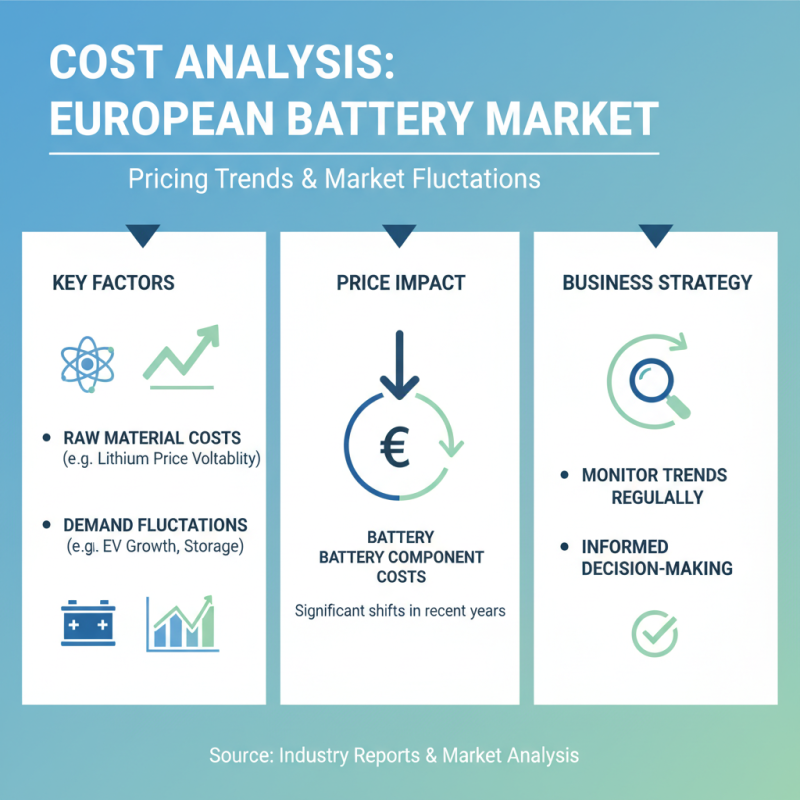
When sourcing batteries in Europe, understanding pricing trends is crucial. The battery market is highly volatile. Factors such as raw material costs and demand fluctuations impact prices significantly. For instance, lithium prices have seen substantial shifts in recent years, affecting the overall cost of battery components. Monitoring these trends regularly can help businesses make informed decisions.
Tips for analysis include setting up price alerts. Stay updated on market reports to spot trends. Demand can fluctuate based on technological advancements or consumer preferences. This means that a price today might not reflect future costs. It's wise to network with experts or join relevant industry groups to gather insights.
When considering a Battery Pack Battery, look into various suppliers. Pricing structures can vary widely. Some suppliers might offer better rates on bulk orders, while others could focus on niche markets. Be cautious about relying on a single source. Diversifying suppliers may mitigate risks tied to market fluctuations. Understanding the nuances of the European battery market can provide a competitive edge in global procurement.
Sourcing batteries in Europe brings unique sustainability challenges. The demand for eco-friendly practices in the battery industry is rising. Many companies aim to minimize their environmental impact while ensuring efficient operations. Understanding current trends is essential.
**Tips:** Research local regulations on battery sourcing. Compliance is vital for sustainable practices. Explore partnerships with suppliers committed to ethical sourcing. Prioritize those who reduce carbon footprints in their production processes.
Consider the lifecycle of batteries. Battery Replacement Battery practices can help in waste reduction. Companies should establish recycling programs. This not only supports sustainability but also encourages a circular economy approach. Sustainability isn’t just a trend; it’s becoming necessary in the procurement process.
Another aspect to monitor is the use of raw materials. Sourcing responsibly from certified suppliers is crucial. This helps mitigate the environmental impact of mining activities. Companies should continuously reflect on their supply chain practices to ensure sustainability. Emphasizing sustainability can cultivate long-term benefits and trust with consumers.
: The market is diverse, with many local and multinational players. It can be challenging yet rewarding.
Key players include manufacturers, cell producers, and recyclers. Each plays a vital role in the ecosystem.
Different countries have varying technological strengths. Challenges include supply shortages and fluctuating prices.
Logistics and transportation are critical. Inefficient routes can inflate costs by 30% and delay projects.
Monitor raw material costs and demand fluctuations. Set up price alerts to stay informed on market reports.
Investing in technology to track shipments can streamline logistics. Rethinking logistics strategies is essential.
Yes, engaging local experts provides valuable insights. They can improve sourcing outcomes significantly.
Relying on a single source can be risky. Diversifying may mitigate impacts from market fluctuations.
Potential pitfalls include supply shortages and volatile pricing. Reflection on these issues is necessary for improvement.
Consumer preferences may lead to demand fluctuations. Changes can impact pricing and sourcing strategies over time.
The article "How to Source Batteries in Europe for Global Procurement?" provides a comprehensive overview of the intricate landscape of the European battery market, emphasizing the importance of understanding key players and regulatory frameworks essential for compliance in battery sourcing. It explores the process of identifying and evaluating potential suppliers, comparing various battery technologies such as lithium-ion and their alternatives, which is crucial for making informed procurement decisions.
Furthermore, the article delves into supply chain dynamics, specifically focusing on logistics and transportation strategies necessary for efficient battery procurement. A cost analysis highlights the pricing trends and market fluctuations within Battery Europe, allowing stakeholders to navigate financial considerations effectively. Lastly, the article addresses sustainability trends and practices, underscoring the increasing relevance of eco-friendly sourcing in the battery industry, thus ensuring a balance between profitability and environmental responsibility.