Inquiry
Form loading...
0%

Taking good care of your RC batteries is honestly key if you wanna get the most out of them and keep them running smoothly for longer. I read somewhere — like on Battery University — that with proper maintenance, you can actually extend the life of your batteries by over 30%. That’s pretty significant, right? So, understanding how to handle these batteries really makes a difference in your overall experience with your RC stuff.

For example, LiPo batteries, which are super common, need a bit of special attention. If you discharge them too low, you risk causing permanent damage — you don’t want that. Plus, many folks kinda overlook the importance of storage voltage, which can actually reduce the capacity of the battery over time. And if you don’t follow proper charging practices? Yeah, you might end up shortening the battery’s lifespan even more.

Honestly, taking the time to do regular checks and follow good habits really pays off in the long run. It can totally boost performance. That said, a lot of hobbyists just skip these steps or don’t really bother, which is a shame. It’s so important to educate yourself on best practices. Keeping track of how often and how you use your batteries helps you make smarter choices. Remember — it’s not just about using RC batteries, but about really maximizing their potential and getting the most out of them.
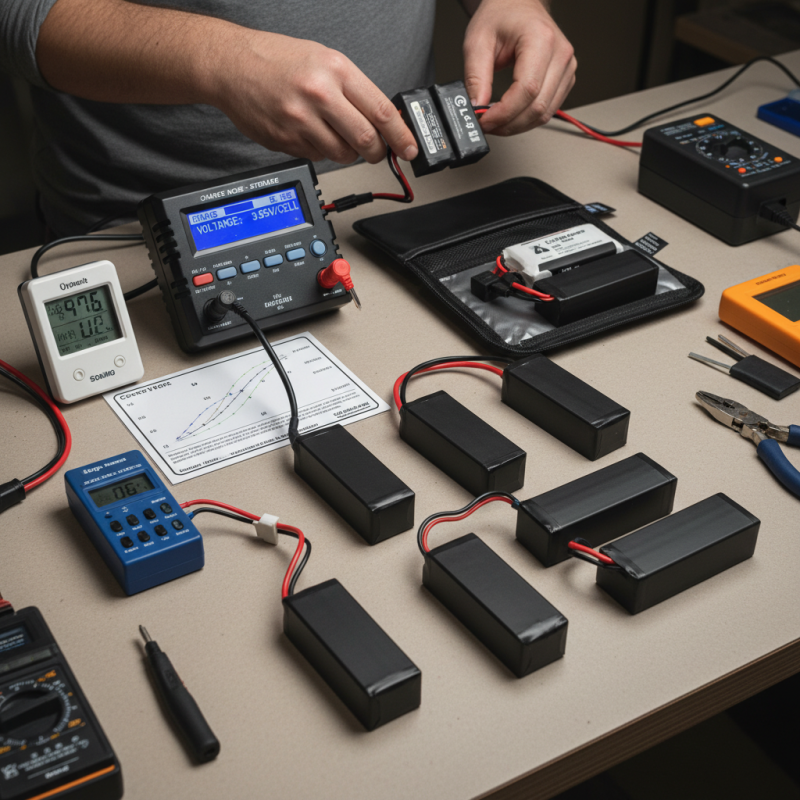
Rc Battery Maintenance Tips for Longer Lifespan and Performance?

Understanding RC Battery Types and Their Lifespan

When it comes to RC batteries, understanding the various types is crucial for proper maintenance. LiPo, NiMH, and lead-acid batteries all come with their unique characteristics. For instance, LiPo batteries are lightweight, delivering high current output. They might seem superior, but they can be sensitive to overcharging and require specific charging equipment. Neglecting this can lead to diminished performance or even danger.

NiMH batteries, on the other hand, are more forgiving. They offer great reliability but may not hold as much energy as LiPo. This means that while they are less prone to issues, their overall lifespan can suffer if not correctly discharged. Users often overlook the importance of keeping these batteries at a moderate temperature. Excessive heat can shorten their life, often without visible signs of damage.

Each Battery Type has a recommended cycling limit. Ignoring this can result in inconsistent performance. It’s easy to forget about routine checks and maintenance, leading to unexpected failures during use. Recognizing the signs of wear, like swelling or reduced capacity, allows users to take proactive measures. Reflecting on these details can extend battery life significantly and enhance performance.

Rc Battery Maintenance Tips for Longer Lifespan and Performance

Battery Type Typical Lifespan Maintenance Tips Optimal Storage Conditions
LiPo (Lithium Polymer) 2-3 years Avoid deep discharges; balance charge regularly Cool, dry place; at 3.7V per cell
NiMH (Nickel Metal Hydride) 3-5 years Avoid over-discharging; store half-charged Room temperature; avoid extreme heat
NiCd (Nickel Cadmium) 5-7 years Cycle regularly; utilize full discharge Cool area; avoid freezing conditions
Lead Acid 3-5 years Keep terminals clean; recharge after use Cool, dry area; avoid deep discharges

Factors Affecting RC Battery Performance

When it comes to Rc Battery performance, several crucial factors come into play. One significant factor is the discharge rate. A higher discharge rate can lead to quicker voltage drops, impacting performance negatively. According to industry data, a battery with a discharge rate above 30C may experience overheating, reducing its lifespan.

Temperature also significantly influences battery operation. Optimal temperatures range between 20°C to 30°C (68°F to 86°F). Deviations can cause decreased performance. Data shows that Batteries Stored or used in extreme conditions may lose up to20% of their capacity over time. Regular monitoring of temperature is essential.

Additionally, the quality of charging techniques affects battery health. Improper charging can lead to overcharging, which harms the battery's internal components. Research suggests that using smart chargers can help maintain battery integrity and improve performance. Regularly inspecting connectors and ensuring clean contacts can also prevent energy loss and enhance overall functionality. Taking these factors seriously can lead to longer-lasting and more efficient RC batteries.

Optimal Storage Conditions for RC Batteries

Optimal storage conditions are crucial for extending the lifespan of RC batteries. Keep your batteries in a cool, dry place. High temperatures can cause lithium batteries to degrade faster. Aim for a storage temperature between 40°F and 70°F. Avoid leaving batteries in direct sunlight or areas with high humidity.

Additionally, store batteries at around 50% charge. This helps to prevent stress on the cells. Fully charged or completely drained batteries can shorten their lifespan. Regularly check the battery voltage. If it falls too low, recharge it promptly.

Even with good practices, mistakes can happen. Some people neglect battery maintenance until it's too late. Failing to monitor storage conditions might lead to irreversible damage. Keep an eye on battery health and replace them when necessary to ensure optimal performance.

Charging Techniques for Extended Battery Life

Rc Battery Maintenance Tips for Longer Lifespan and Performance?

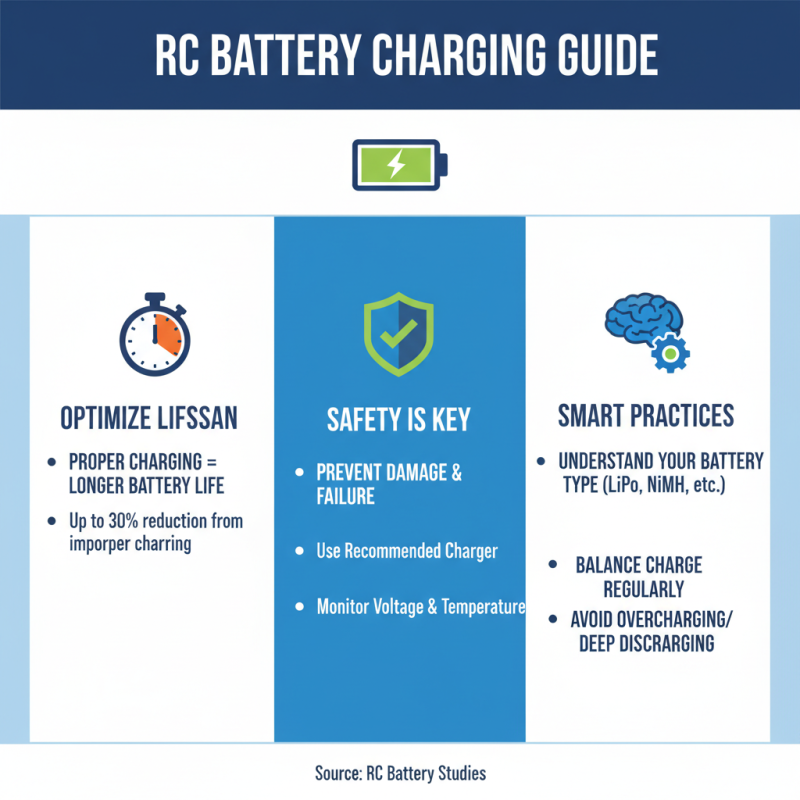
Charging your RC battery properly is crucial for its lifespan. Many users underestimate this. Studies show that improper charging reduces battery life by up to 30%. Therefore, understanding safe practices is key.

Use a balanced charger when available. This method ensures each cell in the battery receives the appropriate voltage. It also helps maintain performance over time. Aim to keep the charging current at 1C, which means charging at a rate equal to the battery's capacity. For example, a 5000mAh pack should charge at 5A. This approach prevents overheating and degradation.

Consider temperature as well. A cool, dry place is vital for charging. Extreme heat can lead to swelling or damage. In fact, temperatures above 140°F can reduce capacity significantly. Avoid charging your battery while it's still warm from use. A checklist may help. Review the battery condition before you start. Monitoring these basic factors can lead to significant improvements in battery performance and longevity.

Signs of Battery Wear and When to Replace

When considering battery maintenance, recognizing signs of wear is essential. A battery that struggles to hold a charge might be nearing the end. Diminished performance during races or extended use can indicate a problem. Regularly check the voltage levels. If they drop significantly, it's a clear warning sign.

Another key indicator is physical damage. Look for any swelling, leaking, or corrosion. These issues can directly affect performance and safety. If you notice any of these signs, it's time to take action. Don't wait until the battery fails completely during a crucial moment.

Proper care can extend battery life, but sometimes replacement is inevitable. It’s frustrating to invest time and effort only to find your battery lacking. Pay attention to how long you can use it before needing a recharge. Keeping track of these details might prevent a sudden, inconvenient downtime.

Routine Maintenance Practices for RC Batteries

Maintaining RC batteries is crucial for extending their lifespan and improving performance. Proper care ensures optimal energy retention and less frequent replacements. According to industry reports, RC batteries can degrade by up to 20% without routine maintenance. These losses highlight the need for effective practices.

Regularly checking battery voltages is essential. Voltage levels below 3.7 volts per cell can indicate potential issues. Always store batteries at optimal temperatures. Exposing them to extreme heat or cold can significantly shorten their life. Most experts recommend a storage temperature between 15°C and 25°C.

Additionally, balancing charges can enhance performance. Using a dedicated charger ensures more uniform wear across cells. It is vital to inspect connections and terminals for signs of corrosion. Clean them appropriately to maintain efficient power transfer. A simple wipe with a soft cloth can make a difference.

Remember to cycle your batteries regularly. Leaving them unused for extended periods can result in capacity loss. Rotating batteries can mitigate this problem. Take a moment to reflect on your routine. Small improvements can lead to better battery health.

Safety Precautions When Handling RC Batteries

Rc Battery Maintenance Tips for Longer Lifespan and Performance?

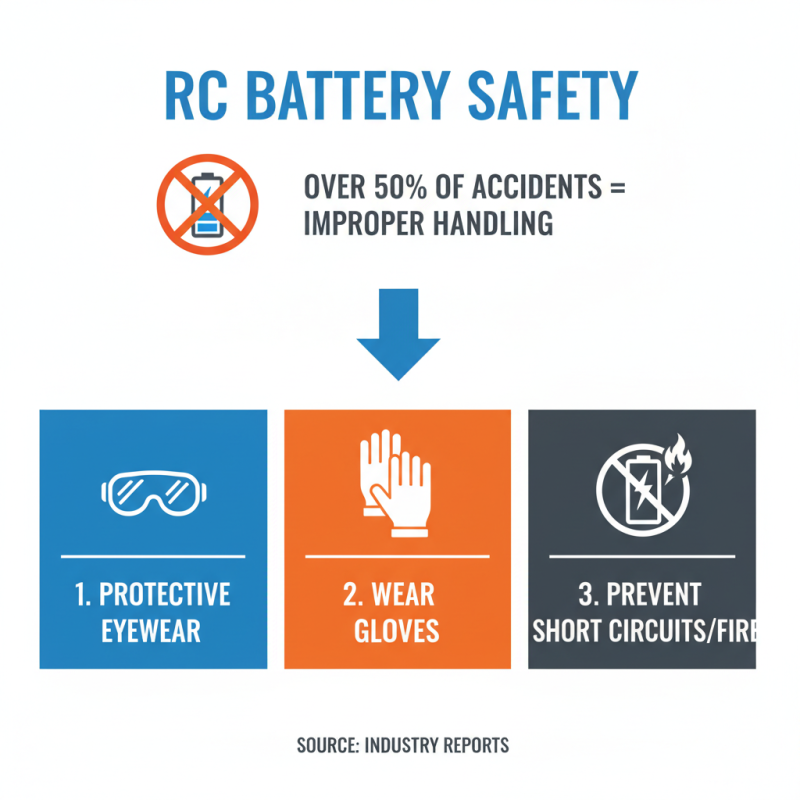
When handling RC batteries, safety is paramount. Over 50% of battery-related accidents happen due to improper handling, according to industry reports. Always wear protective eyewear and gloves while working with batteries. A simple slip could cause a short circuit or even a fire.

Battery storage is crucial. Keep them in a cool, dry place. Temperatures above 25°C can damage lithium-based batteries. Use a fireproof container for storage, especially for lithium packs. Ensure that connectors are insulated to avoid accidental shorting.

Tips: Avoid overcharging your RC batteries. Most batteries can only withstand a specific charge voltage. Use a quality charger that monitors voltage levels. Regularly check for signs of swelling or leakage. These could indicate that the battery is failing.

Handling RC batteries requires vigilance. Never leave charging batteries unattended. Even a minute lapse can lead to disasters. Know the specifications of the batteries you use. Understand the risks and precautions. Awareness is essential for safe enjoyment.

Unleashing Power: A Comprehensive Review of the JENTC LI-HV 12s 22000mAh 10C Drone Semi-Solid State Battery

The JENTC LI-HV 12s 22000mAh 10C drone semi-solid state battery represents a significant advancement in drone power technology. With a remarkable capacity of 22000mAh and a voltage of 44.4V, this battery is engineered for high-performance applications, making it an ideal choice for enthusiasts and professionals alike. Its semi-solid state design enhances efficiency and safety, offering a reliable power source that effectively meets the demands of various drone operations.

One of the standout features of this custom lithium battery pack is its compliance with international safety and quality standards such as RoHS, CE, and FCC. This certification not only assures users of the battery's safety but also highlights its commitment to environmentally responsible manufacturing practices. With a warranty ranging from three months to one year, consumers can have peace of mind regarding their investment, knowing they are supported by a credible backing. Whether used in aerial photography, racing, or other drone applications, this battery ensures consistent and long-lasting performance, empowering users to push the limits of their drone capabilities.

FAQS

: What are the main benefits of meditation?

: Meditation helps reduce stress and anxiety. It promotes mental clarity and emotional stability. Regular practice enhances overall well-being.

How often should I meditate?

Aim for at least 10 minutes daily. Consistency is more important than duration. Every little bit counts towards improvement.

Can anyone meditate?

Yes, anyone can meditate. It’s accessible for all ages and backgrounds. You may find it challenging at first, but that’s normal.

Is there a specific technique to follow?

There are various techniques. Deep breathing, mindfulness, and guided meditations are popular. Explore what resonates with you.

What is the best environment for meditation?

A quiet, comfortable space works best. Minimize distractions. You can use calming scents or soft lighting to enhance the experience.

How do I stay focused during meditation?

If your mind wanders, gently return to your breath. It’s common to lose focus. Acknowledge distractions and let them go.

Can meditation help with sleep issues?

Yes, meditation may improve sleep quality. Relaxation techniques soothe the mind and body. Practice before bed for better results.

What if I feel restless while meditating?

Restlessness is common, especially for beginners. It may signal anxiety or discomfort. You can adjust your position or take breaks.

Should I meditate alone or with a group?

Both options are valid. Group meditation can foster connection. Alone time allows personal reflection and deeper self-exploration.

How long until I see benefits from meditation?

Benefits vary from person to person. Some notice changes within weeks. Be patient and keep practicing for lasting effects.

Conclusion

Proper maintenance of RC batteries is crucial for ensuring their longevity and optimal performance. Understanding the different types of RC batteries and their respective lifespans allows users to choose the right option for their needs. Various factors, such as temperature and charging habits, can significantly impact battery performance. Therefore, it's essential to store RC batteries in optimal conditions to prevent damage.

Additionally, employing the correct charging techniques can extend the life of these batteries. Regularly checking for signs of wear, such as swelling or reduced capacity, is vital for determining when to replace them. Implementing routine maintenance practices, coupled with safety precautions during handling, further contributes to a safe and efficient RC battery experience. By following these tips, users can maximize the lifespan and reliability of their RC batteries.


Matilda

Matilda

Matilda is a dedicated marketing professional at Shenzhen Jentc Technology Co., Ltd., a leading provider of high-performance lithium battery solutions since its establishment in 2011. With her extensive knowledge of the company's product portfolio, which includes cutting-edge offerings such as 4.4V......
Previous Unlocking the Potential: Advantages of Harnessing Battery Power for Global Supply Chains