Hey there! With technology constantly shaking things up in so many industries, the demand for top-notch components is super important right now. Inspection drones are becoming a staple in various fields, and honestly, having solid and efficient Inspection Drone Batteries is crucial. That’s where Shenzhen Jentc Technology Co., Ltd.comes in. Founded back in 2011, they’re leading the pack in this transition, providing a wide array of specialized lithium Battery Solutions – think4.4V high-voltage batteries and those nifty fast-charge lithium batteries. As we set our sights on 2025, it's super important for businesses to get a grip on the import and export certifications for these advanced battery systems. This way, they can boost performance and stick to global standards. Stick around, because this blog is here to help you navigate the tricky certification requirements, making sure your inspection drone runs like a dream!
Navigating the tricky world of importing and exporting drone batteries can be a real challenge, especially when it comes to compliance—trust me, it’s super important! Regulations are constantly shifting, like those new export controls from Great Britain to the EU. It's really vital for businesses to keep up with these licensing requirements to steer clear of any nasty penalties. Staying compliant not only protects your operations but also makes sure your products meet safety and environmental standards, which, let’s face it, is a huge deal in the drone game.
**A few tips:** Always do your homework on the latest regulations for the areas you're working in. Take the EU Deforestation Regulation, for instance, which kicks in on December 30, 2024. This will affect a bunch of industries, including Drone Battery production. Make sure your supply chain is all lined up with these standards, or you might run into some hiccups down the line.
And don’t forget about other regions, like Vietnam! It has its own set of challenges for those involved in import/export. I’d suggest putting together a step-by-step compliance checklist that covers everything from documentation needs to timelines and any certifications you might need for those drone battery exports. Taking this proactive approach can really help you streamline operations and boost your reputation on the global stage.

When diving into the global market for inspection drone batteries, it's super important to really get a grip on the key certifications that guarantee safety and compliance. One of the big players in this arena is the CE mark in Europe. This little badge shows that the product is up to snuff with EU safety, health, and environmental protection standards. And let’s not forget the FCC certification in the US—it’s crucial for devices that give off radio frequency energy, making sure they don’t mess with other electronics.
Quick tip: Before chasing down those certifications, take some time to dig into the specific requirements for your target market. Each area has its own set of standards, and you might need to get stuff tested by accredited labs. Trust me, doing some early homework can really save you time and cash down the line.
Another key certification to keep in mind is UN38.3, which is specifically for lithium batteries and makes sure they're safe to transport. This is all about addressing the potential risks that come with battery mishaps during shipping, and it’s super important if you’re looking at international trade.
One last tip: team up with manufacturers who know the ins and outs of these certification processes. They can give you useful insights and help make sure your products tick all the right boxes. That way, your entry into the market will go way smoother.
| Certification | Issuing Authority | Region | Description |
|---|---|---|---|
| CE Marking | European Union | Europe | Confirms that the battery meets EU safety, health, and environmental protection standards. |
| UL Certification | Underwriters Laboratories | North America | Indicates that the battery has been tested for safety and performance. |
| UN 38.3 | United Nations | Global | Certification for the safe transport of lithium batteries. |
| RoHS | European Union | Europe | Restriction of Hazardous Substances, ensuring limited use of certain hazardous materials. |
| FCC Certification | Federal Communications Commission | North America | Verifies that the battery does not cause harmful interference in radio communications. |
You know, as more and more people are jumping on the electric vehicle (EV) bandwagon, it's super important for us to really get a grip on battery specs when we’re doing inspections. Inspectors really need to do a deep dive into the details to make sure the EV batteries are safe and up to snuff. Just to give you an idea, the latest market insights show that the electric vehicle testing, inspection, and certification (TIC) market has actually crossed over USD 3.2 billion this year! That's a clear sign that battery quality assurance is more important than ever as things keep evolving.
To make battery inspections smoother, it’s key to leverage cool tech like CT-scanning. This nifty technology helps inspectors spot any potential defects and carry out thorough assessments during all the production stages. And let’s not overlook the fancy Battery Analysis Modules that are coming into play—they’re really going to ramp up safety and quality in battery manufacturing. That just means inspectors need to keep their eyes peeled for the latest tech developments.
A Few Tips for Inspectors:
- Make it a habit to regularly check out the newest specs and standards when it comes to EV batteries, so you’re always compliant during those inspections.
- It’s worth it to invest in top-notch inspection technologies that help you dig deeper into the analysis and catch any defects.
- Stay in the loop about market trends and new battery tech—this will seriously boost your inspection methods and results.
Navigating the maze of regulations around drone battery inspections is super important for keeping drone operations safe and compliant. You see, as drones are becoming a bigger part of many industries, getting a grip on import and export certifications is absolutely vital. Just like the International Convention for the Safety of Life at Sea (SOLAS) lays down some basic rules for marine safety, it’s relevant for aerial operations too. It sets minimum standards that drone operators really need to follow to ensure battery safety.
The drone market is really taking off—it's expected to jump from about USD 5.60 billion in 2025 to a whopping USD 32.34 billion by 2033! That’s a crazy growth rate of 24.50%. This kind of growth definitely underscores the need for solid regulatory measures and safety inspections, especially when it comes to drone batteries since they often tend to be the most fragile parts. Service providers have a tough job, trying to navigate all the tricky airspace rules to make sure that their drone maintenance operations aren’t just ticking the boxes on local regulations but also syncing up with international safety standards. By wrapping their heads around these requirements, companies can really set themselves up for success in this fast-paced market while also pushing for safer and compliant drone technology.
In today's fast-moving world of inspection drones, it’s super important for businesses to really get the hang of the ins and outs of import and export certifications for drone batteries if they want to make it in global markets. Taking a look at some real-life success stories can really throw light on how companies can skillfully maneuver through these regulations. Like, there’s this top-notch drone manufacturer that managed to export certified inspection drone batteries to a bunch of European countries. They did this by carefully following EU battery guidelines and getting all the necessary CE markings. By staying engaged with certification bodies, they made the approval process way smoother, which really boosted their credibility and safety vibes in those foreign markets.
Then there’s this cool Asian startup that’s all about lightweight drone batteries. They figured out how to juggle local compliance rules and international regulations, which helped them team up with logistics companies that knew the ropes when it came to certified goods. This smart move not only made importing into North America easier but also showed how investing in solid certifications can help businesses hit the market faster and dodge a lot of operational headaches. So, these stories really highlight just how crucial it is to be in the loop about import and export certifications to keep the distribution of inspection drone batteries on point while still keeping up with all the regulatory demands.
This chart represents the number of imported and exported certified inspection drone batteries from 2019 to 2023, highlighting the growing trend in the industry.
You know, the drone industry is really taking off these days, and it's becoming clear that battery certifications are super important. As we look ahead, we can expect that as drone uses keep changing—like moving from farming to checking buildings—these certification standards are gonna shift too to meet the different needs out there. I mean, regulatory bodies are probably going to start rolling out tougher guidelines to make sure that inspection drone batteries are safe and reliable, especially when it comes to high-pressure situations.
Plus, there are some serious market implications with all these changes in certifications. Companies that step up and get themselves in line with future battery standards could really come out on top. It’s a great way to boost their reputation and attract more customers. And it's not just about meeting requirements; innovations in battery tech are also key. They help improve performance and keep up with new regulations. As manufacturers get creative to hit these new targets, we might see a big jump in demand for batteries that focus on being energy-efficient and environmentally friendly. This could really push us toward a greener future for drone operations!
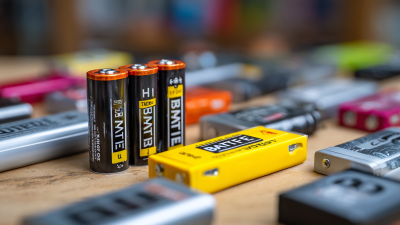
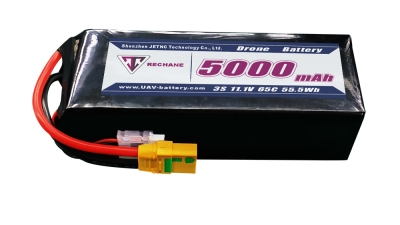
Maximizing your drone's performance starts with choosing the right power solutions, and the JENTC FPV 3s 5000mAh 65C lithium polymer battery is an outstanding choice. Specifically designed for UAV applications, this battery delivers a reliable 11.1V output, which is crucial for maintaining optimal drone operation during flight. Whether you’re a hobbyist or a professional drone pilot, having a dependable power source can significantly enhance the overall experience and performance of your UAV.
What sets the JENTC battery apart is its semi-solid state structure, which not only ensures stability during operation but also enhances performance under various conditions. This feature is particularly beneficial for those who demand precision and reliability from their drones. Additionally, the battery is certified with RoHS, CE, and FCC standards, providing peace of mind regarding safety and compliance. For those looking for customization, the JENTC battery supports custom assembly and branding, making it a versatile option tailored to diverse UAV models and applications. With this battery, you can push the limits of your drone's capabilities while enjoying longer flight times and improved efficiency.
: Compliance is crucial to safeguard operations, avoid penalties, and ensure products meet safety and environmental standards, especially with continuously evolving regulations.
Businesses should be aware of the recent changes in export controls from Great Britain to the EU that impact licensing requirements.
The EU Deforestation Regulation, effective from December 30, 2024, will affect various industries, including drone battery production, requiring businesses to align their supply chains to avoid disruptions.
Key certifications include the CE mark in Europe for safety and environmental standards, the FCC certification in the U.S. for radio frequency emissions, and the UN38.3 certification for the safe transport of lithium batteries.
Businesses should research the specific requirements for their target market and may need to conduct testing through accredited laboratories to ensure compliance.
The UN38.3 certification addresses potential risks associated with the mishandling of lithium batteries during shipping, ensuring their safe transport for international trade.
Manufacturers familiar with certification processes can provide insights and assistance, ensuring products meet necessary standards and facilitating smoother market entry.
The drone market is projected to grow from USD 5.60 billion in 2025 to USD 32.34 billion by 2033, reflecting a CAGR of 24.50%, highlighting the need for robust regulatory measures and safety protocols, especially for batteries.
The International Convention for the Safety of Life at Sea (SOLAS) establishes minimum safety standards that drone operators must adhere to, particularly concerning battery safety.
Understanding regulatory requirements helps companies position themselves effectively in the evolving market and promotes safer, compliant advancements in drone technology.