With the 2026 Canton Fair just around the corner, everyone's eyes are turning to the latest trends in the Mini Drone Batteryscene. Industry insiders are buzzing about some pretty exciting innovations that could totally change what mini drones can do. David Chen, a well-known expert from SkyTech Innovations, mentioned, "The future of mini drones really depends on how much we can improve Battery Tech." That really highlights just how crucial efficient, powerful batteries are becoming.
This year, they're also introducing smart AI navigation tools to help folks find the best suppliers more easily. Imagine having AI assist you in spotting vendors who tick all the boxes—super handy, especially given the huge 1.55 million square meters of exhibition space. But, of course, with so many players, standing out with your Mini Drone Battery products is becoming tougher than ever.
Even though there's a lot of optimism around these new battery breakthroughs, some folks are still mindful about the environment. The industry definitely needs to think about the environmental footprint—from manufacturing to disposal—because that’s a big part of the conversation now. As we push forward with these innovations, it’s more important than ever for manufacturers to not just chase better performance but also keep an eye on the long-term impacts. Finding that balance is key to truly advancing the industry in a sustainable way.

Emerging Technologies in Mini Drone Batteries at Canton Fair 2026
Emerging technologies in mini drone batteries are making waves at Canton Fair 2026. Advances in battery efficiency are catching the eyes of many attendees. With industry shifting towards lighter and longer-lasting batteries, the competition is fierce.
Among trends, Lithium-sulfur batteries stand out. They promise higher energy densities than traditional models. This could lead to drones flying longer distances with less weight. Attendees are eager to learn more. Many are optimistic yet cautious about real-world applications. The balance of performance and safety remains a critical concern.
Another noteworthy trend is the integration of Battery Plus Battery technology. This approach enhances energy management in drones. It optimizes power usage and prolongs flight times. While it shows promise, challenges exist. These include managing heat and ensuring reliability. Solutions must feel secure for mass adoption. The excitement is palpable, but the road ahead may require more development and testing.
Top Mini Drone Battery Trends at Canton Fair 2026
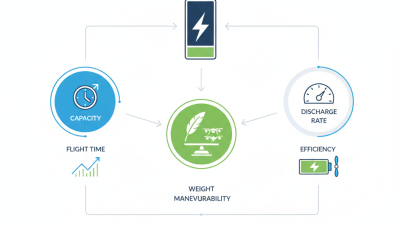
This chart illustrates the trends in mini drone battery capacities, charging times, and lifespans expected to be showcased at the Canton Fair 2026. The data reflects the growing demand for enhanced performance in mini drone technology.
Innovations in Battery Chemistry for Enhanced Mini Drone Performance
The upcoming Canton Fair 2026 is set to showcase groundbreaking developments in mini drone battery technologies. Innovations in battery chemistry promise to enhance performance and increase flight times significantly. According to recent industry reports, high-density lithium-sulfur and solid-state batteries are gaining traction. These alternatives could provide up to 30% longer flight durations compared to traditional lithium-ion solutions.
One of the key trends is the shift toward environmentally friendly materials. Manufacturers are exploring bio-based components in their battery packs. This move could reduce ecological footprints while ensuring robust performance. However, the challenge lies in balancing energy density and sustainability. Not all bio-based options offer the reliability seen in established technologies.
Additionally, compact battery designs are on the rise. The size of battery packs directly influences the mini drone’s agility. Many developers aim for lighter batteries that do not compromise on power output. Initial prototypes of these advanced battery packs show promise. Still, concerns about heat management and life cycles remain. New chemistry may lead to overheating issues, an area needing further exploration before mass adoption.
Sustainability Trends in Mini Drone Battery Production and Recycling
At the Canton Fair 2026, the focus on mini drone battery sustainability is shining bright. Manufacturers are exploring eco-friendly materials for production. This shift is vital, considering the environmental impact of traditional battery production. New technologies are emerging to replace harmful substances. They aim for a greener alternative that maintains performance.
Recycling is another growing concern. Many companies are investing in programs to recycle old batteries. Creating a circular economy for mini drone batteries remains challenging. Not all parts are easily recyclable, and this complexity needs addressing. Consumer awareness plays a key role in pushing for better recycling practices. The need for education around responsible disposal is significant.
These trends highlight the industry's path toward sustainability. Yet, the journey is not without obstacles. Many products still rely on outdated methods. More innovation is needed to overcome these barriers. As the mini drone market matures, sustainability must become a priority. The future of battery production hinges on our commitment to the planet.
Comparative Analysis of Battery Lifespan and Efficiency in Mini Drones
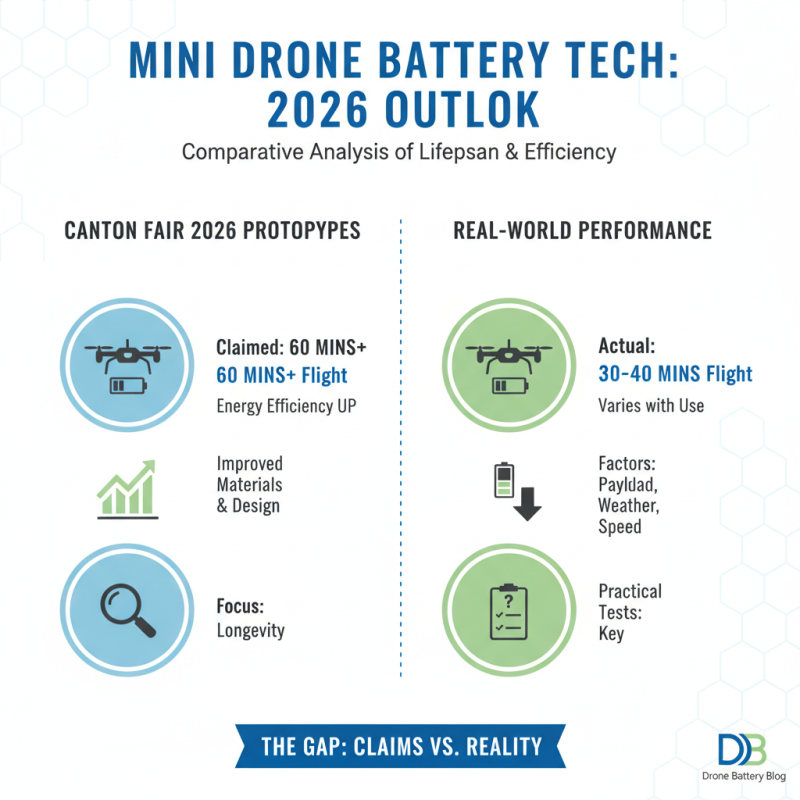
At the Canton Fair 2026, an interesting shift in mini drone battery technology is evident. Companies are focusing on improving battery lifespan and efficiency. This is crucial for the growing demand for mini drones in various fields. Many prototypes on display are showcasing impressive figures. Some claim battery life can reach up to 60 minutes with efficient energy use. Yet, practical tests often tell a different story.
Battery Replacement Battery is a term gaining traction. Users are now more inclined to choose drones with easily replaceable batteries. This trend supports sustainability, allowing for longer lifespan without complete drone replacement. However, the debate continues about the true efficiency of these batteries. Some vendors are too optimistic in their claims, while real-world performance may not match marketing promises. Observing the discrepancies can raise questions.
Furthermore, competing technologies are emerging. Different chemistries are under exploration, including lithium-sulfur and solid-state options. These can potentially provide longer lifespan and quicker recharging. Still, challenges in cost and manufacturing remain. As the industry evolves, understanding these aspects will be vital for consumers. The balance between innovation and reality shapes the mini drone landscape significantly.
Consumer Preferences and Market Demand for Mini Drone Batteries
At the Canton Fair 2026, consumer preferences for mini drone batteries have shown intriguing shifts. A recent report from an industry research firm highlights that over 70% of consumers prioritize battery life. With the rise in leisure drone activities, enthusiasts desire longer-lasting power sources. Surveys indicate that compact size also ranks highly. Many users seek batteries that do not add excessive weight. This focus on efficiency drives innovation.
Market demand is evolving as sustainability takes center stage. Approximately 40% of surveyed consumers express interest in eco-friendly battery options. Lithium polymer batteries remain popular, but biodegradable alternatives are gaining traction. The challenge lies in balancing performance with environmental impact. Many manufacturers are still testing these new materials. Supply chain issues also complicate this transition.
Conducting thorough research is vital. Consumers want reliable, powerful batteries. Expecting manufacturers to meet these demands is essential. While advancements occur, some gaps remain. Consumer feedback often highlights concerns over compatibility and safety. This unpredictability can frustrate potential buyers. The industry must listen closely to its audience to thrive.
Future Developments in Fast Charging Solutions for Mini Drone Batteries
The Canton Fair 2026 is set to showcase the latest innovations in mini drone batteries. A significant focus will be on fast charging solutions. According to industry reports, the demand for quicker charging is growing rapidly. In fact, the market for fast-charging technology is expected to reach $20 billion by 2027.
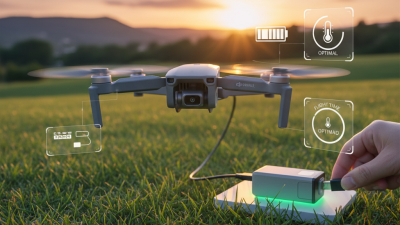
Fast charging solutions could potentially reduce charging time from hours to minutes. This is a game-changer for mini drones used in various applications, such as agriculture and delivery. However, there are concerns about battery health. Overcharging and heat generation can affect performance. Achieving a balance between speed and safety remains a challenge.
**Tips:** Always monitor your battery temperature during charging. This ensures longevity. Seek solutions that prioritize both speed and safety. New materials, such as solid-state batteries, are paving the way for advancements. These innovations hold promise but require extensive testing. The industry must continue to refine these technologies, ensuring they are reliable for everyday use.
Key Manufacturers and Brands Showcasing Mini Drone Battery Advancements
Canton Fair 2026 highlights exciting advancements in mini drone batteries. Key manufacturers showcase innovative technologies. Many brands focus on optimizing battery life and efficiency. They present lighter batteries that enhance drone performance. Some companies introduce smarter battery management systems. These allow for real-time monitoring of battery life.
Attendees notice the trend towards sustainable materials. Environmentally friendly options are now more common. This shift sometimes raises questions about durability and cost. Companies need to balance sustainability with performance. As the demand for mini drones grows, so does competition. Standout features in these batteries are crucial for success.
With so many offerings, choices can overwhelm buyers. It's essential to evaluate which advancements truly make a difference. In a rapidly evolving market, reflecting on these trends becomes key. Innovations are promising, yet not all meet high expectations. Continuous improvement is necessary for the industry's future.
Exploring the Advantages of the JENTC LI-HV 6s 22000mAh Battery for Drones: Performance, Longevity, and Versatility
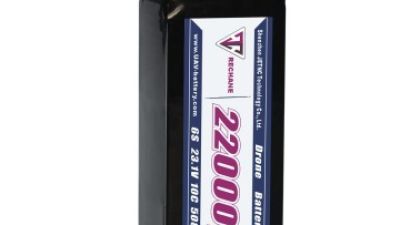
The JENTC LI-HV 6s 22000mAh battery represents a significant advancement in drone power solutions, tailored specifically for those seeking exceptional performance and versatility. With its impressive 22000mAh capacity and a nominal voltage of 22.8V, this lithium battery pack delivers extended flight times, making it an ideal choice for both amateur and professional drone pilots. Its robust design, stemming from semi-solid technology, ensures reliable power supply during demanding operations, which is critical in applications such as aerial photography, surveying, or search and rescue missions.
In addition to performance, the longevity of the JENTC LI-HV 6s battery is noteworthy. The rigorous manufacturing standards, coupled with essential certifications—such as RoHS, CE, and FCC—provide users with peace of mind regarding safety and environmental compliance. Furthermore, the warranty period ranging from three months to a year serves as a testament to its durability and reliability. Whether for flying long distances or carrying heavy payloads, this battery stands out as a versatile power source capable of meeting various operational needs across the drone industry.
FAQS
: Innovations include high-density lithium-sulfur and solid-state batteries for better performance.
They may reduce ecological footprints and provide robust performance, but reliability can vary.
Compact, lighter batteries enhance agility without sacrificing power output.
Over 70% of consumers focus on battery life, especially with leisure activities rising.
Yes, about 40% of consumers show interest in sustainable battery alternatives.
Battery health is vital; overcharging and heat generation can impact performance negatively.
Monitor battery temperature during charging to ensure longevity and safety.
Yes, consumer feedback often highlights issues with compatibility and safety.
Balancing performance and environmental impact is a significant hurdle in testing new materials.
The fast-charging market could reach $20 billion by 2027, indicating high demand.
Conclusion
At the Canton Fair 2026, significant advancements in Mini Drone Battery technology are showcased, highlighting emerging trends that pave the way for enhanced performance and sustainability. Innovations in battery chemistry are at the forefront, promising improved efficiency and extended lifespan for mini drones. Additionally, there is a growing focus on sustainable production practices and recycling methods, aligning with global environmental goals.
Consumer preferences are also shaping the market, as demand for high-performing and eco-friendly Mini Drone Batteries rises. The comparison of battery lifespan and efficiency among various models underscores the competitive landscape. Looking ahead, developments in fast charging solutions are set to revolutionize mini drone operations, making them more accessible and user-friendly. Overall, the fair serves as a crucial platform for manufacturers and innovators to present their cutting-edge advancements in Mini Drone Battery technology.