Flying a mini drone is honestly pretty thrilling. To really get the most out of your flying adventures, it’s super helpful to understand the Mini Drone Battery. Because, let’s face it, how long youR Battery lasts totally affects how long you can stay up in the air.
If you wanna squeeze extra flying time out of your mini drone, paying attention to how you use and care for the battery is key. Charging it properly makes a huge difference. Try not to overcharge, and definitely stick with the right charger. Oh, and keep it away from really hot places—high temperatures can actually mess with your battery’s health, and that might mean it doesn’t perform as well or even shortens its lifespan.
Unfortunately, a lot of drone enthusiasts kinda gloss over these little details. Some might even drain their batteries down to zero pretty often—which is not great. These habits can really drag down the battery’s efficiency over time. Taking a bit of time to learn some simple battery care tips can make your flying experience way better and help your drone last longer.
So yeah, a little bit of effort on the Battery Side can go a long way in keeping your flights fun and hassle-free!
When exploring mini drone Battery Types, understanding their specifications is crucial. There are various battery types used in mini drones, with lithium polymer (LiPo) being the most common. LiPo batteries offer a high energy density, which means they provide more power for longer flights. However, they require careful handling. Overcharging them can lead to swelling or even fire hazards.
Another type is nickel metal hydride (NiMH) batteries. They are safer than LiPo batteries and can be easier to use for beginners. However, they generally provide less power and shorter flight times. Understanding the differences helps in choosing the right battery for your needs.
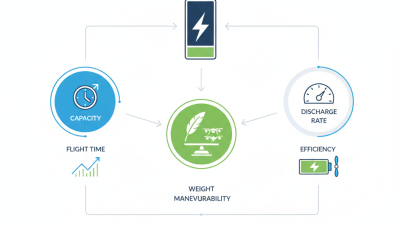
Battery capacity, measured in milliamp hours (mAh), is another key specification. A higher mAh rating usually leads to longer flight times. But be aware; a bigger battery increases weight. This balance is essential. Reflect on your flying style and needs when selecting a battery. Remember, optimizing performance takes time and experimentation.
Mini drones have become increasingly popular. Part of this is due to their compact nature and usability. However, understanding battery life is crucial for maximizing flight time. There are several factors that affect this aspect.
One major factor is the weight of the drone. Heavier drones require more power to stay airborne. According to a recent study, adding just 100 grams can reduce flight time by 15%. Battery capacity also plays a significant role. Most mini drones have batteries ranging between 200-800mAh. Larger batteries provide longer flights but add weight, creating a balance problem.
Environmental conditions also impact performance. Windy weather can decrease stability, causing the drone to consume more energy. A report indicated that flying a mini drone at 10 mph wind speed could decrease flight time by 20%. Temperature matters, too. Extreme cold or heat can reduce battery efficiency. Regular maintenance, such as checking for damage, is often overlooked. Yet, it can drastically improve overall battery life. Thinking about these elements can aid operators in achieving optimal performance from their mini drones.
When using mini drones, extending flight time is crucial. One key is optimizing battery use. Most mini drones have limitations. Typical flight times range from 5 to 20 minutes. These numbers depend heavily on battery capacity and drone weight. Lightweight designs often achieve better results. Reports show that efficient battery management techniques can enhance flight duration by up to 25%.
Tips: Always charge your battery fully before flight. A partially charged battery may not deliver peak performance. It's also wise to avoid sudden maneuvers. Rapid acceleration can drain power quickly. Maintaining a steady speed helps conserve energy. Monitor flight patterns to keep the drone airborne longer. Over time, you can notice patterns that work best for your drone.
Battery Plus Battery options can be useful for extending flight time. Consider using multiple batteries for longer sessions. However, managing several batteries can be challenging. It’s essential to keep track of their charge levels. Discharging them too much can shorten battery life. Regular maintenance of your batteries is vital. Clean contacts and store them in a cool, dry place. These small actions can lead to improved performance.
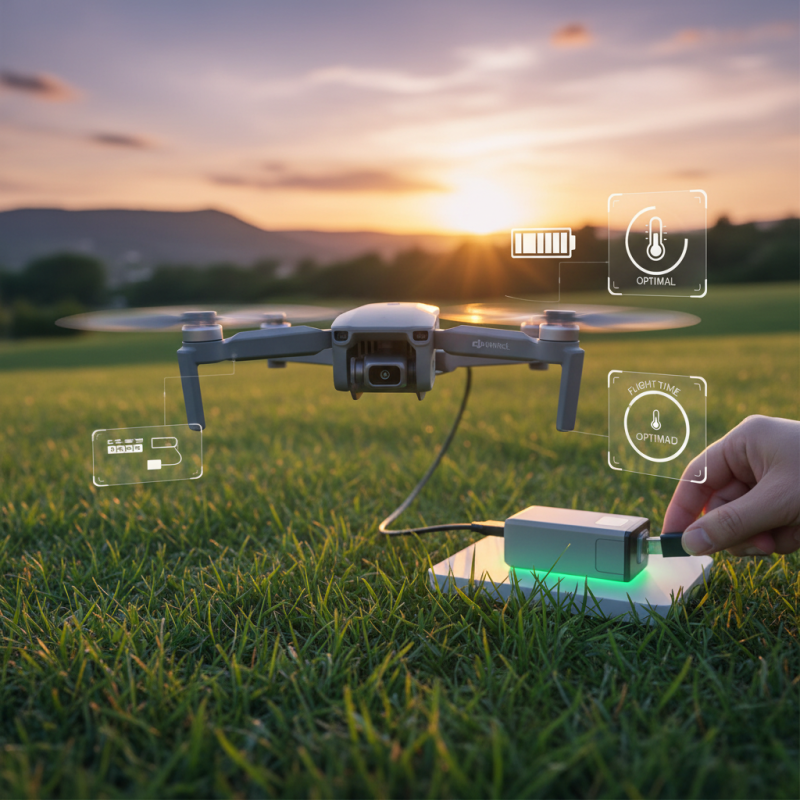
Charging and maintaining mini drone batteries properly is essential for maximizing flight time. Research indicates that improper charging can reduce battery life by up to 30%. To avoid this, always use the recommended charging equipment. Batteries perform best when charged at a stable temperature. Keeping the Battery Pack Battery away from extreme heat or cold is crucial. A thermometer can help monitor the environment.
Routine maintenance also plays an important role. Inspect battery terminals for corrosion. Clean terminals gently with a soft cloth. This simple step can prevent poor connections. Remember, overcharging is another issue. Batteries should not be plugged in longer than recommended. A timer can help track charging durations.
Storing mini drone batteries requires strategic planning. An ideal storage temperature is around 60°F (15°C). This helps the Battery Pack Battery retain optimal performance. Some users neglect this aspect. Batteries left in hot conditions degrade quickly. As a result, it's vital to reflect on how you're storing and charging batteries to ensure the longest possible flight times.
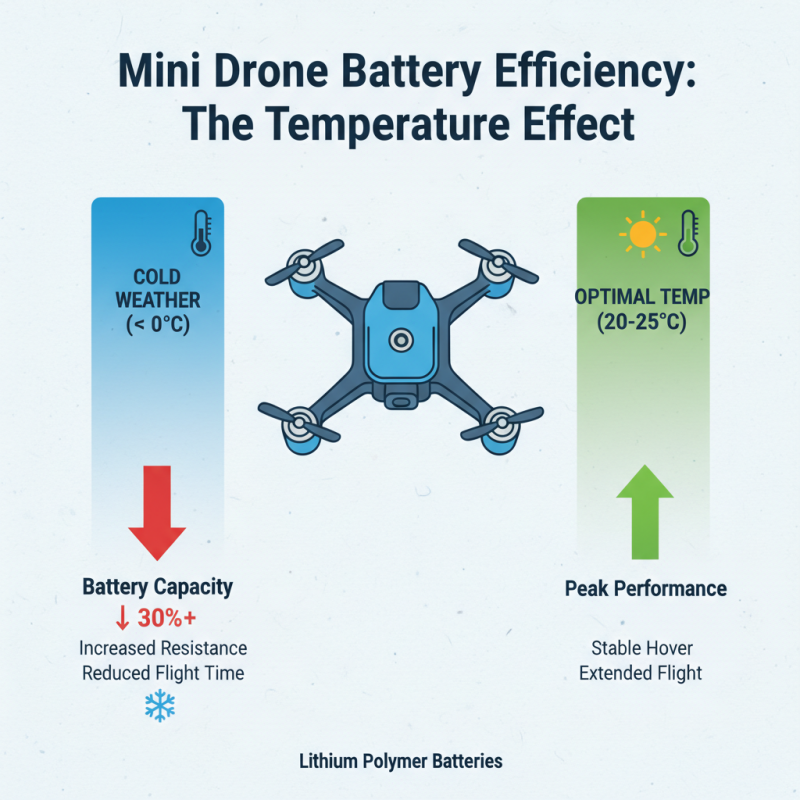
Temperature and weather play crucial roles in mini drone battery efficiency. Studies show that lithium polymer batteries, commonly used in drones, perform optimally between 20°C to 25°C. When the temperature drops below 0°C, battery capacity can decline by 30% or more. Cold weather increases battery resistance, limiting flight time. Drones may not hover as long or may struggle to maintain power during longer flights.
High temperatures also pose risks. Exceeding 35°C can lead to overheating. This can cause battery swelling and eventually failure. Efficiency losses can reach up to 15% in extreme heat. Humidity also affects performance. Wet conditions can lead to battery corrosion. Even brief exposure can diminish lifespan.
Understanding these factors helps drone enthusiasts make better decisions. Consider the weather before flight. Take precautions in extreme temperatures. Choose the right time to fly. Reflect on past experiences—an afternoon flight in high heat may lead to premature landings. Adjusting to weather changes can maximize battery life and enhance overall flight experience.
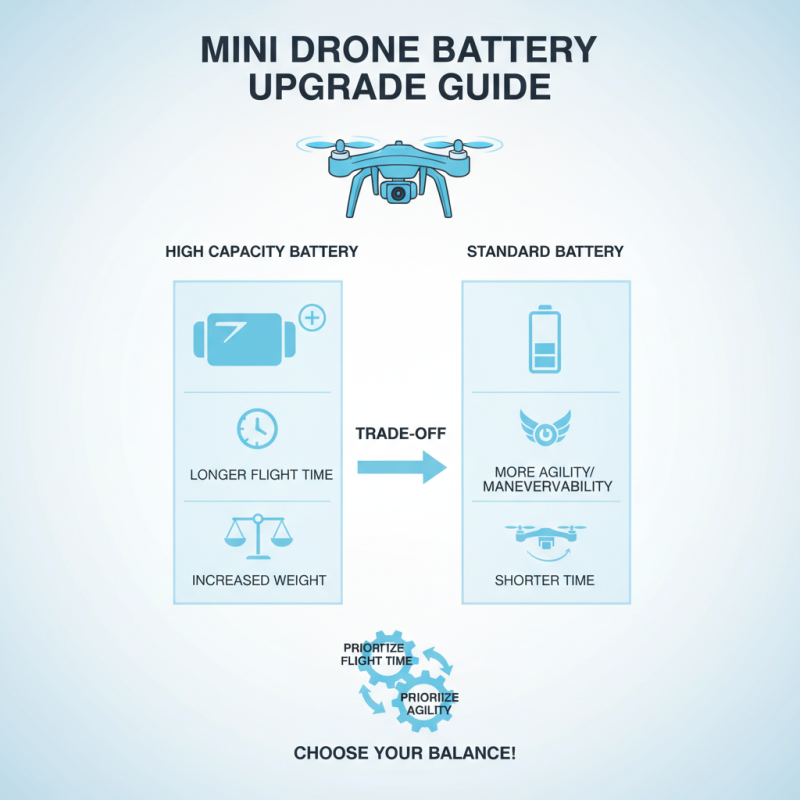
When considering upgrades for mini drone batteries, several factors come into play. Battery capacity is crucial. A higher capacity means longer flight times. However, larger batteries add weight. This could affect maneuverability. Choosing the right balance is essential. Some users may prioritize flight time over agility. It’s a trade-off worth contemplating.
Battery Replacement Battery options vary widely. Lithium polymer (LiPo) batteries are a popular choice for mini drones. They offer high energy density. This allows drones to fly longer on a single charge. Watch out for the cycle life of batteries. Some batteries degrade quickly after repeated use. This can lead to frustrating experiences. Investing in durable batteries is vital for consistent performance.
Researching battery brands can be overwhelming. Many options claim to boost flight time significantly. However, not all live up to their promises. Users often report mixed experiences. Be wary of overselling. Some batteries may not provide the efficiency expected. Choosing reliable and tested options is crucial. Understand the specifications before purchasing new batteries for your drone.
Monitoring battery health is crucial for optimizing drone performance. Regular checks ensure you catch issues early. According to industry reports, batteries lose around 20% of their capacity after 300 charge cycles. It is essential to track your battery's cycles as part of maintenance. Keeping records can help identify patterns of wear.
Another important aspect is temperature management. Batteries operate best in moderate temperatures. Extreme heat or cold can reduce lifespan significantly. Research shows that lithium-ion batteries accumulate damage more quickly when exposed to temperatures above 45°C. Consider storing your drone in a controlled environment. This simple step can prolong battery life.
Always look out for swelling or unusual behaviors. These signs may indicate damage. It won't always show up immediately, but prolonged usage can lead to failure. Keeping an eye on battery metrics is vital. With diligent monitoring, you can enhance your mini drone's performance, similar to maintaining a battery in electric vehicles. Optimizing your drone’s battery health ensures longer flight times and better overall efficiency.
: Mini drone batteries perform best between 20°C and 25°C.
Cold weather can reduce battery capacity by over 30%. Flight times may also decrease.
Temperatures above 35°C can cause overheating and battery failure. Efficiency can drop by 15%.
Humidity can lead to battery corrosion, even with brief exposure. This can shorten battery life.
Regular checks help identify battery issues early and maintain optimal performance.
Batteries typically lose about 20% capacity after 300 charge cycles. Tracking cycles is key.
Signs like swelling or unusual performance suggest potential battery damage. Monitor closely.
Storing batteries in moderate temperatures, away from extreme heat or cold, helps preserve lifespan.
Reflecting on previous flights can guide decisions in extreme temperatures and improve performance.
Yes, diligent battery monitoring in drones is similar to practices used for electric vehicle batteries.
Optimizing mini drone battery performance is essential for enhancing flight time and overall functionality. Understanding the different types of mini drone batteries and their specifications can help users choose the right power source. Additionally, various factors such as weight, aerodynamics, and battery age influence battery life and performance. To extend flight duration, techniques such as proper flight maneuvers and weight management are crucial.
Charging and maintaining mini drone batteries following best practices will improve their longevity, while being mindful of temperature and weather conditions can significantly affect battery efficiency. Upgrading to higher-capacity batteries can provide longer flight times, but considerations regarding compatibility and cost must be taken into account. Regularly monitoring battery health and lifespan ensures optimal performance, allowing for enjoyable and extended flights.