You know, in the fast-changing world of drone tech, picking the right Uav Batteriesis a pretty big deal when it comes to how well your drone flies and how far it can go. Lately, industry reports have been talking about a huge boost in the global Uav Battery market — mainly because there's so much more demand forhigh-performance lithium batteries, especially in commercial and industrial uses. Since way back in 2011, Shenzhen Jentc Technology Co., Ltd. has been right there in the thick of things, offering all kinds of specialized batteries — from high-voltage ones to super-fast charging lithium options. As the aerospace industry keeps pushing to get drones to perform better, really understanding the ins and outs of UAV batteries is gonna be key to flying longer and making sure everything runs smoothly in all kinds of environments.
Understanding the Different Types of UAV Batteries Available in the Market
Getting to know the different kinds of UAV batteries is pretty important if you want longer flight times and smoother operations. The drone market worldwide is booming, and the battery segment is playing a huge part in that growth. There are a few types of batteries, like lithium-ion, lead-acid, and nickel-based ones, each with their own pros and cons. Picking the right one really depends on what you're using your drone for. Lately, lithium-ion batteries have been gaining a lot of popularity because they pack more energy and are lighter, which means your drone can fly longer without extra weight bogging it down.
As more companies jump into commercial drone stuff—think delivery services, farming, and beyond—the need for batteries that can handle different tasks has shot up. Companies like Jentc Technology, which started back in 2011, are really pushing the envelope by creating high-performance lithium batteries specifically for drones. Their products, like high-voltage and quick-charging lithium packs, are built to keep up with the fast-paced, demanding world of UAVs, helping drone operators get the most out of their flights and stay competitive in this rapidly growing market.
Maximizing Flight Time: Comparison of Different UAV Battery Types
This chart illustrates the flight time capabilities of different types of UAV batteries. Lithium Polymer (LiPo) batteries offer longer flight times compared to NiMH and Lead Acid batteries, making them a popular choice for UAV applications.
The Impact of Battery Chemistry on Flight Performance and Durability
When you're trying to squeeze the most flight time out of your drone, understanding the ins and outs of battery chemistry really matters. There are a few main types of batteries—like lithium-polymer (LiPo), lithium-ion (Li-ion), and nickel-cadmium (NiCd)—each with their own quirks that can seriously affect how long you can keep your drone in the air. For example, LiPo batteries are super popular because they pack a lot of energy into a lightweight package, perfect for those who want longer flights. But, they can be a bit fussy—they're sensitive to overcharging and temperature swings, so you gotta handle and store them with care if you want them to perform at their best.
Quick tip: Keep an eye on your battery’s temperature while you're flying. If it feels hot when you touch it, it might be overloaded or almost done with its charge cycle—which could cut your flight short or, worse, cause it to fail. So, it’s worth paying attention.
And don’t forget, how long your battery lasts depends a lot on how you treat it. Using the right charger and sticking to recommended charging routines can really make a difference, letting you enjoy longer flights. Also, before each trip, give your batteries a quick check for any swelling or physical damage—that way, you can avoid surprises during your adventures.
Another handy tip: If you're serious about keeping your batteries in good shape, consider investing in a smart battery management system. These can help you keep tabs on your batteries’ health and usage, letting you know when it’s time for maintenance or replacement—so you get the most out of your drone’s flight time.
Comparative Analysis of Lithium Polymer vs. Lithium-Iron Phosphate for UAVs
When you're trying to pick the right batteries for your drone, there's always that ongoing debate between Lithium Polymer (LiPo) and Lithium-Iron Phosphate (LiFePO4). Honestly, it can feel a bit confusing because each has its own pros and cons, right? LiPo batteries are super popular in the drone world because they pack a lot of energy into a lightweight package, which means longer flight times for you. I read somewhere in a 2021 report from the Drone Battery Consortium that LiPo batteries can hit up to 250 Wh/kg in energy density—so yeah, they’re pretty efficient, especially if you're into aerial photography or surveying, where longer flights really matter.
But then again, LiFePO4 batteries, even though they’re a bit heavier and have a lower energy density—around 120 Wh/kg—bring some real safety perks to the table. They’re more thermally stable, which means less risk of fires or overheating, making them a solid choice for heavier-duty or industrial drones. Plus, a study from 2022 in the Journal of Unmanned Systems pointed out that LiFePO4 batteries can last over 2,000 full charge cycles. That’s a huge difference when you compare it to LiPo batteries, which usually last roughly between 300 and 500 cycles. So, even if they cost a bit more upfront, they can save you money in the long run thanks to their durability.
At the end of the day, choosing between these two really boils down to what you need in terms of performance, safety, and budget. It’s all about finding that sweet spot based on your specific flying needs and how much safety matters to you.
Essential Factors Affecting UAV Battery Life: Capacity, Weight, and Discharge Rates
When you're picking out batteries for your drone, it's pretty important to understand a few key things—like capacity, weight, and discharge rates—to get the most out of your flight time. So, battery capacity, which you’ll often see measured in milliamp-hours (mAh), really determines how long your UAV can stay in the air. Basically, the bigger the capacity, the longer you can fly. But here’s the thing—it's all about striking a balance. If your battery is too big and heavy, it might actually slow things down or drain your power faster because of the extra weight.
Then there’s weight itself. Heavier batteries mean your drone needs more juice just to stay up, which can cut into your flight time. Even a tiny increase in weight can make a noticeable difference—but it’s a bit of a juggling act. And don’t forget about discharge rates, usually given as C ratings. Those tell you how quickly the battery can give up its power. A higher discharge rate is great for quick, demanding maneuvers because it delivers power more efficiently, but at the same time, it could mean the battery doesn’t last quite as long overall.
So, when you’re choosing a battery, it’s all about finding that sweet spot—making sure you get enough power and efficiency without adding too much weight or draining faster than you'd like. Remember, it’s all about balancing these factors to keep your drone flying smoothly and for as long as possible.
Trends in UAV Battery Technology: Innovations for Extended Flight Times
Lately, there's been some pretty exciting progress in UAV battery tech, and honestly, it's really changing the game when it comes to what drones can do—especially if you're into flying longer distances. You know, things like lithium-sulfur and solid-state batteries are really leading the charge here. They pack more energy than the old-school lithium-ion batteries, which means drones can stay airborne way longer without having to land and recharge all the time. For example, lithium-sulfur batteries can hold up to two or three times more power than what we're used to with regular lithium batteries. That’s a big deal, whether you're flying for fun or into commercial stuff, because it really opens up new possibilities.
And it's not just the batteries themselves. Developers are also making improvements in the battery management systems—these are like the brains that keep an eye on how healthy the batteries are and how they're being used. They help make sure everything runs efficiently, even helping to extend the battery's lifespan. Plus, designers are incorporating lightweight materials into the battery design to help keep the whole drone lighter. When you combine all these things, it’s no wonder drones are flying longer and smarter. As new tech keeps coming out, it’s pretty important for anyone involved in flying these machines to stay in the loop—that way, they can really get the most out of their drones, time-wise and performance-wise.
Maximizing Drone Performance: A Deep Dive into the JENTC Lipo Battery FPV 6s 8000mAh for UAVs
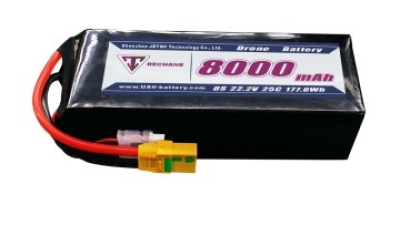
The JENTC FPV 6s 8000mAh lithium polymer battery is designed to maximize drone performance, making it an ideal choice for UAV enthusiasts and professionals alike. With a stable output of 22.2V and an impressive capacity of 8000mAh, this battery ensures extended flight times and reliable power delivery, even under demanding conditions. This makes it particularly suitable for applications that require consistent energy, such as aerial photography, surveying, and inspection tasks.
What sets the JENTC battery apart is its robust safety certifications, including RoHS, CE, and FCC. These certifications are crucial for users who prioritize safety in their operations, providing peace of mind knowing that the battery meets stringent standards. Additionally, the customizable options for branding and assembly enhance its appeal for businesses looking to integrate high-quality power solutions into their products. By choosing the JENTC FPV 6s 8000mAh battery, UAV operators can optimize their drone's performance and achieve their operational goals with confidence.
FAQS
V batteries available in the market?
Lithium-ion batteries are favored for their higher energy density and lighter weight, which contribute to longer flight times.
Factors to consider include the specific application requirements, battery chemistry, weight, energy density, and safety features.
Different battery chemistries, like lithium-polymer (LiPo) and lithium-ion (Li-ion), affect flight performance due to their distinct energy densities and handling requirements, influencing flight time and reliability.
Proper usage includes utilizing the correct charger, adhering to recommended charge cycles, monitoring battery temperature, and checking for physical damage before flights.
Lithium-polymer batteries are known for their high energy density and lightweight properties, making them ideal for applications requiring longer airtime, such as aerial photography and surveying.
Lithium-iron phosphate batteries offer robust thermal stability and a longer lifecycle, sustaining over 2,000 charge cycles, which may translate into lower long-term costs despite a higher initial investment.
Users can invest in smart battery management systems to monitor battery condition and usage, ensuring timely maintenance or replacement as needed.
Lithium-iron phosphate batteries are noted for their safety and reduced fire hazards, making them suitable for heavy-duty and industrial applications, whereas lithium-polymer batteries require careful handling due to their sensitivity to overcharging.
Choosing the appropriate battery type based on specific operational needs and safety considerations can significantly enhance flight efficiency and operational reliability within the competitive drone market.
Conclusion
If you're trying to squeeze the most flight time out of your UAVs, getting a good grip on the different kinds of batteries out there is super important. This guide gives you the scoop on the various battery types, especially highlighting how the chemistry inside them really impacts how well they perform and how long they last. It’s also got a side-by-side look at Lithium Polymer (LiPo) and Lithium-Iron Phosphate (LiFePO4) batteries, pointing out what makes each one better suited for specific drone needs. We’ll also cover key things like capacity, weight, and discharge rates—these little details can totally change how long your drone stays in the air and how efficient it is.
On top of that, I’ll chat a bit about the latest trends and cool innovations in UAV battery tech that are helping drones fly longer than ever before. So, whether you’re a hobbyist or a pro, this info can help you pick the right power source. Companies like Shenzhen Jentc Technology Co., Ltd. are really leading the charge here, offering all kinds of high-performance lithium batteries made to handle the tough demands of drone flying.
Basically, if you want your UAVs to keep going the extra mile, understanding these battery options and what's coming next is pretty much essential. Trust me, it makes a difference!