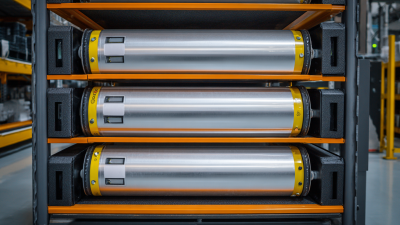
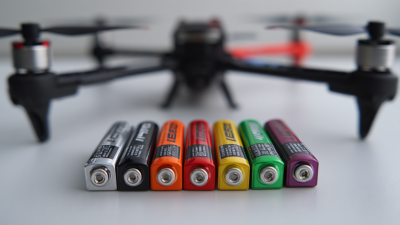
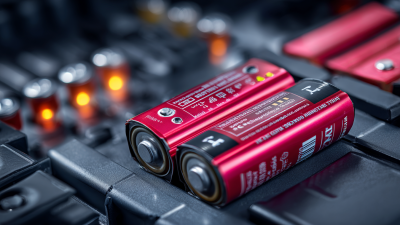
You know, as the world’s really starting to move more and more towards sustainable energy solutions, batteries are playing a huge role in helping us be more efficient across different industries. There's even a report from the International Energy Agency that predicts energy storage systems will see massive growth — like, the global market might hit over $300 billion by 2030! Shenzhen Jentc Technology Co., Ltd. has been right there at the front of this charge since 2011, offering high-quality lithium batteries. We’ve got a pretty diverse lineup, including 4.4V high-voltage batteries, fast-charging lithium options, and AGV batteries — all designed to meet the rising demand for reliable and efficient energy storage. By harnessing the latest tech and innovative approaches, we’re not just helping businesses ramp up their energy game but also playing a part in building a greener, more sustainable future with our advanced Battery Store solutions.
Identifying Common Issues in Battery Storage Systems for Energy Efficiency
Battery storage systems have really become key players in boosting our energy efficiency. But, let’s be honest, they’re not perfect and come with their own set of common problems. A recent report from the International Energy Agency (IEA) pointed out that by fine-tuning how we operate these batteries, we could bump up overall energy efficiency by as much as 30%. Sounds great, right? Well, in reality, a lot of logistical and operational hurdles tend to get in the way. Things like batteries wearing down over time, inefficient charging routines, and system parts not working smoothly together can really drag down performance. That’s why it’s super important for organizations to regularly check their systems — catch issues early before they become bigger problems.
**Tip:** Doing routine maintenance on your batteries isn’t just about keeping things running; it can actually extend their lifespan and make them work better. A quick inspection of connections, managing temperature, and making sure charging practices are on point can do wonders for preventing degradation.
This is especially relevant right now, as the energy sector pushes to cut down greenhouse gases. The U.S. Department of Energy highlights that pooR Battery management can lead to energy losses anywhere from 10 to 20%. Fixing these issues isn’t just about saving energy — it’s about helping the planet too.
**Tip:** Think about jumping into some advanced tech for monitoring your batteries. These tools can give you real-time insights into how your systems are doing, helping you spot problems early on and keep everything running as efficiently as possible.
Understanding the Impact of Cycle Life on Battery Performance
When it comes to battery storage, one of the most pretty important factors is cycle life — basically, how many times a battery can be charged and discharged before it starts to lose its mojo. If you're trying to choose a good battery, understanding its cycle life is a big deal because it affects not just performance but also how long it’ll last. For example, lithium-ion batteries are super popular because they pack a lot of energy in a small space, but they usually last somewhere between 500 to 1,500 cycles. Of course, that can vary depending on how you use them and the environment they’re in. Tips like managing discharge rates a bit better and keeping temperatures in check can really help stretch their lifespan and make the whole system more efficient.
Not to mention, cycle life has a real impact on costs and sustainability. If a battery wears out faster and needs to be replaced more often, that ends up costing more and creates extra waste. On the flip side, investing in higher-quality batteries that can handle more cycles can save you money in the long run and is better for the planet too. So, if you’re a business trying to get the most out of your energy storage, it’s pretty crucial to think about cycle life — from picking the right batteries to how you use and maintain them day to day. By going for batteries with longer cycle lives, you’re not just getting a more reliable system, but also doing your part to keep things eco-friendly while meeting your energy needs without all the fuss.
Exploring Temperature Sensitivity and Its Effects on Battery Efficiency
Battery storage solutions are pretty important when it comes to making the most out of solar energy. One thing folks often overlook is how sensitive batteries are to temperature changes. They don’t perform the same way in hot versus cold conditions, which can really impact how long they last and how much energy they can store. For example, when it gets too warm, batteries tend to discharge a bit faster on their own. On the flip side, if it’s too cold, the chemical reactions inside slow down, and that messes with their efficiency.
To get the best out of your batteries, it’s a good idea to keep an eye on the temperature and manage it accordingly. For instance, insulating the battery storage area can help keep things stable—kind of like giving your batteries a cozy blanket! Also, when setting up solar panels, it helps to avoid spots that get super hot from direct sun, so they don’t overheat either.
Plus, thinking about investing in some temperature control tech isn’t a bad idea. Automated cooling and heating systems can keep your batteries within that sweet spot, boosting their performance and lifespan. Taking these small steps can really make a difference—not just for better energy storage, but for keeping your whole solar energy setup running smoothly and sustainably.
Maximizing Energy Efficiency with Battery Store Solutions - Exploring Temperature Sensitivity and Its Effects on Battery Efficiency
| Temperature Range (°C) | Battery Type | Cycle Life (Cycles) | Charge Efficiency (%) | Energy Density (Wh/kg) | Discharge Rate (C) |
| 0 to 10 | Lithium-ion | 500 | 85 | 150 | 1.5 |
| 10 to 20 | Lead-acid | 300 | 75 | 30 | 0.5 |
| 20 to 30 | Nickel Metal Hydride | 400 | 80 | 120 | 1.0 |
| 30 to 40 | Lithium Iron Phosphate | 2000 | 90 | 140 | 3.0 |
| 40 to 50 | Vanadium Redox Flow | 10000 | 75 | 20 | 0.2 |
The Role of Technology Integration in Optimizing Battery Systems
In today’s crazy-fast world, having tech integrated into battery systems isn’t just a cool bonus—it’s kinda essential if you want to squeeze out every bit of energy efficiency you can. Modern software tools make it possible to keep an eye on how your batteries are doing, right there in real-time. This means businesses can tweak their energy use on the fly, saving money and reducing waste. Plus, these tech tricks help your batteries last longer and even predict when maintenance might be needed before things go wrong—so you avoid those annoying downtimes and keep the power flowing smoothly.
If you’re looking to get the most out of your battery setup, a good starting point is keeping your firmware and software up to date—you'll unlock the latest fixes and efficiency gains. It’s also worth considering smart algorithms that can spot patterns in your energy consumption, which can help schedule charging times when demand is lowest—saving you a bit on those bills. And if you really want to level up, investing in systems that talk to each other—like solar panels, battery packs, and the grid—can give you a more complete picture and smarter energy management.
Oh, and don’t forget about AI tech! It can analyze your historical data to predict when you’ll need power, making your energy distribution even smarter. By jumping on these tech trends, your organization can cut costs, boost efficiency, and do its part for a greener planet. Sound good? It’s pretty exciting stuff when you see how much these innovations can do!
Maximizing Energy Efficiency with Battery Store Solutions
Cost Implications and Economic Challenges of Battery Storage Solutions
With the push for more renewable energy sources, battery storage is really starting to play a crucial role in making our energy use more efficient. That said, the costs associated with deploying these systems can be pretty hefty and pose real economic hurdles. I mean, according to the International Energy Agency (IEA), lithium-ion batteries have gotten way cheaper — like 89% cheaper since 2010 — but still, installing a battery storage system can set you back anywhere from $400 to $600 per kilowatt-hour. It’s a big enough barrier that it might scare off smaller businesses or medium-sized outfits from jumping in.

On the flip side, some reports, like from Bloomberg New Energy Finance, suggest that even though the initial investment isn’t cheap, the long-term savings can totally make it worth it. For example, companies that do invest in battery storage can see their energy costs drop by as much as 30% over time, especially when you factor in cutting down on peak demand charges. There’s a catch, though — prices for key raw materials like lithium and cobalt are pretty volatile right now, which adds some uncertainty and makes it harder to plan financially. So, for anyone looking into these solutions, it really boils down to understanding the total lifecycle costs and what kind of ROI they can expect in the end — that’s gonna be key to making these investments worthwhile and really boosting energy efficiency through battery storage.
Addressing Regulatory Hurdles and Compliance in Battery Storage Deployment
As battery storage solutions are becoming increasingly crucial for boosting energy efficiency, tackling regulatory hurdles continues to be a big challenge when trying to get these systems up and running. With renewable energy sources spreading so quickly, it's really important to stay on top of both local and international laws. Take Ghana, for example—recent updates in their renewable energy regs show just how much we need flexible policies that can keep pace with new battery tech and help meet sustainability targets.
A good tip? Keep yourself in the loop about the latest laws, and try building partnerships with local regulators. Open dialogue with policymakers is key—by doing so, developers can help push for rules that actually support the growth of battery storage.
And don’t forget—especially in places like India, where more renewables are getting hooked up to the grid—having a stable and well-managed system is a must. Developers should think about both the economic and environmental side of things, using data insights to better plan when and how they operate their storage systems. Working closely with industry experts can also give you an edge, helping you understand and adapt to the changing regulatory landscape more smoothly.
Maximize Your Drone's Performance with the JENTC LI-HV 6s 22000mAh Semi-Solid Battery: A Comprehensive Guide
Maximize Your Drone's Performance with the JENTC LI-HV 6s 22000mAh Semi-Solid Battery: A Comprehensive Guide
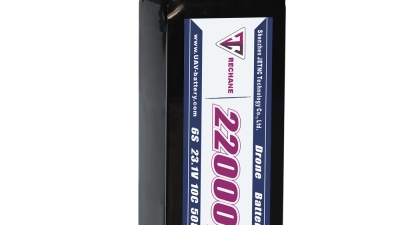
When it comes to enhancing the performance of your drone, the battery plays a pivotal role, and the JENTC LI-HV 6s 22000mAh semi-solid battery is designed specifically for this purpose. With a staggering capacity of 22000mAh and a voltage of 22.8V, this battery not only guarantees extended flight times but also ensures optimal power delivery, making it an excellent choice for both hobbyists and professional drone operators. According to recent industry reports, drones equipped with high-capacity batteries can achieve flight times that are up to 40% longer compared to their traditional counterparts, enabling users to cover larger areas without the need for frequent recharging.
This semi-solid custom lithium battery pack is certified under RoHS, CE, and FCC standards, assuring users of its safety and reliability. Its design caters to a broad spectrum of drone applications, from aerial photography to industrial inspections. Additionally, the JENTC battery comes with a warranty period ranging from 3 months to 1 year, which is a testament to its durability and the manufacturer's confidence in its performance. By integrating advanced battery technology, the JENTC LI-HV 6s battery positions itself as a game-changer in the drone market, promising not only to meet but exceed the expectations of modern drone enthusiasts.
FAQS
: Temperature sensitivity refers to how battery performance varies based on environmental temperatures, affecting efficiency, lifespan, and energy output. It's important because higher temperatures can increase self-discharge rates, while low temperatures can hinder chemical reactions, reducing effectiveness.
Maintaining optimal temperatures can be achieved by insulating battery storage areas, avoiding direct heat accumulation, and investing in temperature regulation technologies like automated cooling and heating systems.
Advanced software solutions for real-time monitoring, regular firmware updates, smart algorithms for energy consumption analysis, and the integration of artificial intelligence can significantly enhance battery optimization and decision-making.
While the cost of lithium-ion batteries has decreased significantly, installing a battery storage system can still range from $400 to $600 per kilowatt-hour, presenting financial challenges, especially for small to medium enterprises.
Integrating battery storage can yield long-term savings on energy costs, with businesses potentially achieving up to a 30% reduction in energy expenses over time.
Fluctuations in prices for battery raw materials like lithium and cobalt can lead to unpredictable costs, complicating financial assessments and impacting the overall investment in battery storage solutions.
Predictive maintenance facilitated by advanced technologies helps minimize downtime and ensures consistent energy availability, thereby enhancing the longevity and efficiency of battery storage systems.
Integrating battery systems with other energy sources, such as solar panels or grid power, allows for a more holistic approach to energy management, optimizing energy use across the board.
Monitoring battery performance in real-time helps in dynamically optimizing energy use, identifying inefficiencies, and enabling timely maintenance, which ultimately extends the lifespan of battery systems.
Smart algorithms can analyze energy consumption patterns and optimize charging cycles, resulting in improved energy efficiency and cost savings during periods of low demand.
Conclusion
When you're really trying to boost energy efficiency, bringing in advanced Battery Storage solutions is pretty much essential. Figuring out common issues that pop up with these storage systems can actually lead to some pretty big improvements in how you use energy. Things like understanding the battery’s cycle life or how sensitive it is to temperature play a huge role because they directly impact how well the battery performs. And let’s not forget about the tech side — bringing in the latest innovations can really help optimize these battery systems, making sure they work their best, even when conditions change.
Of course, rolling out these Battery Storage solutions isn’t without its hurdles — mainly the costs involved. Companies like Shenzhen Jentc Technology Co., Ltd., which is known for their top-notch lithium batteries, show how customized solutions can meet all sorts of needs. But at the same time, they’ve got to navigate regulatory stuff and compliance rules to make it all happen smoothly. So, by keeping these things in mind, businesses can tap into the real potential of battery storage to really step up their energy game.