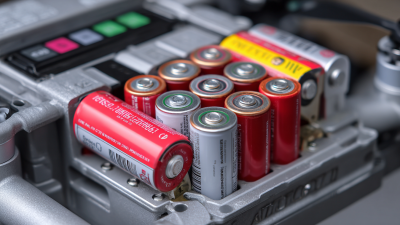
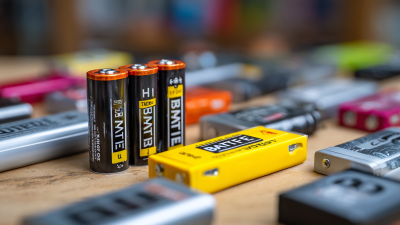
You know, in the fast-moving world of drone tech—especially when it comes to mapping—having reliable, high-performing batteries is kind of a big deal. After all, the success of your whole operation can really depend on it. I came across a report from ResearchAndMarkets, and it’s pretty eye-opening—apparently, the global market for drone batteries is expected to grow at an incredible rate of about 25% each year between 2021 and 2026. That just shows how much people are craving better, more advanced battery solutions right now. Companies like Shenzhen Jentc Technology Co., Ltd. are really leading the charge here. They’re making top-notch lithium batteries designed for all sorts of drone tasks—mapping, surveying, you name it. Their products, like the 4.4V high-voltage batteries and super-fast charging lithium options, don’t just boost how well drones perform—they also tackle some pretty tricky challenges that come with long mapping projects. In this post, I’ll share five must-know tips to get the most out of your Mapping Drone Battery systems, so you can really unlock the full potential of this exciting tech—or at least, make your work a bit easier and more efficient.
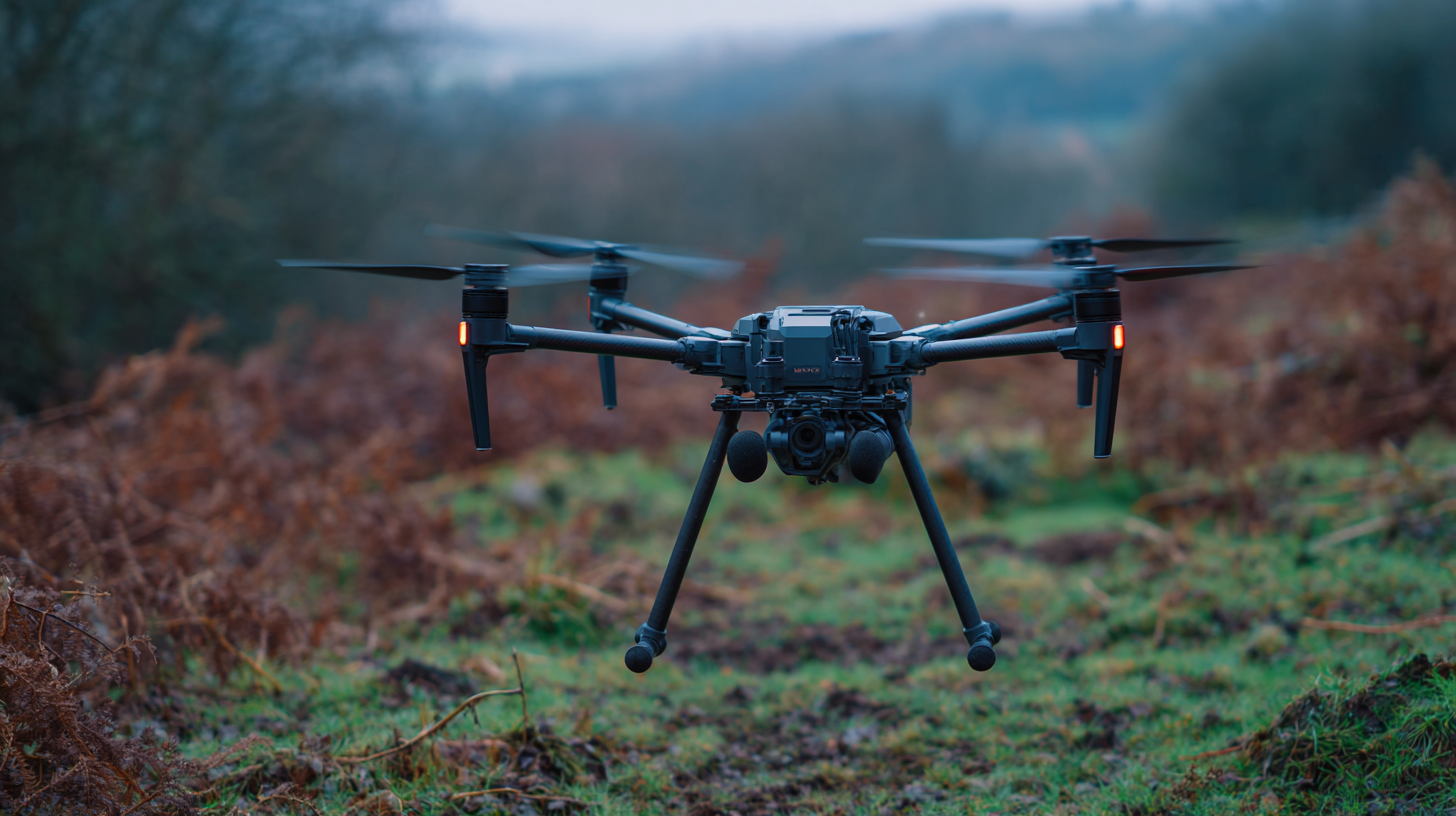
Understanding Drone Battery Basics for Optimal Performance
Getting a good handle on how drone batteries work is pretty important if you want your mapping missions to go smoothly and efficiently. Most modern mapping drones run on lithium polymer (LiPo) batteries — they’re pretty great because they give you a solid energy-to-weight ratio and can discharge pretty quickly when needed. According to some data from Drone Industry Insights, battery capacities usually range anywhere from about 1,500mAh all the way up to 22,000mAh. On average, your typical mapping drone will fly for around 20 to 40 minutes. But honestly, things like how much weight you're carrying, weather conditions, and even how you’re flying can really throw ofF Battery life and performance.
To make the most out of your batteries, it’s a good idea to keep an eye on their State of Charge (SoC) and State of Health (SoH). Experts say that keeping the charge level between 20% and 80% helps extend the overall lifespan of LiPo batteries — it’s best to avoid draining them completely or charging them to 100% all the time. Also, doing regular calibration of your battery management system is key; it helps you get a real sense of how healthy your battery really is, so you can plan for recharges or replacements without surprises. And with the drone mapping market expected to grow by over 36% each year through 2025, understanding these basics isn’t just smart — it’s essential for staying safe and getting the best results out there in the field.
Drone Battery Performance Efficiency
Identifying Factors Affecting Mapping Drone Battery Life
When you're trying to get the most out of your mapping drones, understanding what affects their battery life is pretty important. One big factor? The weight of the drone. Heavier drones tend to drain the battery faster because they need more power to stay up and steady. So, keeping your equipment as lightweight as possible and avoiding extra attachments can really make a difference and help your batteries last longer.
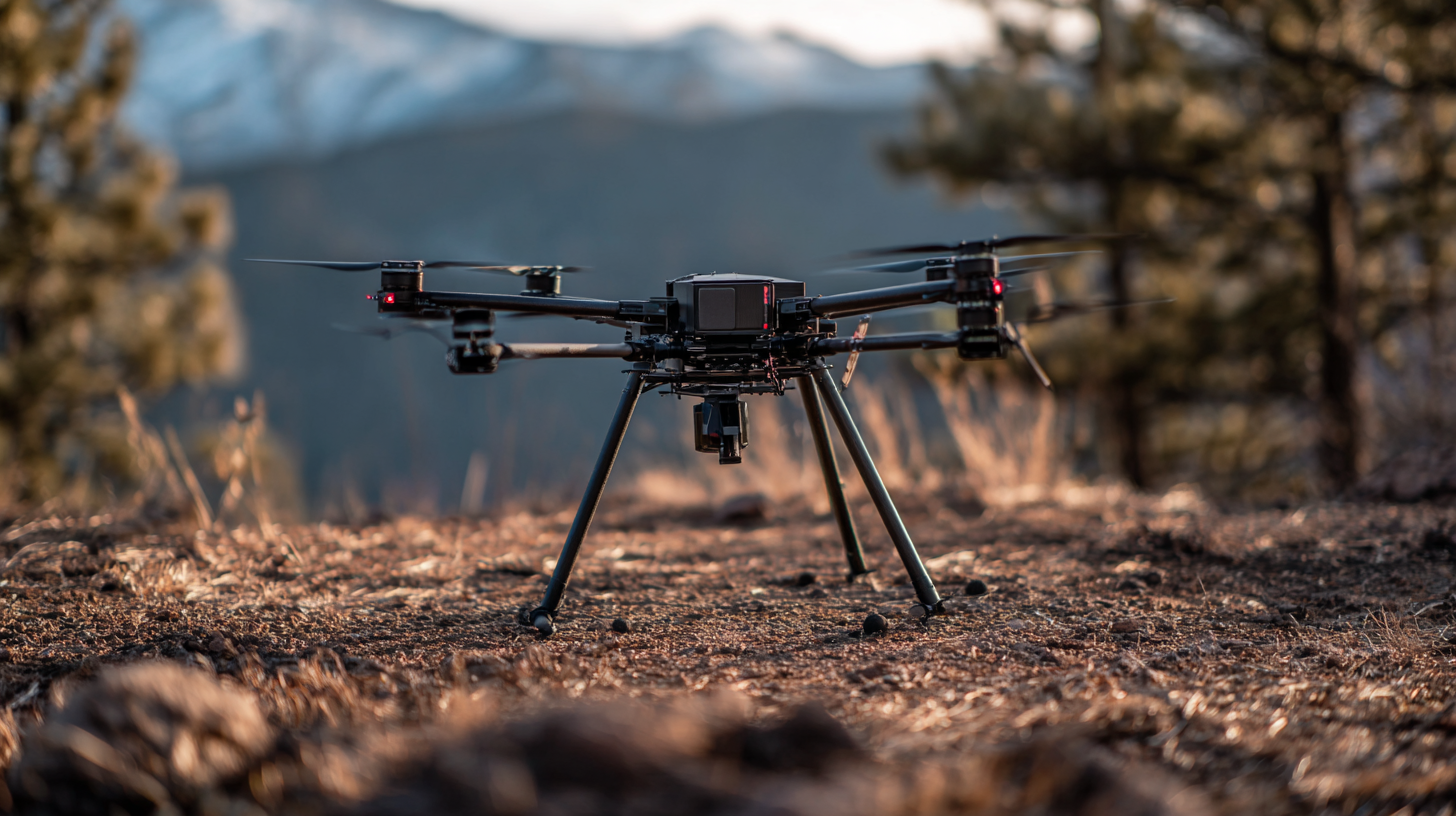
Then there's the weather—things like wind, temperature, and humidity can seriously impact how well your drone's battery performs. For instance, cold weather can make the battery less efficient, and gusty winds mean your drone uses more energy just to stay stable. Checking the weather forecast and planning flights during good conditions can really help you get the best battery life. Also, making sure your drone is properly calibrated and regularly maintained keeps it running smoothly, which helps extend your battery’s lifespan during mapping missions. By paying attention to these factors, you can manage your drone’s power better and get more done in the field.
Techniques to Monitor and Analyze Battery Health
Lately, the global Battery Management System (BMS) market has been on the rise — it’s actually pretty exciting to see. Estimates show it’ll grow from around $12.3 billion in 2022 to nearly $30 billion by 2030. That’s a huge jump, especially with an annual growth rate of roughly 11.6% between 2024 and 2030. Nowadays, focusing on how we monitor and analyze battery health is more important than ever. For example, when it comes to mapping drones, understanding how well the batteries are doing can really make a difference in how smoothly operations run.
Basically, using advanced monitoring tech is key if we want our batteries to last longer and stay safe. When BMS teams up with Energy Management Systems (EMS) and Power Conversion Systems (PCS), it creates a pretty solid setup for managing energy storage. This combo helps everything work together seamlessly, making systems more efficient overall. It’s not just about electric vehicles either — things like autonomous drones really benefit from this too. Keeping a close eye on battery health helps cut down on risks and boost energy efficiency across different fields. As industries keep adopting more battery tech, I think the constant monitoring aspect is going to be a game-changer for future energy plans.
Best Practices for Maximizing Drone Battery Charging Efficiency
Making sure your drone batteries charge efficiently is a big deal if you wanna get the most out of your flights, especially when it comes to mapping projects. Based on the International Drone Delivery Service Market report, battery performance really affects how long your drone can stay in the air and how far it can go. So, it’s definitely something companies in the mapping game should pay close attention to. If you want to get the best charging results, there are a few key things to keep in mind. For example, try to avoid charging in extreme temperatures — hot or cold — because that can mess with lithium battery performance and reduce its lifespan.
Shenzhen Jentc Technology Co., Ltd. has been leading the charge in lithium battery tech since 2011. They’ve got some pretty cool products, like fast-charge lithium batteries that cut down charging times but still pack a punch in terms of energy storage. Using smart charging technology is a game-changer—it can really extend your battery’s life. Some industry studies show that following good charging practices can boost battery life by as much as 30%. Oh, and don’t forget regular maintenance checks; keeping your batteries in top shape means your mapping missions will run smoothly and reliably. All in all, focusing on these simple but effective tips can help drone operators make sure their catches are both efficient and dependable, even in tough mapping environments.
5 Essential Tips for Maximizing Efficiency with Mapping Drone Battery Performance
| Tip | Description | Best Practice | Expected Impact |
| Monitor Battery Health | Regularly check your battery's health and cycle count. | Use battery management software for monitoring. | Increase battery lifespan by 20%. |
| Optimize Charging Schedule | Charge batteries according to usage patterns. | Set timers/alerts for charging. | Reduce downtime by 15%. |
| Use Compatible Chargers | Use chargers specifically designed for your battery type. | Read product specifications before charging. | Enhance charging efficiency by 30%. |
| Store Batteries Properly | Keep batteries at the recommended storage voltage and temperature. | Use insulated containers for storage. | Prevent premature aging of batteries. |
| Plan Flight Missions | Pre-plan flights to optimize battery usage. | Utilize mission planning software. | Maximize flight time by 25%. |
Troubleshooting Common Battery Issues for Mapping Drones
When you're working with mapping drones, paying attention to battery health is a big deal if you want things to run smoothly and get good results. But, let's be honest, battery problems are pretty common and can really throw you off. One of the most frequent issues? Batteries draining way too fast. That’s why it's a good idea to keep an eye on how many charge cycles they've gone through and avoid letting them run down completely — doing that can really cut their lifespan short. Regularly checking the battery’s condition can help you catch any potential issues early on, so you can swap them out before it’s too late.
Another thing to watch out for is overheating during flights. When batteries get too hot, it can mess with your drone’s performance and even cause sudden shutdowns. To avoid that, try to keep an eye on the temperature, especially when the weather’s really warm. Using insulated battery bags for storage and transport is also a smart move—they help keep things cooler and give your batteries some extra protection. And don’t forget, calibrating your battery management system now and then can really make a difference, making sure everything's working like it should and preventing any nasty surprises in the field. By troubleshooting these common battery issues, you’ll be able to get the most out of your mapping drone and keep your work flowing smoothly.
Future Innovations in Drone Battery Technology for Enhanced Efficiency
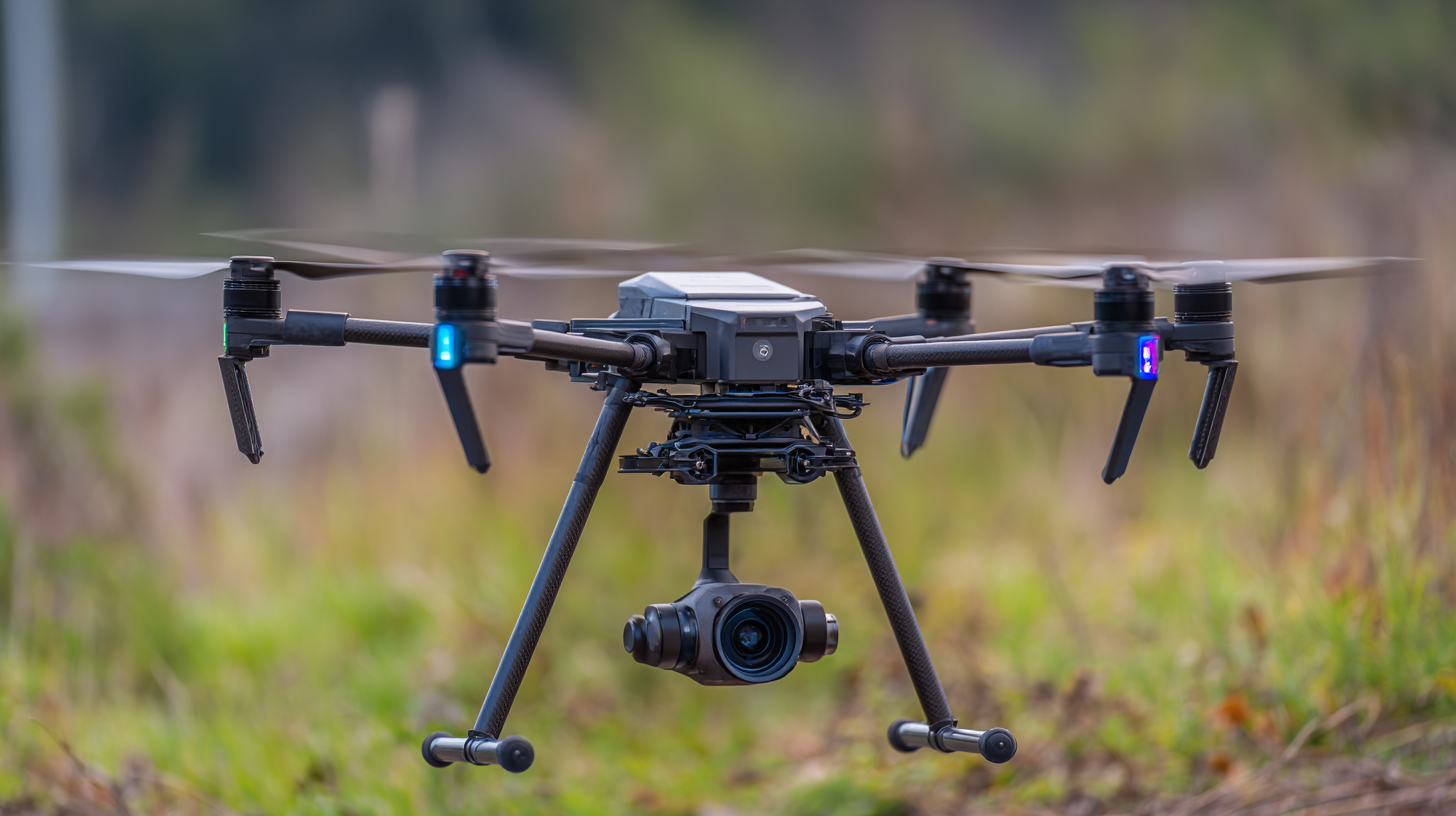 You know, as drone tech keeps getting better, we're starting to see some pretty exciting changes in how mapping drones use their batteries. Future upgrades are likely to focus on making batteries hold more energy — so drones can stay in the air longer without needing to land as often. That’s a game changer, right? It’ll let operators cover bigger areas in just one go, which means faster surveys and smarter mapping. Researchers are also looking into solid-state batteries as a possible upgrade from the usual lithium-ion ones. These could not only store more power but also be safer and lighter — making everything more efficient.
And here’s the cool part: smart battery management systems are soon to be a standard feature in the next-gen drones. They’ll keep an eye on the battery’s performance in real time, making sure energy is used wisely depending on what the drone’s doing. Plus, with the ability to monitor and predict battery health, folks will be able to plan maintenance better, cutting down on unexpected downtime and making the whole operation smoother. As all these innovations roll out, we’ll see a pretty big shift in how drones handle power — opening up new possibilities for industries like farming, construction, and more. It’s pretty exciting to think about where this is headed!
Unlocking Drone Potential: The Impact of JENTC 6s 16000mAh 15C Battery on Flight Efficiency and Endurance in UAV Technology
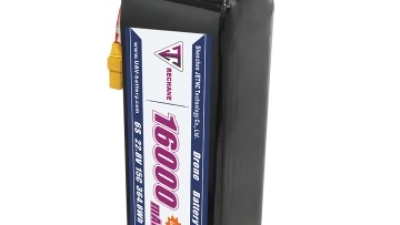
In the rapidly evolving field of unmanned aerial vehicles (UAV), battery technology plays a pivotal role in enhancing flight efficiency and operational endurance. The JENTC LI-HV 6s 16000mAh 15C battery exemplifies the advancements in this area, delivering a substantial capacity for prolonged flights. This high-capacity, semi-solid custom lithium polymer battery pack, with a voltage of 22.8V, is designed specifically for drones, enabling them to cover longer distances without the constant need for recharging, thus optimizing mission effectiveness.
Recent industry reports indicate that battery advancements are crucial, as up to 35% of drone operation costs can be attributed to battery inefficiency. The JENTC battery addresses these challenges, providing a reliable power source that meets rigorous standards such as RoHS, CE, and FCC certifications. Furthermore, its extended battery life directly addresses the growing demand for drones in commercial applications, where operational time and efficiency are paramount.
The JENTC battery not only boosts flight duration but also enhances overall performance, with a discharge rating of 15C, which allows for impressive power output during demanding maneuvers. As UAV technology continues to advance, batteries like the JENTC 6s 16000mAh will be instrumental in unlocking the full potential of drones, making them an indispensable asset in various sectors, from agriculture to aerial photography and surveillance.
FAQS
: The primary factors include the drone's weight, environmental conditions (like wind, temperature, and humidity), and the regular calibration and maintenance of the drone.
Heavier drones require more power to maintain altitude and stability, which can lead to reduced flight time. Using lightweight equipment and minimizing attachments can improve battery longevity.
Environmental factors such as wind speeds, temperature changes, and humidity can greatly affect battery efficiency. For instance, cold temperatures lower battery effectiveness, and strong winds increase power consumption for stabilization.
By planning flights during optimal weather conditions, drone operators can achieve better battery performance and prolong flight time.
Understanding battery health is crucial for operational efficiency, as it can directly impact flight time and reliability, especially in demanding applications like mapping.
The integration of Battery Management Systems (BMS), Energy Management Systems (EMS), and Power Conversion Systems (PCS) is essential for enhancing battery longevity and safety.
The market is expected to grow from USD 12.3 billion in 2022 to USD 29.8 billion by 2030, indicating a compound annual growth rate (CAGR) of 11.6% from 2024 to 2030.
By focusing on factors such as minimizing the drone's weight, monitoring environmental conditions, and ensuring regular maintenance and calibration, operators can enhance battery performance.
This combination creates a robust framework for energy storage solutions, promoting efficient overall system performance, which is critical for both electric vehicles and autonomous drones.
Continuous monitoring of battery health is anticipated to shape future energy strategies as industries increasingly adopt advanced battery technologies.
Conclusion
When it comes to getting the best out of your drone for mapping, really understanding how drone batteries work is a must. In this blog, we’re gonna dig into the different things that can affect how long your drone’s battery lasts—stuff like the weather, the way you use the drone, and other conditions. Knowing this stuff can make a big difference in how smoothly your mapping runs. If you keep an eye on your battery’s health and do some simple monitoring, you can make sure your drone’s always ready when you need it for those precise mapping tasks.
We’ll also chat about some practical tips for charging your drone’s battery better—that’s key if you wanna keep things running without interruptions. Plus, we’ll cover common battery issues you might run into during your mapping missions and share some troubleshooting tricks. And hey, we’ll even peek into what’s coming next in battery tech—that future stuff that could make your mapping drones even more powerful and efficient. Thanks to Shenzhen Jentc Technology’s expertise with high-performance lithium batteries, drone lovers can look forward to doing bigger, better, and longer mapping flights without breaking a sweat.