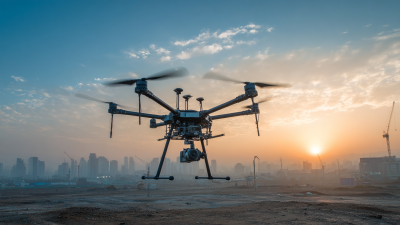
As drones keep shaking up different industries, learning how to get the most out of your Drone Batteries has never been more important. You know, studies show that how you care for your batteries can really make a difference—bad battery habits can actually cut their lifespan by up to 30%. That’s why companies like Shenzhen Jentc Technology Co., Ltd., who’ve been leading the game in high-performance lithium Batteries Since 2011, stress the value of good battery management.They offer stuff like 4.4V high-voltage batteries and fast-charging lithium options, which are game-changers for extending flight times and making sure your batteries last longer. In this post, I’ll share five key tips that both drone enthusiastsand pros can use to boost theiR Battery life—so you get the most out of your gear without the frustration.
Understanding Your Drone's Battery: Types and Specifications
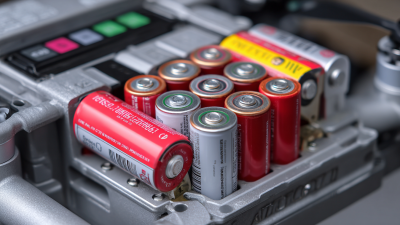
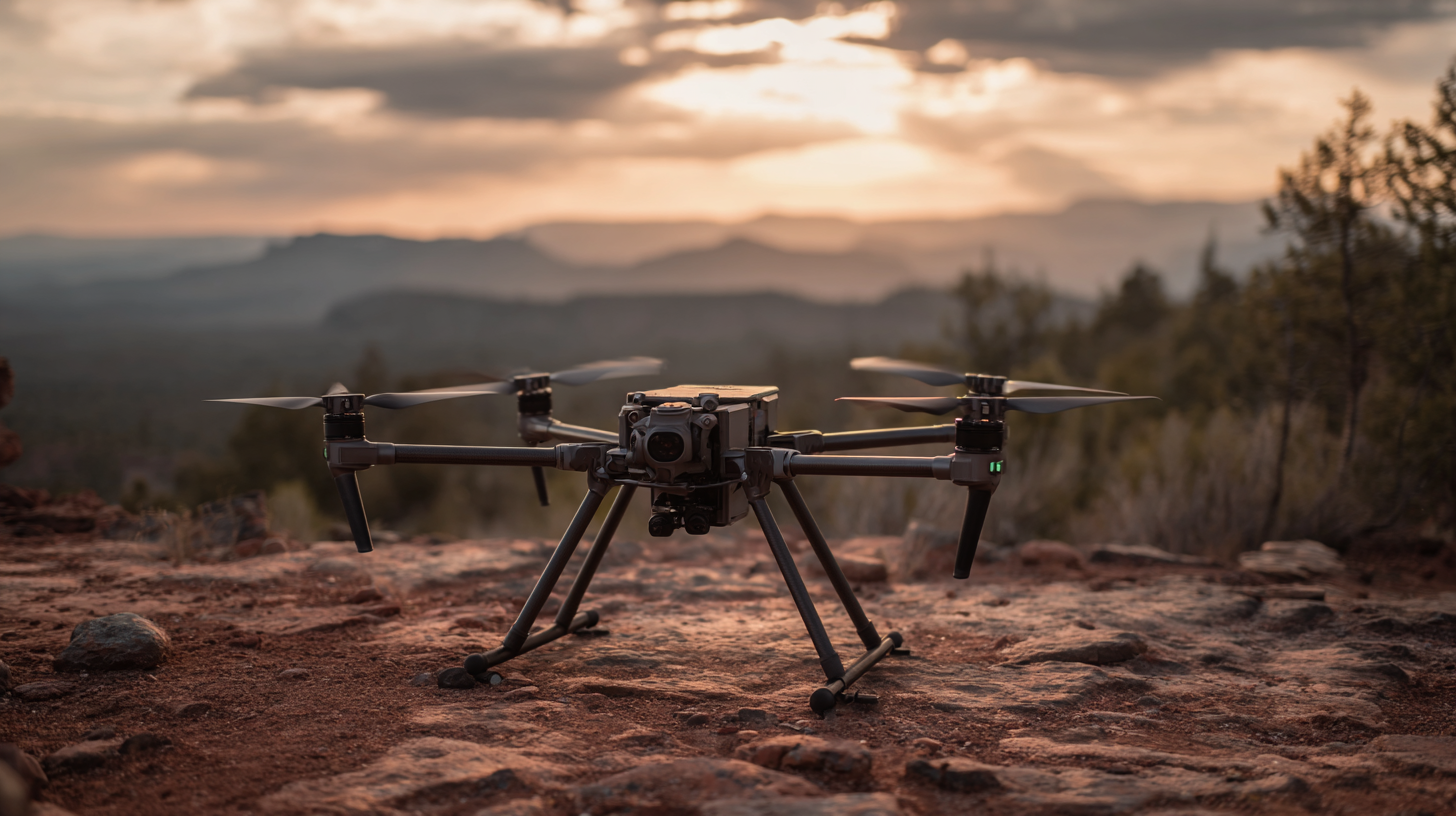 Getting to know your drone’s battery is pretty important if you want it to run smoothly and last longer. These days, there are a bunch of different types—like lithium-based, nickel-based, and even new tech like sodium-ion or fuel cells. Each one has its own specs, which means they differ in things like capacity, how you should charge them, and the best conditions to use them in. For example, lithium batteries are super common in consumer drones — mainly because they pack a lot of energy and work efficiently. Picking the right battery type can really make a big difference in how your drone performs overall.
If you want your drone’s battery to last as long as possible, here are some tips I’ve found helpful: First off, store your batteries at about half-charge when you’re not flying around—this helps keep them healthy. Second, try to avoid leaving them in super hot or cold spots; the ideal place is somewhere cool and dry, around 20-25°C. And finally, it’s a good idea to check on your battery’s health now and then—if it’s showing signs of wear, it’s probably time to swap it out for a new one. Stick to these tips, and you could boost your battery’s efficiency by up to 30%, which means longer flights and fewer surprises on the field.
Proper Charging Techniques: Do's and Don'ts for Longevity
Taking good care of how you charge your drone can really make a difference in how long its battery lasts. Trust me, it can improve both performance and those sweet longer flights you’re after. One big tip is to avoid overcharging—once your battery hits 100%, it’s best to unplug. Always use the charger that came with your drone because it’s made specifically for it, helping to keep everything in check and prevent accidental damage. Leaving it plugged in after full charge can cause it to get hot and, over time, actually harm the battery's health.
Also, try to charge your battery at a normal room temperature. Charging in super hot or cold environments isn't great for the chemistry inside the battery—it can mess up its efficiency and overall performance. Ideally, keep things between about 20°C to 25°C. Another thing: don’t let your battery completely die before charging it again. Instead, top it up when it’s around 20-30%. That way, you’re keeping it in a safe zone, which helps it last longer and performs reliably when you're out flying. Stick to these simple tips, and you’ll not only get more out of your drone but also help keep its battery happy and healthy for a long time to come.
Drone Battery Lifespan Optimization: Charging Techniques Impact
Optimal Usage Practices: How to Extend Your Flight Time
If you really want to squeeze out longer flight times from your drone, paying attention to how you use and care for the batteries is a total game-changer. I read a study by the FAA that says taking good care of your batteries can boost performance by up to 30%. A key tip? Try not to let the battery drain completely during your flights — most manufacturers suggest keeping the charge between 20% and 80%. Trust me, doing this not only helps your battery last longer over time but also keeps your drone running smoothly during those crucial moments.
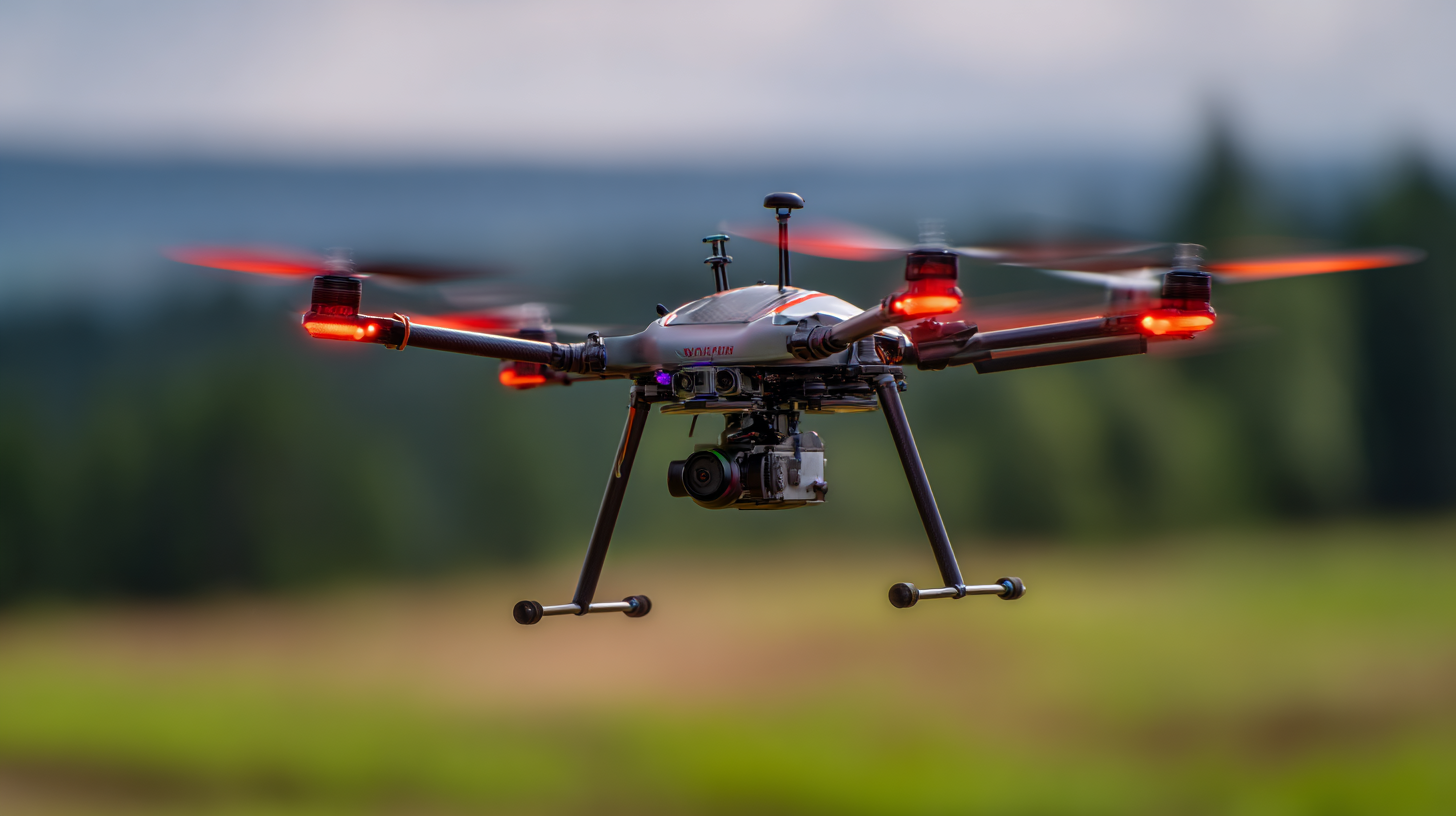
Oh, and don’t forget about temperature! Batteries hate extreme heat or cold. According to research from the University of Maryland, lithium polymer batteries work best between about 68°F and 77°F (20°C to 25°C). If it’s super hot or icy outside, your battery might struggle, which means shorter flights and worse performance. So, it’s a good idea to store your batteries in insulated cases if you’re flying in tricky conditions, and let them warm up or cool down to the environment before you take off. Following these simple tips can really make a difference — your drone will fly better, last longer, and you’ll really notice the difference in your flying sessions.
Weather Considerations: Keeping Your Drone Safe in Extreme Conditions
When you're out flying a drone, it really pays to understand how crazy weather can mess with both how well your drone performs and how long its battery lasts. According to a report from NOAA, temperature swings are a big deal. For example, if you're into flying in freezing conditions (think 32°F or 0°C), you should know that lithium-polymer batteries can lose up to 40% of their capacity—that's a huge drop and means you won't get nearly as much flight time. On the flip side, super hot temperatures, especially under that blazing sun, can speed up battery wear and tear, sometimes causing batteries to swell or even fail altogether.
And wind? Oh yeah, wind is no joke. Studies from the Journal of Unmanned Vehicle Systems show that gusts over 15 mph can really mess with your drone's stability and also make the battery drain faster because your drone has to work harder to keep steady. So, before you head out, it’s super important to keep an eye on the weather forecast—you want to stay within those safe flying limits. Sticking to these tips not only helps your drone's batteries last longer but can also boost its overall performance by up to 30%. Basically, knowing what you're up against makes all the difference when you're out there flying.
Regular Maintenance: Tips for Keeping Your Battery in Peak Condition
If you want your drone's battery to stay in top shape, regular maintenance is pretty much essential. Honestly, a study from the Drone Industry Association shows that taking good care of your batteries can make a big difference—up to 30% longer lifespan compared to those neglected ones. That kind of boost in performance really highlights why it pays to do routine checks and give your batteries some TLC.
One thing I’d recommend is keeping an eye on your battery cycles. The FAA points out that lithium-polymer batteries, which are what most drones use, don’t love extreme temperatures or being overcharged. So, try to charge your battery only when it hits around 20%, and once it’s full, unplug it. Also, storing it in a cool, dry spot can really help prevent unnecessary wear, keeping it healthy for longer.
And don’t forget about balancing those battery cells. Checking and balancing them regularly can stop uneven wear, which is a common reason batteries lose efficiency. Some reports even say that balanced cells can boost your battery’s lifespan by up to 15%. Basically, by sticking to these simple maintenance tips, you'll not only make your battery last longer but also enjoy more reliable flights and better overall performance.
Upgrading Your Battery: Exploring High-Performance Options for Drones
When you're flying drones, one thing that's totally crucial is battery performance. Honestly, upgrading to high-quality batteries can really make a big difference in how long your drone can stay in the air and how smoothly it runs. I’ve read somewhere—something like a report from the Academy of Model Aeronautics—that high-capacity lithium polymer (LiPo) batteries can boost your flight time by up to 25% compared to the standard ones. That means more airtime to get your shots or finish your tasks without constantly worrying about recharging.
And it’s not just about longer flights. There are these new smart batteries with built-in monitoring systems. They not only last longer but also make flying safer because they can actually tell you how healthy the battery is, preventing those annoying surprises where your drone suddenly loses power. The Consumer Technology Association even found that drones with these smarter batteries can perform over 30% better—definitely something worth looking into whether you're a hobbyist or a pro. Honestly, checking out these high-performance options can really level up your drone game and make your flying experience way more enjoyable.
FAQS
: To extend your drone's flight time, practice optimal usage by keeping the battery charge between 20% and 80% and maintaining a consistent operating temperature between 68°F and 77°F (20°C to 25°C).
Proper battery care can enhance a drone's performance by up to 30%, especially if you avoid fully depleting the battery.
Lithium polymer batteries perform optimally between 68°F and 77°F. In extreme temperatures, such as below freezing or high heat, their capacity and performance can significantly degrade.
In temperatures below freezing (32°F or 0°C), lithium polymer batteries can lose up to 40% of their capacity, drastically reducing flight time.
In hot weather, protect your drone from direct sunlight to prevent battery swelling and degradation. Storing batteries in insulated cases can help.
Wind gusts over 15 mph can affect flight stability and drain battery life faster, as drones need more power to maintain altitude in windy conditions.
Allow batteries to acclimate to the environment before use and store them in insulated cases, especially in extreme temperatures.
Monitoring weather conditions is crucial to ensure safe operations within specified limits, which protects the drone and extends battery lifespan.
Conclusion
Taking care of your drone battery is really key if you want to get the most out of your drone — longer flights and better overall performance. The first thing to do is get a good understanding of the different types of batteries out there and what they’re all about. Once you know that, you can start figuring out how to use them more effectively. Using proper charging habits, like avoiding overcharging and sticking with the recommended chargers, can really help extend your battery’s lifespan. And don’t forget, being aware of environmental factors matters too — extreme temperatures or rough conditions can damage your battery, so keeping an eye on those can save you headaches down the line.
Regular maintenance and mindful use are also super important. Simple things like checking for signs of wear or sticking to the recommended usage patterns can prevent your battery from wearing out prematurely and keep your flights longer. If you’re serious about boosting your drone’s performance, upgrading to high-quality lithium batteries—like the ones from Jentc Technology—can make a noticeable difference in power and efficiency. Follow these straightforward tips, and you might see your drone’s battery performance improve by up to 30%. Easy, right?