Inquiry
Form loading...
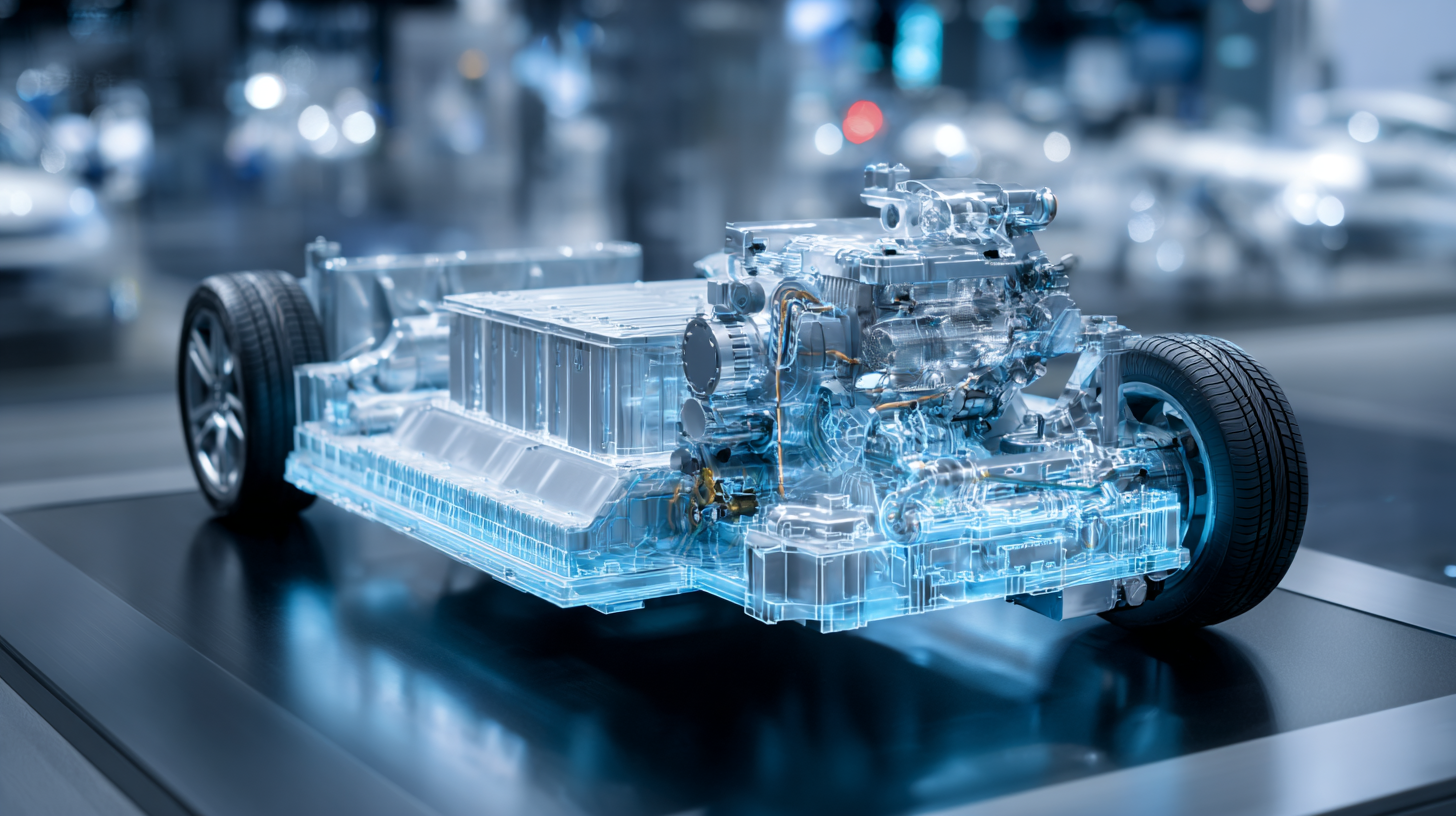
Lately, everyone’s been talking about pushing the limits of battery tech — and honestly, some of the progress is pretty exciting. There are some major breakthroughs happening that could boost efficiency by around 30% this year, which is a big deal. As the market for high-performance batteries keeps growing, companies like Shenzhen Jentc Technology Co., Ltd. are really leading the charge. They’re offering some pretty advanced lithium Battery Solutions that work for all kinds of uses. Founded back in 2011, Jentc has been pretty much all-in on developing a wide range of specialized batteries — stuff like 4.4V high-voltage packs, fast-charging lithium batteries, and batteries for AGV systems. These advancements aren’t just about cramming in more capacity; they also fit perfectly with the rising need for cleaner, more efficient energy storage. Thanks to new tech and creative designs, Jentc is set to stay ahead of the game, pushing performance even further and really shaping what the future of energy looks like across different industries.
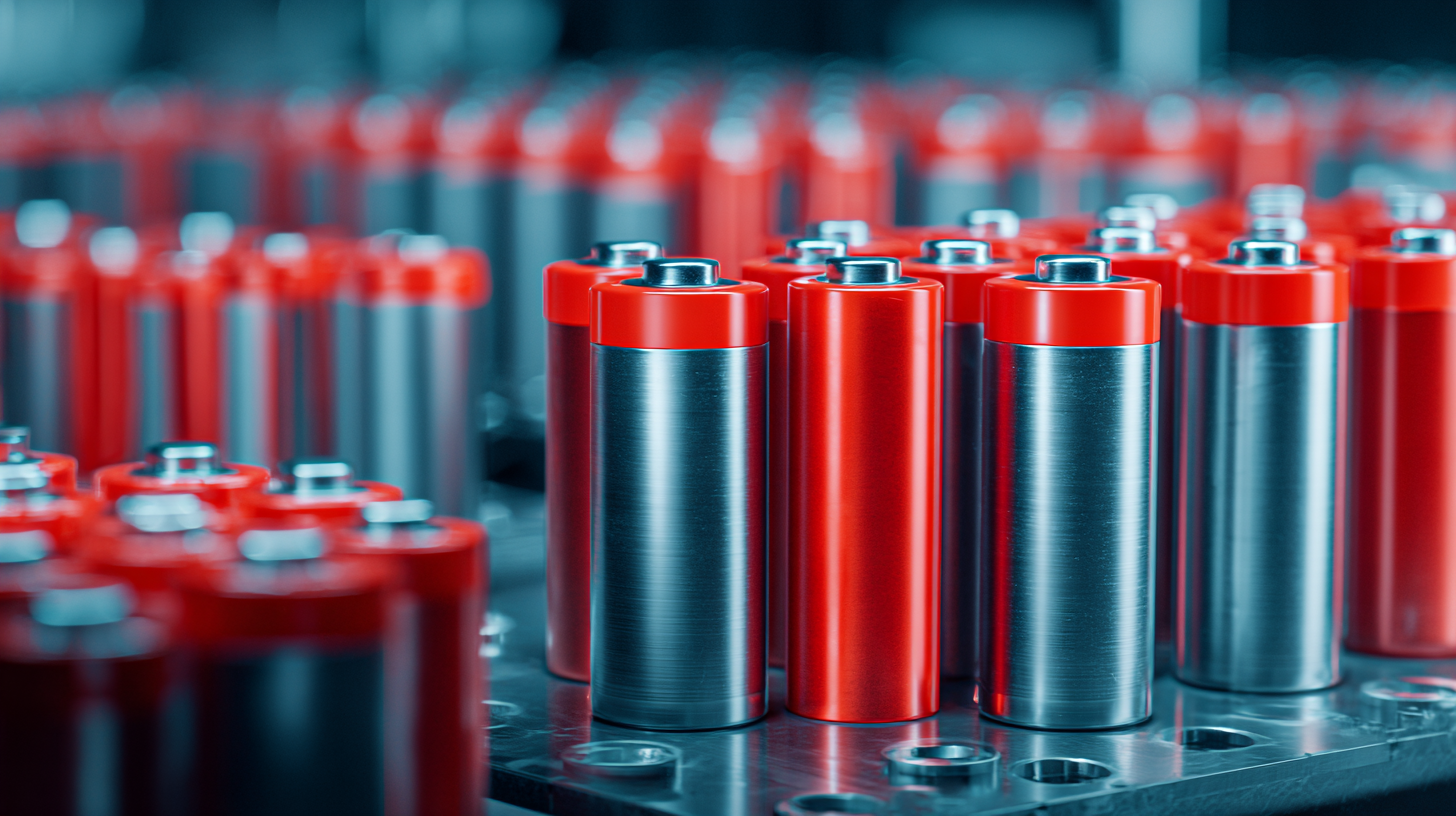
So, 2023 has really been a game-changer when it comes to battery tech. We're seeing some pretty exciting breakthroughs in materials that can pack a punch in terms of capacity. Things like solid-State Batteries and silicon anodes are really making waves — some reports suggest they could be about 30% more efficient than the usual lithium-ion batteries we’re used to. I read a recent study from the International Battery Association that said these next-gen materials might boost energy density from around 250 Wh/kg up to a whopping 350 Wh/kg. That’s a huge leap and could totally shake up industries, from electric cars to pocket-sized gadgets.
One company that’s really standing out in this space is Shenzhen Jentc Technology. They’ve got a pretty diverse lineup of high-performance lithium batteries—think high-voltage 4.4V packs and fast-charging options. It’s clear that they’re all-in on these cutting-edge advancements. As the world keeps pushing for greener tech solutions, the need for specialized, powerful batteries is only going to grow. For companies aiming to stay ahead, investing in these new materials isn’t just smart — it’s essential if they want to lead the race in this competitive market.
| Battery Type | Energy Density (Wh/kg) | Cycle Life (Cycles) | Charging Time (hrs) | Innovative Material Used | Efficiency Improvement (%) |
|---|---|---|---|---|---|
| Lithium-Sulfur | 600 | 300 | 2 | Sulfur Composite | 30 |
| Solid-State | 500 | 1000 | 1 | Ceramic Electrolyte | 30 |
| Graphene Battery | 700 | 500 | 0.5 | Graphene Oxide | 30 |
| Lithium-Ion | 250 | 1000 | 1.5 | Silicon Anode | 30 |
| Nickel-Cobalt-Aluminium | 300 | 800 | 1.2 | High-Performance Alloy | 30 |
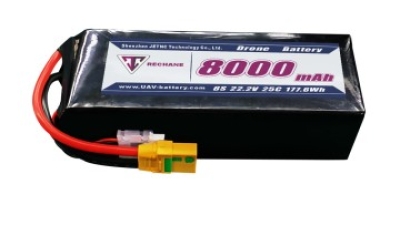
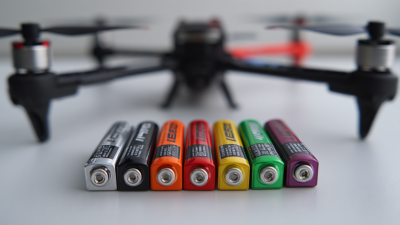
In the ever-evolving field of Unmanned Aerial Vehicles (UAVs), the choice of energy source can significantly influence the overall flight efficiency and operational performance. The JENTC FPV 6s 8000mAh 25C lithium polymer battery emerges as a standout option designed specifically to enhance UAV capabilities. Delivering a stable output of 22.2V and boasting a considerable capacity of 8000mAh, this battery not only provides the necessary power for prolonged flight times but also ensures reliable performance under demanding conditions.
Recent industry reports indicate that advancements in battery technology are making significant strides towards optimizing UAV performance. For instance, a study published by the European Association for Advanced Battery Technologies highlighted that lithium polymer batteries like the JENTC model exhibit superior energy-to-weight ratios compared to traditional battery types. This is crucial for UAV applications demanding lightweight solutions without compromising on power. Additionally, the battery’s 25C discharge rate allows for efficient energy delivery during critical operations, enabling UAVs to maintain stability and maneuverability even under strenuous workloads.
Moreover, the JENTC battery is backed by essential safety certifications, including RoHS, CE, and FCC, underlining its reliability and adherence to industry standards. This product not only meets consumer electronics needs but also offers opportunities for customization in branding and assembly, making it an attractive choice for UAV manufacturers aiming for both efficiency and product differentiation in a competitive market. The convergence of performance and safety in JENTC's battery design positions it as a strategic asset for enhancing UAV operations in various applications.
: Smart technology enhances battery performance by using real-time capacity management systems that monitor and analyze battery usage patterns. This allows for immediate adjustments that maximize output and minimize degradation, leading to improved energy storage capabilities and extended battery lifespan.
Nanotechnology significantly increases energy density in batteries, resulting in up to a 30% improvement in efficiency. It allows researchers to manipulate materials at the nanoscale, enhancing lithium battery performance without increasing their size or weight.
The lithium batteries from Shenzhen Jentc Technology Co., Ltd. provide high energy density, faster charging times, and enhanced safety and reliability. They are designed using cutting-edge innovations such as nanotechnology, ensuring superior performance tailored for various applications.
Data analytics allows for precise monitoring of battery health, charging patterns, and usage behaviors, resulting in improved lifecycle management and energy output. This optimization can lead to efficiency gains of up to 30%.
Tips include regularly updating software for better data collection, implementing machine learning algorithms for predictive maintenance, and investing in real-time monitoring systems to track performance metrics for quick adjustments.
Real-time capacity management systems are important because they enable seamless communication between batteries and devices, leading to more responsive energy distribution and the ability to adapt dynamically to changing power demands.
The integration of smart technology contributes to sustainability by improving energy management and maximizing the output of existing battery technologies, which helps reduce waste and enhances the efficiency of energy storage.
Improved battery technologies can benefit a variety of applications, particularly electric vehicles and renewable energy storage, where efficient energy management is crucial for performance and sustainability.
Consumers should prioritize suppliers that employ cutting-edge innovations like nanotechnology, ensure batteries are designed for specific applications, and look for products that enhance efficiency and support sustainability efforts.
Machine learning algorithms assist in battery management by enabling predictive maintenance, which helps in identifying potential issues before they occur, reducing downtime and extending battery life through timely interventions.
Hey, so in 2023, battery tech is really stepping up its game. We're seeing some pretty impressive stuff—like up to 30% improvements in efficiency thanks to new innovations. A big part of that comes from exploring newer, smarter materials for batteries, which helps pack more punch into each cell. Plus, the way we charge batteries is getting faster and more efficient with advanced techniques. And get this—integrating smart tech means batteries can now manage their own capacity in real-time, making sure they perform at their best all the time.
On top of that, nanotechnology is playing a role by boosting energy density, so batteries can hold more power without getting bigger. Data analytics is also being used behind the scenes to fine-tune overall performance. And it’s not just about better power—companies are focusing on sustainability too, trying to extend battery life so they're not replaced as often. All these innovations are pretty exciting for companies like Shenzhen Jentc Technology Co., Ltd., who specialize in high-performance lithium batteries. Essentially, these developments mean we’re looking at batteries that aren’t just more powerful but also more efficient and eco-friendly, paving the way for a future where energy storage is smarter and more sustainable.

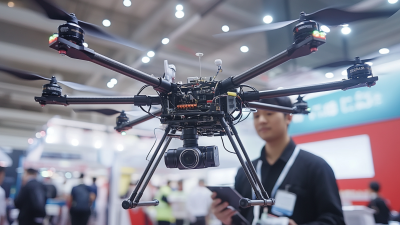




 And I gotta say, fast-charging tech has really taken off — especially those high-voltage systems that cut down charging from hours to just minutes. A study in the Journal of Power Sources pointed out that these new approaches don’t just save time; they also help keep the batteries healthy longer. All in all, manufacturers are not just making our devices more convenient, but they’re also making