If you're looking to get the most out of your Lifepo batteries—whether it's better performance or longer lifespan—then you’ll want to pay attention to advanced charging techniques and data-driven insights. As tech keeps moving forward, companies like Shenzhen Jentc Technology Co., Ltd. have been leading the charge, so to speak, offering high-quality lithium battery solutions since way back in 2011. They’ve got a pretty broad lineup, including fast-charging lithium batteries and those niche 4.4V high-voltage ones, which just goes to show—they really get how important smart charging is for keeping batteries healthy and lasting longer. In this article, we’ll dive into some practical strategies for boosting your Lifepo Battery’s efficiency. We’ll talk about innovative charging approaches and how data analytics can really make a difference in energy management and overall performance. By using these insights, you can help ensure your batteries run at their best, leading to better results whether you're using them for gadgets, solar setups, or other applications.
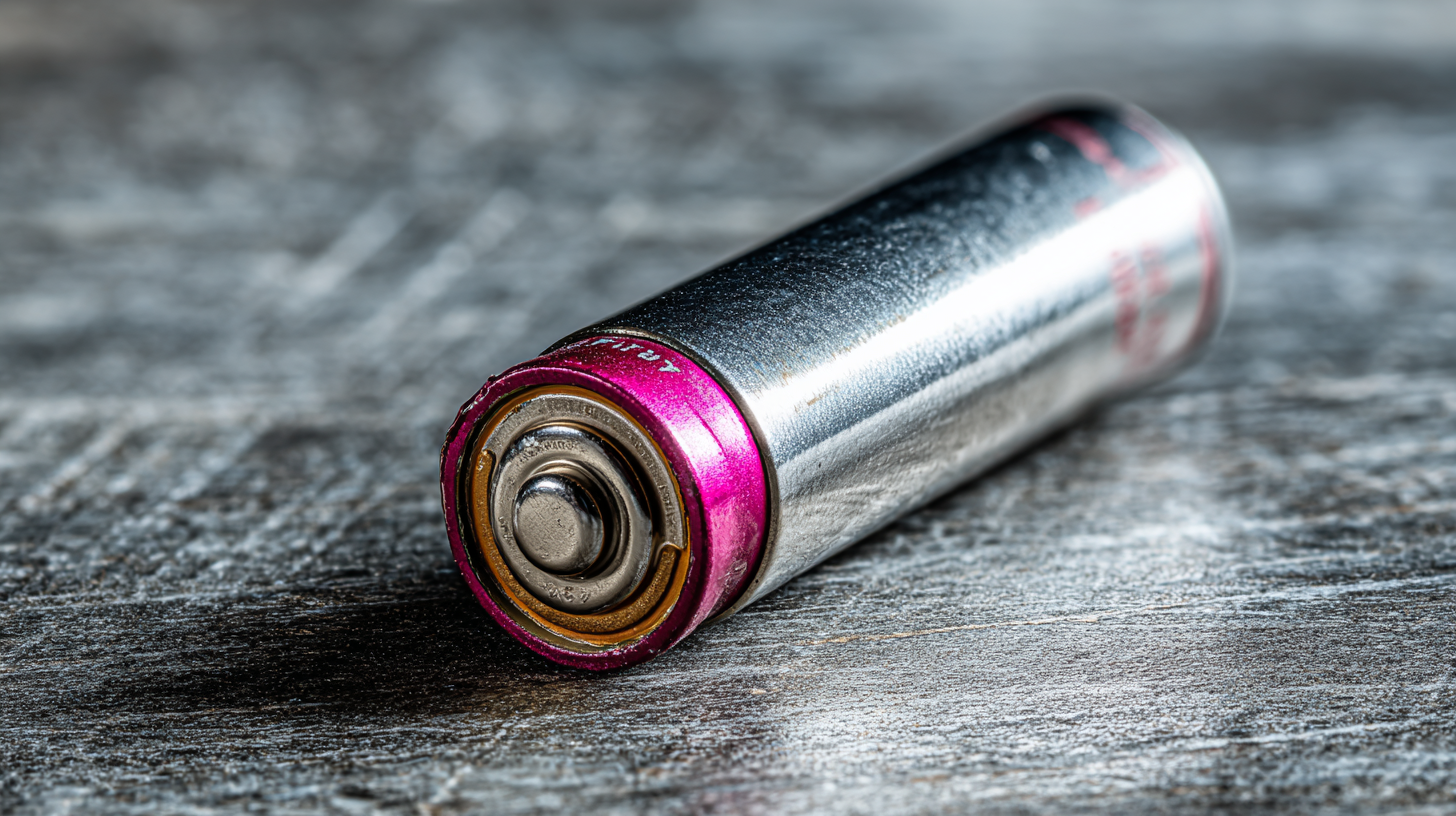
Strategies for Implementing Smart Charging Systems to Enhance Lifepo Battery Longevity
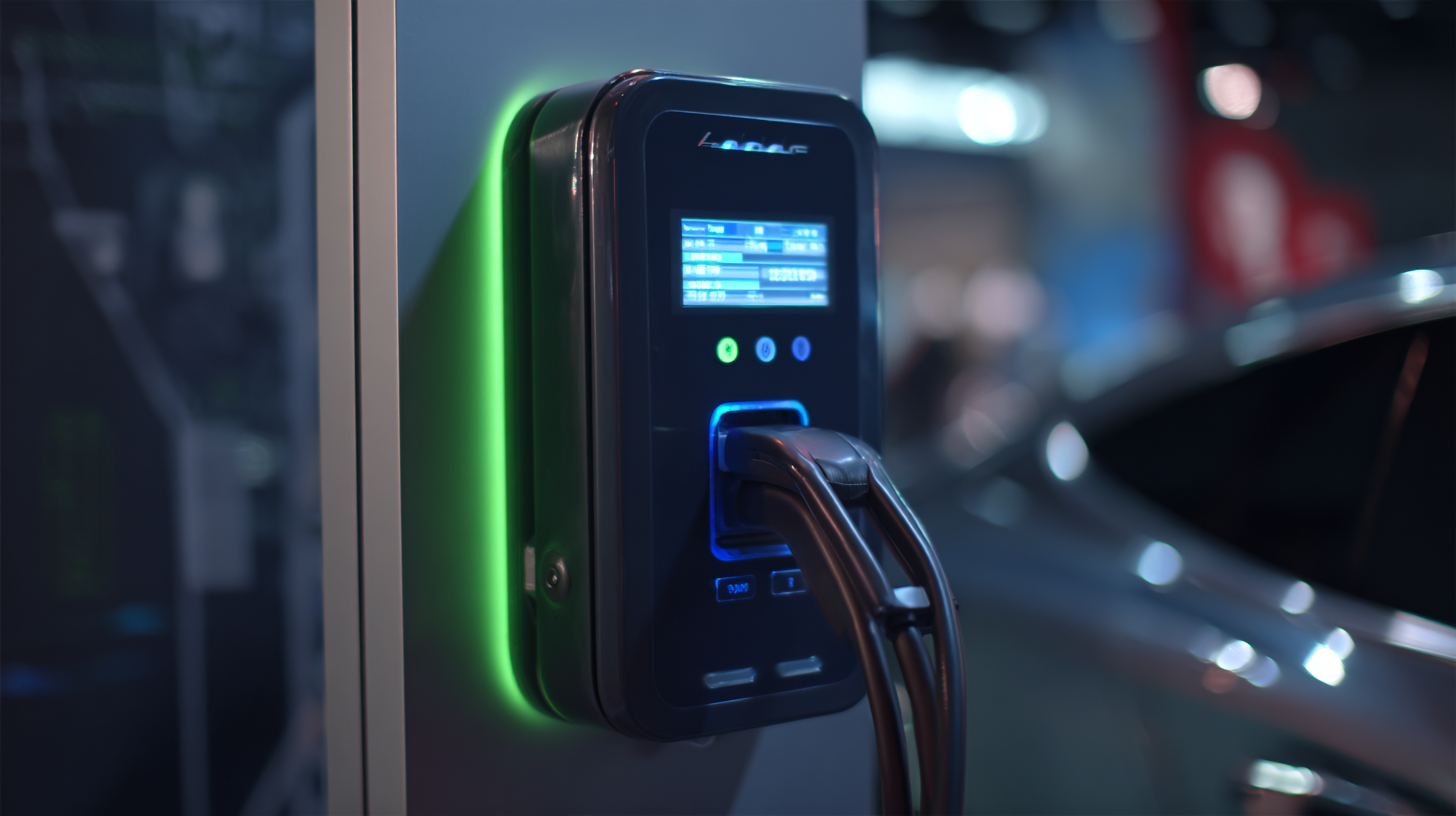
You know, when it comes to making Lithium Iron Phosphate (LiFePO4) batteries last longer and work more efficiently, smart charging systems are honestly a game-changer. Recently, I came across a study from the Electric Power Research Institute, and it turns out that fine-tuning how we charge these batteries can actually boost their lifespan by up to 30%. Techniques like dynamic load management—where the charging speed adjusts depending on the battery’s current charge level and temperature—really help prevent overheating and stuff that leads to battery wear and tear.
And there's more! If we incorporate data analytics into the whole charging process, we can get pretty awesome real-time insights into how the battery is performing. According to a report from Navigant Research, using AI in battery management can make charging super efficient—up to 95%, compared to the older, traditional methods. These smart systems keep an eye on things like voltage, current, and temperature, so they not only charge the battery more effectively but also help it last much longer. Honestly, it’s a pretty cost-effective approach in the long run and makes the whole thing way more reliable.
Understanding Temperature Effects on Lifepo Battery Performance During Charging Cycles
When you're charging LiFePO4 batteries, temperature really becomes a big deal for how well they perform and how long they last. If it gets too hot, it can speed up the chemical reactions inside the battery—sometimes giving you a bit more capacity, but there’s a catch. Excessive heat can also cause the battery to degrade faster and cut down on its overall cycle life, which no one wants. On the flip side, charging in cold temps isn’t much better — itcan make the battery accept charge slowly and reduce the power output, ultimately messing with its efficiency. Getting a good handle on how temperature affects youR Battery is key to figuring out the best charging strategies and making sure your battery sticks around longer.
To really get the most out of your LiFePO4 batteries, it’s important to keep an eye on and manage the temperature during charging. Advanced charging systems often include smart features like temperature compensation algorithms, which adjust the charging voltage and current based on what the battery’s feeling — keeping things in that sweet spot. By using data from temperature sensors and monitoring your charging cycles, you can craft more precise strategies to boost efficiency. Plus, you’ll be able to avoid the damage that comes from extreme temperatures — a win-win all around.
How to Maximize Lifepo Battery Efficiency with Advanced Charging Techniques and Data Insights - Understanding Temperature Effects on Lifepo Battery Performance During Charging Cycles
| Charging Technique | Optimal Temperature (°C) | Charging Voltage (V) | Cycle Life (Cycles) | Efficiency (%) |
| Constant Current Charging | 20 - 25 | 3.6 | 2000 | 95 |
| Pulse Charging | 15 - 30 | 3.65 | 2500 | 90 |
| Equalization Charging | 20 - 30 | 3.5 | 1800 | 92 |
| Temperature Compensation | 10 - 40 | Varies | 3000 | 97 |
| Smart Charging | 15 - 25 | 3.4 | 2200 | 93 |
Utilizing Data Analytics for Predictive Maintenance of Lifepo Battery Systems
In today’s fast-moving world of energy, tapping into data analytics for predictive maintenance of LiFePO4 (Lithium Iron Phosphate) batteries is more important than ever if you want to keep things running smoothly and extend how long these batteries last. A report from the International Energy Agency (IEA) points out that smart predictive maintenance can cut down unexpected downtime by as much as 50%. That’s a game-changer, especially for industries that depend heavily on battery-powered tech; keeping everything going without hiccups helps save money and keeps productivity high.
By leveraging machine learning techniques, battery management systems can dig into past performance data to find patterns and even predict failures before they happen. For example, a study from Battery University shows that keeping an eye on things like temperature and charge cycles can boost the efficiency of LiFePO4 batteries by over 20%. Plus, using advanced data analytics gives real-time insights into the battery’s health—so you can jump in with maintenance before performance drops off. With the electric vehicle market expected to hit around $800 billion by 2027, it’s clear that good, data-driven battery management isn’t just a nice-to-have, it’s essential for staying ahead of the game.
Optimizing Charge Rates: Balancing Speed and Battery Health in Lifepo Technologies
When you're charging Lithium Iron Phosphate (LFP or LiFePO4) batteries, it's really important to find the right balance—charging too fast can harm the battery, but going too slow might be frustrating. A report from the International Energy Agency mentions that if you don’t charge properly, you could cut down the battery’s lifespan by as much as 30%. Yikes, right? So, using smarter charging methods is pretty much a must. For example, sticking to a slower charge rate—say, around 0.5C to 1C—can really help your battery last longer. It helps avoid overheating and reduces wear and tear over time.
Here's a little tip: If you want both a quick charge and to keep your battery healthy, try using a smart charger that automatically adjusts the speed based on how full the battery is. It charges fast at first and then slows down as it approaches full capacity—kind of like how most of us prefer to do things. This way, you get the best of both worlds.
Plus, keeping your battery charge between 20% and 80% is actually good for its cycle life. According to the folks at Battery University, sticking within this range helps avoid issues like lithium plating and overheating—both of which can do some serious damage to your battery cells.
Here's another handy tip: Keep an eye on your battery temperature while charging and consider using thermal management systems if you can. That’ll help stop overheating before it damages the battery. By following these simple practices, you’ll get more endurance out of your LFP batteries and keep them running smoothly for longer.
Integrating Machine Learning Models for Improved Lifepo Battery Management
Hey, have you heard about how machine learning is really shaking things up when it comes to managing Lithium Iron Phosphate (LiFePO4) batteries? It’s pretty cool — especially in how it’s helping optimize charging processes. So, according to a report from Research and Markets, the global market for battery management systems is projected to hit around $11.13 billion by 2026. That’s mostly because more folks are jumping into electric vehicles and using renewable energy storage. By bringing in machine learning algorithms, these systems can sift through tons of data to predict the best charging times and patterns. That means batteries last longer and work more efficiently — which is a big deal. Plus, this smart tech lets the system make real-time tweaks during charging, helping to avoid overheating and energy loss—that's pretty important, right?
And get this — it’s not just about prolonging battery life. Using machine learning also gives us a deeper understanding of how these batteries behave under different conditions. A study published in the Journal of Energy Storage mentioned that, with these models, charge cycle efficiency improved by up to 30% compared to old-school methods. Basically, by looking at past performance data, the system can tell you whether to fast-charge or slow-down, depending on what you need and the environment. All in all, this kind of smart management doesn’t just make batteries last longer; it also keeps them reliable and performing well — whether it’s for electric cars or big power grids.
Exploring the Impact of Charging Frequency on Lifepo Battery Capacity Retention
You know, how often you charge your LiFePO4 (LFP) batteries really matters when it comes to keeping their capacity in check. These batteries are becoming pretty popular in electric vehicles because they’re known for being stable and long-lasting. Recent research has shown that the way we charge—especially during busy times—can actually speed up the wear and tear. Pounding your LFP cells with frequent, high-speed charging all the time might make them age faster and hurt their performance over time. So, basically, finding the right balance in charging habits is key if you want your batteries to last as long as possible.
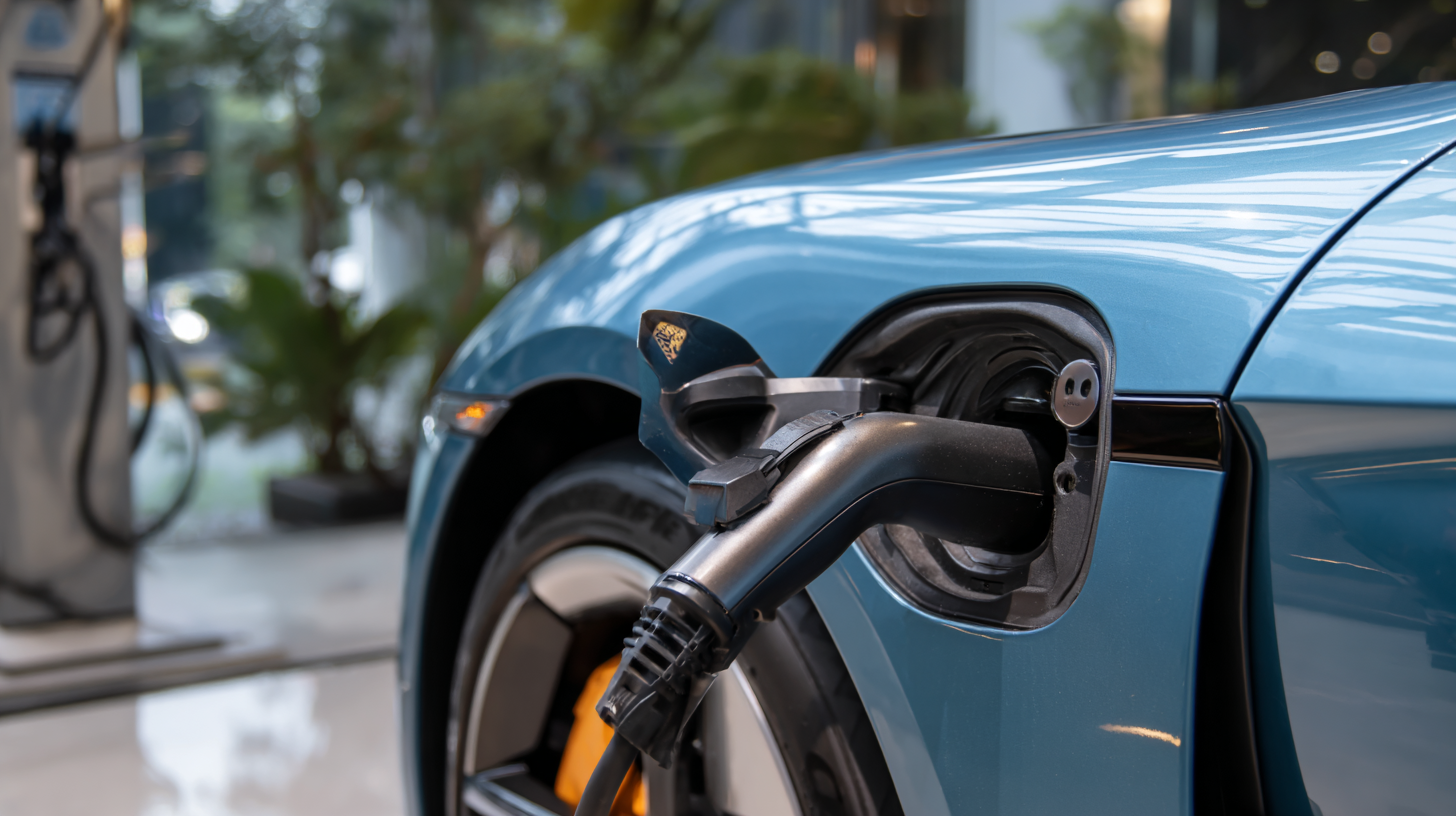
And on top of that, there are cool new techs like vehicle-integrated photovoltaics, or VIPV. These allow EVs to actually harness solar power to recharge, which cuts down how often you need to plug in and how hard you’re pushing the batteries—helping them stay healthier for longer. When you combine smarter charging practices with an understanding of how charging frequency affects battery health, it really helps make energy storage more sustainable. Not only does this mean better performance for your car, but it also ties into bigger goals like embracing renewable energy and cutting down emissions. Pretty neat, right?
Maximizing Drone Performance: A Comprehensive Analysis of JENTC LI-HV 12s 22000mah 10c Semi-Solid State Battery Efficacy in 2023
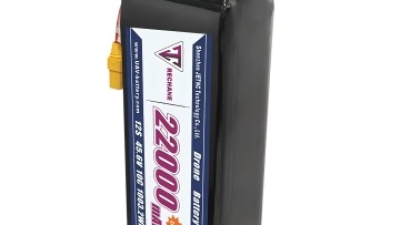
In 2023, the demand for high-performance drone batteries continues to grow, with the JENTC LI-HV 12s 22000mAh 10C semi-solid state battery emerging as a pivotal product in this segment. Designed with cutting-edge technology, this battery boasts an impressive 22000mAh capacity coupled with a robust 44.4V voltage, making it an ideal choice for various drone applications where reliability and endurance are paramount. With its semi-solid state design, the battery aims to enhance energy density and overall efficiency, ensuring that drones can achieve longer flight times and improved performance in demanding environments.
Originating from China, the JENTC battery is built to cater to the rigorous standards of consumer electronics. It comes certified with RoHS, CE, and FCC, which underscores its safety and environmental compliance. Additionally, the battery is backed by a warranty ranging from 3 months to 1 year, offering users peace of mind regarding its longevity and durability. This makes the JENTC LI-HV not just a powerhouse for drone enthusiasts but also a reliable choice for commercial applications where uninterrupted power is crucial. With such features, it stands out as a formidable option for maximizing drone performance in an increasingly competitive market.
FAQS
: Predictive maintenance utilizes data analytics to forecast potential failures in LiFePO4 battery systems, reducing unplanned downtime by up to 50%, which is crucial for industries relying on these systems to maintain continuous operation.
Machine learning algorithms can analyze historical performance data to identify patterns, helping predict failures and enhancing operational efficiency by over 20% through monitoring essential factors like temperature and charge cycles.
Implementing slower charge rates (0.5C to 1C) can significantly extend battery lifespan by preventing thermal stress and degradation. Using a smart charger that adjusts the charge rate based on battery conditions is also recommended.
Maintaining a charge level between 20% and 80% is recommended to minimize risks like lithium plating and excessive heat generation, thus improving cycle life.
High-frequency charging cycles can accelerate the aging of LiFePO4 batteries, impairing long-term performance. Therefore, optimizing charging frequency is essential for enhancing battery lifespan.
Technologies like vehicle-integrated photovoltaics (VIPV) allow electric vehicles to utilize solar energy for charging, reducing the frequency and intensity of grid charging and improving battery capacity retention.
Regularly monitoring battery temperatures during charging and implementing thermal management systems can prevent overheating, which is detrimental to battery health.
Effective predictive maintenance of LiFePO4 batteries is increasingly important as the electric vehicle market is projected to reach $800 billion by 2027, highlighting the need for optimized battery management.
Optimizing charge rates is vital as inappropriate charging can reduce battery lifespan by up to 30%, making it important to implement advanced charging techniques to safeguard battery integrity.
Users should focus on optimizing charge rates, implementing smart charging technology, maintaining optimal charge levels, monitoring temperatures, and considering innovations like VIPV to enhance the operational lifespan of their energy storage systems.
Conclusion
The article titled "How to Maximize Lifepo Battery Efficiency with Advanced Charging Techniques and Data Insights" dives into a bunch of strategies to boost how well and how long Lifepo batteries last. It really stresses the importance of smart charging systems that can adapt based on the battery’s current condition — you know, to help extend its lifespan. It also talks a lot about keeping an eye on temperature during charging because that’s a big deal, and making good use of data analytics for predictive maintenance, so things keep running smoothly.
They also get into how different charge rates can impact the battery — basically, finding that sweet spot between charging quickly and not messing up the battery’s health. The article even touches on how machine learning models can help fine-tune battery management, which is pretty cool. Lastly, it points out that how often you charge your battery can affect its capacity over time, so knowing when and how often to top it off really matters for keeping things running efficiently.
Overall, these insights are super handy for both makers and users, like Shenzhen Jentc Technology Co., Ltd., giving them the tools they need to get the most out of their high-performance lithium batteries and keep everything working at its best.