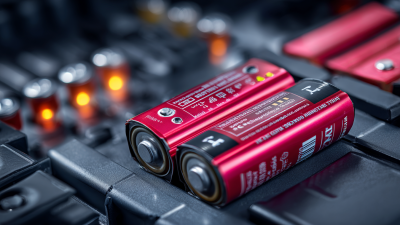
In today’s fast-changing tech world, getting a handle on battery pack design is more important than ever—whether you’re just starting out or already a pro. Over at Shenzhen Jentc Technology Co., Ltd., we get how crucial high-performance lithium batteries are for powering all sorts of applications. We've been around since 2011, and over the years, we've built up quite an impressive selection of batteries—think innovative 4.4V high-voltage cells, quick-charging lithium batteries, and batteries for AGV applications. In this blog, I want to walk beginners through the often tricky process of designing battery packs. I’ll break it down step-by-step so it’s easier to understand, even if you’re new to this. With our deep know-how in Battery Tech, we’re here to help you create packs that are efficient, reliable, and safe—exactly what the market demands nowadays. So, stick with us as we share some handy tips and tricks to boost your skills in battery pack design and help you level up your game.

Essential Components of Battery Pack Design: A Comprehensive Checklist
When you're diving into battery pack design, it’s really important to get a good grasp of the core components that make a pack perform well and run efficiently. Here at Shenzhen Jentc Technology Co., Ltd., we always stress how crucial it is to pick the right materials and tech for your project. Things like cell chemistry, protective circuits, thermal management solutions, and rugged enclosures that can handle environmental challenges are all key players.
Tip 1: Make sure to choose lithium cells that match your specific needs—whether you need high voltage or fast-charging capabilities—to get the best performance. For example, our 4.4V high-voltage batteries work great for applications demanding strong power delivery.
And don’t forget, integrating a solid Battery Management System (BMS)is super important. It keeps tabs on youR Battery’s health, making sure everything stays safe and lasts longer.
Tip 2: Also, it’s worth investing in good thermal management—especially when you're dealing with fast-charging lithium batteries. Products like our AGV lithium batteries are built to handle heavy-duty use without sacrificing safety.
Getting your battery pack design just right doesn’t only boost efficiency but also makes the user experience better overall. It’s honestly a key part of creating great tech products today, especially in a world that’s constantly hungry for innovation.
Understanding Battery Chemistry: Selecting the Right Cells for Your Project
When you're starting a project to design a battery pack, it's really important to get a good grip on battery chemistry. That way, you can pick the right cells based on what you actually need. Different uses call for different things—like voltage, capacity, or how fast they charge. For instance, if you're working on something that needs high voltage, batteries around 4.4V might be your best bet because they pack more energy and tend to be more efficient. On the flip side, if speed is key and you’re looking to cut down downtime, fast-charging lithium batteries can be a game-changer.
At Shenzhen Jentc Technology Co., Ltd., we’ve got a wide selection of high-performance lithium batteries designed to fit all kinds of projects. Our lineup includes specialized options, like AGV lithium batteries, which are super reliable for automated guided vehicles. We take pride in our quality and innovative approach. By really understanding the different properties of each type of battery, designers can make smarter choices that will help their projects perform better and last longer.
Whether you’re just getting started or you’re a seasoned pro, having Jentc’s expertise on your side will make all the difference in creating a successful battery pack.
Basically, the more you know about what each battery can do, the better your chances of nailing that perfect design. And hey, we’re here to help you navigate those choices every step of the way!
Safety Standards and Regulations: Ensuring Compliance in Battery Pack Design
When you're working on designing a battery pack, it's super important to really pay attention to safety and reliability. Making sure your design complies with safety standards and regulations is a big deal — not just for performance but also to keep users and the environment safe. If you're new to this, getting a handle on key standards like IEC 62133, UL 2054, and UN38.3 is a must. These guidelines lay out the testing and design rules your battery packs need to follow, to make sure everything's safe during use, shipping, and storage.
Tip 1: Make it a habit to stay updated with the latest regulations and industry standards. These rules tend to change over time, so it's a good idea to review compliance info regularly. Subscribing to industry newsletters or becoming part of professional groups can really help you stay in the loop.
When you're starting out with battery pack design, it’s a smart move to do a thorough risk assessment upfront. Think about what hazards might pop up and evaluate the risks based on your particular battery chemistry and how you plan to use it. Taking this proactive approach isn’t just about safety — it can also make the certification process so much smoother.
Tip 2: Don't hesitate to work with certified professionals when you're testing safety stuff. Partnering with experienced labs can seriously boost your chances of hitting all those tough safety standards before your product hits the market — trust me, it’s worth it.
Mastering Battery Pack Design with Our Step by Step Tutorial for Beginners - Safety Standards and Regulations: Ensuring Compliance in Battery Pack Design
| Aspect | Details |
| Battery Chemistry | Lithium-ion, Lithium Polymer, Nickel-Metal Hydride |
| Pack Configuration | Series, Parallel, Series-Parallel |
| Capacity (Ah) | 5Ah, 10Ah, 20Ah |
| Voltage (V) | 3.7V, 7.4V, 11.1V |
| Dimensions (mm) | 100 x 70 x 40, 150 x 100 x 50 |
| Weight (kg) | 0.5, 1.0, 1.5 |
| Charging Standards | UL 2054, IEC 62133 |
| Discharge Standards | UN 38.3, IEC 62619 |
| Safety Features | BMS, Thermal Protection, Fuses |
| Testing Requirements | Cycle Test, Abuse Test, Environmental Test |
Designing for Thermal Management: Best Practices to Prevent Overheating
You know, as the global market for thermal management systems is expected to grow quite a bit—projected to hit around $95.64 billion by 2032—it really highlights how crucial good battery pack design is. I mean, if we don’t manage heat properly, especially in electric vehicles, batteries can overheat and mess things up pretty quickly. That’s why cool strategies, like using advanced thermal insulation materials, are such a big deal—they help keep the battery temperatures just right and running smoothly.

Plus, there's some pretty exciting tech being explored right now, like microchannel cooling and phase change materials, which are designed to help get rid of heat more effectively. These innovations aren’t just about making batteries last longer or perform better; they’re also essential for keeping everything safe, especially as electric systems get more powerful. Because of this, manufacturers in sectors like automotive and electronics have to really prioritize thermal management to meet the soaring demand for high-performance batteries. And with companies like Shenzhen Jentc Technology dedicated to pushing the boundaries with advanced lithium battery solutions, making thermal management a core part of the mix is going to be key in driving the future of electric mobility forward.
Testing and Validation: Key Metrics for Battery Pack Performance Evaluation
When you're designing a battery pack, there's a lot that comes into play during testing and validation — those stages are pretty much what decide how well the final product will perform and how reliable it’s going to be. Things like capacity, cycle life, internal resistance, and how it handles heat are super important when evaluating how good your battery pack is. For example, capacity is all about how much energy it can store, while cycle life tells you how many charge-and-discharge cycles it can handle before it starts losing a lot of its capacity. Getting a good grasp on these numbers really helps you see what your design is doing right — or where it might need some work.
Internal resistance is another big deal because it directly impacts efficiency and how much heat the battery generates when you're using it. A lower internal resistance usually means better performance, especially when you're pulling a lot of power quickly. And don't forget about thermal behavior! Keeping an eye on heat levels is key to avoiding overheating and keeping things safe. By thoroughly testing and validating against all these points, designers can tweak and improve their battery packs, making sure they meet performance and safety standards. Going through this process step-by-step really helps create batteries that are sturdy, reliable, and ready to handle whatever you throw at them, whether it’s for cars, gadgets, or other tech applications.
Battery Pack Performance Evaluation Metrics
This chart represents key metrics for battery pack performance evaluation, including capacity, voltage, energy density, charge time, and cycle life. These metrics are essential for assessing the overall efficiency and functionality of battery packs in various applications.
Cost Considerations: Budgeting for Material and Manufacturing in Battery Pack Design
When you're diving into the design of a battery pack, one of the key things to keep in mind is how much it's gonna cost in terms of materials and manufacturing. With the surge in demand for electric vehicles, it's more important than ever to get a good handle on budgeting for those battery parts. Plus, with the construction industry expected to grow next year, it’s a great opportunity to sync up your battery manufacturing plans with strong supply chain strategies. That way, you can really cut costs and make the whole project more financially feasible.

And let's not forget about recycling lithium-ion batteries — investing in eco-friendly solutions might actually pay off in the long run. By paying attention to costs for raw materials and waste management, designers can better handle the ups and downs of production while staying competitive. On top of that, recent global policy shifts, like those outlined in the latest carbon budget report, highlight how crucial it is for manufacturers to get on board with sustainable practices. This isn’t just about being eco-friendly; it’s also about connecting our environmental goals with economic success in battery pack design. All of this pushes forward innovation while tackling sustainability issues in the EV battery chain, setting the stage for what’s next in the industry.
FAQS
: Understanding battery chemistry is essential as different applications require specific battery characteristics such as voltage, capacity, and charging speed, which directly influence the performance and longevity of the battery pack.
Shenzhen Jentc Technology Co., Ltd. offers a wide range of high-performance lithium battery solutions, including AGV lithium batteries known for their reliability in automated guided vehicles.
Key safety standards include IEC 62133, UL 2054, and UN38.3, which outline the testing and design requirements necessary to ensure the safety of battery packs during use, transport, and storage.
To stay informed, regularly review compliance guidelines from relevant authorities, subscribe to industry newsletters, or join professional organizations focused on battery technology.
Implementing a robust risk assessment strategy from the outset helps identify potential hazards related to battery chemistry and application, enhancing safety and streamlining the certification process.
Effective thermal management is critical to prevent overheating, especially in electric vehicles, and is essential for maintaining optimal operating temperatures, enhancing battery performance and safety.
Technologies such as microchannel cooling and phase change materials are being explored to improve heat dissipation capabilities within battery packs.
Partnering with experienced labs ensures that your battery packs meet rigorous safety standards, which is crucial for compliance and market readiness.
Proper thermal management enhances battery life and performance by preventing excessive heat buildup, thereby ensuring the longevity of the battery system.
The global market for thermal management systems is projected to grow significantly, indicating increasing demand for high-performance batteries, especially in electric mobility sectors.
Conclusion
Hey there! In our in-depth tutorial, titled "Mastering Battery Pack Design for Beginners," we really get into the important stuff about building a solid battery pack. We start off with a handy checklist of components, making it easier to choose the right battery cells by understanding their chemistry — so you can get the best performance tailored to your project. We also chat about why safety rules and regulations matter — nobody wants any surprises — and share some cool tips on thermal management to keep everything cool and prevent overheating.
Plus, we cover the testing and validation stage — it’s all about checking those key metrics to make sure your battery pack works like a champ. And don’t worry, we throw in some practical advice on how to keep costs in check, with strategies for budgeting materials and manufacturing without breaking the bank. Drawing from our experience at Shenzhen Jentc Technology Co., Ltd., a leader in high-performance lithium batteries, we want to give you all the tools you need to design a reliable, modern battery pack that can handle whatever you throw at it.