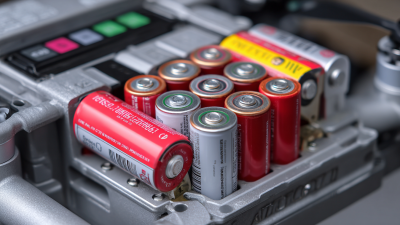
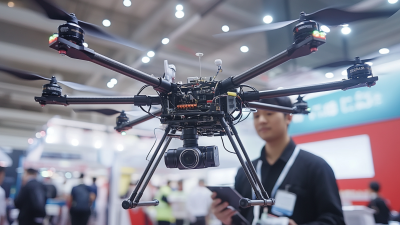
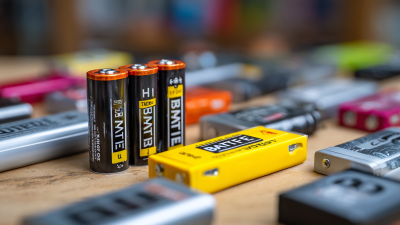
You know, in this fast-paced world of drone tech, having a good, reliable Drone Battery is just so important. Seriously, as drones are being used for everything from taking stunning aerial photos to helping out in agriculture and all sorts of other areas, picking the right battery really makes a difference when it comes to getting the best performance and making sure things run smoothly. That’s where Shenzhen Jentc Technology Co., Ltd. comes in. These guys have been around since 2011, providing some really cutting-edge lithium Battery Solutions. They totally get this need! With their wide range of products—including 4.4V high-voltage batteries, fast-charge lithium batteries, and AGV lithium batteries—they're all about delivering energy solutions that actually boost drone capabilities. In this blog, we'll dive into 7 important featuresthat set the best Drone Batteries apart from the rest, and take a look at how these features really play a role in improving drone performance and reliability.
Key Battery Technologies Shaping the Drone Industry by 2025
Hey there! So, you know how the drone industry is really buzzing right now? Well, one thing that can’t be ignored is how crucial battery technology is becoming. By 2025, we're seriously going to see some major leaps in lithium battery solutions that are going to amp up both the performance and efficiency of drones. Companies like Shenzhen Jentc Technology Co., Ltd. are leading the charge, quite literally, with their high-performance lithium battery solutions that are a must-have for everyone from hobbyists to pros.
When you're picking a drone battery, there are some pretty important features to keep in mind, like energy density, how fast it charges, and its ability to handle temperature changes. High-voltage batteries, like the ones from Jentc Technology, really give you that boost in power output, which means longer flight times and better maneuverability—pretty sweet, right? Plus, with those fast-charge lithium batteries, you're cutting down on all that waiting around, which is a game changer when you're juggling a busy schedule.
For anyone who's into drones—whether you're just starting out or you're already a pro—spending a little extra on specialized battery tech can seriously up your game. It's definitely wise to look for batteries that come with advanced management systems because they can help extend the life of your battery and keep things safe. And don't forget to stay updated on new technologies like solid-state batteries; they might just bring even better reliability and efficiency in the drones on the horizon.
Impact of Lithium-Ion Advancements on Drone Battery Efficiency
You know, the progress we’ve seen in lithium-ion tech has really taken drone batteries to a whole new level! I mean, these days they can fly way farther on a single charge, thanks to some serious improvements in energy density. This is a game changer for folks using drones for everything from capturing stunning aerial shots to keeping an eye on crops. Longer flight times can really boost productivity! Plus, the latest lithium-ion batteries are super impressive—cramming more power into a lighter package just makes the whole drone experience better for everyone involved.
And let’s not forget about the charging times. With all these breakthroughs in lithium-ion chemistry, these batteries are filling up way quicker than the old models ever did. This is huge news for commercial operators, who need to get back in the air fast to keep things running smoothly. Also, advancements in battery management systems are ensuring that the charging cycles are spot on, which not only helps extend the battery's life but also keeps it safe. As all these lithium-ion innovations keep rolling out, they’re really setting the stage for even more powerful and efficient drone operations down the road.
7 Key Features of the Best Drone Battery for Maximum Performance - Impact of Lithium-Ion Advancements on Drone Battery Efficiency
| Feature | Description | Impact on Performance |
| High Energy Density | Lithium-ion batteries provide a higher energy density compared to other battery types. | Extended flight times and reduced weight for drones. |
| Fast Charging Capability | Ability to charge quickly, often within an hour. | Minimized downtime between flights, enhancing operational efficiency. |
| Long Cycle Life | Lithium-ion batteries can sustain numerous charge and discharge cycles. | Lower replacement costs and prolonged battery life. |
| Built-in Battery Management Systems (BMS) | Integrated systems to monitor battery health and performance. | Improved safety and efficiency, preventing overcharge and deep discharge. |
| Temperature Resilience | Effective operation within a wide temperature range. | Enhanced performance in diverse weather conditions. |
| Lightweight Design | Compact and lightweight construction. | Improves drone agility and flight duration. |
| Environmental Friendliness | Less hazardous materials compared to traditional batteries. | Promotes sustainable practices in drone technology. |
Understanding Charge Cycles: Maximizing Your Drone's Lifespan
So, if you want to get the most out of your drone, understanding charge cycles is super important! Basically, a charge cycle is when you discharge your battery completely and then recharge it. Knowing how many of these cycles your drone’s battery can take before it starts acting sluggish is a game changer for managing its usage. For most lithium polymer (LiPo) batteries, which are the go-to for drones, you're looking at about 300 to 500 charge cycles—of course, that really depends on the quality of the battery and the maker’s specs.
To help your drone battery last longer, here are a few smart charging habits you might want to consider. Try not to let the battery dip below 20%—that deep discharge can really take a toll and cut down on those precious charge cycles. And when you’re not flying, it's best to store your battery at a partial charge, around 50% or 60%, to keep it fresh. Plus, don’t forget to do some regular checks for any damage or swelling; that little bit of maintenance can really keep your battery firing on all cylinders throughout its life. By making these practices a priority, you'll definitely see some solid improvements in your drone’s performance and lifespan.
Comparative Analysis of Battery Capacity: mAh vs. Voltage
When you're picking a drone battery, it’s super important to get a handle on the relationship between milliampere-hours (mAh) and voltage. This stuff really affects how well your drone flies! So, mAh is basically the measure of the battery's juice, telling you how long your drone can stay up in the air. For example, a battery with 4000 mAh can keep your drone flying for about four times longer than a 1000 mAh one—assuming, of course, they’ve got the same discharge rate. You know, it’s kind of interesting; recent findings from Drone Industry Insights show that a lot of folks in the commercial space are leaning toward batteries with higher mAh ratings because these allow for those longer flights that are just crucial for things like aerial surveys and photography gigs.
Now, don't forget about voltage! This plays a huge role in your drone's overall power output. Typically, a drone battery runs at 11.1V (that’s 3 cells together) or 22.2V (6 cells stacked). This directly affects how much thrust you get and how efficient your drone is. Basically, voltage can really pump up your motor performance. If you switch from a 3S (11.1V) battery to a 4S (14.8V), you could see a huge lift in performance—sometimes more than a 30% boost in thrust! So, yeah, it’s super clear that mAh and voltage are like best friends in this whole drone battery game, and it’s a good idea to weigh both of them carefully, so you can pick the best battery that fits your flying needs!
7 Key Features of the Best Drone Battery for Maximum Performance
Emerging Trends in Fast-Charging Solutions for Drones
You know, fast-charging solutions for drones are really shaking things up in the industry. It's like a game-changer for operators out there! Recent reports show that the global drone battery market is set to grow at a whopping 12.1% a year from 2021 to 2028. And a big part of that growth? New tech in battery design—think lithium polymer (LiPo) batteries. These things have come a long way, now featuring fast-charging capabilities that seriously cut down on downtime. Just to give you an idea, some of the newest models can get up to 80% charge in less than 30 minutes! That’s a huge boost for anyone using drones, whether you’re doing it for fun or as part of a business.
So, for all you drone lovers out there, here’s a tip: look into batteries that come with smart charging tech. They can tweak their charging speed based on things like temperature and how many cycles they’ve gone through. This helps them last longer while still performing at their best. And remember, always make sure to pair your drone’s battery with the right charger—trust me, you don’t want to run into issues that could cause damage or even compromise safety.
As companies ramp up production to keep up with demand, it’s becoming super important to develop lightweight, high-capacity batteries. Research shows that when batteries have better energy density, they not only improve flight times but also let drones carry heavier payloads. This maximizes what delivery drones and aerial photography gear can do. So, when you’re picking out a battery, keep an eye on both the weight and the mAh rating. Striking a good balance between endurance and efficiency is key!
The Role of Temperature Management in Drone Battery Performance
You know, if you really want to get the most out of your drone, managing the temperature of its batteries is super important. Those lithium-polymer (LiPo) batteries that most drones use are pretty picky about temperature changes. If it’s too cold, you're gonna see a drop in the battery's capacity and efficiency, which is never fun. And on the flip side, when it gets too hot, you’re risking overheating, and that could lead to some serious issues like thermal runaway. So, figuring out what temperature range is best for these batteries is key for everyone, whether you’re a hobbyist or a pro.
A lot of the fancy drone batteries these days come with built-in thermal management systems, which is pretty neat. These systems work on keeping things cool while the drone’s in action, either by dissipating heat or using insulation to fend off the cold. Plus, if you use battery warmers or heat sinks, it can really help performance in colder weather, letting your drone fly longer and smoother. So, by keeping an eye on temperature management, drone enthusiasts can not only boost battery life but also ensure their drones perform consistently in different conditions. And honestly, who wouldn't want a better flying experience, right?
FAQS
: A charge cycle is defined as one complete discharge and recharge of a battery.
Most LiPo batteries can withstand around 300 to 500 charge cycles, depending on their quality and manufacturer specifications.
To extend battery life, avoid letting it drop below 20% capacity, store it at a partial charge (around 50%-60%), and perform regular maintenance checks for damage or swelling.
Milliampere-hours (mAh) indicates the capacity of the battery, determining how long the drone can stay airborne.
Voltage affects the drone's overall power output, with higher voltage batteries providing better thrust and efficiency, leading to improved speed and agility.
Fast-charging solutions reduce downtime for drone operators, with some models achieving an 80% charge in under 30 minutes, enhancing operational efficiency.
Smart charging technology adjusts the charging speed based on temperature and charge cycle data, extending the battery's lifespan and ensuring optimal performance.
Matching the battery type with the correct charger is crucial to avoid potential damage and ensure safety during charging.
Enthusiasts should consider the weight and mAh rating of the battery to effectively balance endurance and efficiency for optimal performance.