You know, the world of energy storage is changing pretty fast these days. Everyone’s on the lookout for cool new Battery Pack tech because we’re all about making energy systems more efficient and eco-friendly. According to a recent report from MarketsandMarkets, the global battery market is expected to hit around USD 144 billion by 2026. And guess what? Lithium-ion batteries are leading the charge thanks to their top-notch performance and versatility.
Since it started back in 2011, Shenzhen Jentc Technology Co., Ltd. has really made a name for itself in this space. They offer all sorts of high-performance lithium batteries—whether it’s 4.4V high-voltage ones, fast-charging models, or batteries for Automated Guided Vehicles (AGVs). In this blog, I’ll walk you through the different types of batteries out there, what they’re used for, and how to pick the right Battery Pack for your specific needs—so you get the best performance and dependability without any headaches.
Innovative Battery Pack Technologies: An Overview of Current Solutions
Hey, have you noticed how innovative Battery Tech is really shaking things up in energy storage? I mean, while everyone tends to focus on newer stuff, don’t forget that good old lead-acid batteries are still hanging in there. They’re pretty affordable and reliable, so they’re actually still a pretty big deal, especially in areas like data centers where managing energy efficiently is a must. Companies are starting to look at how these older techs can fit into today’s world.
On the other hand, lithium-ion batteries keep getting better and better. Manufacturers are really pushing the envelope—think ultra-fast charging and longer ranges—which is pretty exciting, especially for electric cars. A good battery management system can make a huge difference in how well the batteries perform and how long they last.
Pro tip: If you're diving into battery tech, make sure to really think about what you need it for because different solutions can offer distinct advantages that match your specific energy goals.
And have you heard about sodium-ion batteries? They’re kind of the new kid on the block and could be a game-changer since they might use more sustainable materials than lithium-ion ones. As the industry keeps evolving, having a mix of different battery techs will be super important to meet the future demands of energy storage and electric vehicles.
Another tip: Stay updated on the latest developments and weigh their long-term potential—that way, you can make smarter decisions when it comes to investing in new battery tech.
The Science Behind Advanced Power Storage: Understanding Battery Chemistry
The way battery tech is evolving is honestly a game-changer when it comes to finding new ways to store power. At the core of all this progress is a pretty deep understanding of how batteries work chemically, which helps in designing smarter and more efficient lithium batteries. I recently came across a report from IDTechEx that says the lithium-ion battery market could hit a whopping $91 billion by 2025 — mainly because everyone’s chasing electric cars and renewable energy storage solutions. Companies like Shenzhen Jentc Technology Co., Ltd. are really pushing the envelope here, offering high-performance batteries that suit all sorts of needs, from quick charging to handling high voltages.
It’s pretty exciting how lithium battery chemistry keeps improving—getting more energy-dense, charging faster, and even dropping the costs a bit. For example, Jentc’s special batteries, like their 4.4V high-voltage ones, are perfect for tough environments, making them a hit for automated guided vehicles (or AGVs — you know, those little driverless carts you see in warehouses). Plus, advances in battery management systems (BMS) are playing a huge role in extending battery life and keeping things safe. Bloomberg NEF even says that new BMS tech could boost performance by up to 30%. Looking ahead, the future of power storage is really about blending cleveR Battery design with deep scientific knowledge about how these batteries actually work — it’s all coming together to make smarter, more reliable solutions.
Advanced Battery Technology Comparison
This chart illustrates the energy density of various advanced battery technologies, showcasing their suitability for innovative power storage solutions. Lithium-ion batteries exhibit the highest energy density, making them popular for portable electronics and electric vehicles, while solid-state batteries are emerging as a promising alternative with even greater energy capabilities.
Comparative Analysis: Lithium-Ion vs. Solid-State Battery Technologies
You know, advancing power storage tech is a big deal these days — it’s basically key to keeping up with our ever-growing energy needs. When it comes to batteries, two big names are really catching attention: lithium-ion and solid-state batteries.  Lithium-ion, the one most of us are familiar with, has been the go-to for years thanks to its high energy density and the fact that manufacturing processes are pretty well-established. Companies like Shenzhen Jentc Technology are actually using this tech to create some seriously high-performance lithium batteries — like their 4.4V high-voltage ones or quick-charging lithium batteries — pretty versatile stuff for different kinds of devices and vehicles.
Now, solid-state batteries are kind of the hot new thing on the block. They swap out the liquid electrolytes for solid ones, which could mean safer, more powerful, and longer-lasting batteries. This leap could be a total game-changer, especially for industries that need really reliable, robust power sources. As Jentc Technology keeps pushing the envelope with their lithium offerings, it seems like we're on the brink of a kind of face-off or maybe even a little merging of these two tech worlds. Honestly, it’s a pretty exciting time for the whole battery industry — big things could be on the horizon!
Key Features to Consider When Choosing a Battery Pack for Your Needs
When you're trying to pick out a battery pack that suits your needs, there are a few key features you’ll want to keep in mind. First off, energy density is a big deal—it's basically how much power you can pack into a certain weight. I read somewhere, a recent report from the International Energy Agency (IEA), mentioned that thanks to improvements in lithium-ion tech, modern batteries now can hold up to around 300 Wh per kilogram. That’s pretty impressive because it means lighter batteries, which can really boost efficiency, whether you're talking about electric cars or portable gadgets.
Another thing to think about is how fast the battery can charge and discharge. Having a pack that supports quick charging can be a total game changer, especially for electric vehicles and renewable energy setups. The Battery Performance and Safety report points out that tweaking these rates can cut down charging times a lot—some future tech even aims to get you 80% charged in just 15 minutes! And of course, you shouldn't forget about how long the battery lasts and how many cycles it can handle. Studies show that with better chemistry, batteries can last over ten years, which is a pretty sweet deal for the long run.
Future Trends in Energy Storage: What to Expect in Battery Technology
The world of energy storage is changing really fast. It’s pretty exciting to see how much the global market for containerized energy storage systems (ESS) is expected to grow — and that rise highlights just how important battery tech is going to be in this whole shift. Experts are saying the market will hit around $14.7 billion in 2024, and then skyrocket to about $55.1 billion by 2032, with a yearly growth rate of roughly 15%. That surge basically shows there’s a huge demand for smarter, more efficient ways to store power. And a big part of this growth comes from new battery innovations that aim to boost performance, last longer, and be more eco-friendly.
Looking ahead, it seems the focus in battery tech is shifting toward higher energy densities and quicker charging times. As more folks jump on renewable energy and we all feel the pressure to keep our power reliable, these advancements will become even more crucial. You’ve probably heard of lead-acid batteries — they’re kinda old-school, but they’ll still be around, with a steady growth rate of about 3.82% from $736 million in 2019 to maybe $1.2 billion by 2032. These new and improved tech options aren’t just about making energy storage better; they’re also about paving the way for a greener, cleaner energy future — making the whole transition smoother for everyone.
Sustainable Practices in Battery Manufacturing: A Path Towards Eco-Friendly Solutions
These days, sustainable practices in battery production are more important than ever as we try to move towards greener solutions. I read a report from the International Energy Agency (IEA) that predicts the demand for lithium-ion batteries will hit around 2,740 GWh by 2030—that's a lot! This huge jump understandably raises some concerns about how batteries are made, especially when it comes to mining resources and dealing with waste. To tackle these challenges, many manufacturers are now turning to circular economy principles—things like reusing and recycling materials—to cut down on the environmental impact and reduce carbon emissions from the whole process.
On top of that, there’s some pretty exciting tech coming into play to make batteries even more eco-friendly. For example, a study in the Journal of Cleaner Production pointed out that hydrometallurgical methods can recover up to 95% of lithium and around 80% of cobalt from used batteries. That’s a game-changer because it means we don’t have to keep mining as much new stuff, which helps reduce the environmental damage caused by mining activities. As the industry gradually shifts towards greener, more sustainable approaches, adopting these kinds of innovative practices isn’t just good for the planet—it's quickly becoming a must if companies want to stay competitive in a world that's growing more eco-conscious every day.
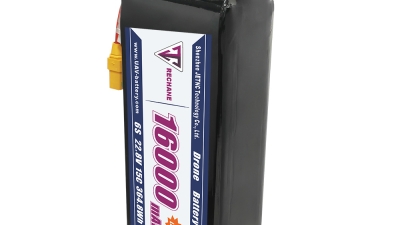
Maximizing Drone Performance with the JENTC LI-HV 6s 16000mAh Battery: A Deep Dive into Long Battery Life and Versatility
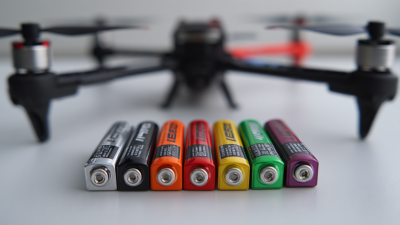
In the rapidly evolving world of drone technology, maximizing performance is crucial for enthusiasts and professionals alike. One key factor in achieving outstanding flight performance is ensuring that your drone is equipped with the right battery. The JENTC LI-HV 6s 16000mAh battery stands out as an exceptional choice, providing a substantial capacity of 16000mAh and a voltage of 22.8V, which translates to extended flight times and enhanced reliability during operation.
Recent industry analyses indicate that longer battery life directly correlates with improved operational efficiency and user satisfaction. According to a report by Drone Industry Insights, drones equipped with higher-capacity batteries can achieve up to 30% longer flight durations, allowing for more comprehensive coverage and data collection in a single flight. The JENTC battery, with its semi-solid custom lithium polymer design, not only meets these criteria but also adheres to stringent safety and quality standards, certified by RoHS, CE, and FCC.
In addition to its impressive performance metrics, the JENTC LI-HV battery highlights versatility across various drone applications, from aerial photography to agricultural monitoring. Given the growing demand for reliable power sources in the drone market—projected to reach $43 billion by 2025, as reported by MarketsandMarkets—it’s evident that investing in a high-capacity battery like the JENTC is a strategic move for anyone looking to enhance their drone's capabilities dramatically. With a warranty of 3 months to 1 year, this battery not only promises performance but also peace of mind.
FAQS
: Lithium-ion batteries use liquid electrolytes and are known for their high energy density and established manufacturing processes, while solid-state batteries utilize solid electrolytes, promising enhanced safety, higher energy density, and longer life cycles.
Lithium-ion batteries have high energy density and are well-developed in terms of manufacturing, making them a reliable choice for powering portable electronics and electric vehicles.
Recent improvements in lithium-ion technology have increased energy densities to up to 300 Wh/kg, allowing for lighter batteries that improve the efficiency of vehicles and portable devices.
Charge and discharge rates are crucial, especially for electric vehicles and renewable energy applications, as they determine how quickly a battery can be charged and used, with future technologies aiming for 80% charge in just 15 minutes.
Key features to consider include energy density, charge and discharge rates, lifespan, and cycle stability to ensure the battery meets specific energy needs effectively.
Improved battery chemistry in modern technologies can lead to lifespans of over 10 years, providing better long-term value for consumers.
While solid-state batteries represent a significant advancement in energy storage, the future may see either a convergence or competition between lithium-ion and solid-state technologies rather than a complete replacement.
Solid-state batteries could significantly impact sectors requiring reliable energy solutions, potentially transforming applications in electric vehicles, portable electronics, and renewable energy systems.