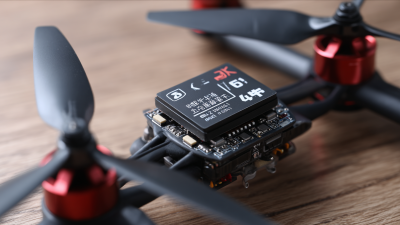
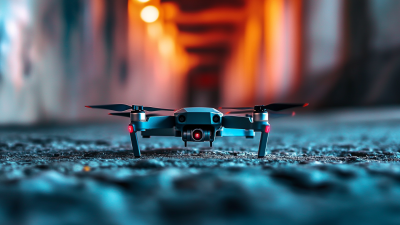
Lately, there's been a real boom in mini drones. Thanks to some cool tech improvements and the way people are finding new uses for them across different fields, they're more popular than ever. I read a report from Markets and Markets in 2023 that says the whole global drone scene is expected to jump from about $22.5 billion this year to nearly $43 billion by 2028. A big part of that growth comes down to better batteries—pretty much driving the whole thing.
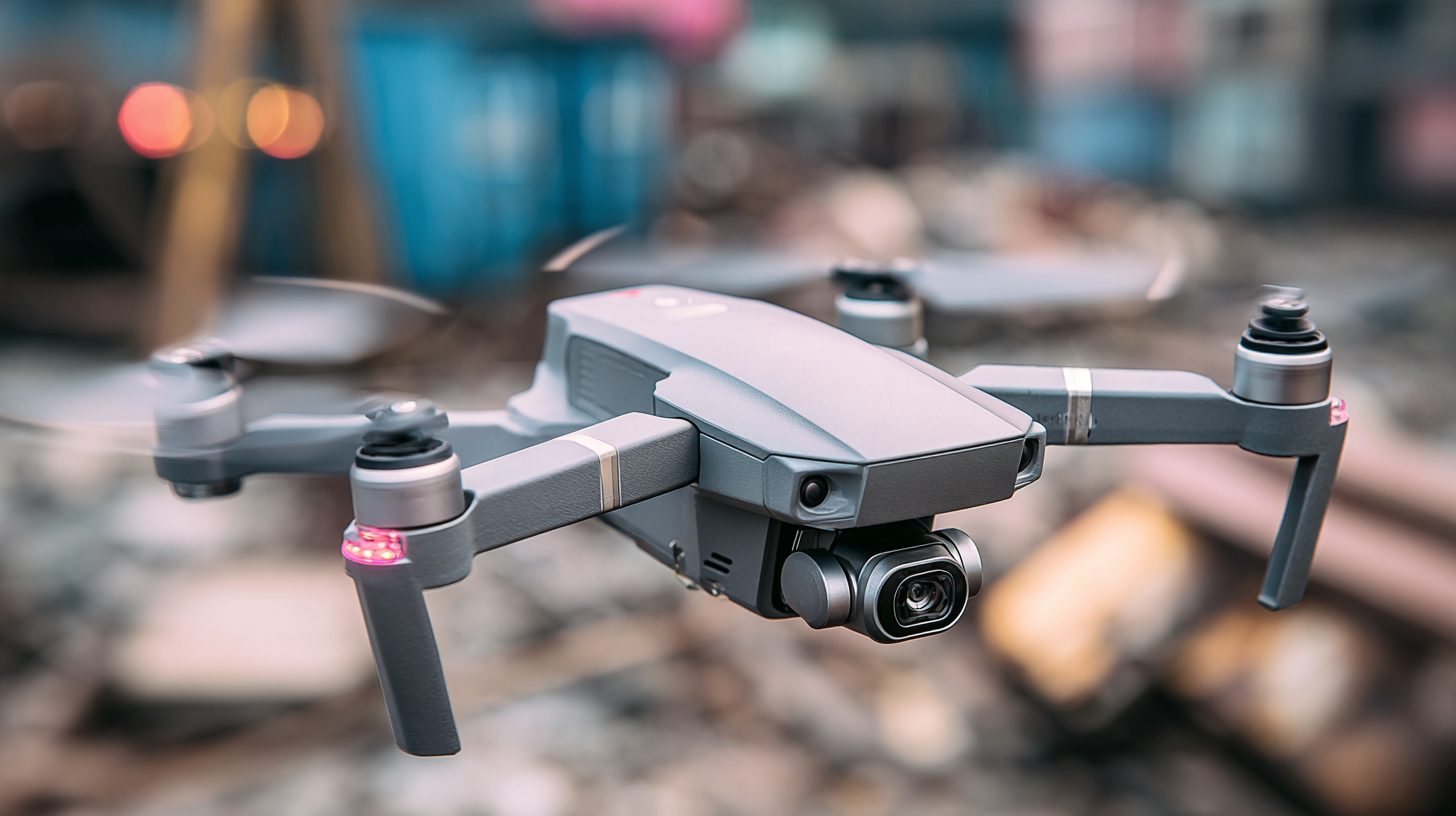
Companies are really pushing to make their mini drones better, and that means getting the battery life just right. One company that's really making waves in this space is Shenzhen Jentc Technology. They've built a solid reputation for creating high-quality lithium batteries that meet all kinds of needs—whether it’s longevity or fast charging. Their range includes stuff like 4.4V high-voltage and fast-charge lithium batteries, which are shaping up to help drone makers boost performance while sticking to industry standards. Plus, they’re committed to providing reliable energy solutions all around the world. Pretty exciting stuff, right?
Key Factors That Affect Mini Drone Battery Life
When it comes to mini drones, battery life really plays a huge role in how well they perform and how much fun you get out of flying them. One of the biggest factors that affects how long your drone can stay up there is its weight — generally, lighter models tend to use less power, which means you get more flight time. I read somewhere from Drone Industry Insights that most mini drones can fly anywhere from about 5 to 25 minutes. Of course, it really depends on the design and how heavy they are. For example, a drone that weighs around 250 grams might give you close to 20 minutes of airtime, but the heavier ones often struggle to go beyond 10 minutes.
Another thing to keep in mind is what kind oF Battery the drone is using.Lithium-polymer (LiPo) batteriesare pretty much the standard because they pack a lot of energy but are lightweight at the same time. According to a study in the Journal of Unmanned Vehicle Systems, a well-maintained Lipo Battery with around4,000 mAh can help your drone fly longer. But, and here's the kicker, taking good care of the batteries—like not over-discharging and charging them properly—is super important. If you’re rough with them, their lifespan and performance can really take a hit. Knowing these bits of info can help drone lovers like us get the most out of our batteries, making the flying experience way more awesome.
Types of Batteries Used in Mini Drones and Their Efficiency
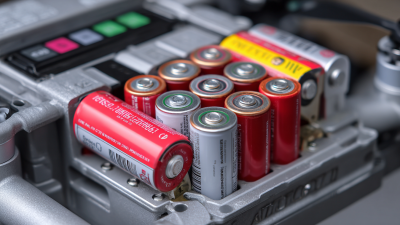
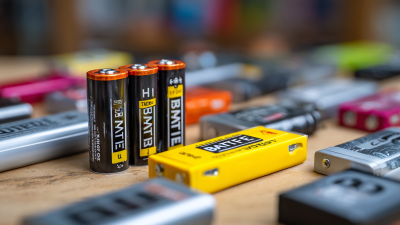
When it comes to mini drones, one of the biggest things that really affects how well they fly and how long they last is the type of battery they use. Right now, lithium batteries are pretty much the go-to choice — mainly because they’re lightweight and pack a lot of energy into a small size. Companies like Shenzhen Jentc Technology are leading the way with some pretty advanced lithium Battery Solutions made specifically for these tiny flying machines. These batteries, especially the high-voltage and fast-charging kinds, can seriously boost performance. That means your drone can stay in the air longer and recharge faster, which is a total game-changer.
And it’s not just lithium batteries; folks are also experimenting with some pretty cool new tech. For example, solar-powered mini drones are starting to get some attention — tiny drones outfitted with mini solar panels that can generate enough power to keep them flying almost indefinitely. Plus, research into solid-state batteries shows some exciting potential for safer, more efficient energy storage, which could totally revolutionize how we see commercial drone applications. As battery tech keeps evolving, it’s pretty clear that we’re heading toward a future where drones can fly longer and work more reliably — it’s pretty exciting stuff.
Best Practices for Charging and Maintaining Mini Drone Batteries
Mini drones have really taken off in popularity lately, but if you wanna get the most out of their batteries, it’s all about following some good tips for charging and caring for them. According to the Drone Industry Insights report, the battery tech itself makes up nearly half of how well a drone performs, which is pretty wild. That’s why using high-quality lithium-polymer (LiPo) batteries — the ones that pack more than 200 Wh/kg — is super important. To keep these batteries healthy for longer, you really wanna avoid overcharging, so it’s best to stick closely to what the manufacturer says. Most LiPo batteries do their best when charged between 3.7 and 4.2 volts per cell — trust me, that little range makes a big difference.
On top of that, regular maintenance really helps extend the life of your batteries. Based on what UAV Market Research found, sticking to a consistent charging routine can actually increase their lifespan by up to 30%. Oh, and if you’re not using your drone for a while, storing the batteries with about 40% charge is a smart move — it helps prevent them from losing capacity over time. Make a habit of checking your batteries for any swelling or wear and tear, 'cause those are signs that your battery might be on its way out. If you follow these simple tips, you’ll probably see your mini drone’s batteries perform better and last way longer, no sweat.
Industry Standards for Battery Performance Testing
When it comes to squeezing more battery life out of mini drones, understanding the industry standards for testing battery performance really matters. You see, reliable performance in tough conditions can only be what it is if batteries go through proper, rigorous testing. These standards help ensure batteries hit key marks—like energy density, how many cycles they can handle, and how quickly they discharge. That stuff's especially important for mini drones, which need lightweight yet efficient power sources to keep flying longer without sacrificing performance, no matter what kind of environment they’re in.
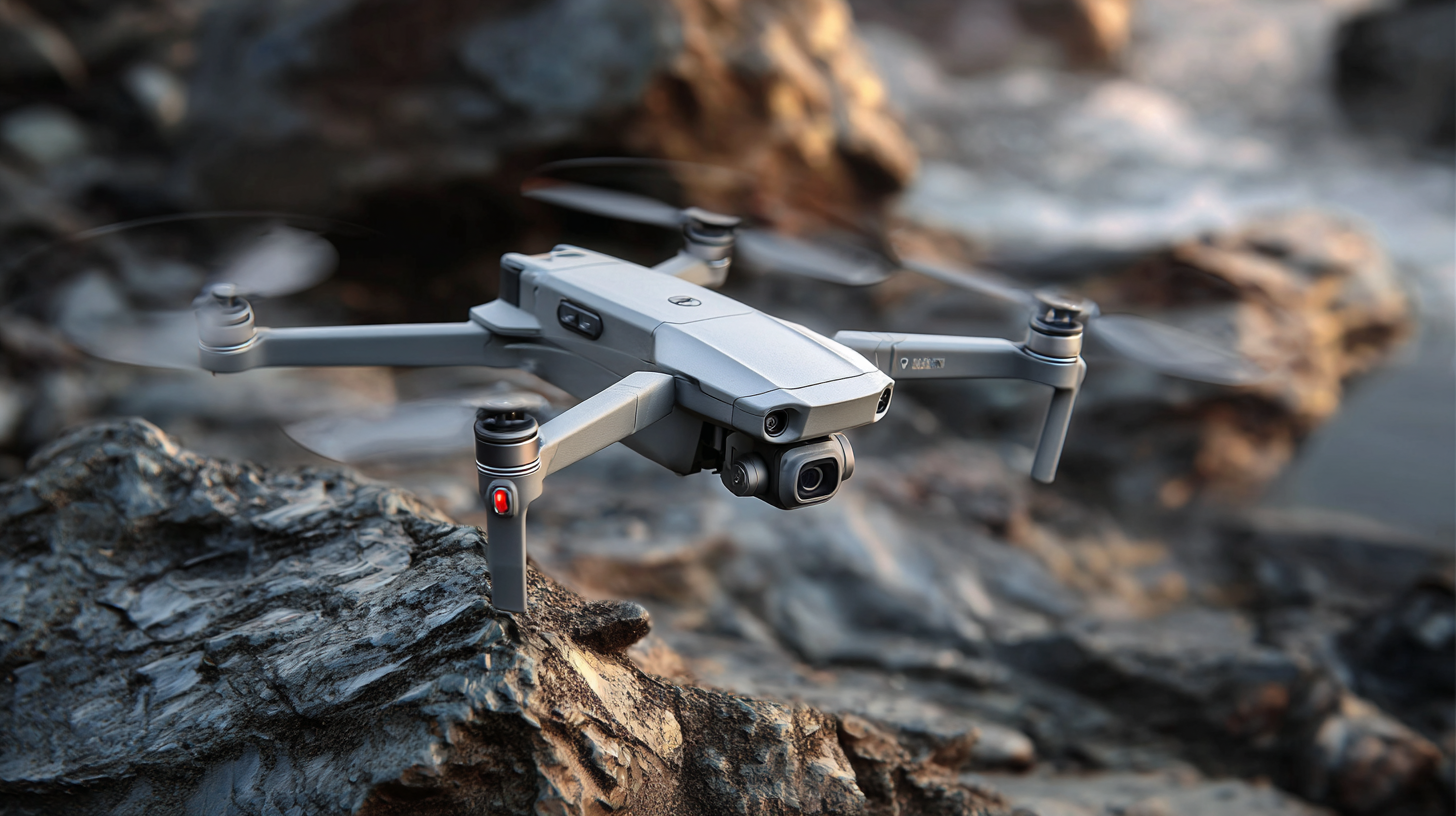
Here at Shenzhen Jentc Technology Co., Ltd., we’re proud of how we meet and often even beat these critical industry benchmarks. Since we got started back in 2011, we’ve built up a pretty extensive lineup of high-performance lithium batteries, designed for all sorts of uses — including mini drones. Our special batteries, like the 4.4V high-voltage and fast-charging lithium options, are made to give really good performance and last a long time. That way, drone users can count on their equipment for longer flights and more reliable operation. By sticking to industry testing standards and constantly pushing our tech forward, we aim to keep providing the best battery solutions to keep up with the ever-changing drone world.
How Environmental Conditions Impact Drone Battery Life
You know, the environment we flew our mini drones in really makes a big difference in how long their batteries last. I read somewhere from the FAA that things like temperature swings can really mess with battery performance. For example, those tiny lithium-ion batteries—stuff we usually use in small drones—can actually lose up to 20% of their capacity when it’s super cold. Like, if it drops below freezing, your flight time’s pretty much cut short. And on the flip side, super hot weather can cause the batteries to overheat, which isn’t great—over time, it speeds up wear and tear and shortens the battery’s lifespan.
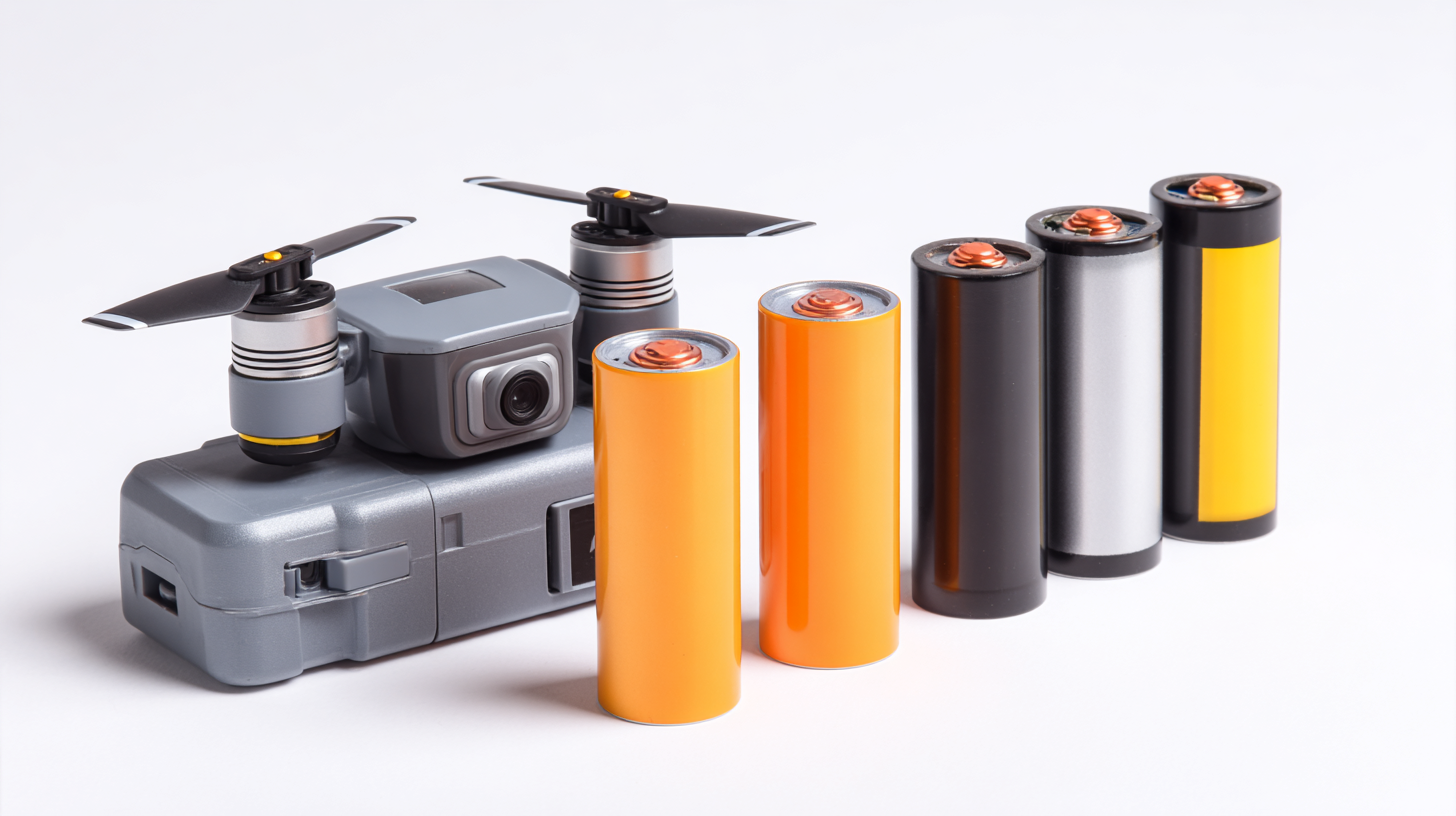
Humidity isn’t off the hook, either. Someone from the International Journal of Aeronautical Engineering pointed out that high humidity can cause corrosion in the battery parts, which leads to the drone not lasting as long as it should. So, if you’re out flying, it’s smart to pay attention to the weather—try to keep your drone within reasonable temperature ranges and avoid flying during bad storms or really humid days. Basically, understanding these environmental factors can really help you get better flight times and keep your drone running smoothly for longer. It’s a bit of a hassle sometimes, but a little prep goes a long way!
Innovative Technologies for Enhancing Mini Drone Battery Longevity
You know, tech keeps advancing, and it's pretty exciting how new innovations are totally changing the game for mini drone batteries. Now, enthusiasts like us can enjoy longer flights and better performance without constantly worrying about recharging. One of the coolest breakthroughs lately is lithium-sulfur batteries—they pack way more energy than the usual lithium-ion ones, which means your mini drone can go on longer missions. Perfect for aerial shots or just exploring the skies without the batteries dying on you too soon.
If you want to get the most out of your drone’s battery life, there are a few simple tips. Flying in really cold weather can mess with the performance, so try to keep your flights above freezing—say, above 32°F or 0°C if you can. Also, instead of gunning the throttle all the way up, go easy and use gradual movements. It helps conserve energy and keeps your drone flying a bit longer.
And get this—there are now smart battery management systems that analyze how you’re using your power and even optimize charging to make your batteries last longer. They even help prevent over-discharging, which is great news for keeping your batteries healthy over time. Don’t forget, regular maintenance like cleaning the connectors and avoiding letting the battery go completely dead every time can really boost its overall lifespan and your flying experience.
Maximizing Drone Performance: Insights from the Latest Battery Technology Reports on JENTC LI-HV 12s 22000mah Semi-Solid State Batteries
Maximizing Drone Performance: Insights from the Latest Battery Technology
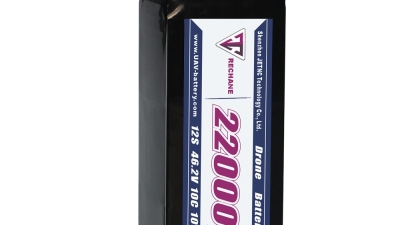
In the rapidly evolving world of drone technology, battery performance remains a critical factor influencing flight time and operational capabilities. The JENTC LI-HV 12s 22000mAh semi-solid state battery exemplifies how advanced battery technology can elevate drone efficiency. With a remarkable capacity of 22000mAh and a voltage rating of 44.4V, this custom lithium battery pack is designed specifically for high-demand consumer electronics, especially drones. Reports indicate that utilizing semi-solid state technology allows for higher energy density, improved thermal management, and enhanced safety, making it an ideal choice for both recreational and professional drone operators.
Furthermore, the JENTC LI-HV battery adheres to stringent international standards including RoHS, CE, and FCC, ensuring that users receive safe and reliable power solutions. Industry insights suggest that battery longevity is paramount; the semi-solid state design not only extends the life cycle of batteries but also offers a balanced discharge rate, which is critical for maximizing drone flight efficiency. With a product warranty ranging from 3 months up to a year, drone enthusiasts can optimize their aerial performances without sacrificing peace of mind regarding battery reliability. This shift towards advanced battery solutions highlights the continuous innovation in the drone industry, promising exciting developments for future aerial technologies.
FAQS
: Lithium batteries are the most popular choice for mini drones due to their lightweight nature and high energy density.
Advanced lithium batteries, such as those provided by companies like Shenzhen Jentc Technology, enhance overall performance by allowing mini drones to stay airborne longer and recharge more quickly.
Yes, emerging technologies are exploring solar-powered models equipped with solar panels that can sustain flight indefinitely, as well as solid-state batteries for safer and more efficient energy storage.
It is essential to avoid overcharging by adhering to manufacturer guidelines, and most lithium-polymer (LiPo) batteries perform best when charged within the range of 3.7 to 4.2 volts per cell.
Maintaining a consistent charging routine can extend battery life by up to 30%, and storing batteries at around 40% charge during inactivity helps prevent capacity loss.
Extreme cold can lead to a loss of up to 20% of battery capacity, while high temperatures can cause overheating, accelerating battery degradation. Additionally, high humidity can increase corrosion of battery components.
Operators should keep drones within optimal temperature ranges and avoid flights during severe weather to enhance battery performance.
Signs such as swelling or wear on the battery can indicate that it is nearing the end of its usable life.
Battery technology accounts for nearly 50% of a drone’s overall performance, making high-quality batteries crucial for optimal functionality.
It is advisable to store mini drone batteries at around 40% charge to help maintain their capacity.