These days, with the energy scene changing so quickly, the importance of 'Battery Rate' is more obvious than ever — especially as industries are really leaning into sustainable solutions. A report from the International Energy Agency (IEA)actually predicts that worldwide demand for Battery Storage is going to jump quite a bit, probably growing over30% each year until 2030. That’s mainly because more folks are jumping into electric vehicles and renewable energy is becoming more integrated into everyday life. Companies like Shenzhen Jentc Technology Co., Ltd., who’ve been leading the way in high-performance lithium batteries since 2011, are right there riding the wave. They’ve got some pretty cool products like 4.4V high-voltage batteries, fast-charging lithium batteries, and AGV lithium batteries. Getting a good handle on Battery Rate is super important if we want to maximize energy efficiency and get the best performance out of these modern setups. Honestly, it’s a key focus for both the folks making these batteries and those using them — because smart energy solutions are what we all need right now.
The Role of Battery Rate in Sustainable Energy Systems
You know, the role that battery rates play in building sustainable energy systems is becoming more and more important as we race toward using more renewable sources like solar and wind. The International Energy Agency (IEA) even suggests that by 2030, we could see battery storage systems capable of providing up to 200 gigawatts (GW) of power. That’s pretty amazing because it would make it way easier to smoothly add solar and wind energy into our grids. High battery rates aren't just about squeezing more performance during those busy demand periods; they also help keep the renewable energy supply steady, which is super important since wind and sunlight can be a bit unpredictable.

What’s also interesting is how vital battery rates are when it comes to balancing supply and demand on the fly. Some research from BloombergNEF points out that future tech improvements could slash the cost of storing energy by up to 50% by 2030. And honestly, that’s a game-changer because lower costs mean more people and places can switch to cleaner energy solutions without breaking the bank. By focusing on making batteries charge faster and store more efficiently, we’re not just boosting energy resilience—we’re also supporting electric vehicle infrastructure and moving closer to a greener, more sustainable future. All of this really lines up with the bigger picture of global efforts to protect our planet.
How Battery Rate Affects Energy Storage and Distribution
You know, when we talk about battery rate — that's basically how fast a battery can charge up or release energy — it’s actually a pretty big deal in how we store and manage energy these days. Especially now, with all the talk about renewable stuff like solar and wind. Being able to store energy quickly means we can take full advantage of all that clean power when the sun’s shining or the wind’s blowing — making the most of what these sources produce at peak times. It’s all about that quick response, which really helps keep the grid balanced and stable without a lot of fuss.
And it’s not just about charging fast — the battery’s discharge speed matters too. When there’s sudden demand for power, high-rate batteries can kick in fast and supply electricity right away. That’s pretty awesome because it means we’re less dependent on those old, polluting fossil fuel plants during the busy hours. Plus, it helps move energy around more smoothly and reduces our carbon footprint by making sure cleaner energy gets into the mix more effectively. As everyone pushes harder for sustainable energy solutions, understanding and boosting these battery rates is gonna be key if we want a greener, more reliable way to keep the lights on.
Honestly, it’s kinda exciting to think about how improving these tech bits could really change the game for our energy future.
Comparing Battery Rate Metrics: What You Need to Know
Getting the hang of battery rate metrics really matters, whether you're a consumer or a manufacturer, especially with how the energy world is changing so fast these days. Basically, when we talk about battery rate, we're referring to how quickly a battery can release its stored energy over a certain period — and this is a pretty big deal for stuff like electric cars or storing renewable energy. I read a report recently from BloombergNEF that forecasted global battery demand hitting around 3,000 GWh by 2030. That just shows how crucial it is to understand how these battery performance numbers actually impact overall performance.
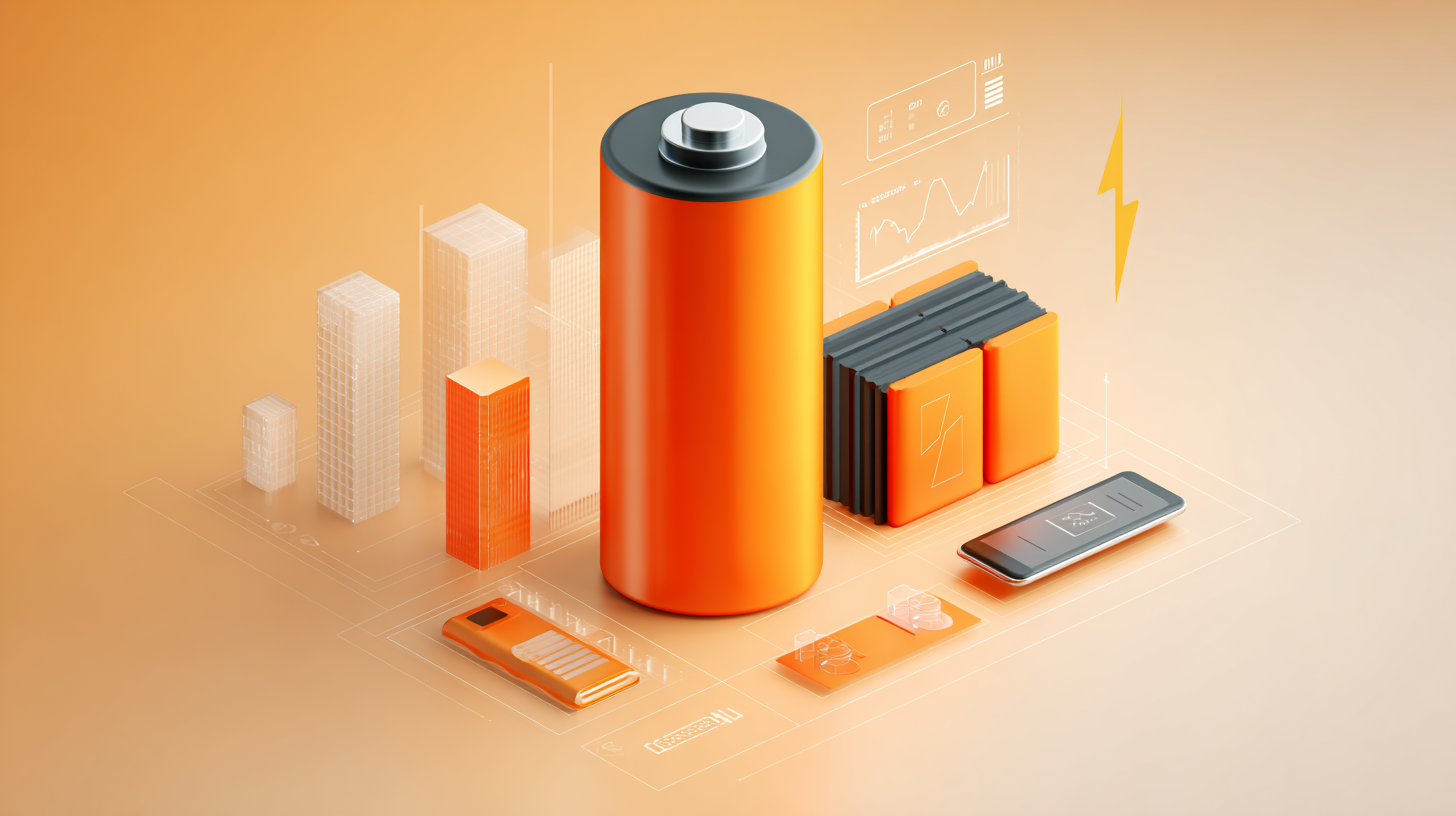
When you’re comparing batteries, there are a few key things to look at — like energy density, power density, and cycle life. Energy density, which you’ll see in Wh/kg, basically tells you how much energy a battery can hold for its size or weight. Power density, on the other hand, measured in W/kg, is about how fast that energy can be sent out — think of it like the battery’s punch. For example, lithium-ion batteries usually pack a pretty good punch with around 150-250 Wh/kg, way better than old-school lead-acid batteries, which sit around 30-50 Wh/kg. Then there’s cycle life — how many times you can charge and discharge a battery before it starts to lose capacity. Good lithium-ion batteries can often handle over 1,000 cycles, but lead-acid ones might only last 300 to 500 cycles. Grasping these numbers isn’t just useful for picking the right product — it actually helps push the whole energy industry forward and sparks new innovations.
Innovative Technologies Enhancing Battery Rate Performance
Lately, there’s been a surge of new tech pushing the boundaries of how quickly batteries can charge—really all about meeting the skyrocketing demand for better energy storage options. With electric cars gaining popularity and renewables becoming more mainstream, boosting battery speed isn’t just a nice-to-have anymore; it’s essential if we want batteries to last longer and perform better. Stuff like silicon-based anodes and solid electrolytes are moving into the spotlight, helping batteries pack more power and charge faster—definitely a game-changer for everyday use.
On top of that, software is stepping up its game with smarter battery management systems (BMS). These systems keep an eye on how batteries are charging and discharging, making tweaks along the way to make sure batteries last longer and run more efficiently. Thanks to machine learning, BMS can even predict the best ways to use the batteries and give real-time insights—like having a smart coach in your pocket.
Putting innovative materials and clever tech together is really setting the stage for a whole new way of thinking about battery speed. Ultimately, it’s all about making energy solutions that are more sustainable, reliable, and just plain easier for us to use every day.
Impact of Battery Rate on Electric Vehicle Efficiency
When it comes to electric vehicles (EVs), a big part of what determines how well they perform boils down to their batteries, especially things like charging and discharging speeds, capacity, and how well the whole battery system is managed. Lately, there’ve been some pretty exciting improvements in battery management systems (BMS), which just shows how important it is to get those details right to keep EVs running smoothly. Researchers have found that tweaking BMS algorithms can really boost charging quality and help tackle those pesky issues that pop up when EVs are hooked up to the regular power grid.
On top of that, new cooling methods—think immersion cooling—are gaining ground as clever ways to handle heat. Managing thermal stuff properly is a big deal because overheating or getting too cold can seriously mess with a battery’s performance and lifespan. Having a good thermal management system in place, with fancy heating and cooling tricks, keeps batteries in the sweet spot, which means they work better for longer and last even longer. As electric transport keeps gaining momentum, understanding and fine-tuning battery rates will be super important if we want a sustainable, efficient future. And with cool new tech like solid-state batteries and vehicle-to-grid setups becoming more mainstream, how we handle and improve batteries isn’t just technical—it's a key piece of the whole energy transition puzzle, economically and environmentally too.
Impact of Battery Rate on Electric Vehicle Efficiency
Future Trends in Battery Rate and Energy Solutions
As we head toward a more electrified world, it's pretty clear that keeping an eye on the future of battery tech and energy solutions is more important than ever. Did you know that according to BloombergNEF, the price of lithium-ion batteries has plummeted about 89% since 2010? And it’s expected to drop even more, possibly hitting around $100 per kilowatt-hour by 2023. That’s a game-changer—it’s not just making electric cars more accessible, but also opening up big possibilities for large-scale energy storage. Which is kind of a big deal because renewables like wind and solar are great, but their energy output isn’t always consistent, so better storage is key.
On top of that, the demand for smarter, more efficient batteries is only going to grow—especially with electric vehicles and grid storage projects taking off. The International Energy Agency predicts that by 2040, battery storage capacity could hit around 2,850 GWh, way up from about 220 GWh back in 2020. That kind of growth is thanks, in part, to ongoing investments in R&D—things like developing solid-state batteries and clever new recycling methods. As the industry keeps evolving, figuring out how to get better at optimizing battery rates will be super important for helping us move to cleaner energy sources and making sure we’ve got reliable power in the future.
FAQS
: Battery rate metrics refer to the capacity of a battery to deliver its energy within a specified timeframe, which includes parameters like energy density, power density, and cycle life.
Understanding battery rate metrics helps consumers make informed product choices and drives innovation among manufacturers, especially as global battery demand increases.
Energy density, measured in Wh/kg, indicates how much energy a battery can store relative to its weight. It is significant because higher energy density indicates more efficient energy storage, crucial for applications like electric vehicles and renewable energy.
Power density, expressed in W/kg, refers to how quickly a battery can deliver its energy, while energy density measures the total energy storage capacity relative to weight.
Lithium-ion batteries typically have an energy density of around 150-250 Wh/kg, whereas traditional lead-acid batteries average about 30-50 Wh/kg.
Cycle life represents the number of charge-discharge cycles a battery can undergo before its capacity diminishes. It is critical because longer cycle life equates to better longevity and performance of the battery.
Battery rate, encompassing charge and discharge rates and capacity, significantly influences the overall performance and efficiency of electric vehicles.
Recent advancements include improved BMS algorithms that optimize power quality during charging and innovative thermal management solutions, such as immersion cooling.
Effective thermal management is vital because extreme temperatures can negatively impact battery performance and longevity, making it essential to maintain optimal battery conditions.
Technologies like solid-state batteries and vehicle-to-grid systems are anticipated to have significant economic implications and enhance battery performance as the energy transition continues.
Conclusion
When it comes to modern energy solutions, really getting a grip on what the Battery Rate means is pretty important if you're trying to optimize sustainable energy systems. Basically, Battery Rate impacts how efficiently energy gets stored and sent out — and that directly affects how quickly and smoothly power can be delivered whenever it's needed. Take a look at what companies like Shenzhen Jentc Technology Co., Ltd. are doing—focusing on high-performance lithium batteries. Their work on things like fast-charging and high-voltage tech has really pushed Battery Rate performance forward. And honestly, this kind of tech isn't just about convenience; it’s a real game-changer for electric vehicle efficiency and overall energy management.
Looking ahead, it’s exciting to see Battery Rate trends shifting with new innovations—making energy solutions even more efficient and eco-friendly. By tuning into these numbers, industries aren’t just aiming for better energy output; they're also helping out the environment. So, really, understanding and improving Battery Rate is a step in the right direction for a more resilient energy future—and honestly, it’s kind of inspiring to see where it’s headed.