In today’s fast-moving digital world, really getting what “capacity in battery” means is key to making sure our devices perform their best. As everyone seems to want gadgets that last longer and work more efficiently, understanding Battery Capacity becomes more important than ever. Dr. Emily Foster, a top expert in energy storage at the Renewable Energy Institute, puts it simply: “The capacity of a battery tells you how long your device can run before needing a recharge. It’s a crucial detail that directly impacts how smooth your experience is.”
When devices come with batteries that are actually optimized for capacity, we get to enjoy seamless usage — whether it's our smartphones, laptops, or smartwatches. Not only does a higher-capacity battery boost performance, but it also helps the device last longer overall. As tech keeps evolving, manufacturers are putting more effort into bumping up battery capacity to meet our growing expectations for longer use and less downtime.
At the end of the day, understanding what battery capacity really means isn’t just some tech fact — it’s core to how modern devices are designed and work. With experts sharing their insights and new advancements happening all the time, it’s exciting to think about the cool innovations coming our way that will keep our gadgets running even better every day.

Understanding Battery Capacity: A Key to Device Performance
Battery capacity is a crucial element in determining the overall performance of any device. It refers to the amount of charge a battery can hold, typically measured in milliampere-hours (mAh). A higher capacity means that a device can run longer between charges, providing users with a seamless experience. This is particularly important for smartphones, laptops, and tablets, where extended usage without frequent recharging is often desired. Understanding battery capacity allows users to choose devices that better fit their lifestyle and usage patterns.
Tips for maximizing your device's battery capacity include reducing screen brightness, disabling background apps, and utilizing battery-saving modes. Keeping your device's software up-to-date can also help improve energy efficiency. Additionally, avoid letting your device's battery drain completely before recharging, as this can impact the overall lifespan of the battery. By implementing these strategies, users can enhance their device's performance, ensuring they get the most out of theiR Battery capacity.
Choosing a device with an appropriate battery capacity relative to its usage requirements is key. For instance, if you frequently use power-hungry applications or run multiple tasks simultaneously, consider devices with a higher battery capacity. Understanding the relationship between battery capacity and device performance not only aids in making informed decisions but also enhances user satisfaction in daily tasks.
The Role of Battery Capacity in Energy Management
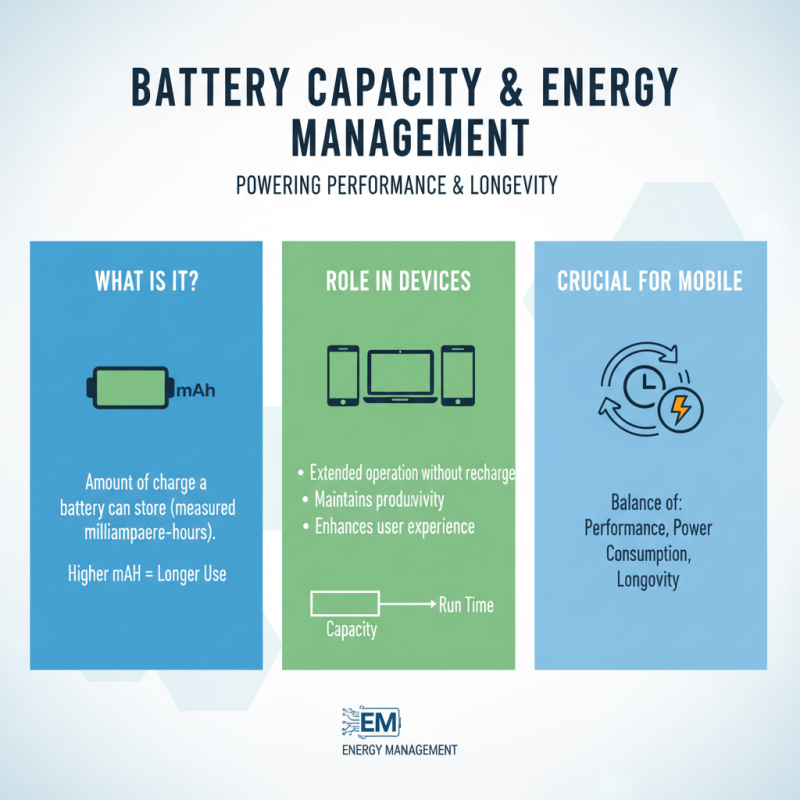
Battery capacity plays a significant role in energy management, fundamentally influencing the performance and longevity of devices. In essence, it refers to the amount of charge a battery can store, often measured in milliampere-hours (mAh). A higher capacity allows devices to operate for extended periods without needing a recharge, which is essential for maintaining productivity and enhancing user experience. This is particularly crucial in mobile devices, where a balance must be struck between performance, power consumption, and longevity.
Efficient energy management hinges on maximizing battery capacity while minimizing energy wastage. Advanced technologies, such as power-saving modes and intelligent energy allocation, rely on sufficient battery capacity to deliver optimal performance. For instance, modern devices utilize battery capacity to prioritize essential functions during low-power conditions, ensuring that critical applications remain operational while less important features are dimmed or shut down. Understanding the implications oF Battery capacity enables users and manufacturers to make informed choices that enhance functionality and reliability in everyday devices.
How Battery Capacity Affects Device Usability and Longevity
Battery capacity is a crucial factor in determining how well your devices perform and their overall usability over time. A higher battery capacity means that a device can run longer on a single charge, which directly impacts user experience. For example, smartphones, laptops, and tablets with larger batteries can handle more demanding tasks without the constant need for recharging. This is particularly essential for users who rely on their devices for work, travel, or extended periods away from charging points.
In terms of longevity, battery capacity also plays a significant role. Devices with adequate battery capacity tend to have prolonged lifespans, as they are less likely to undergo stress from frequent charging cycles. This can help preserve the health of the battery and enhance the overall durability of the device. Additionally, maintaining a good battery capacity can assist in reducing the occurrence of performance issues commonly associated with low power levels, such as sluggishness or unexpected shutdowns.
Tip: To optimize your device's battery capacity, avoid letting it drain completely before recharging. Instead, try to keep the battery between 20% and 80% charged for optimal performance.
Tip: Regularly updating your device's software can improve battery management, helping to extend battery life and usability.
Comparing Battery Capacity: Different Devices and Their Requirements
When comparing battery capacity across different devices, it's essential to recognize the specific requirements dictated by their functionality. Smartphones, for example, tend to have capacities ranging from 2,500mAh to over 5,000mAh, as they are designed for varied tasks, such as calls, browsing, and running applications. A higher capacity in a smartphone typically results in longer usage time, accommodating the increasing demands from multimedia consumption and social networking activities prevalent among users today.
Similarly, laptops and tablets often require larger battery capacities, generally exceeding 40Wh, to support more power-intensive processes. These devices are used for heavier tasks such as video editing, gaming, or professional applications that require substantial processing power. The battery life in laptops can often dictate portability and convenience, making it crucial for users who need to work on the go without frequent recharging. Understanding these differences highlights how battery capacity directly influences performance and overall user experience across various types of devices.
Impact of Battery Technology on Capacity and Performance
Battery technology plays a vital role in determining the capacity and overall performance of devices. As technology evolves, newer battery chemistries and designs emerge, offering enhanced energy densities and longer lifespans. For instance, advancements in lithium-ion technology have significantly improved the amount of energy stored in smaller and lighter batteries, enabling devices to operate longer without the need for frequent recharging. This increase in energy capacity directly influences how efficiently a device can perform tasks, leading to a better user experience.
Moreover, the impact of battery capacity extends beyond just operational longevity; it also affects performance under load. Devices that require high power for demanding applications, such as gaming or multi-tasking, benefit greatly from high-capacity batteries. With sufficient power reserve, devices can maintain peak performance without throttling or interruptions. Additionally, efficient battery management systems can optimize power distribution, ensuring that critical functions receive the necessary energy to operate smoothly. Therefore, understanding the relationship between battery technology, capacity, and performance is essential for both manufacturers and users in maximizing the potential of modern devices.
Measuring Battery Capacity: What You Need to Know
Battery capacity is a critical factor that directly influences the performance of your devices. It is typically measured in milliampere-hours (mAh) or watt-hours (Wh), indicating the amount of energy a battery can store and provide. According to a report by the International Energy Agency, advancements in battery technology have led to a substantial increase in energy density over the past decade, which has enhanced the runtime of devices significantly. For instance, a 3000mAh battery can deliver power for an average smartphone for approximately a full day under normal usage conditions, demonstrating the importance of choosing devices with adequate battery capacity.
When measuring battery capacity, it is essential to consider various testing standards and methodologies that can affect reported figures. The Mobile Industry Processor Interface (MIPI) has established specific criteria for battery testing to ensure consistency across devices. Moreover, real-world usage can vary significantly from manufacturer claims due to factors such as application efficiency and overall device energy consumption patterns. A study by the Consumer Electronics Association found that while manufacturers may advertise a device's battery life as 24 hours of talk time, actual performance may suffer under multi-tasking scenarios or high-demand applications.
Tips: To prolong the life of your device's battery, consider enabling battery saver modes and reducing screen brightness. Additionally, regularly updating your device’s software can optimize battery performance by ensuring it runs efficiently with the latest improvements. Monitoring background applications and disabling those that consume excessive power can also contribute to enhanced battery life, helping you get the most from your device.
Tips to Maximize Your Device's Battery Capacity and Efficiency
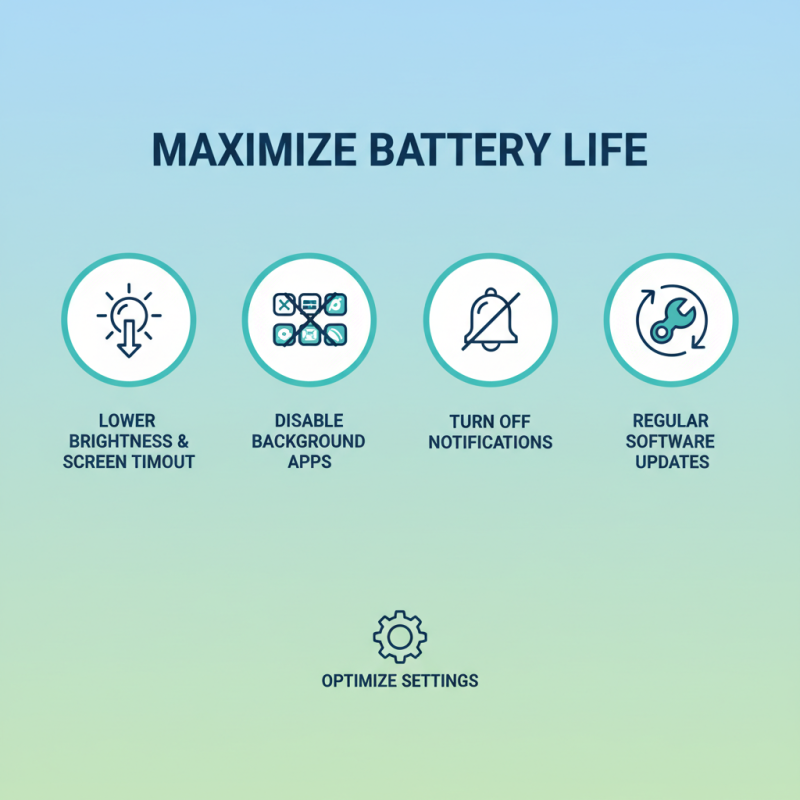
To maximize your device's battery capacity and efficiency, start with adjusting your settings. Lowering screen brightness and reducing the time it takes for your display to turn off can significantly conserve energy. Additionally, disabling unnecessary background apps and notifications helps prevent your device from working harder than it needs to. Regularly checking for software updates is crucial since manufacturers often release improvements that optimize battery performance.
Another effective tip is to manage your connectivity options. Keeping Wi-Fi, Bluetooth, and location services turned off when not in use can prevent excessive battery drain. Furthermore, utilizing battery saver modes can help extend your device's life during critical moments. By making these conscious adjustments, you can ensure that your device operates efficiently, prolonging its battery capacity and enhancing overall performance. Regular maintenance, like calibrating your battery periodically, can also lead to improved longevity and functionality, paving the way for a smoother user experience.
Maximizing Drone Performance with High Voltage Drone Batteries: A Comprehensive Guide
Maximizing drone performance is increasingly reliant on the choice of power source, and high voltage drone batteries are leading this advancement. High Voltage Lithium Polymer (HV LiPo) batteries represent a significant leap forward in battery technology. With a single cell voltage exceeding 4.4V, these batteries offer not only enhanced energy density but also an improved discharge platform. This increased output translates into an ability to release an additional 10%-30% of energy compared to traditional lithium batteries, which is a game changer for drone enthusiasts and professionals alike.
The benefits of high voltage batteries are particularly evident when it comes to flight duration and overall performance. With configurations such as 12S, 14S, and 16S, these batteries maintain their weight while providing a substantially higher energy output. Consequently, drones equipped with high-voltage batteries experience significant improvements in endurance and load capacity. This means longer flight times and the ability to carry heavier payloads, which can be crucial for applications ranging from aerial photography to industrial inspections. The evolution of battery technology, specifically with HV LiPo batteries, is redefining what drones can achieve and pushing the boundaries of aerial capabilities.
FAQS
: Battery capacity refers to the amount of charge a battery can hold, measured in milliampere-hours (mAh). It is important for device performance because a higher capacity allows a device to run longer between charges, resulting in a better user experience, especially for smartphones, laptops, and tablets.
You can maximize your device's battery capacity by reducing screen brightness, disabling background apps, utilizing battery-saving modes, keeping the software up-to-date, and avoiding complete battery drain before recharging.
Understanding this relationship helps users select devices that suit their workload. For example, users who frequently run power-hungry applications should consider devices with higher battery capacities to ensure better performance and satisfaction.
Battery technology impacts capacity and performance by introducing newer chemistries and designs that enhance energy densities and lifespans. Advancements, like those in lithium-ion technology, allow for smaller and lighter batteries to store more energy, enabling longer device operation.
Higher battery capacity is crucial for devices performing demanding tasks such as gaming or multitasking. It ensures the device maintains peak performance without throttling, as there is enough power to support intensive applications.
Battery management systems optimize power distribution within a device, ensuring that critical functions receive the necessary energy to operate efficiently. This can enhance overall device performance, especially during high-demand scenarios.
Conclusion
Battery capacity is a critical factor in determining the performance of devices, as it directly affects energy management and overall usability. Understanding capacity in battery helps users gauge how long their devices will last between charges, impacting daily use and long-term device longevity. Different devices have varying capacity requirements, and improvements in battery technology continue to influence performance metrics.
Moreover, measuring battery capacity can provide insights into optimal usage and efficiency. Users can enhance their devices' battery life by adopting certain practices tailored to maximize capacity in battery, ensuring that their technology remains reliable and efficient throughout its lifespan. By recognizing the importance of battery capacity, consumers can make informed decisions and maintain their devices for better performance.