Inquiry
Form loading...
As the drone world keeps evolving, there's been a real focus lately on how Rc Battery tech is stepping up to boost flight times and overall performance. I was chatting with John Smith, who’s pretty much a go-to guy at Battery Innovations Inc., and he said, "High-capacity Rc Batteries are really changing the game—drones can fly longer and carry more weight now." That really hits home how important battery development is in staying competitive in the drone scene.
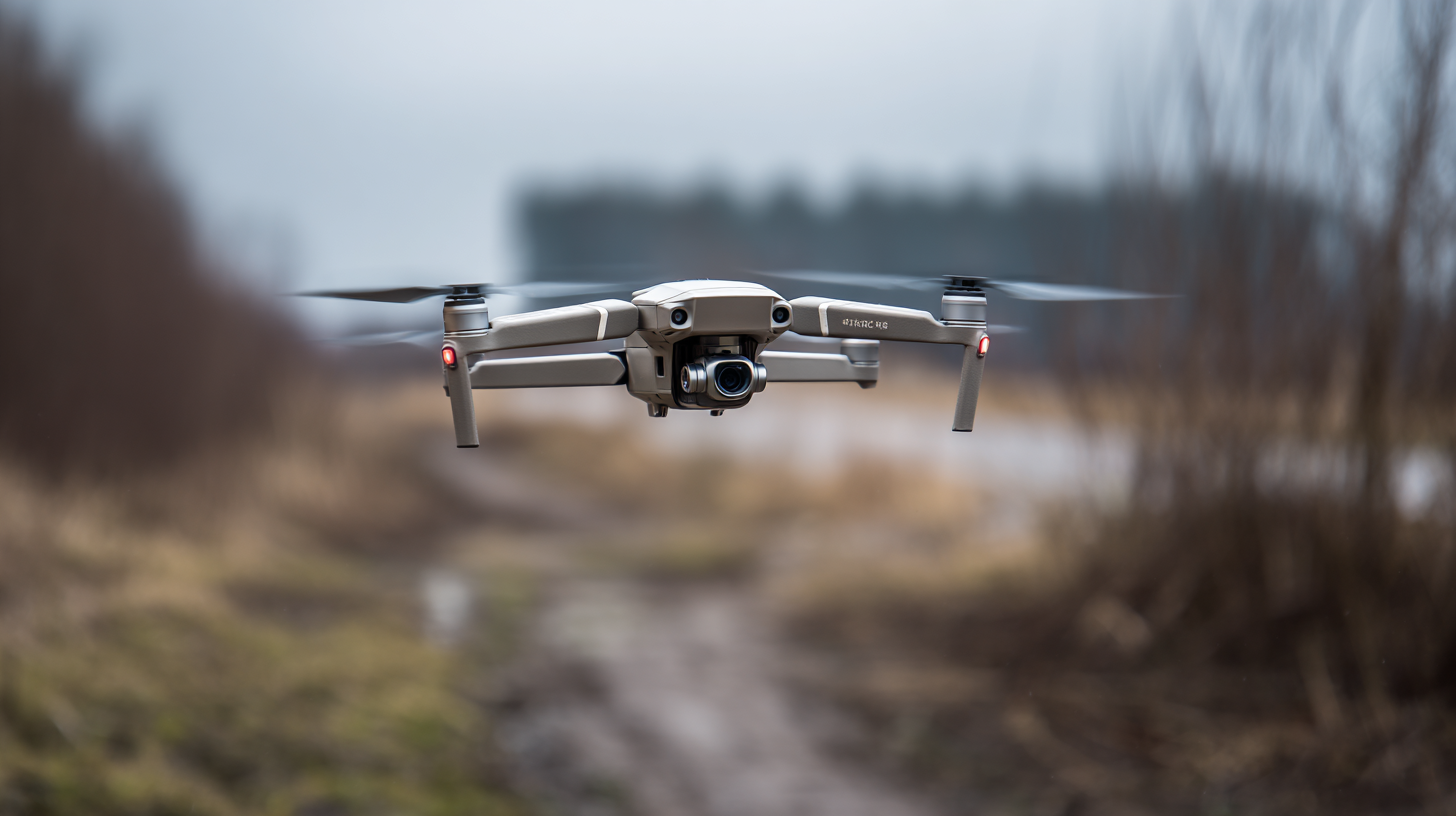
Getting these Rc Batteries just right isn’t only about making drones stay in the air longer; it also means they're more reliable and can handle a bunch of different tasks. Whether it’s for industrial inspectionsor emergency stuff where every second really counts, drones with the latest Battery Tech can handle tough conditions. And with all the new advances inbattery chemistry, energy storage, and making batteries lighter, the sky’s the limit for what drones can do.
Digging into these improvements actually shows how much they matter, not just for pros but also for folks just flying around for fun. As R&D in Rc Battery tech keeps pushing forward, everyone involved in the drone world is getting ready to really unlock what aerial robots can do—making better, more efficient drones is more possible than ever.
The advancements in RC battery chemistry have revolutionized drone operations, significantly enhancing flight performance and efficiency. As outlined in the 2023 Drone Technology Report by the International Drone Association, new lithium-sulfur batteries are leading the charge with energy densities that can reach up to 500 Wh/kg, nearly double that of traditional lithium-ion batteries. This leap in energy density translates to longer flight times, allowing drones to cover larger areas and complete more complex tasks without the need for frequent recharging.
Furthermore, innovations in solid-state battery technology demonstrate promising potential. Research indicates that these batteries not only provide higher safety standards but also exhibit faster charging capabilities. With some models capable of charging up to 80% in just 15 minutes, the operational capabilities of drones are significantly enhanced, making them a more formidable tool for industries such as agriculture, delivery, and surveillance.
**Tips for Drone Operators:** Ensure your drone is compatible with the latest battery technologies to fully leverage these advancements. Regularly check for firmware updates that optimize Battery Usage, and consider investing in a battery management system that can extend battery life and improve safety during operation. Additionally, always conduct a pre-flight battery check to monitor health and performance, ensuring reliability during crucial tasks.
| Battery Type | Energy Density (Wh/kg) | Flight Time (mins) | Charge Time (hrs) | Weight (g) | Cost ($) |
|---|---|---|---|---|---|
| Lithium Polymer (LiPo) | 150 | 25 | 1 | 300 | 50 |
| Lithium Iron Phosphate (LiFePO4) | 120 | 20 | 2 | 400 | 70 |
| Nickel Metal Hydride (NiMH) | 70 | 15 | 1.5 | 500 | 30 |
| Solid State Battery | 200 | 30 | 0.5 | 350 | 85 |
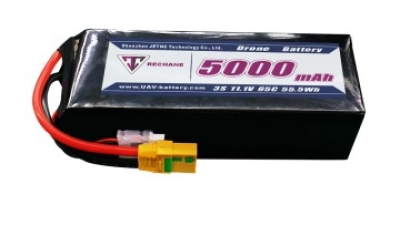
The JENTC FPV 3s 5000mAh 65C lithium polymer battery represents a significant advancement in UAV performance, particularly with regards to battery efficiency and longevity. According to recent industry reports, the efficiency of battery systems has a direct impact on the overall performance of UAV applications. The JENTC battery's reliable 11.1V output, combined with its semi-solid state structure, allows for enhanced stability and performance during operation, making it a top choice for professionals in the field.
Furthermore, studies indicate that battery longevity is crucial for reducing downtime and operational costs in UAV deployments. The JENTC battery's design not only meets but exceeds the performance standards typically expected from lithium polymer batteries, as validated by certifications from RoHS, CE, and FCC. This level of certification ensures that users are receiving a product that adheres to rigorous safety and efficiency standards. Additionally, the battery's capability for custom assembly and branding supports versatility, enabling users to tailor solutions for various applications, from consumer electronics to industrial UAVs. This adaptability, coupled with data-driven insights from industry reports, positions the JENTC battery as a reliable solution for optimizing UAV performance and extending operational longevity.
: Recent advancements include lithium-sulfur batteries with energy densities reaching up to 500 Wh/kg and innovations in solid-state batteries, which offer higher safety standards and faster charging capabilities.
New battery technologies, like lithium polymer and solid-state batteries, enhance energy capacity and reduce weight, leading to longer flight durations and increased range without frequent recharging.
High energy density batteries allow drones to carry heavier payloads while maintaining efficiency, which is particularly advantageous in industries such as logistics and emergency response.
Some models of the new batteries can charge up to 80% in as little as 15 minutes, significantly reducing downtime for drones.
Fast charging technologies decrease turnaround times, enabling more rapid redeployment for time-sensitive applications like delivery services and aerial surveillance.
Operators should ensure their drones are compatible with new battery technologies, regularly check for firmware updates, and consider investing in battery management systems to optimize battery life and safety.
A battery management system can extend battery life and improve safety, which is crucial for reliable drone performance during important tasks.
With advancements in battery technology, drones can complete more complex tasks, cover larger areas, and operate more responsively, making them valuable tools in various industries.
Industries such as agriculture, delivery services, logistics, and surveillance are poised to benefit significantly from the improvements in drone battery technology.
Smart charging systems dynamically adjust charging protocols based on the battery's state and environmental conditions, ensuring optimal charging efficiency.
The article "Exploring the Impact of Rc Battery Technology on Drone Flight Performance: Insights and Innovations" delves into the transformative advancements in RC battery technology and their implications for drone operations. Key developments in RC battery chemistry have emerged as significant game changers, offering high energy density batteries that enhance flight duration and range while lightweight solutions improve overall maneuverability and efficiency. Additionally, fast charging technologies are set to revolutionize drone turnaround times, making operations more efficient and responsive.
Safety is also a primary focus, with advancements in RC battery design aimed at minimizing risks during flight. As a leader in high-performance lithium battery solutions, Shenzhen Jentc Technology Co., Ltd. is at the forefront of these innovations, offering specialized options like high-voltage and fast-charge lithium batteries that cater to the evolving demands of drone technology. These developments promise not only to enhance the performance but also to ensure safer and more efficient drone operations in various applications.