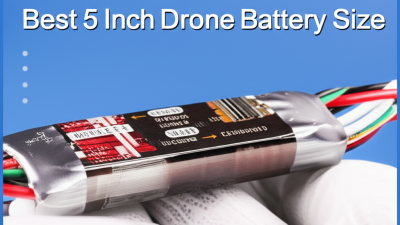
Hey there! So, in our fast-paced world of tech these days, finding efficient and reliable energy solutions is super important—especially when we’re talking about high-voltage battery applications. Picking the right battery manufacturer? Yeah, it can really make a difference in performance, safety, and even your overall costs! That’s where Shenzhen Jentc Technology Co., Ltd.comes into play. They’ve been a major player in this field since 2011, focusing on high-performance lithium Battery Solutions. Their product range is pretty impressive, with options like4.4V high-voltage batteries, fast-charge lithium batteries, and AGV lithium batteries.
Jentc is all about delivering high-quality products designed to fit various application needs. In this blog, we’re going to dig into some key things you should think about when you’re on the hunt for the best Battery High Voltage manufacturers for your needs. Plus, we’ll chat about the perks of good after-sales service and what to keep in mind regarding repair costs. Stick around for some practical tips that’ll help you make the right choice!
Key Factors in Selecting High Voltage Battery Manufacturers
When you're thinking about which high voltage battery manufacturer to go with, there are a few important things you should keep in mind. First off, take a good look at how much experience the manufacturer has in making high voltage systems. It really helps to go with companies that have a solid background in creating advanced battery technologies. They're more likely to provide you with reliable and safe products. Ideally, you want to find manufacturers who’ve been around for a while and have successfully tackled projects similar to what you need.
Another biggie is their dedication to quality control and making sure they stick to industry standards. You definitely want to pick a supplier that follows strict testing protocols and has the right certifications. This way, you can be sure that their high voltage batteries meet the safety and performance benchmarks you’re looking for. Plus, don't overlook their customer support and after-sales service—this can be super telling about how they deal with any hiccups that might come up. It’s all about keeping your battery systems running efficiently and lasting long. By homing in on these key factors, you’ll be set to make a more informed choice that really fits your energy storage needs.
Evaluating Manufacturer Reliability and Industry Reputation
So, if you're in the market for high voltage battery manufacturers, you're gonna want to really think about their reliability and reputation in the industry—super important stuff! A report from the International Energy Agency (IEA) indicates that we're looking at a whopping 50% boost in demand for high voltage batteries over the next ten years. That means it’s key to partner with manufacturers who have a solid history of quality and good service. You should definitely prioritize those companies that consistently score high in performance tests and customer satisfaction surveys—they're the ones worth your time.
Now, when you’re trying to figure out if a manufacturer is reliable, here are a few tips to keep in mind. First up, check for any certifications or compliance with standards, like ISO 9001. That badge basically shows they’ve got a solid commitment to quality management. Don’t forget to look for testimonials or case studies too; they really help illustrate how well a company has performed on real projects and what their customers think about them. And, of course, take a peek at how long they've been around—manufacturers who have been in the game for over ten years usually know how to roll with industry shifts and keep their product quality consistent.
You can also get a feel for a company’s reputation through third-party evaluations and market analyses. For instance, a recent report from MarketsandMarkets highlights that the companies landing in the 'Top 10 Battery Manufacturers' list are often those that really focus on innovation and sustainability. So, by weighing these factors, you can be sure you’re choosing a battery manufacturer that’s not just reliable, but respected within the industry, too!
Understanding the Technology Behind High Voltage Batteries
You know, high voltage batteries are becoming super important in our tech-driven world. They’re powering everything from electric cars to systems that store renewable energy. If you’re looking to pick a good manufacturer, it’s really key to get a grip on the tech behind these batteries. Typically, high voltage batteries use lithium-ion or other cutting-edge chemistries to pack in more energy and work more efficiently. You’ve got some crucial pieces in there, like the anode, cathode, electrolyte, and separator, and each one is vital for boosting performance and making the battery last longer. Manufacturers that put money into R&D for these components usually end up delivering better products that can handle the tough demands of high voltage applications.
Now, on top of all that, safety and thermal management are huge deals when it comes to high voltage battery systems. The tech behind battery management systems (BMS) is super important for keeping an eye on voltage levels, stopping overcharging, and just making sure the whole battery pack is safe. A lot of the top manufacturers use advanced algorithms and sensors to give real-time data, which really helps with both performance and safety. So when you’re choosing a manufacturer, it’s smart to look at their technology, especially in terms of innovation, safety features, and how they consider the environment. These factors can really shape how efficient and reliable high voltage batteries end up being across all sorts of applications.
How to Identify the Best Battery High Voltage Manufacturers for Your Needs - Understanding the Technology Behind High Voltage Batteries
| Manufacturer Type | Battery Chemistry | Max Voltage (V) | Capacity (Ah) | Cycle Life | Applications |
| Lithium-ion | Lithium Nickel Manganese Cobalt (NMC) | 400 | 100 | 2000 | Electric Vehicles, Grid Storage |
| Lithium Polymer | Lithium Cobalt Oxide (LCO) | 500 | 50 | 1500 | Consumer Electronics, Drones |
| Flow Batteries | Vanadium Redox | 300 | 150 | 5000 | Large Scale Energy Storage |
| Lead-Acid | Flooded Lead-Acid | 200 | 120 | 800 | Backup Power, UPS Systems |
Comparative Analysis of Battery Performance Metrics
So, if you're on the hunt for top-notch high voltage battery manufacturers, you definitely want to dive into a side-by-side comparison of their performance metrics. Some key things to look at are energy density, cycle life, charge time, and thermal stability. Basically, energy density tells you how much energy a battery can pack in compared to its size and weight—super important if you're dealing with tight spaces, like in electric cars or portable gadgets where every bit counts. Manufacturers that provide batteries with high energy densities tend to catch the eye of industries that really value efficiency.
Now, cycle life is another biggie; it’s all about how many times you can charge and discharge a battery before it starts to lose its oomph. This one's crucial for figuring out how long a battery will last and how reliable it is, especially in industrial settings. And hey, don’t forget about charge time! Faster charging means happier users and way less downtime, which is always a win. Last but not least, thermal stability is key for safety and performance, especially when things get a little heated in high-stress conditions. By putting these metrics side by side across different manufacturers, you'll be in a much better position to find the battery solutions that fit your needs just right and keep your projects running smoothly.
The Importance of Customer Support and After-Sales Service
Hey there! So, when you're on the hunt for a high voltage battery manufacturer, one of the big things you really wanna look out for is their customer support and after-sales service. Honestly, these can really make or break your long-term success. I came across this report from MarketsandMarkets that predicted the global battery market is gonna jump from around $100 billion in 2020 to over $200 billion by 2025. That really shows just how competitive things are out there, right? Companies that nail their customer service definitely stand out from the crowd. When manufacturers focus on support, they help make sure their products fit seamlessly into your existing systems, and, you know, they tackle any hiccups that come up pretty quickly and efficiently.
Plus, let’s not forget about the after-sales service—it's super important! There's a study from Customer Support Insights that says businesses with strong support after the sale see about a 25% boost in customer satisfaction and loyalty. That’s huge! This is especially important in high-stakes fields like renewable energy and automotive, where how well a battery performs can really hit your operational efficiency. Good after-sales support not only makes using the batteries a better experience but also helps them last longer and work better, which can save you money in the long run. So, when you're choosing a manufacturer, it really pays off to go for one that puts a real emphasis on fantastic customer care and after-sales service. It can truly make a big difference in hitting your project's goals.
Regulatory Compliance and Safety Standards in Battery Manufacturing
When you’re on the hunt for top-notch high voltage battery manufacturers, it’s super important to get a handle on the whole regulatory compliance and safety standards situation. Most countries have some pretty strict rules in place about how batteries should be made—this is all to keep consumers and the environment safe. Sticking to these regulations doesn’t just protect users; it also boosts a manufacturer’s credibility. Look out for key standards like ISO certifications and safety guidelines from organizations like the International Electrotechnical Commission (IEC) and Underwriters Laboratories (UL). Getting familiar with these regulations can really give you an insight into how committed a manufacturer is to safety and quality.
But it doesn’t stop there! Manufacturers also need to have solid testing procedures in place to make sure their products hold up well under a variety of conditions. This means they should be running tests for things like thermal stability, overcharge protection, and short-circuit resistance. A manufacturer that takes safety seriously will usually be pretty transparent about their testing results and certifications. Plus, when you invest in manufacturers who are on their toes about the latest safety standards, you’re really reducing risks and ensuring that their products are reliable for high voltage applications in the long run. So, by focusing on regulatory compliance and safety standards, you’re setting yourself up to make smart choices that match your energy needs and take care of the planet too!
Revving Up Drone Performance: Insights from Industry Reports on the JENTC Lipo Battery FPV 6s 8000mah and UAV Energy Solutions
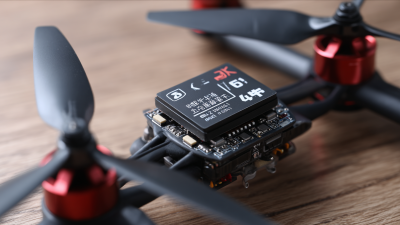
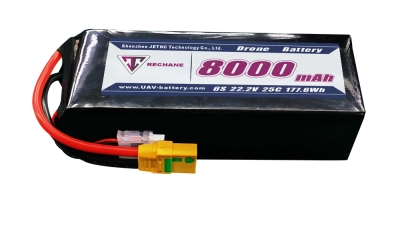
In the competitive landscape of UAV technology, optimizing drone performance is paramount. The JENTC FPV 6s 8000mAh 25C lithium polymer battery stands out as a formidable energy solution, designed specifically for aerial applications. With a stable output of 22.2V and an impressive capacity of 8000mAh, this battery ensures that drones operate seamlessly, delivering extended flight times that are crucial for aerial photography, surveillance, and agricultural applications. Industry reports indicate that high-capacity batteries like the JENTC not only improve flight duration but also enhance the overall efficiency of UAV operations, allowing users to cover larger areas with fewer interruptions.
Safety and compliance are critical considerations in the battery manufacturing sector. The JENTC battery possesses RoHS, CE, and FCC certifications, underscoring its commitment to safety and performance standards. According to the latest industry surveys, consumers prioritize these certifications when selecting battery solutions for their UAVs, as they are indicative of quality and reliability. Moreover, the battery's compatibility with various consumer electronics and customizable branding options provide versatile solutions for manufacturers looking to amplify their market presence.
As the demand for UAV technology surges, incorporating advanced energy solutions like the JENTC Lipo battery is essential. With the drone industry expected to grow exponentially, tapping into high-performance energy sources is key to fostering innovation and meeting the increasing operational demands. The insights from recent industry reports suggest that investing in efficient battery technology can significantly enhance operational capabilities, empowering drone operators to push the boundaries of what their UAVs can achieve.
FAQS
: High voltage batteries typically utilize lithium-ion or other advanced chemistries to achieve greater energy density and efficiency.
The key components include the anode, cathode, electrolyte, and separator, each playing a crucial role in enhancing performance and longevity.
Battery management systems (BMS) are critical for monitoring voltage levels, preventing overcharging, and ensuring the overall safety of the battery pack.
Consumers should look for advanced algorithms and sensors that provide real-time data to enhance performance and ensure safety.
Regulatory compliance with safety standards enhances the credibility of manufacturers and protects users, as it ensures batteries are safe for consumers and the environment.
Key standards include ISO certifications and safety guidelines established by organizations such as the International Electrotechnical Commission (IEC) and Underwriters Laboratories (UL).
Manufacturers should conduct rigorous testing protocols such as thermal stability tests, overcharge protection, and short-circuit resistance assessments.
Transparent documentation regarding safety tests and certifications can help consumers assess a manufacturer's commitment to safety and quality.
Choosing a manufacturer that prioritizes evolving safety standards can mitigate risks and ensure long-term reliability in high voltage applications.
Understanding the underlying technology helps consumers make informed choices about which manufacturers offer superior products suited for their energy needs and environmental responsibilities.