When you're trying to pick out the right Rc Battery, it’s pretty common to feel a bit overwhelmed. The market's full of options, and honestly, it can be hard to know where to start. Maybe you have a favorite brand in mind, but have you really thought about things like performance, capacity, and whether it’s compatible with your setup? These little details matter a lot—after all, they’re what keep your RC car running smoothly.
Getting a good grasp of the specs is super important here. For example, places like Battery Plus Batteryhave tons of options, from LiPo to NiMH packs. But how do you know which one’s right for you? That’s where some careful thinking comes in. Think about what your RC model needs, and what you’re actually gonna use it for. Are you just casually messing around, or are you all-in and racing? Sometimes that little difference can totally change what Battery You should get.
A lot of folks tend to buy whatever’s the most popular or trending without doing much homework, and that can end up being kinda disappointing. A battery that works great in one situation might not be the best fit elsewhere. So take your time, do some research, and read reviews from other users. Your RC Battery Should actually make your experience better, not hold you back. Before grabbing anything, think about what you really need—that way, you’ll come out ahead in the long run.
Understanding Different Types of RC Batteries Available in 2026
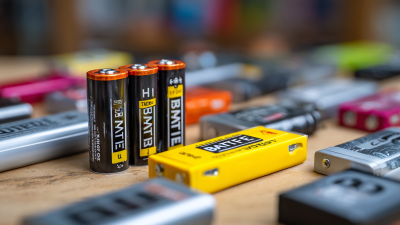
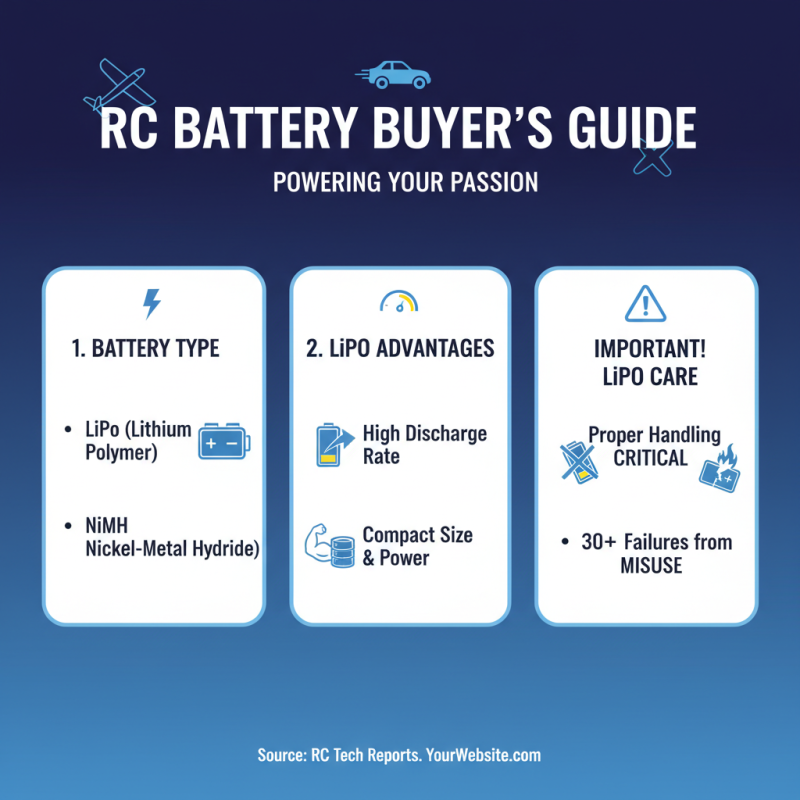
When selecting an RC battery in 2026, understanding the types available is crucial. Lithium Polymer (LiPo) batteries are popular due to their lightweight design and high energy density. A recent industry report indicated that LiPo batteries accounted for over 70% of the market share in consumer RC products. They provide impressive discharge rates, crucial for high-performance applications. However, they can be sensitive and require careful handling. Many users overlook the importance of safety measures when dealing with LiPo.
Nickel-Metal Hydride (NiMH) batteries are another option. They are heavier and bulkier than LiPo but offer stability. These batteries are often recommended for beginners. A survey showed that about 45% of new RC enthusiasts preferred NiMH for their reliability and ease of use. However, they do not deliver the same punch as LiPo batteries, leading to potential disappointment in performance.
In 2026, solid-state batteries are emerging as a new contender. Early reports suggest they could change the industry landscape by offering longer life and improved safety. Still, they remain largely untested in everyday RC applications, and many enthusiasts are hesitant to adopt them. Each battery type has unique benefits and drawbacks. Choosing the right one requires careful consideration of personal needs and performance desires. Users often make hasty decisions, underscoring the importance of research and understanding.
Evaluating Battery Capacity and Voltage for Optimal Performance
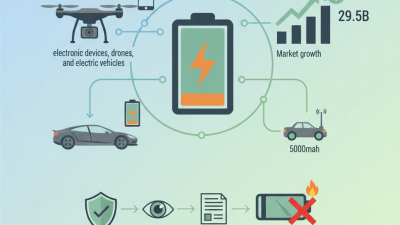
When selecting an RC battery, evaluating capacity and voltage is crucial for performance. Battery capacity is measured in milliamp-hours (mAh). According to industry standards, a higher mAh rating means longer run time. For instance, a battery rated at 5000mAh can provide about five times the capacity of a 1000mAh battery. This difference is significant in longer races or extended play.
Voltage follows closely in importance. Most RC vehicles operate on standard voltages such as 7.4V for lithium polymer batteries. However, not all vehicles can handle higher voltage batteries safely. A battery that exceeds a vehicle's maximum voltage can cause overheating and damage. RC enthusiasts are often left with burnt-out equipment. Testing voltage compatibility before making a purchase is essential.
It's easy to assume that higher capacity and voltage always equal better performance, but this isn't always true. Sometimes, the balance between weight and power is overlooked. A heavy battery may reduce agility, impacting overall speed. Therefore, it's vital to consider your specific needs, vehicle type, and intended use.
2026 How to Choose the Best Rc Battery for Your Needs? - Evaluating Battery Capacity and Voltage for Optimal Performance
| Battery Type | Voltage (V) | Capacity (mAh) | Discharge Rate (C) | Weight (g) |
| LiPo | 3.7 | 2200 | 25 | 150 |
| NiMH | 1.2 | 3000 | 10 | 230 |
| LiFePO4 | 3.2 | 1800 | 15 | 160 |
| Lead Acid | 12 | 7000 | 5 | 4250 |
Analyzing Discharge Rates and Their Impact on RC Vehicle Performance
When selecting the right RC battery, discharge rates play a crucial role in performance. Discharge rate, often measured in C-ratings, indicates how quickly a battery can deliver power. For instance, a battery rated at 30C can theoretically provide 30 times its capacity in amps. This means a 5000mAh battery could deliver 150A at full discharge. However, going beyond the recommended discharge can lead to overheating or even damage.
High-performance RC vehicles often require batteries with higher C-ratings. Reports suggest that many hobbyists favor batteries with a C-rating of 50 or above for racing scenarios. While this ensures quick bursts of power, it can lead to reduced battery lifespan. Users may overlook this. Batteries are not always a one-size-fits-all. Choosing the wrong type or discharge rate can result in poor vehicle performance.
Additionally, it’s important to consider the weight of higher-capacity batteries. Heavier batteries may provide longer run times but impact agility. Finding the right balance is essential. Battery Replacement Battery options can be overwhelming, but understanding discharge rates is key to optimizing your vehicle’s performance in various conditions.
Comparing Battery Chemistry: LiPo vs NiMH vs NiCd
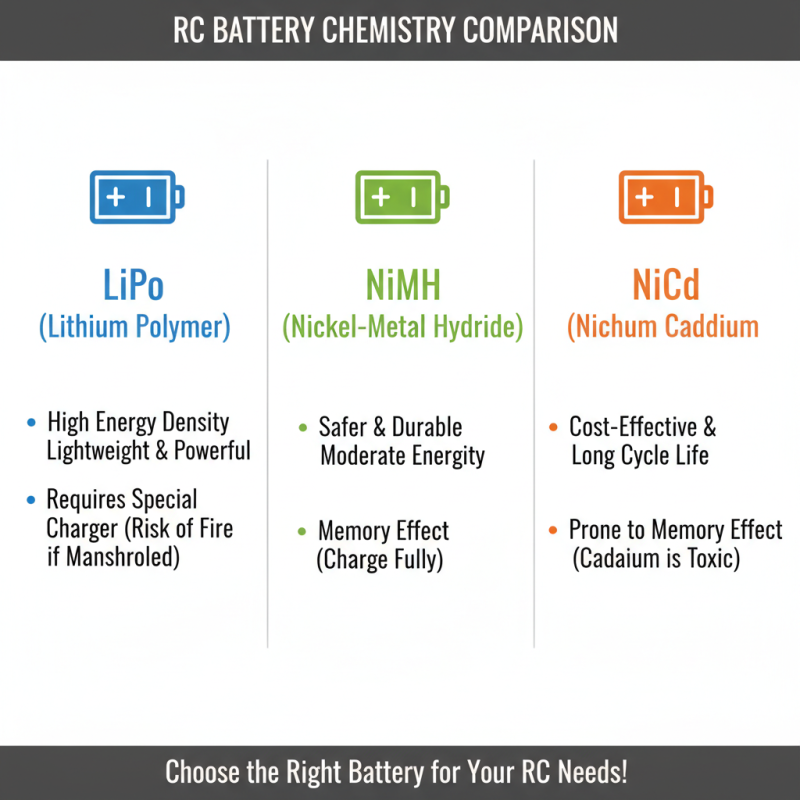
When it comes to choosing the right RC battery, comparing battery chemistry is vital. Three main types dominate the market: LiPo, NiMH, and NiCd. Each has its distinct characteristics affecting performance and usage.
LiPo batteries are lightweight and energy-dense. They provide high discharge rates, making them perfect for racing. However, they require careful handling. If overcharged or punctured, they can be dangerous.
NiMH batteries are more forgiving and easier to maintain. They are less susceptible to damage but usually have lower power outputs. This can limit performance in high-demand scenarios. NiCd batteries are durable with a strong discharge rate. But they suffer from memory effect, impacting their overall longevity.
**Tips:** Always check your RC car's specifications before selecting a battery. Measure the available space for a Battery Car Battery Car. Additionally, consider usage frequency to choose between shorter runtime LiPo and longer-lasting options like NiMH. Balancing weight and capacity is crucial for optimal performance.
Importance of Battery Size and Weight in RC Applications
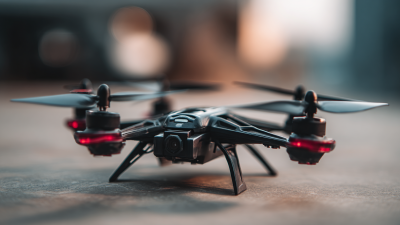
In RC applications, the size and weight of a battery significantly impact performance. A lighter Battery Battery Pack often translates to better maneuverability. According to a report by the International Society of Robotics, reducing weight by just 10% can enhance flight time by up to 15%. This is crucial for drones and other aerial devices.
However, choosing a smaller battery can lead to reduced voltage. This may limit the power available, affecting speed and responsiveness. Users must balance size and capacity. For instance, a compact Battery Battery Pack may struggle to deliver long run times in high-performance cars that demand power. The question remains: how much energy can you sacrifice for weight?
In practice, many hobbyists overlook the specific needs of their RC setup. They might choose a battery based solely on size. This can lead to frustration. An ill-suited Battery Battery Pack will not only underperform but might also damage the vehicle over time. Reflecting on a variety of battery types is essential to achieve an optimal setup.
Tips for Battery Maintenance and Lifespan Enhancement
Maintaining your RC battery is crucial for extending its lifespan. A simple step is to ensure proper storage. Store batteries in a cool, dry place. Avoid direct sunlight or extreme temperatures. These conditions can degrade battery performance over time. Check the battery regularly for signs of wear or damage.
Charging practices also matter. Use an appropriate charger that matches your battery type. Overcharging can shorten the lifespan. A balanced charge is vital. Monitor your battery voltage after use. If it drops too low, you risk permanent damage.
Clean your battery terminals and connectors periodically. Dirt and corrosion can lead to poor performance. Use a soft cloth to wipe them down. This small detail makes a big difference. Additionally, avoid draining the battery completely. Instead, recharge it when it’s about 20% full. This will keep it healthy and reliable for your next race or adventure.
2026 RC Battery Types and Their Lifespan Comparison
This bar chart illustrates the average lifespan of different types of RC batteries. Understanding battery lifespan helps in making informed choices for your RC needs.
Conclusion
When selecting the best RC battery for your needs, it's essential to understand the different types available in 2026, including LiPo, NiMH, and NiCd batteries. Each chemistry has its unique characteristics, affecting performance, capacity, and discharge rates. Evaluating battery capacity and voltage is crucial for optimizing your RC vehicle's performance, as these factors directly influence speed and run time.
Additionally, size and weight play a significant role in overall vehicle dynamics, making it necessary to choose a battery that fits well without compromising balance and agility. Regular maintenance can further enhance the lifespan of your RC battery, ensuring reliability during use. By considering these key factors, you can make an informed decision and enjoy improved performance from your RC vehicle.