The world of high-voltage Battery Tech is pretty exciting right now — companies like Tesla and Panasonic are really pushing the boundaries. But, you know, with all these advancements, there’s also some risk involved.
Check out this High Voltage LiPo Battery system — it can be super dangerous if not handled with care. Safety really should be at the top of the list. Overheating, short circuits, improper disposal — all these things can lead to serious accidents. It’s a good reminder that staying alert and cautious is key.
Every safety step requires some real thought. Making sure workers are properly trained and aware of potential hazards isn’t just a nice idea — it’s essential. Sometimes folks forget the basics, and that’s when problems can pop up. Putting safety first in every step helps create a safer space for everyone — users, technicians, and equipment alike.
High-voltage batteries are packed with potential, no doubt, but it’s so important to prioritize safety to avoid any mishaps. It’s all about balancing innovation with a healthy respect for the risks involved.

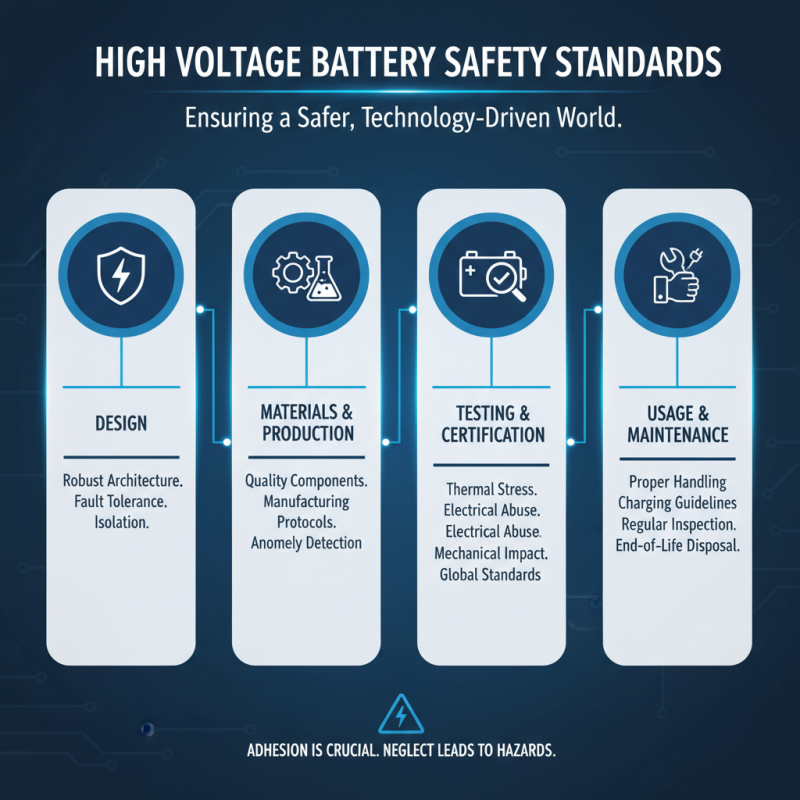
High Voltage Battery safety is crucial in today's technology-driven world. Standards guide manufacturers in creating safer products. These standards cover various aspects, from design to testing. It is essential to adhere to safety protocols during the production phase. Neglecting these can lead to hazardous situations.
Batteries must undergo rigorous testing before hitting the market. This includes thermal stability tests, short-circuit tests, and overcharge scenarios. Each test aims to identify potential failure modes. Manufacturers often push for innovation, sometimes at the cost of safety features. This raises concerns. It is important to balance efficiency with safety.
Education plays a key role. Workers handling these batteries need proper training. Uninformed handling can lead to accidents. Documentation is often insufficient. It is a subject worth reflecting on. A comprehensive understanding of safety standards can empower better practices in the industry. Sharing knowledge is vital for improvements. Safety should never be an afterthought; it needs to be prioritized continuously.
High voltage batteries are essential in today's technology, but they come with significant risks. Understanding these risks is crucial for everyone who handles them. A High Voltage Car Battery can store a large amount of energy, which can be dangerous if not managed properly. If the battery casing is damaged, it can lead to leaks or thermal runaway. These situations require immediate attention and expertise.
Improper handling is a common mistake. Many people underestimate the potential harm of electric shocks. Even a minor mistake can result in severe injury. Always wear protective gear when working with high voltage batteries. Make sure to use insulated tools. Additionally, it’s helpful to follow clear procedures during installation or maintenance. Supervision by trained professionals can mitigate risks.
Battery management systems are vital for preventing issues. These systems monitor the battery's condition to ensure safety. However, they are not foolproof. Regular inspections are necessary to check for wear and tear. Not addressing small problems can lead to bigger failures later. Awareness and education about high voltage car battery safety can significantly reduce accidents.
When designing high-voltage batteries, incorporating safety features is crucial. One common approach is implementing thermal management systems. Effective heat dissipation reduces the risk of thermal runaway, a leading cause of battery failure. According to a recent industry report, over 50% of battery incidents stem from overheating issues. Engineers must prioritize materials that withstand high temperatures while maintaining performance.
Another critical design feature is robust structural integrity. The casing of a High-Voltage Drone Battery should be made from durable materials. This protects against physical damage during operation. Studies show that up to 30% of battery failures result from impacts or punctures. Additionally, including advanced battery management systems helps monitor vital parameters. These systems can detect anomalies early, allowing for timely interventions.
Battery safety is not just about innovation; it also requires reflection. While many designs aim for improved energy density, the focus can sometimes forget safety margins. Striking a balance between performance and reliability remains an ongoing challenge in the industry. As the demand for high-voltage drone batteries continues to rise, addressing these safety concerns becomes increasingly vital.
Proper handling and transportation of high voltage batteries is crucial for safety. These batteries can pose significant risks if mishandled. Always use appropriate personal protective equipment, such as gloves and goggles, when handling them. Training in first aid and emergency responses should be mandatory. It can make a critical difference in case of an accident.
Transportation requires special attention as well. Batteries must be secured in a way that prevents movement during transit. Using padded containers can help absorb shocks. Ensure that the transportation vehicle complies with relevant safety regulations. Regular checks can identify potential issues before they become serious. Accidents often lead to uncontrolled reactions. Don't underestimate the power of a small error.
Inadequate labeling can also lead to confusion during handling. Labels should clearly communicate hazards and necessary precautions. It's often overlooked, but a clear, legible label can prevent mishaps. Review your processes regularly, and be open to improvements. Reflection on past incidents can lead to better practices in the future. It's easy to become complacent, but diligence is essential for safety.
In the event of a battery incident, rapid action is crucial. Emergency responders should be trained to recognize hazards specific to high voltage batteries. This includes understanding thermal runaway, which can lead to fires or explosions. Responders need equipment that protects against electrical shock and potential chemical spills.
An incident response plan should outline clear steps. Evacuation zones must be established, ensuring people stay at least 30 feet away. Isolation procedures should be in place to prevent contact with the battery. Fire extinguishers rated for electrical and chemical fires are vital. It's essential to maintain an up-to-date inventory of emergency response tools.
Constant drills can ensure preparedness, but not all scenarios can be simulated. Teams may overlook certain risks in a controlled environment. Reflection on past incidents can provide valuable lessons. Adjustments to response protocols should be made regularly. This will help enhance safety measures and build a stronger response strategy.
| Incident Type | Emergency Response Action | First Aid Steps | Recommended Equipment |
|---|---|---|---|
| Fire | Evacuate area, call emergency services | Administer CPR if necessary | Fire extinguisher (Class D) |
| Chemical Leak | Contain spill, notify emergency team | Remove contaminated clothing, rinse skin | Absorbent material, personal protective equipment (PPE) |
| Overheating | Shut down power source, cool down battery | Apply cool compress if skin is affected | Thermal imaging camera, cooling equipment |
| Electrical Shock | Disconnect power, call for medical help | Check responsiveness, administer CPR if needed | Insulated gloves, first aid kit |
| Battery Rupture | Evacuate quarantine zone, alert authorities | Seek medical attention for exposure symptoms | Containment barriers, protective gear |
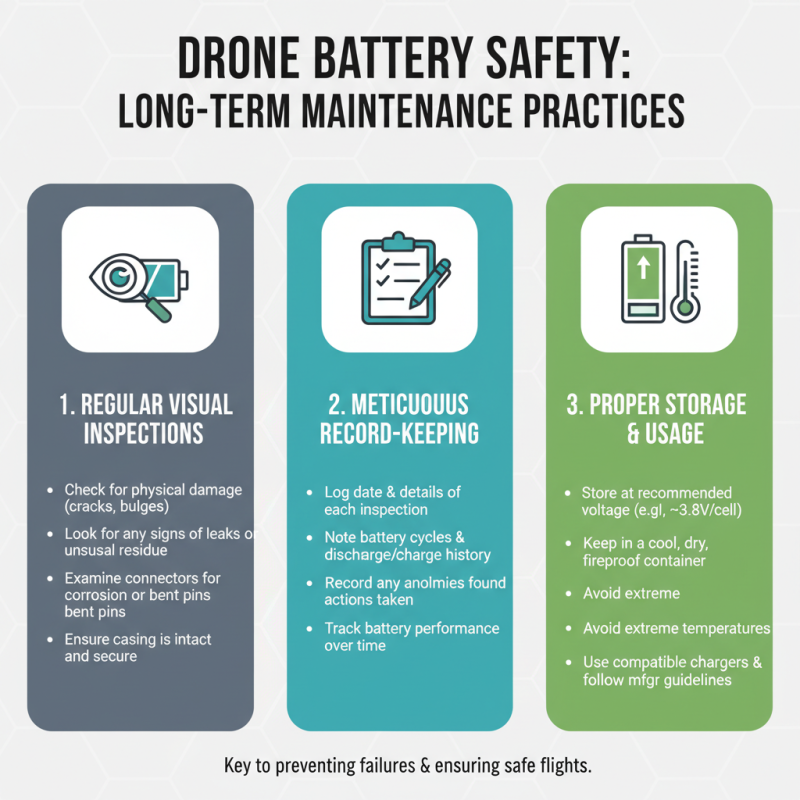
Maintaining high voltage batteries, especially those used in drones, is crucial for safety. Regular inspections help identify wear and tear. This includes checking for visible damage, leaks, or corrosion. A simple visual scan can reveal issues before they become serious. Record these inspections meticulously. Data gathered can highlight patterns and show when maintenance is needed.
Charging practices are essential. Use the recommended chargers. Overcharging can lead to overheating. Set reminders to avoid leaving batteries unattended while charging. It's important to monitor the environment too. High temperatures can compromise battery integrity. Ensure batteries are stored in cool, dry places. A temperature below 25 degrees Celsius is ideal for most high voltage batteries.
Training personnel is another critical aspect. All team members must understand battery safety. Workshops can provide hands-on experience. However, it's easy to overlook ongoing education. Skipping training can lead to mistakes. Regular refreshers help keep everyone informed. Each person should know proper handling and emergency protocols. A small lapse in knowledge can have serious consequences. The world of Drone Battery High Voltage requires ongoing vigilance and diligence.
Training and education are crucial for ensuring safety around High Voltage Batteries. A recent industry report highlights that up to 25% of battery-related incidents occur due to inadequate training. Workers must understand the risks and proper handling techniques. Regular workshops and drills can keep safety practices fresh in mind.
Tip: Schedule monthly safety meetings. This keeps everyone updated and aware of potential hazards.
Detailed training programs should cover emergency response procedures. Participants must learn how to identify warning signs of battery failure, such as swelling or unusual heat. Awareness of these indicators saves lives. However, many organizations underestimate the power of real-life scenarios in training.
Tip: Use case studies of past incidents. Learning from mistakes can help prevent future accidents.
High Voltage Battery systems are complex. Employees need to grasp both operational procedures and troubleshooting methods. Overconfidence can lead to negligence. Encouraging a culture of questioning can improve safety. Sometimes, it's okay to ask for help when unsure. The more prepared the workforce, the safer the environment becomes.
The performance of Unmanned Aerial Vehicles (UAVs) is significantly influenced by the type of battery utilized, particularly when it comes to efficiency and reliability. Recent industry data highlights that high-voltage lithium polymer (LiPo) batteries have emerged as a game-changer in the UAV market. These advanced batteries operate at voltages of 4.4V and above per cell, leading to a substantial increase in energy density and a more stable discharge platform compared to traditional lithium batteries. This advancement means that UAVs equipped with high-voltage batteries can deliver an additional 10% to 30% of energy, translating directly into prolonged flight times and enhanced operational capabilities.
Furthermore, the shift towards high-voltage systems such as 12S, 14S, and 16S configurations allows for greater energy output without increasing weight. This is vital in the competitive landscape of drone technology, where endurance and payload capacity can determine mission success. Data indicates that optimizing battery voltage not only improves overall performance but also contributes to the reliability of UAVs under varied operating conditions. As UAV applications continue to evolve—from aerial photography to agricultural monitoring—integrating high-voltage batteries is proving essential for maximizing performance and ensuring the longevity of UAV operations in the field.
: Improper handling can lead to significant risks, including accidents or injuries. Everyone must prioritize safety.
Gloves and goggles are essential when handling high voltage batteries. They protect against potential hazards.
Batteries must be secured in padded containers to prevent movement during transit. This helps absorb shocks.
Inadequate labeling can cause confusion and lead to accidents. Clear, legible labels are crucial for safety.
They should be trained in recognizing specific hazards. Understanding thermal runaway is key to preventing fires.
It should outline evacuation zones, isolation procedures, and the use of appropriate fire extinguishers. Safety first.
Monthly safety meetings are recommended to keep staff updated on potential hazards and safe practices.
Real-life scenarios help workers learn from past mistakes, reducing the likelihood of future incidents. Reflection matters.
Overconfidence can lead to negligence in safety practices. Encouraging questions can improve awareness and safety.
Regular reflection on past incidents and adjusting protocols can lead to enhanced safety and better preparedness.
The article "Best Practices for High Voltage Battery Safety" provides a comprehensive overview of crucial standards and protocols aimed at ensuring safety when working with battery high voltage systems. It highlights the importance of understanding the risks associated with these batteries, which can pose significant hazards if not handled properly. Key design features are discussed that enhance safety, along with proper handling and transportation procedures to mitigate risks during operation.
Moreover, the article outlines essential emergency response protocols in the event of battery incidents and emphasizes the significance of regular maintenance practices to ensure long-term safety of high voltage batteries. Lastly, it underscores the necessity of training and education to foster a culture of safety awareness among personnel working with these powerful energy sources, helping to prevent accidents and injuries in various environments.