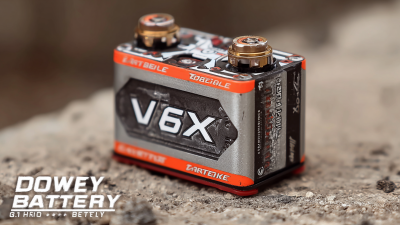
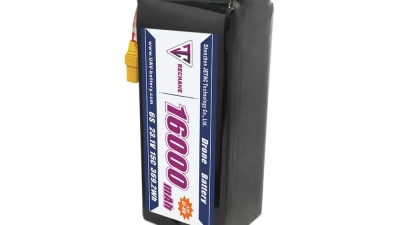
Hey there! If you're diving into the exciting world of drones, figuring out the right 5-inch drone Battery Size is kinda a big deal. Seriously, it plays a huge role in how well your drone performs and how long you can keep it buzzing in the air. With drone tech moving at lightning speed, there's a growing demand for lightweight and super-efficient batteries. So whether you’re a hobbyist or a pro, getting to grips with battery specs is essential to finding that perfect fit for your drone. Since 2011, Shenzhen Jentc Technology Co., Ltd. has been leading the charge in this space, providing a wide range of high-performance lithium batteries designed for all sorts of uses. They're experts in specialized batteries, including those stylish 4.4V high-voltage ones and those quick-charge lithium options. Jentc is all about delivering the right power solutions to meet the unique needs of drone enthusiasts like you.
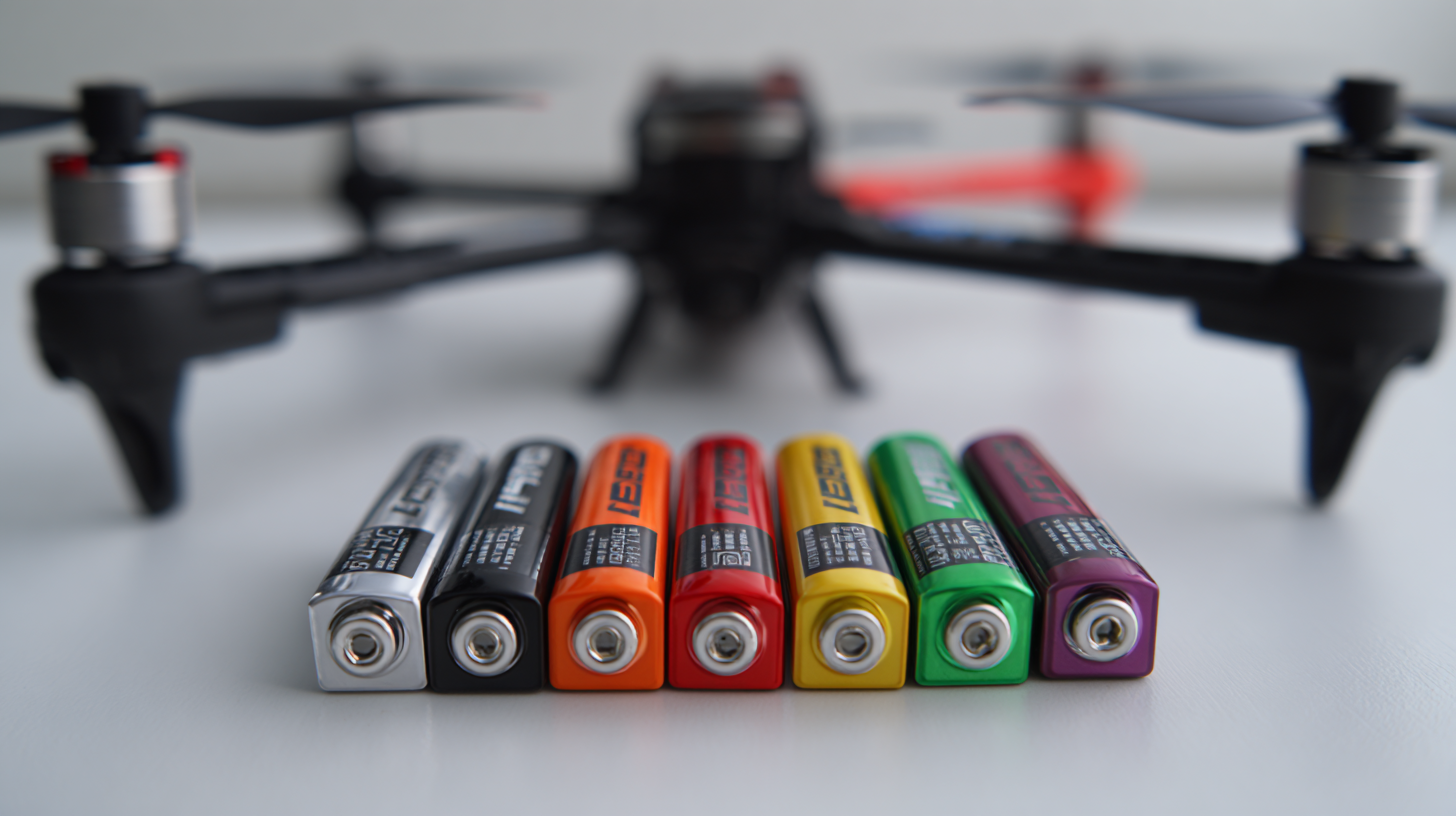
So, buckle up as we take a closer look at the key things to think about when you're on the hunt for the ideal 5-inch drone battery size that’ll definitely make your flying experience even better!
Benefits of Choosing the Right Battery Size for Your 5 Inch Drone
So, let’s talk about getting the most out of your 5-inch drone. Picking the right battery size is super important! It’s not just about getting more flight time; a good battery can really amp up how your drone handles and responds. This means you can grab those breathtaking aerial shots or pull off tricky moves without breaking a sweat. For anyone who loves flying drones, whether you're a hobbyist or a pro, finding the right battery makes all the difference between a smooth flight and a total headache.
Here at Shenzhen Jentc Technology Co., Ltd., we totally get how vital top-notch batteries are for drones. We’ve got a great range of lithium battery options, including 4.4V high-voltage batteries and quick-charging lithium ones, all tailored for your 5-inch drone needs. When you put your money into the right battery size, you're guaranteeing peak performance and reliability, which means you can really explore what your drone can do. Whether you’re zipping through a race or filming some epic views, choosing the right battery boosts both safety and performance. That way, you can really focus on catching those awesome moments up there in the sky.
Understanding Battery Specifications: What You Need to Know
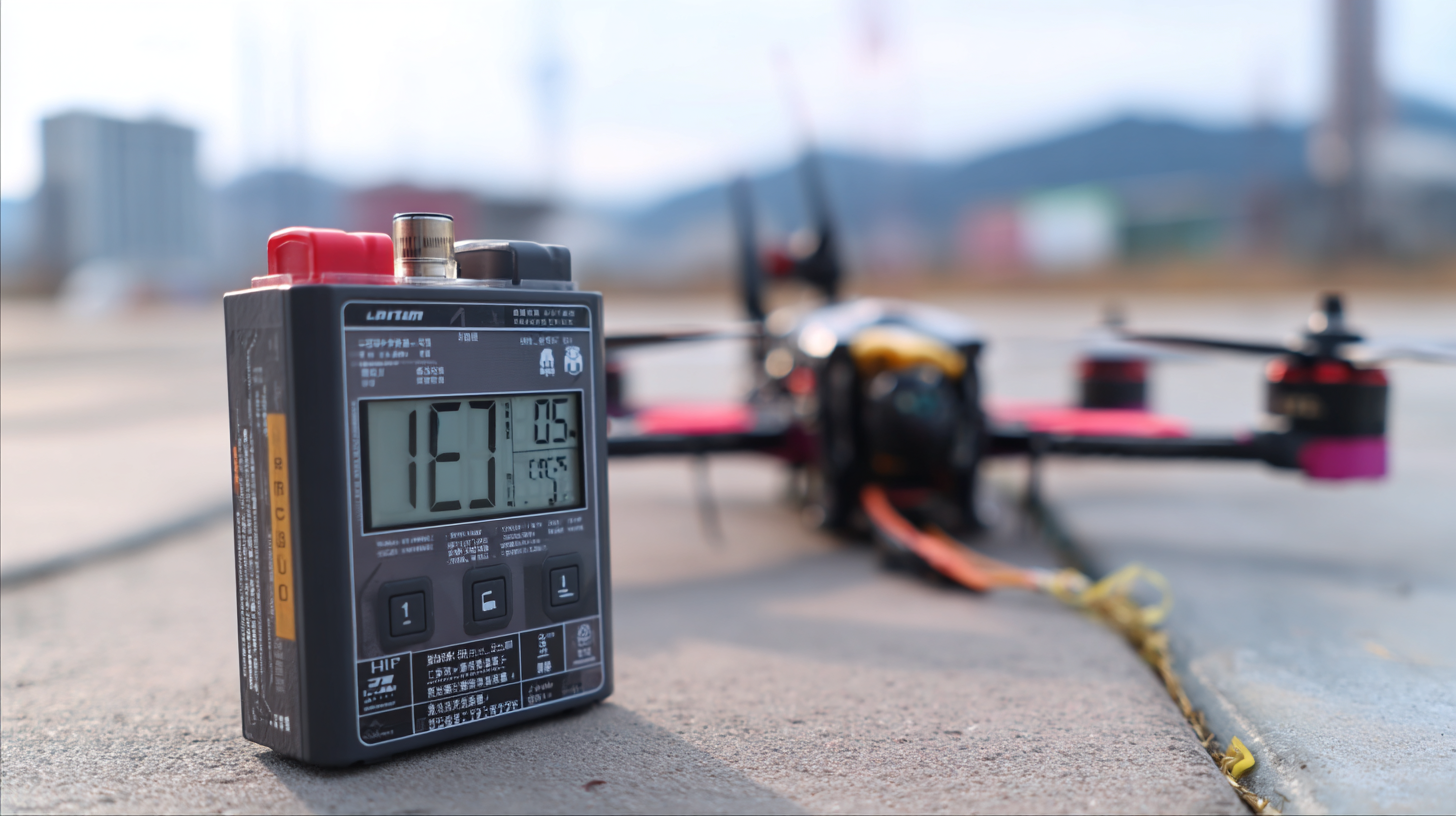 Okay, so if you’re picking a battery for your 5-inch drone, there are a few things you really need to think about to get the best flight performance while staying safe. First off, let’s talk about capacity—which is measured in milliamp-hours, or mAh for short. The higher the mAh rating, the longer your flights can last. But here’s the catch: more capacity means more weight, which can make it a bit tricky to maneuver. It’s like trying to juggle heavy bowling balls instead of those lightweight ones—finding that sweet spot between capacity and what your drone can actually handle is key for nailing that performance you want.
Now, don’t forget about the discharge rate, which is shown by something called the “C” rating. This little gem tells you how fast the battery can put out energy safely. If you’re into high-performance flying that needs some quick moves and snappy throttle responses, then you definitely want a higher C rating. So, by getting a grip on these specs—capacity and discharge rate—you’ll be well on your way to picking a battery that not only meets your flight time dreams but also holds up for the fast-paced action that comes with flying 5-inch racing and freestyle drones. Happy flying!
Top Brands for 5 Inch Drone Batteries: A Quality Comparison
Choosing the right battery for your 5-inch drone is super important if you want it to fly well and last longer. I've been doing some digging, and it turns out brands like Tattu, Gens Ace, and Bonka are pretty much the go-to names in the drone battery world. They’ve built a solid reputation for delivering high-quality Lithium Polymer (LiPo) batteries. For example, Tattu is known for its stable voltage and long-lasting life, and a lot of users rave about getting up to 150 cycles out of them with some good care. That’s pretty impressive, right?
When you’re looking at battery options, it’s a good idea to keep a few things in mind, like discharge rate, capacity, and weight. A little tip from seasoned drone enthusiasts is to aim for batteries that have a C rating of 50 or higher. This really helps during those crazy high-demand stunts. Plus, if you go for something in the range of 1300mAh to 1500mAh, it strikes a nice balance between keeping things light and giving your drone plenty of power to zoom around gracefully.
Oh, and don’t forget to double-check that youR Battery is compatible with your specific drone model! Brands like Gens Ace often have handy compatibility charts which make it super easy to pick the right one. Trust me, investing in a reliable brand not only boosts your drone's performance but also makes flying a whole lot safer and way more fun. Happy flying!
Common Mistakes When Selecting a Drone Battery Size
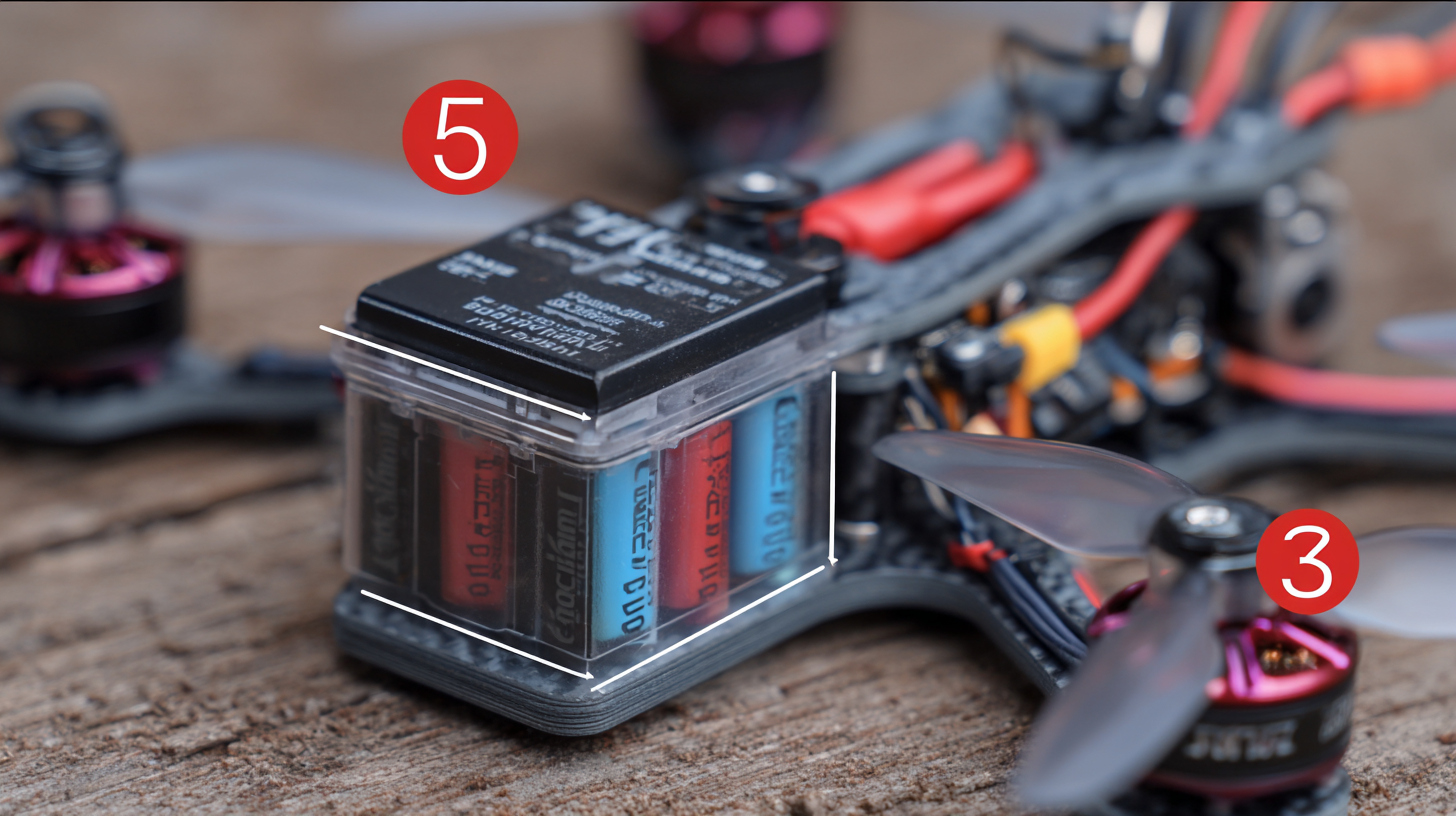
Selecting the right battery size for your 5-inch drone is crucial for optimizing performance and flight time. A common mistake that many drone enthusiasts make is underestimating the importance of matching the battery capacity with the drone's propulsion system. Research indicates that the propulsion system performance significantly impacts the overall effectiveness of an unmanned aerial vehicle (UAV). By failing to consider the compatibility of the battery size with the motor and propeller specifications, you may end up with a drone that underperforms or has a reduced flight time.
Another frequent error is neglecting the weight-to-power ratio. When selecting a battery, consider not only the voltage and capacity but also how it affects the drone's overall weight. A heavier battery may decrease flight efficiency, leading to shorter flight durations. According to recent studies, proper rotor and battery sizing can enhance flight time significantly, which is essential for purposes like delivery and aerial photography.
**Tips:** Always calculate the total weight of the battery in relation to the drone's payload capacity. Additionally, consult UAV battery management guidelines to ensure optimal compatibility. Finally, test different battery sizes in your practice runs to determine which offers the best balance between power and endurance for your specific drone applications.
Ultimate Guide to Selecting the Perfect 5 Inch Drone Battery Size - Common Mistakes When Selecting a Drone Battery Size
| Battery Size (mAh) | Flight Time (Minutes) | Weight (grams) | Common Mistake |
| 500 | 5-6 | 70 | Choosing capacity over weight |
| 1000 | 8-10 | 120 | Ignoring discharge rates |
| 1500 | 10-12 | 150 | Not considering temperature effects |
| 2000 | 12-15 | 180 | Overloading with high capacity |
Tips for Maximizing Battery Life and Performance
Choosing the right battery size for your 5-inch drone is super important if you want to boost its performance and fly for longer. One major thing that can really help you make the most of your battery life is keeping all your drone's electronics in tip-top shape. And hey, make sure you're not loading it up with a bunch of unnecessary accessories, because that can really zap the battery power. On top of that, opting for the right propeller size and type can make a big difference in how efficiently your drone flies, which means you'll get to enjoy those longer flights!
Now, when we're talking about some practical tips to stretch that battery life even further, think about adjusting your drone's power settings. For instance, turning down the screen brightness on any displays can actually cut down on energy use quite a bit. If your drone has a power-saving mode, why not turn it on? It could definitely help extend your battery's life during your adventures. And let's not forget, keeping your drone clean and well-maintained is key to making sure it performs at its best, helping your battery keep going strong for a longer time.
Battery Safety: Best Practices for 5 Inch Drone Owners
You know, when it comes to flying those 5-inch drones, battery safety really can't be overlooked. Taking good care of your drone battery not only helps it last longer but also makes your flying adventures a lot more enjoyable. A little tip: always stash your batteries in a cool, dry spot. It’s a simple way to avoid overheating and some pretty dangerous situations. So, steer clear of direct sunlight and definitely don’t leave them on hot surfaces, like your car dashboard—that's a recipe for disaster.
And hey, it's a good idea to keep an eye on your battery's voltage levels, too. A handy battery checker can really help you make sure you're keeping things safe while you’re in the air, so there’s less chance of a sudden power loss when you’re having fun. Just remember, never let your batteries drop below the recommended voltage; doing that can cause some serious damage and even risk a fire. Not cool, right?
Oh, and one last thing—always charge your batteries in a dedicated charging bag. Those bags are lifesavers, literally! They contain any potential fires and stop them from spreading. Stay alert while charging, and try not to leave your batteries unattended. Making these tips a part of your drone routine will really help protect your batteries and make your overall experience with your 5-inch drone much better!
Maximizing Drone Performance: The Essential Benefits of High Voltage Drone Batteries
Maximizing Drone Performance: The Essential Benefits of High Voltage Drone Batteries
When it comes to enhancing drone performance, choosing the right battery is crucial. The introduction of high voltage lithium polymer (HV LiPo) batteries marks a significant advancement in drone technology. Unlike traditional lithium batteries with a maximum single cell voltage of 4.2V, HV LiPo batteries boast a voltage of 4.4V and above. This simple yet impactful change results in a dramatic increase in energy density and discharge capability, allowing drones to operate more efficiently and effectively.
The advantages of HV LiPo batteries extend beyond just higher voltage. With their ability to release an additional 10% to 30% of energy compared to conventional batteries, pilots can experience extended flight times, which is essential for both recreational flying and professional applications. Furthermore, high voltage options like 12S, 14S, and 16S configurations provide unparalleled energy output while maintaining the same weight as their low-voltage counterparts. This means drone operators can enhance endurance and load capacity without compromising flight stability or increasing weight. By investing in HV LiPo technology, enthusiasts and professionals alike can unlock new possibilities in aerial performance, from extended journey times to higher payload capabilities.
FAQS
: You should consider the battery's capacity, measured in milliamp-hours (mAh), and the discharge rate indicated by the "C" rating. A higher mAh rating means longer flight times, while a higher C rating allows for quicker energy release, which is important for high-performance flying.
A capacity between 1300mAh to 1500mAh is generally recommended as it balances weight and power, allowing for better agility during flights.
The discharge rate, indicated by the C rating, shows how quickly the battery can safely release energy. For drones that require swift maneuvers, a higher C rating is recommended for optimal performance.
Top brands include Tattu, Gens Ace, and Bonka, which are known for offering high-quality lithium polymer (LiPo) options and reliable performance.
To extend battery life, maintain your drone components, avoid overloading with unnecessary accessories, and use the correct propeller size. Additionally, regulating power settings, such as lowering display brightness and using power-saving modes, can help.
Keeping your drone clean and well-maintained is essential for optimal performance. Regular maintenance ensures that all components function effectively, which can improve battery longevity.
Higher capacity batteries typically weigh more, which can affect maneuverability. It's essential to find a balance between battery capacity and overall weight for optimal flight performance.
Always check compatibility charts provided by battery brands like Gens Ace to ensure that the battery you select is suitable for your specific drone model.
Proper maintenance of your drone's electronics helps prevent excess power drain. Keeping the electronics in good condition ensures better energy efficiency and can prolong battery life during flights.