When it comes to the fast-paced world of drone tech, you really can’t underestimate the significance of picking the right Drone Battery. I mean, think about it—drones are being used for everything these days, from just having fun to really important commercial tasks. So, having a dependable power source is crucial if you want to boost performance and make sure your drone lasts. That's where Shenzhen Jentc Technology Co., Ltd. comes into play. They’ve been leading the charge (no pun intended!) in this field for over ten years, creating top-notch lithium battery solutions that cater to all sorts of needs. Their lineup is pretty impressive, featuring innovative 4.4V high-voltage batteries and quick-charging lithium options, all designed to meet the high demands of today’s drone uses. In this ultimate guide, you'll find expert advice and essential industry stats to help you tackle the tricky job of choosing the perfect battery for your drone. With the reliability you’d expect from a company like Jentc Technology, you can take your aerial adventures to the next level.
Understanding Drone Battery Basics: Types and Specifications
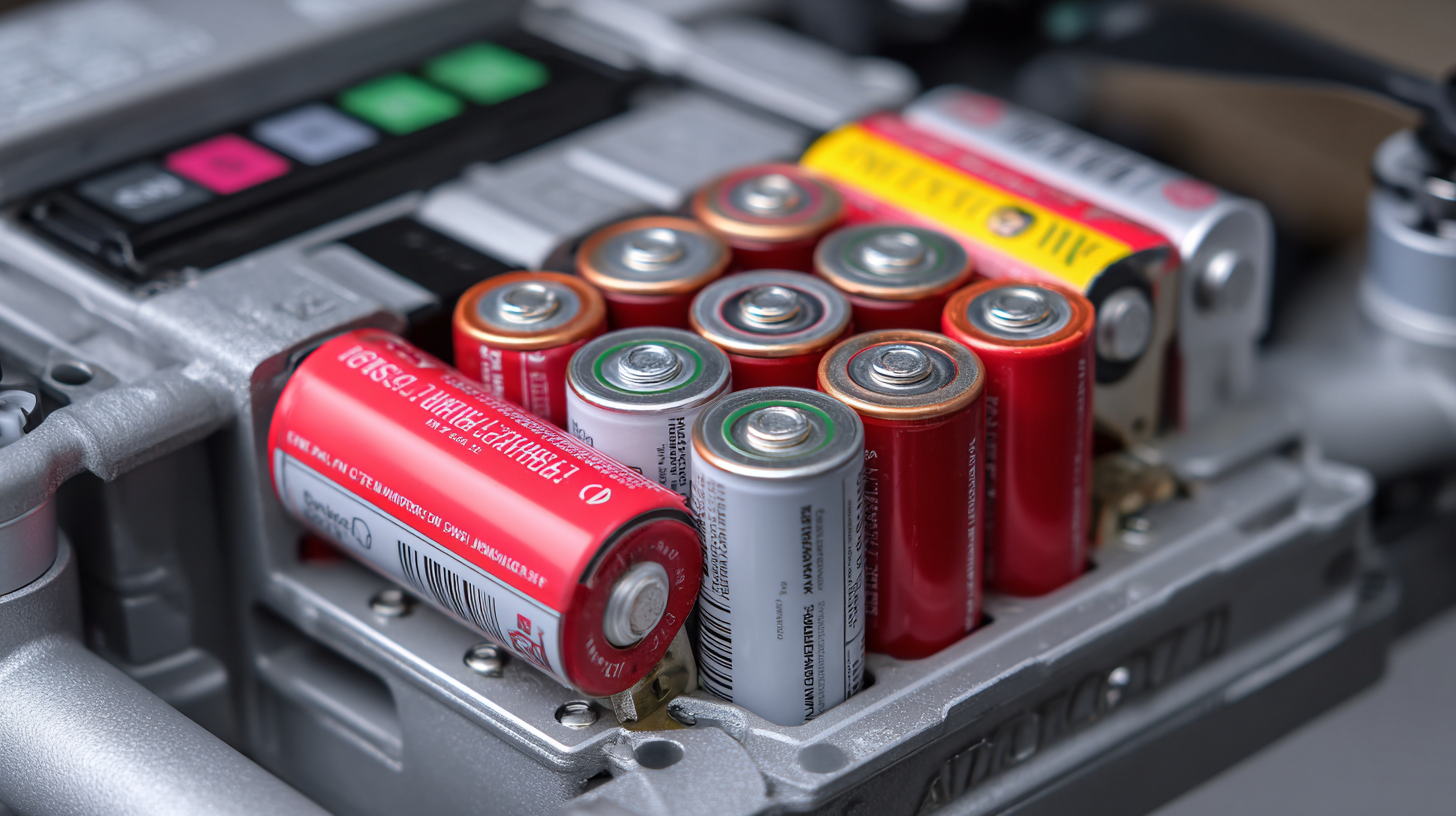
When it comes to Drone Batteries, understanding the various types and specifications is crucial for optimal performance and longevity.  Lithium batteries, particularly those offered by Shenzhen Jentc Technology, have become the go-to choice for many drone manufacturers due to their high energy density and lightweight characteristics. According to industry reports, lithium-based batteries account for over 70% of the drone battery market, attributed to their ability to provide a balance between weight, capacity, and discharge rates.
In the realm of high-performance batteries, specifications are key. For example, the 4.4V high-voltage batteries developed by Jentc Technology enable drones to achieve longer flight times while maintaining that essential power-to-weight ratio. Additionally, fast-charge lithium batteries are gaining popularity as they allow for rapid recharging, ensuring that operational downtime is minimized.  Statistics show that drones equipped with high-voltage and fast-charge batteries can reduce overall operational costs by approximately 25% due to increased efficiency and reduced recharge time.
As the drone industry continues to evolve, the importance of selecting the right battery type cannot be understated. Factors such as battery life, charge cycles, and safety standards play pivotal roles in ensuring reliable drone performance. With Jentc Technology's extensive expertise in providing specialized lithium battery solutions, users can better navigate these complexities to meet their specific operational needs.
Key Factors to Consider When Choosing a Drone Battery
Hey there! So, if you're on the hunt for the perfect drone battery, there are quite a few things you’ll want to keep in mind to get the best performance and make sure it lasts. First off, take a look at the battery capacity, which is measured in milliamp-hours (mAh). This is super important! You’ll usually find good-quality drone batteries falling between 1500mAh and 6000mAh, and this really affects how long your drone can fly and how useful it’ll be overall. Plus, you’ve got to think about the battery chemistry. Are you going for lithium-polymer (LiPo) or lithium-ion (Li-ion)? This choice can impact the weight, discharge rates, and how long it takes to charge them up. For example, if you’re into racing, LiPo batteries are typically the way to go since they have higher discharge rates, which is pretty crucial for that kind of fast-paced flying.
On top of that, safety ratings and regulations are becoming a bigger deal in the drone world, especially with all the buzz around drone deliveries and those lithium battery devices. The Federal Aviation Administration (FAA) has emphasized that we all need to be mindful of reliable battery performance and solid safety protocols. So, as you make your decision, don’t forget to consider how well your drone works with different battery types and keep an eye on upcoming advancements in battery tech. They’re continually shaping the aerial industry, and you definitely want to stay ahead of the curve!
Top Features of High-Performance Drone Batteries
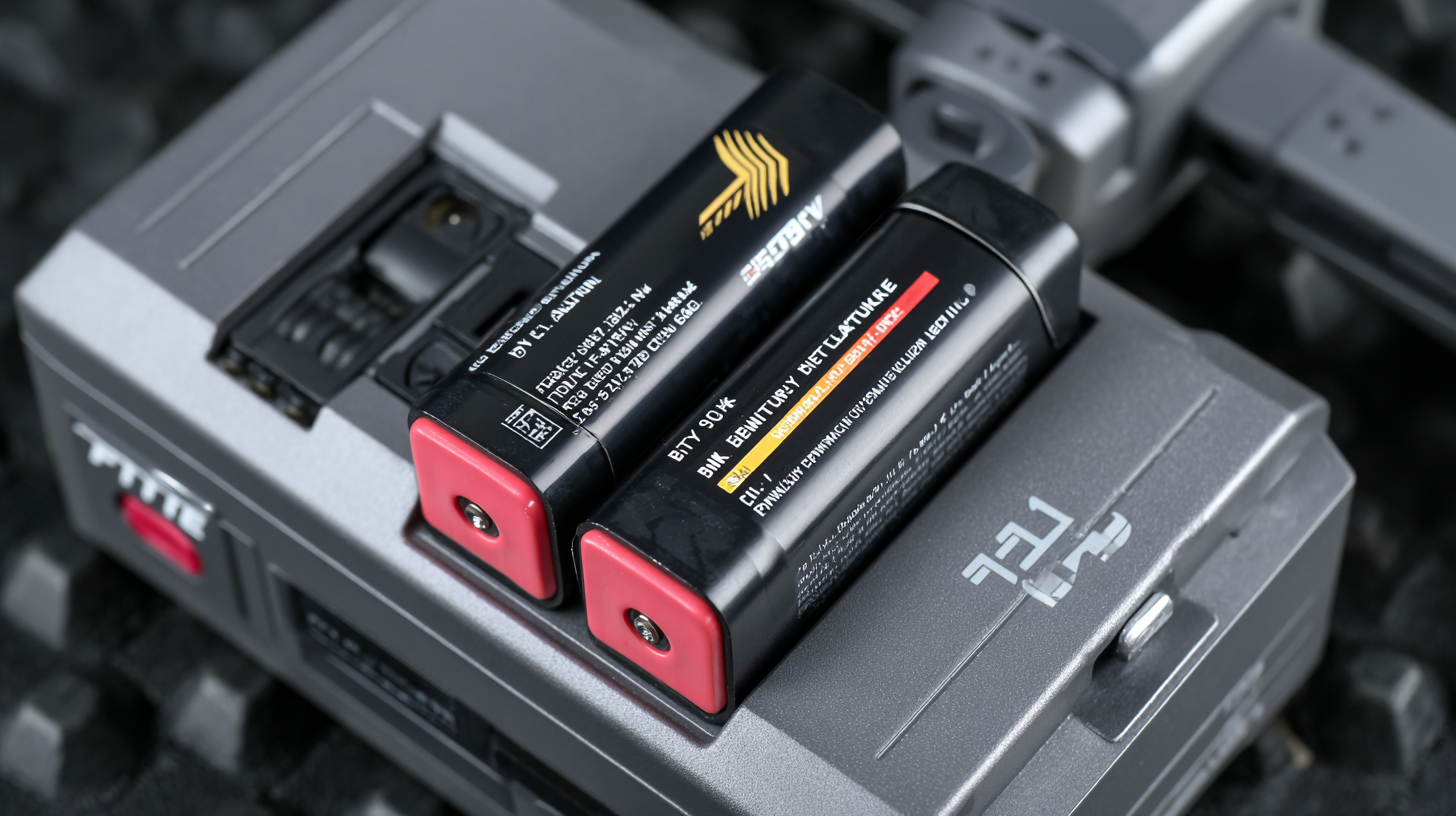
Choosing a high-performance battery for your drone? Well, there are a few important features to keep in mind that can really impact your flight time, efficiency, and just how well your drone does its thing. One of the biggies is energy density, which is all about how much energy a battery can pack in relative to its weight. A recent report from Drone Industry Insights shows that lithium polymer (LiPo) batteries are the top dogs here, offering the best energy density around. With these, you could be soaring for up to 30 minutes on consumer drones using 3S to 6S batteries. Compare that to the mere 10-15 minutes you’d get from batteries that just don’t cut it.
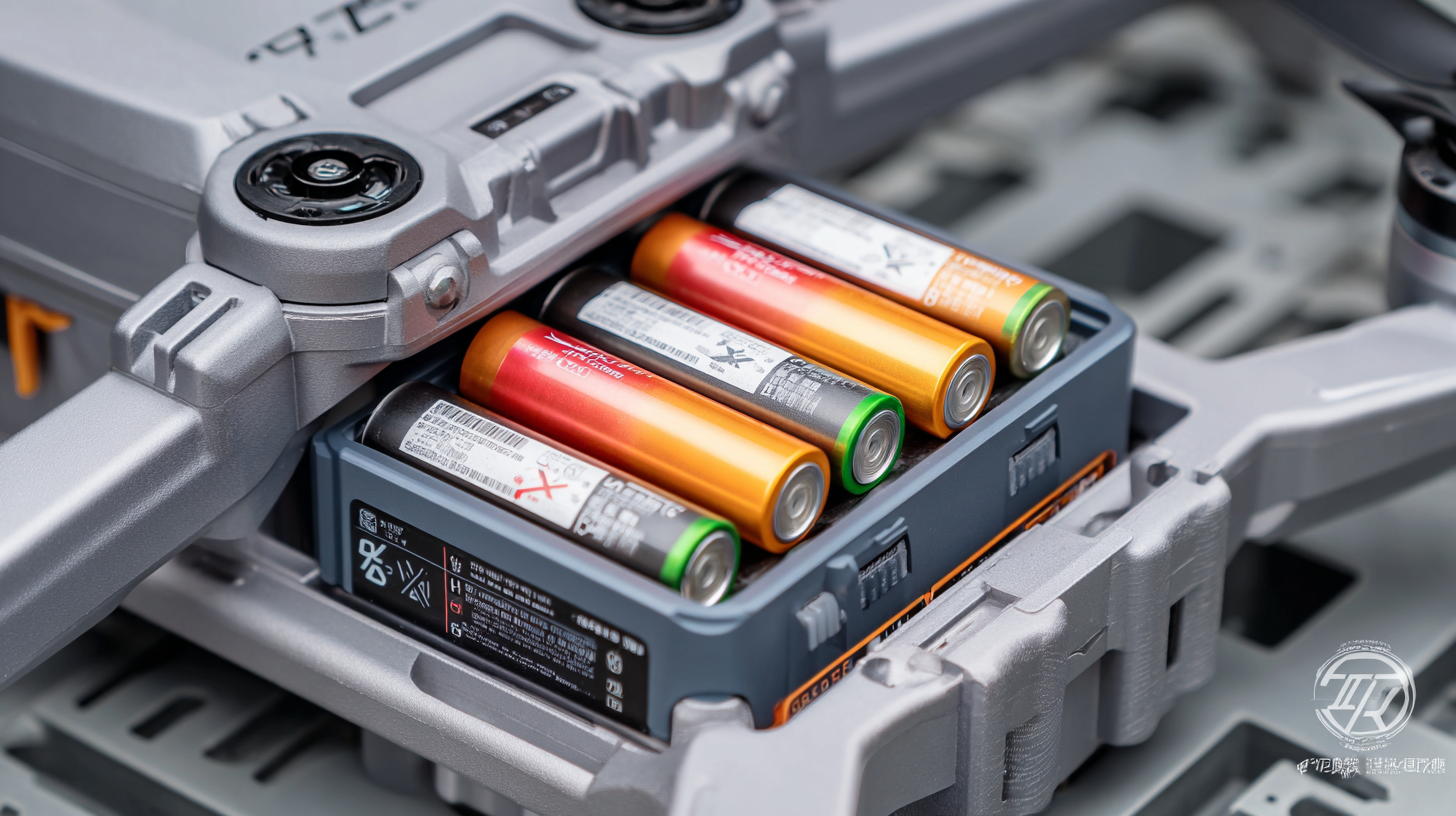
Now, let’s not forget about how fast those batteries charge. If they can juice up quickly, that means less downtime between flights, which is a huge win for operational efficiency! According to the latest stats, some advanced lithium-ion batteries can get to 80% charge in just about 30 minutes—pretty impressive, right? That’s a game changer for anyone in the commercial space. And hey, you also want to think about battery lifespan, often measured in charge cycles. Top-notch batteries can handle around 300-500 cycles, meaning you’ll really get your money’s worth before needing to swap them out. All these factors together can really shake things up for a drone's performance and how you can use it!
Comparative Analysis of Leading Drone Battery Brands
Choosing the right drone battery can feel a bit overwhelming, but don’t worry! It’s all about comparing the top brands out there. You’ve got a few big players in the game, like DJI, Venom, and Gens Ace, and they all have their own perks. For example, DJI’s lithium-polymer batteries are pretty well-known for being reliable and performing like champs. They typically range from 3000mAh to 6000mAh, which means you can enjoy flight times of around 25 to 30 minutes—pretty sweet, right? On the flip side, Venom batteries are a hit because they charge up super fast, so you can get back in the air with hardly any downtime.
Now, here’s a quick tip! When you’re checking out battery options, take a look at the C-rating. It tells you how fast the battery can discharge, and a higher C-rating usually means better performance. This is especially important if you’re into racing or doing aerial photography. Oh, and don’t forget about the warranty! A good warranty is a sign that the brand is confident in their product, which is always a plus.
Speaking of confidence, a recent report mentioned that the global drone battery market is on track to grow by about 12.5% every year. That really shows how crucial it is to invest in quality batteries. Gens Ace is getting quite popular, too, thanks to their lightweight design and high cycle life—perfect for hobbyists and pros alike. Just remember to compare specs and user reviews to find the battery that truly fits your needs.
Industry Trends: Future of Drone Battery Technology
You know, as drone tech keeps getting better and better, battery technologies for these flying machines are really on the brink of some major breakthroughs. Industry reports are buzzing about how the global drone battery market could hit around $5 billion by 2025, and it's growing at a whopping rate of 23.3% every year from 2020 to 2025. That's pretty wild, right? The main driver behind this growth is the skyrocketing demand for drones in all sorts of areas like agriculture, logistics, and even surveillance. Manufacturers are really focusing on creating lightweight, high-capacity lithium-polymer (LiPo) batteries that boost flight times—this means drones can travel further and haul heavier loads, which is super exciting!
But wait, there’s more! Along with material upgrades, the shift to new technologies like solid-state batteries could totally shake up the drone battery scene. Recent analyses suggest that these solid-state batteries might offer up to 50% more energy density than the usual LiPo batteries. Imagine drones flying longer and charging faster—how cool is that? On top of all this, there’s a growing concern for sustainability, which has the industry looking into biodegradable materials and recycling programs to help cut down on environmental impact. With all these trends in motion, the future of drone battery tech is looking pretty bright, and it's set to push the limits of what drones can do across so many different fields.
Drone Battery Capacity Trends (2019-2023)
This chart illustrates the increase in average drone battery capacity from 2019 to 2023, reflecting advancements in technology and consumer demand for longer flight times.
Expert Tips for Extending Your Drone Battery Life
So, if you want to really get the most out of your drone battery, there are some solid tips from the pros that can genuinely help. First up, regular maintenance is super important. Keeping your battery clean is a must, and making sure those connectors aren't all gunky helps you maintain a good connection. This, trust me, is a game changer for energy efficiency! Just think about it like your electric car—when it comes to charging, it’s best not to wait until your battery's running on fumes. Aim to give it a boost when it’s around 30% to 40%. This little habit can really stretch out your battery's life.
Also, keep in mind the environment when you're out flying your drone. Extreme temperatures, whether it’s boiling hot or freezing cold, can seriously mess with your battery's performance. So yeah, it’s probably not a great idea to fly in crazy weather. And try to store your batteries at a nice room temperature if you can. Oh, and one more thing—flying your drone smoothly, avoiding those wild rapid climbs or high-speed turns, can really save battery life. This way, you can enjoy longer flights—whether you’re trying to get that stunning aerial shot or are out there helping with a search and rescue. By sticking to these tips, you’ll definitely keep your drone ready for whatever adventure comes next!
Ultimate Guide to Choosing the Best Drone Battery: Expert Insights and Key Industry Statistics
| Battery Type | Capacity (mAh) | Voltage (V) | Charge Time (hrs) | Flight Time (mins) | Weight (g) |
| LiPo | 3000 | 11.1 | 1.5 | 25 | 200 |
| Li-ion | 4000 | 14.8 | 2 | 30 | 300 |
| NiMH | 2000 | 7.2 | 3 | 15 | 250 |
FAQS
: Battery capacity, measured in milliamp-hours (mAh), influences the flight time and overall usability of a drone. Higher capacity typically allows for longer flight durations, enhancing the performance of the drone.
The two common battery chemistries are lithium-polymer (LiPo) and lithium-ion (Li-ion). LiPo batteries offer higher discharge rates and are ideal for racing and fast applications, while Li-ion batteries may provide longer lifespan and efficient charging.
Energy density measures how much energy a battery can store for its weight. High energy density batteries, such as LiPo, can significantly increase flight times, allowing drones to stay airborne for longer periods.
Fast charging capabilities reduce downtime between flights, enabling quicker turnarounds for operational efficiency. Advanced lithium-ion batteries can charge up to 80% in about 30 minutes.
High-quality drone batteries can endure approximately 300-500 charge cycles, offering a good lifespan before requiring replacements.
Emerging trends include the development of solid-state batteries, which could provide 50% more energy density compared to traditional batteries, as well as increased focus on sustainability through biodegradable materials and recycling programs.
Safety ratings and regulations are crucial for ensuring reliability and compliance with standards, particularly as drone deliveries involving lithium batteries become more prevalent.
Evaluating battery compatibility ensures that the chosen battery can effectively power the drone, meeting performance requirements and adapting to the specific needs of different drone applications.
The global drone battery market is expected to grow significantly, driven by rising demand in various sectors like agriculture and logistics, leading manufacturers to focus on lightweight, high-capacity batteries.
Sustainability concerns are prompting the exploration of biodegradable materials and recycling initiatives in drone battery development, aiming to minimize the environmental impact of battery disposal.