Getting a grasp on how drone tech keeps evolving is pretty important, whether you're just into flying for fun or doing it professionally. As we head into 2025, one thing that’s really catching attention is the whole deal with the '5 Inch Drone Battery Size.' Honestly, the specs of these batteries—especially in the 5-inch class—are a big deal because they directly influence how well your drone performs, how long it can stay in the air, and how efficient it is overall. With new tech constantly coming out, it’s a good idea to stay aware of what options are out there and how they can change the game for your flying experience.
This guide is gonna break down why the 5 Inch Drone Battery Size matters so much and look at some of the latest developments shaping the industry. Drones are becoming more and more versatile, used for everything from hobby flying to commercial work, so understanding battery sizes and what they’re compatible with is key—whether you’re just flying for fun or have a business to run. We’ll go over different battery setups, their capacities, and what new tech might bring in the future, helping you make smarter choices to boost your drone’s performance now and down the line. Stick with us as we explore all the essential stuff you need to know to get the most out of your drone in 2025 and beyond.

Understanding Drone Battery Sizes: Importance for 5 Inch Drones
Understanding the battery sizes for 5 inch dronesis crucial for both enthusiasts and professionals alike. As drone technology continues to advance, the selection oF Battery size directly influences flight performance, weight distribution, and overall flight time. With 5 inch drones becoming increasingly popular for their agility and versatility, understanding the nuances of battery sizes will allow users to optimize their drones for specific applications, be it racing, aerial photography, or casual flying.
The importance of selecting the right battery size cannot be overstated. A well-chosen battery ensures that the drone achieves an optimal balance between power and weight, which is particularly vital for 5 inch models. A larger battery may provide longer flight times but could also lead to increased weight, potentially degrading performance and maneuverability. Conversely, a smaller battery may enhance agility but could limit the duration of flights. Therefore, understanding the specifications and capabilities of various battery sizes allows drone operators to make informed decisions tailored to their flying needs, thereby maximizing their flying experience and ensuring reliable performance in a variety of conditions.
Key Factors Affecting Battery Size for 5 Inch Drones in 2025
As the drone industry evolves, the battery size for 5-inch drones will be significantly influenced by various factors in 2025. One critical aspect is the demand for increased flight time and efficiency. Reports indicate that consumers are favoring drones with extended operational capabilities, pushing manufacturers to design batteries that not only support higher capacities but also maintain a lightweight structure. According to a recent industry forecast, advancements in lithium polymer (LiPo) technology are likely to yield batteries that can deliver more energy in smaller sizes, catering to the increasing performance expectations of hobbyist and professional drone pilots alike.
Another essential factor affecting battery size in 2025 is the rise of electric propulsion systems. The shift towards electric power is prompting innovations in battery chemistry, allowing for the integration of compact, high-output battery packs. Data from industry analysts predicts that by 2025, up to 70% of new 5-inch drone models will utilize advanced battery configurations, which promise improved charging cycles and heat management. These considerations not only enhance the endurance of flights but also contribute to the overall safety and reliability of drone operations.
Tips for drone enthusiasts in 2025: Prioritize weight-to-power ratio when selecting a battery for your 5-inch drone, as this will directly affect your flight performance. Ensure that you stay updated with advancements in battery technology; attending industry expos and engaging with technical forums can provide insights into the latest innovations. Lastly, always perform proper maintenance on your batteries to maximize longevity and performance, keeping them stored in optimal conditions to avoid deterioration.
Standard Battery Sizes for 5 Inch Drones: What You Should Know
As drone technology continues to evolve, understanding standard battery sizes for 5-inch drones is crucial for enthusiasts and professionals alike. As of 2025, the most common battery configuration for 5-inch racing drones is the 4S (14.8V) lithium polymer battery. This configuration provides an optimal balance between weight and power, enabling drones to achieve impressive flight times of approximately 5-10 minutes under standard racing conditions. According to industry data, the average capacity for 4S batteries typically ranges from 1300mAh to 2200mAh, with higher capacities offering longer flight durations but at the cost of added weight.
Moreover, emerging trends indicate a growing interest in 6S (22.2V) batteries for those seeking enhanced performance. This shift is attributed to the increased voltage providing greater power and responsiveness, essential for competitive racing scenarios. Reports highlight that 6S batteries are becoming more popular, with capacities often around 1300mAh to 1800mAh, which can yield similar or improved flight times compared to their 4S counterparts, depending on the load and flying style. As drone enthusiasts explore these battery options, understanding their specifications and implications on performance is vital for optimizing both recreational and competitive experiences.
Essential Guide to 5 Inch Drone Battery Size in 2025
| Battery Size (mAh) | Voltage (V) | Weight (g) | Typical Flight Time (min) | Charging Time (hrs) |
| 1300 | 4.0 | 150 | 5-7 | 1.5 |
| 1500 | 4.2 | 180 | 7-9 | 1.7 |
| 1800 | 4.3 | 210 | 9-11 | 2.0 |
| 2200 | 4.4 | 240 | 10-12 | 2.5 |
| 2700 | 4.5 | 270 | 11-13 | 3.0 |
Performance Metrics: Capacity and Voltage Requirements for 5 Inch Drones
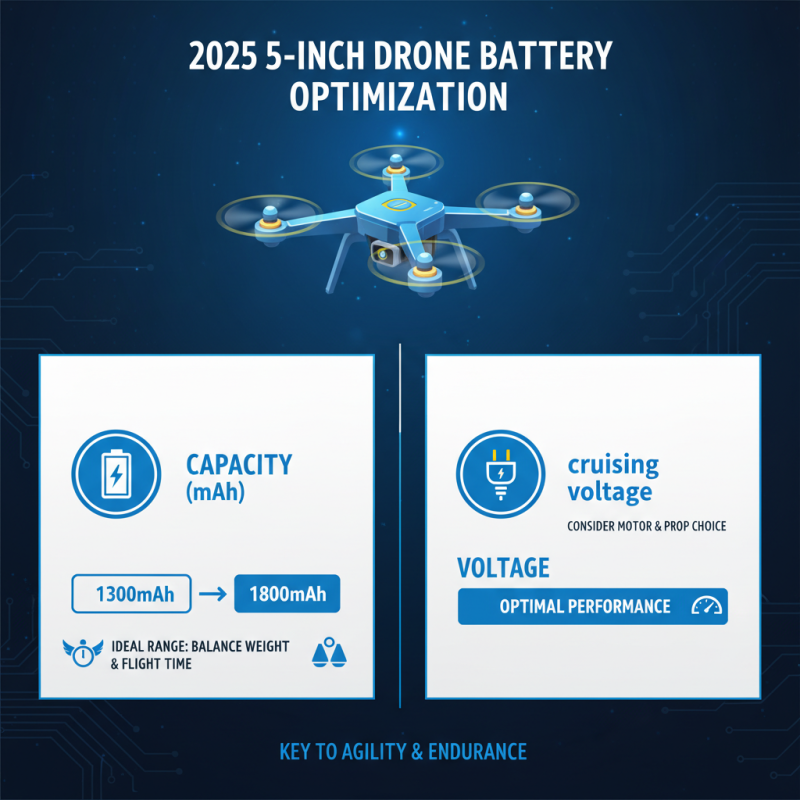
When it comes to 5 inch drones in 2025, performance metrics such as battery capacity and voltage requirements are crucial for optimizing flight experience. The ideal capacity for a drone battery typically ranges between 1300mAh to 1800mAh, striking a balance between weight and flight time. A higher capacity enables longer flights, but pilots must consider the weight added by bigger batteries, which can affect agility and maneuverability. Therefore, selecting an appropriate battery size is key to achieving desired performance levels without sacrificing drone dynamics.
Voltage requirements also play a significant role; most 5 inch drones operate optimally on 4S (14.8V) batteries. This voltage allows for a strong thrust-to-weight ratio, ensuring responsive control during flights. Higher voltage options, like 6S, offer increased power but can lead to shorter flight times and require careful consideration regarding the drone's motor specifications and weight limitations. Understanding the interplay between capacity and voltage will empower drone enthusiasts to make informed choices, enhancing their flying experiences in a rapidly evolving technological landscape.
Future Trends in Drone Battery Technology and Size Optimization
As the demand for drones continues to soar, the importance of battery technology becomes increasingly evident. In 2025, we can expect significant advancements in battery size and efficiency, particularly for 5-inch drones. Emerging technologies such as lithium-sulfur batteries and solid-state batteries are on the horizon, promising to deliver greater energy density while reducing weight. These innovations will enable longer flight times and enhanced performance, making them crucial for both recreational and commercial applications.
When considering drone battery options, users should focus on weight-to-energy ratio and charging times. A lighter battery with faster charging capabilities can improve the overall flight experience. Additionally, keep an eye on modular battery designs, which allow for easy swapping and reduce downtime during operations. This flexibility can enhance productivity for drone enthusiasts and professionals alike.
Tips: Always check the compatibility of new battery technologies with your drone model before purchasing. Monitoring battery health and adhering to recommended charging cycles can significantly extend battery life. Lastly, staying informed about the latest trends in drone battery technology will help you make educated decisions for your aerial needs.
Battery Size Trends for 5 Inch Drones (2020-2025)
Best Practices for Choosing the Right Battery for Your 5 Inch Drone
When selecting the right battery for your 5-inch drone in 2025, several key factors should be taken into consideration. Firstly, the capacity of the battery, measured in milliampere-hours (mAh), plays a crucial role in determining flight time. A higher capacity battery may offer longer flight durations, but it's essential to balance this with the drone's weight limits to maintain optimal performance. Ensure that the weight of the battery does not significantly affect the drone's agility and handling, which are critical for various flying conditions.
Another important factor is the discharge rate, indicated by the C rating. A higher C rating allows the battery to deliver more power quickly, essential for demanding maneuvers and rapid acceleration. When selecting a battery, it's vital to assess the power requirements of the drone's motors and other electronics. Additionally, consider the battery's size and form factor to ensure compatibility with your drone's design. Properly fitting the battery is essential not only for performance but also for safety, preventing potential hazards caused by loose connections or excessive strain on the drone’s structure.
Impact of Battery Size on Flight Time and Overall Drone Performance
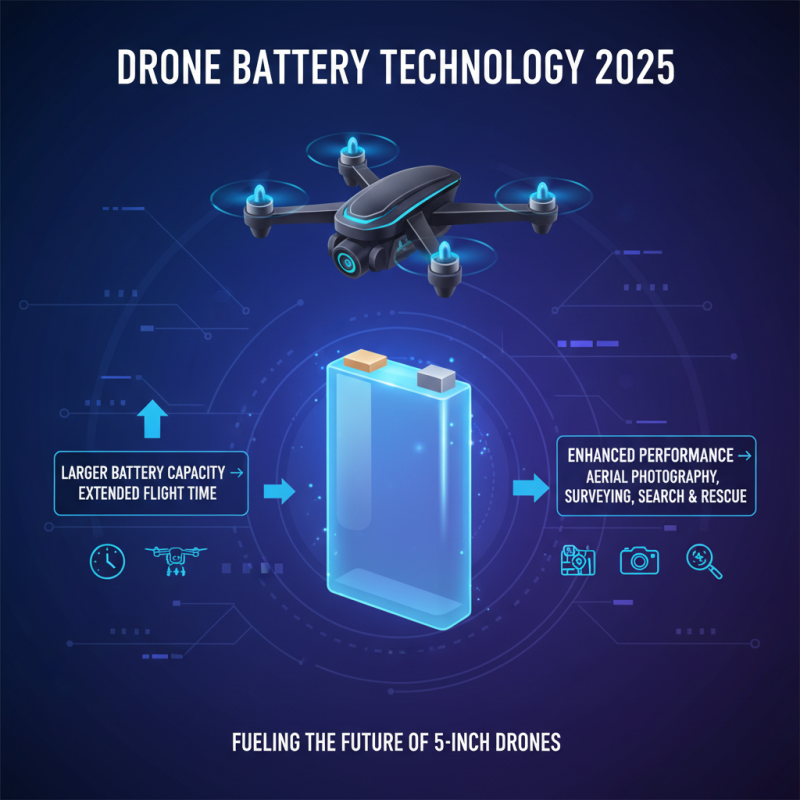
The size of a drone battery plays a pivotal role in determining the flight time and overall performance of the drone. As we look ahead to 2025, advancements in battery technology are set to reshape the capabilities of 5-inch drones. A larger battery typically enables longer flight times, allowing pilots to conduct extended missions without the need for frequent recharges. This increased capacity can significantly enhance the utility of drones for various applications, including aerial photography, surveying, and search and rescue operations.
Moreover, the weight-to-capacity ratio of the battery is crucial for overall drone performance. Heavier batteries can adversely affect flight dynamics, making the drone less agile and responsive. Conversely, a well-optimized battery size not only improves flight time but also contributes to better maneuverability and stability. In an era where precision and efficiency are paramount, understanding the relationship between battery size and drone performance will be essential for enthusiasts and professionals alike. The right balance between battery capacity and weight will dictate the evolution of drone design and usage in the coming years.
Maximize Drone Performance with JENTC 6s 16000mAh 15C Semi-Solid Battery: A Comprehensive Guide
When it comes to optimizing drone performance, choosing the right battery is crucial. The JENTC 6s 16000mAh 15C semi-solid battery stands out with its impressive capacity and advanced design. With a 16000mAh capacity, this battery significantly extends flight times, allowing users to maximize productivity during aerial operations. Studies indicate that battery capacity is a primary determinant of drone operational efficiency, making this high-capacity option a formidable choice for both hobbyists and professionals.
The semi-solid technology employed in this lithium polymer battery not only enhances safety but also improves performance reliability under various conditions. Operating at a voltage of 22.8V, this battery can deliver consistent power required for demanding applications, including photography, surveying, and search and rescue missions. Additionally, certifications such as RoHS, CE, and FCC indicate compliance with international standards, thus ensuring users can trust in the quality and safety of their power source.
Furthermore, with a warranty ranging from 3 months to 1 year, users can have peace of mind while utilizing this battery for their drones. Reports from the UAV industry highlight the importance of durability and long-lasting performance in battery selection, reinforcing the choice of the JENTC 6s semi-solid battery for those seeking to enhance their drone capabilities. As the drone market continues to expand, selecting a high-performance battery becomes increasingly vital to ensure optimal functionality and efficiency.
FAQS
: The most common battery configuration for 5-inch racing drones is the 4S (14.8V) lithium polymer battery.
4S batteries typically enable flight times of approximately 5-10 minutes under standard racing conditions.
The average capacity for 4S batteries typically ranges from 1300mAh to 2200mAh.
6S batteries are becoming more popular due to their higher voltage, which provides greater power and responsiveness, essential for competitive racing scenarios.
The capacities for 6S batteries often range around 1300mAh to 1800mAh.
Pilots should consider the balance between battery capacity, weight, flight time, and the drone's agility and maneuverability.
Voltage requirements impact the thrust-to-weight ratio and control responsiveness; most 5-inch drones operate optimally on 4S batteries, while higher voltages like 6S can provide increased power but may reduce flight times.
The ideal battery capacity for optimizing the flight experience typically ranges between 1300mAh to 1800mAh.
Higher capacity batteries can offer longer flight durations but may add weight, affecting the drone's agility and maneuverability.
Understanding the interplay between battery capacity and voltage is vital for making informed choices that enhance flying experiences.
Conclusion
The article "Essential Guide to 5 Inch Drone Battery Size in 2025" offers a comprehensive overview of the critical aspects of battery sizes specifically tailored for 5-inch drones. Understanding the importance of 5 Inch Drone Battery Size is vital for ensuring optimal performance, as it affects factors like flight time and overall efficiency. Key considerations such as capacity, voltage requirements, and the impact of battery size on performance metrics are discussed, providing insights into how these elements are interconnected.
Furthermore, the article delves into future trends in drone battery technology and size optimization, highlighting best practices for selecting the most suitable battery for your 5-inch drone. By being informed about standard battery sizes and their implications, drone enthusiasts and professionals alike can make educated decisions that significantly enhance their flying experience in 2025 and beyond.