As drone tech keeps getting better and more advanced, you really can't overlook how important Uav Batteriesare. These batteries are pretty much the heartbeat of any drone — they affect everything from how well it performs and how efficiently it runs to how long it can stay in the air. Thanks to improvements in Battery Tech, we’re seeing some pretty exciting innovations popping up across different fields like farming, delivery services, and security.
One company that's been leading the charge since 2011 is Shenzhen Jentc Technology Co., Ltd. They’re known for their high-quality lithium batteries, including some pretty cool stuff like 4.4V high-voltage batteries, fast-charging lithium options, and batteries for Automated Guided Vehicles (AGVs). Jentc is really dedicated to shaping the future of UAV batteries, and in this guide, I’ll walk you through the latest trends, breakthroughs, and obstacles in this space — showing how companies like Jentc are pushing the boundaries to develop the next-gen drone tech.
Challenges in Current UAV Battery Technologies
You know, the rapid progress we're seeing in drone technology really hinges a lot on how good their batteries are getting. Right now, battery tech for UAVs faces some pretty common issues like limited energy capacity, long charging times, and how long they last before needing a swap. I came across a report from MarketsandMarketsthat says the UAV Battery market could hit around$1.64 billion by 2026 — all thanks to the ongoing push for better energy solutions that can boost flight times and carry heavier loads. That said, most lithium-ion batteries out there still aren’t quite up to the task; they don’t pack enough punch energy-wise, which limits how far or what these drones can do, especially in commercial settings.
At Shenzhen Jentc Technology, we totally get these hurdles, and we're all about pushing the envelope with smarter, more powerful battery options. Our lineup includes high-performance lithium batteries—like our 4.4V high-voltage models and quick-charging versions—that are built to handle the tough demands of UAV use. We’ve managed to cut charging times by up to 30% compared to standard batteries, which means users can get back in the air faster and also enjoy longer overall lifespans for their drones. As everyone eyes longer flights and heavier payloads, it’s pretty clear: breakthroughs in battery tech are going to be a game-changer for where drone tech is headed.
Exploring the Limitations of Lithium-Ion Batteries for Drones
You know, as drone tech keeps advancing, it’s pretty clear that those old lithium-ion batteries are hitting their limits. I mean, they’ve powered tons of drones because they’re high on energy and can be recharged easily. But honestly, there are some pretty big downsides too. For starters, most drones don’t get to fly for more than maybe an hour, tops. That’s mostly because the batteries have to be big and heavy enough to give enough juice, which then cuts into how much stuff the drone can carry and how far it can go.
Plus, these batteries don’t exactly get better with age. Over time, they lose efficiency, which means more maintenance and more hassle for the folks operating the drones. And don’t forget, sudden changes in temperature can mess with their performance—making them less reliable no matter where you're flying. So yeah, it’s pretty obvious that we need better solutions. Luckily, researchers and manufacturers are now exploring some pretty exciting options like solid-state batteries and fuel cells. These new techs could mean longer flights, lighter drones, and safer, more powerful machines. It honestly feels like we’re on the brink of a whole new era in aerial tech—pretty exciting stuff, right?
The Future of UAV Batteries: Limitations of Lithium-Ion Batteries for Drones
This bar chart illustrates the capacity (in Wh/kg) and energy density (in Wh/L) of various battery technologies in relation to lithium-ion batteries. As UAV technology advances, understanding these limitations will be crucial for developing next-generation aerial solutions.
The Impact of Battery Weight on UAV Performance and Range
When it comes to drones and other unmanned aerial vehicles (UAVs), a lot hinges on the batteries they use. As drone tech keeps improving, there's a real rush to develop batteries that are both super lightweight and pack a punch in terms of capacity. Because, honestly, a lighter battery not only helps the drone fly longer, but it also lets you carry more stuff—whether you're into aerial photography or doing deliveries. It’s pretty exciting how these small changes can really open up new possibilities.
Here at Shenzhen Jentc Technology Co., Ltd., we’re all about pushing the envelope with high-performance lithium batteries for UAVs. We design products like 4.4V high-voltage batteries and fast-charging lithium batteries that are built tough to handle the demands of drone operations. Our main goal is to cut back on battery weight without sacrificing energy, so we can help power the next wave of aerial innovation. It’s really cool to think about how our work can help drones do even more across different industries — pretty inspiring stuff.
The Future of UAV Batteries Shaping the Next Generation of Aerial Technology
| Battery Type | Weight (g) | Capacity (mAh) | Voltage (V) | Max Flight Time (min) | Range (km) |
| LiPo 4S | 450 | 5000 | 14.8 | 25 | 15 |
| Li-ion 18650 | 320 | 3000 | 3.7 | 35 | 20 |
| LiPo 6S | 600 | 10000 | 22.2 | 35 | 25 |
| Solid-State | 500 | 8000 | 3.7 | 50 | 30 |
Innovative Alternatives: Solid-State Batteries and Their Benefits
You know, as drone technology keeps evolving, there's a real buzz around finding better, more reliable ways to power these flying machines. One of the coolest breakthroughs lately? Solid-state batteries. Unlike the old-school lithium-ion ones, these batteries ditch the liquid electrolyte for a solid material, which means they're way safer and pack more punch in terms of energy. That means drones can fly longer and carry heavier gear without breaking a sweat—talk about pushing past old limits!
But it’s not just about performance. Solid-state batteries are pretty tough when it comes to high temperatures and harsh environments, making them perfect for all kinds of drone jobs — whether it's farming, search-and-rescue, or even military missions. Plus, they’re less flammable, which is a big plus for safety, especially in commercial and military settings. As manufacturers get better at making these batteries at scale, I really think the future of drone tech is about to get a serious upgrade thanks to these solid-power innovations.
Addressing Charging Times: A Key Issue for UAV Operations
As the demand for drones and other UAVs keeps growing, one of the biggest headaches is how long they take to recharge. You see, traditional batteries need quite a bit of time to get back to full power, which can really put a damper on mission plans — limiting how often or how long these devices can stay in the air. To really make these UAVs more efficient, we’ve gotta find smarter battery tech solutions that can break these barriers. After all, nobody wants their drone stuck on the ground forever, right?
One of the coolest advancements happening right now is fast-charging battery systems. These can slash the time it takes to charge, all while keeping the batteries performing well enough for long flights. Some new materials and clever design tweaks are making this possible, so drones can zip back into action quickly, boosting what they can do. Plus, having charging stations set up in key spots can make a huge difference — imagine swapping out or topping up batteries without missing a beat.
A few handy tips to keep UAV operations smooth during charging? For starters, smart battery management systems really help by optimizing the charging cycles. Regular maintenance of batteries is also key — it keeps them working at their best and prevents efficiency loss over time. And if you're thinking long-term or remote deployments, solar-powered charging options can be a game changer. All in all, focusing on these strategies means operators can get more out of their UAVs and stay a step ahead, tackling aerial tasks more effectively and pushing the limits of drone tech.
Future Trends: The Role of AI in Optimizing Battery Efficiency
As the aviation world keeps evolving, everyone's really buzzing about UAV battery tech these days. And honestly, AI is stepping in as a total game-changer. It’s helping us come up with smarter ways to make batteries last longer and work better. By using AI algorithms, developers can fine-tune charging routines, predict how long a battery will actually last, and keep track of performance stats. All of this means drones can stay in the air longer and go farther without needing a recharge every few minutes.
Here’s a little tip: To really squeeze the most out of your batteries, try implementing machine learning models that analyze performance data as it happens. It can help you set up maintenance schedules that catch potential issues early, so batteries don’t fail unexpectedly, and your drone stays reliable.
Plus, there's exciting stuff happening with new battery chemistry. Things like solid-state batteries are about to shake things up—offering way more energy storage and faster charging speeds. That’s a huge plus for aerial use where every second counts.
Another tip: Make it a habit to regularly test out different battery setups to see what works best for your specific needs. Being proactive like this will help you pick the right tech to keep things running smoothly and cut down on downtime.
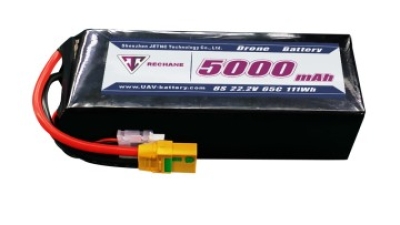
Maximize Your Drone's Performance with JENTC Lipo Battery: A Comprehensive Review of the 6s 5000mah 65c Semi-Solid State Option
The JENTC FPV 6s 5000mAh 65C lithium polymer battery stands out as a premier option for drone enthusiasts seeking to enhance their flight experience. Designed explicitly for UAV applications, this battery provides a stable output of 22.2V, ensuring that your drone maintains optimal performance even during demanding aerial tasks. Whether you are racing through the skies or capturing breathtaking aerial footage, the JENTC battery delivers the power and reliability you need.
Safety and reliability are paramount when choosing a battery, and the JENTC model does not disappoint. Holding certifications from RoHS, CE, and FCC, this battery assures users of its compliance with international safety standards. This means you can operate your drone with confidence, knowing that it is powered by a safe and robust source. Additionally, the option for custom logos and packaging allows for a personalized touch, making it a fantastic choice for both individual users and businesses looking to brand their drone products effectively.
By opting for the JENTC Lipo battery, you are investing in a product that combines cutting-edge technology with safety and customization. This 6s 5000mAh 65C semi-solid state battery could very well be the game-changer your drone has been waiting for. Experience the difference in performance and take your aerial adventures to new heights with confidence.
FAQS
The UAV battery market is projected to reach $1.64 billion by 2026, driven by the demand for more efficient energy solutions to enhance flight time and payload capacity.
Shenzhen Jentc Technology Co., Ltd. focuses on pioneering innovative battery solutions, such as high-performance lithium batteries that feature reduced charging times and extended operational lifecycles.
Fast-charge battery systems can significantly reduce charging times while maintaining performance, enabling UAVs to fly longer missions with less downtime in between flights.
Operators can use battery management systems to optimize charging cycles, maintain batteries regularly, and consider alternative charging solutions like solar panels for extended deployments.
Lengthy charging times can limit the duration and frequency of UAV missions, thereby impacting overall operational efficiency and mission capabilities.
Continued innovations in battery design and materials are expected, which will enhance energy density, reduce charging times, and improve the overall performance and reliability of UAVs.
Addressing charging times is crucial as it directly impacts the operational efficiency, mission frequency, and overall capabilities of UAVs in various applications.
Conclusion
The future of UAV batteries is really set to shake up aerial tech as we know it. Right now, lithium-ion batteries are pretty much the go-to, but they’ve got their downsides—like being heavy and taking ages to charge—which can really hold back how UAVs perform and operate. As we push for longer flights and better power-to-weight ratios, folks are looking into cool new options like solid-state batteries. These next-gen batteries aren’t just about packing more energy—they’re also safer and last longer, which is a big win.
On top of that, AI is going to be a game-changer when it comes to keeping these batteries running smoothly and boosting overall efficiency. Companies like Shenzhen Jentc Technology are working hard on high-performance lithium batteries, focusing on making solutions that fit the growing needs of drone tech. As the tech keeps evolving, it’s pretty exciting to think about how much better UAV batteries will get—and how they’ll help make drones smarter, more efficient, and more reliable in the future.