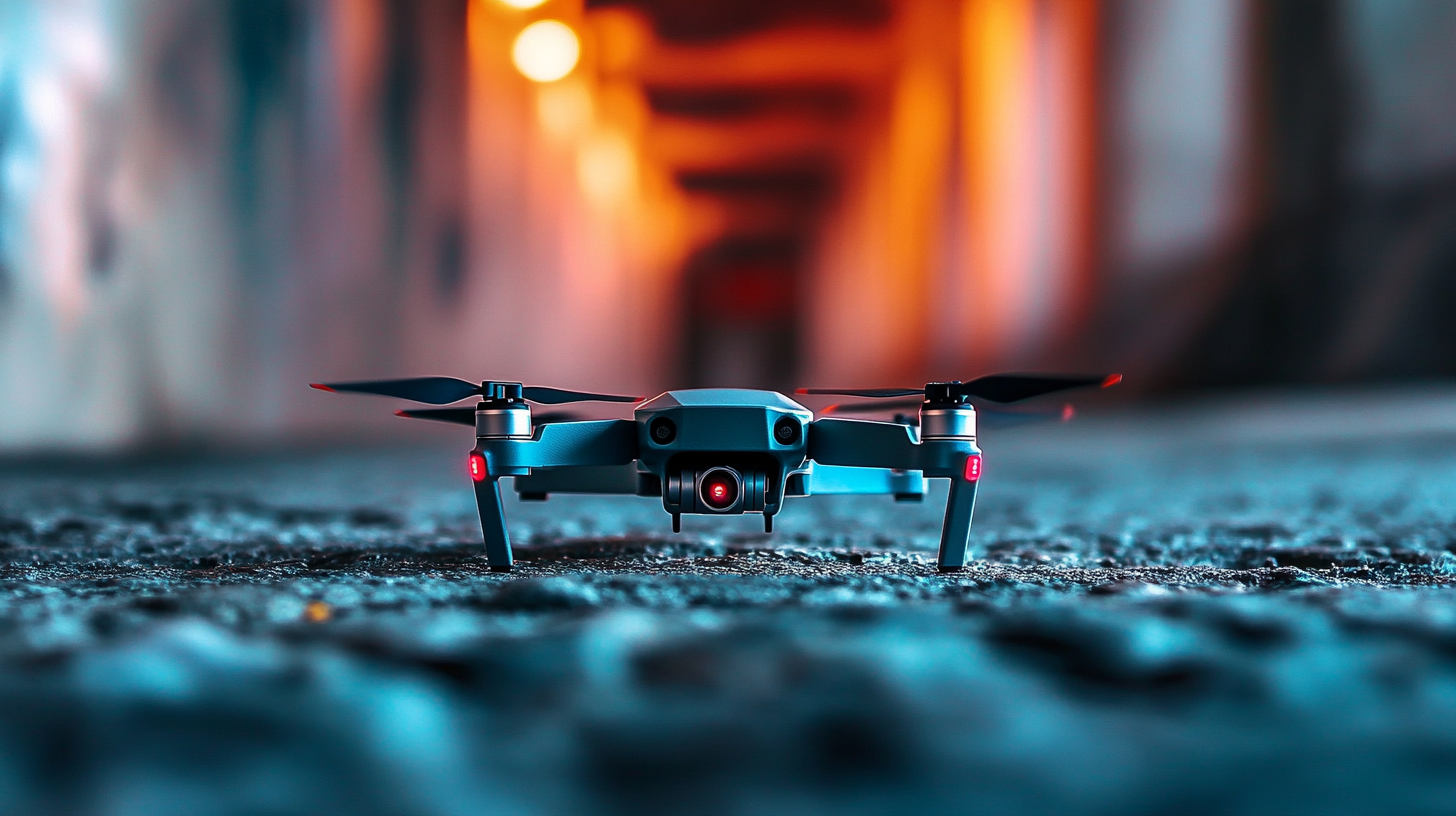
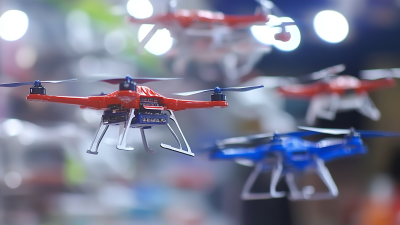
As the drone industry continues to evolve, the demand for efficient and reliable power solutions has never been greater. Central to this advancement is the development of innovative Mini Drone Battery technologies that enhance flight duration and performance.
At Shenzhen Jentc Technology Co., Ltd., known for its high-performance lithium Battery Solutions since 2011, we are committed to leading the charge in this arena. Our diverse product range, including4.4V high-voltage batteries, fast-charge lithium batteries, and AGV lithium batteries, positions us at the forefront of mini-drone power innovations.
In this blog, we will explore the future of drone power solutions, highlighting how advancements in Mini Drone Battery technology are shaping the way we think about aerial mobility and efficiency.
Join us as we delve into the exciting developments that promise to redefine the capabilities of mini drones.
The Rise of Mini Drones: An Overview of Current Market Trends and Innovations
The rise of mini drones has transformed the landscape of the unmanned aerial vehicle (UAV) industry, catering to diverse applications ranging from photography and agriculture to logistics and surveillance. Current market trends indicate a significant shift toward more compact, agile drones that boast enhanced capabilities and versatility. As the demand for mini drones surges, manufacturers are focusing on lightweight designs and advanced features to meet consumer expectations for performance and usability.
Innovations in battery technology are crucial to this evolution. Mini drone batteries are evolving to provide longer flight times and faster charging, addressing one of the most significant limitations in UAV use: battery life. Lithium polymer (LiPo) batteries have long been a standard, but emerging technologies, such as lithium-sulfur and solid-state batteries, promise to deliver higher energy densities and improved safety.
These advancements will not only allow for extended operational durations but also enhance the overall efficiency and reliability of mini drones, paving the way for broader applications in various sectors. As we look to the future, the integration of cutting-edge battery solutions will be pivotal in driving the mini drone market forward.
Understanding Mini Drone Battery Types: Lithium-ion vs. Solid State Technologies
As the drone industry continues to expand, the types of battery technology powering these mini aerial vehicles are evolving rapidly. Two of the most prominent contenders are lithium-ion and solid-state batteries. According to a recent report by Markets and Markets, the global lithium-ion battery market is projected to reach $129.3 billion by 2027, driven largely by growing demand in consumer electronics and electric vehicles. However, while lithium-ion technology has been the traditional choice for mini drones due to its relatively high energy density and established manufacturing processes, it faces limitations in safety, longevity, and thermal stability.
In contrast, solid-state batteries present innovative solutions that could redefine mini drone operations. With a projected market growth rate exceeding 27% CAGR from 2021 to 2026, as reported by Research and Markets, solid-state technology promises significant advantages, such as higher energy density and greatly reduced risk of overheating. This emerging technology utilizes a solid electrolyte rather than a liquid one, thereby improving safety and stability, crucial for commercial applications. With advancements in battery innovations, the future of drone power solutions is set to shift dramatically, paving the way for longer flight times and enhanced operational capabilities.
Key Drivers of Mini Drone Battery Innovations in 2023: Efficiency and Energy Density
The landscape of mini drone battery innovations is rapidly evolving, driven largely by the demands for efficiency and energy density in 2023. According to a report by MarketsandMarkets, the global drone battery market is projected to grow from $1.1 billion in 2021 to $2.5 billion by 2026, highlighting a significant push towards advanced battery technologies. Mini drones, in particular, require batteries that can provide not only longer flight times but also rapid charging capabilities to optimize performance and usability.
Shenzhen Jentc Technology Co., Ltd. stands at the forefront of this evolution, offering specialized lithium battery solutions that align perfectly with market demands. With products like 4.4V high-voltage batteries and fast-charging lithium batteries, Jentc Technology is well-positioned to support advancements in mini drone applications. Recent innovations in energy density are allowing manufacturers to pack more power into smaller packages, crucial for enhancing the efficiency of mini drones, which often operate in space-constrained environments. As the industry moves toward more sophisticated energy solutions, the role of high-performance batteries will be central to unlocking the full potential of drone technology.
The Future of Drone Power Solutions Shifting Towards Best Mini Drone Battery Innovations
| Innovation Type | Efficiency (%) | Energy Density (Wh/kg) | Charge Time (hrs) | Lifespan (cycles) |
| Lithium Polymer | 85 | 250 | 1.5 | 300 |
| Lithium Ion | 90 | 210 | 2.0 | 500 |
| Solid State | 95 | 300 | 1.0 | 1000 |
| Lithium Iron Phosphate | 80 | 170 | 2.5 | 2000 |
Leading Battery Manufacturers: Who’s Paving the Way for Drone Power Solutions?
The drone industry is experiencing a rapid transformation, driven by advancements in battery technology, with significant contributions from leading battery manufacturers. Recent reports indicate that the Energy Storage for Unmanned Aerial Vehicles market is projected to expand significantly, with expectations to reach a substantial valuation by 2030. This growth is largely fueled by the increasing adoption of drones in various sectors, including agriculture, logistics, and surveillance, where efficiency and extended flight times are crucial.
Amprius recently secured a noteworthy $15 million purchase order to supply its innovative battery technology, specifically designed for Unmanned Aerial Systems (UAS). This illustrates the mounting demand for high-performance power solutions that can support the evolving capabilities of drones. Additionally, industry players like Ufine and Neuron Energy are actively showcasing their advanced lithium battery technologies, which are essential for driving longer flight durations and enhancing overall performance in the burgeoning UAV market.
As the landscape evolves, the importance of sustainable energy storage becomes evident. Companies are not only innovating in battery technology but also addressing the environmental impact by focusing on sustainable practices. This multifaceted approach is pivotal for the future of drone operations, indicating that battery innovation will be at the forefront of the industry's growth trajectory.
The Role of AI and Machine Learning in Optimizing Drone Battery Performance
As drone technology continues to advance, the integration of artificial intelligence (AI) and machine learning into drone battery systems is proving to be a game-changer. These technologies are revolutionizing how we approach battery performance optimization, enabling drones to operate more efficiently and for longer durations. By utilizing AI algorithms, drone batteries can adapt to varying conditions, analyzing factors such as load, temperature, and usage patterns in real time. This adaptive capability helps in extending battery life and optimizing power output, ensuring that drones can meet the demands of both commercial applications and recreational use.
Moreover, machine learning models can predict battery failure and maintenance needs, allowing for proactive measures before issues arise. This predictive analysis not only enhances the reliability of drone operations but also reduces downtime, which is crucial for industries that rely on drone technology for logistics, agriculture, or surveillance. The synergy between AI, machine learning, and mini drone battery innovations is paving the way for a future where drones can achieve unprecedented performance levels, ultimately transforming the landscape of aerial solutions.
Future Prospects: What the Next Decade Holds for Mini Drone Power Systems
As we look towards the next decade, the landscape of mini drone power systems is poised for significant transformation. The drive for longer flight times and improved performance has led to groundbreaking innovations in battery technology. Solid-state batteries and lithium-sulfur alternatives are emerging as frontrunners, promising to offer higher energy densities and faster charging capabilities. These advancements will not only extend flight durations but also enhance safety by reducing the risks associated with traditional lithium-ion batteries.
Furthermore, integration of renewable energy sources into drone design is on the rise, enabling mini drones to harness solar energy or develop hybrid systems. This shift not only increases sustainability but also aligns with global goals for greener technologies. As intelligent energy management systems become more sophisticated, they will optimize power usage in real-time, ensuring drones can adapt to changing conditions and maximize their operational efficiency. With these innovations, the next decade looks bright for mini drones, heralding a new era of performance and sustainability in aerial technology.
The Future of Drone Power Solutions: Mini Drone Battery Innovations
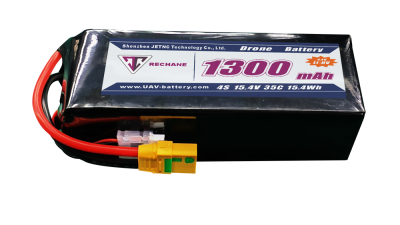
Revitalize Your Drone Experience: Unleashing the Power of JENTC 4S 1300mAh LIHV Semi-Solid State Battery
Revitalize Your Drone Experience: Unleashing the Power of JENTC 4S 1300mAh LIHV Semi-Solid State Battery
When it comes to enhancing your drone's performance, selecting the right battery can make all the difference. The JENTC 4S 1300mAh LIHV semi-solid state battery stands out as a superior option for both hobbyists and professional drone operators. With a remarkable capacity of 1300mAh and a voltage of 14.8V, this battery is designed to provide sustained power and reliable performance during flights. According to the latest industry reports, a high-capacity battery can significantly extend flight times while delivering consistent power output, thereby improving overall user experience in aerial photography and racing.
The JENTC battery is not just about capacity; it's built with cutting-edge technology. As a custom lithium battery pack that meets rigorous safety standards—certified by RoHS, CE, and FCC—it ensures safe operation while enhancing the drone's efficiency. This semi-solid state design not only contributes to a lighter weight profile but also allows for versatile applications across various drone platforms. The assembly type of 3S1P provides flexibility that fits a wide array of consumer electronics, making it the go-to choice for enthusiasts looking to upgrade their drone capabilities.
Backup support is critical in the fast-paced world of technology. With a warranty period ranging from 3 months to 1 year, the JENTC battery demonstrates confidence in its longevity and performance. Furthermore, the ability to purchase via popular payment methods such as PayPal adds a layer of convenience for users. Investing in the JENTC 4S 1300mAh LIHV semi-solid state battery means equipping your drone with a power source that not only revitalizes your flying experience but also propels it to new heights.
FAQS
: Mini drones are used in various applications including photography, agriculture, logistics, and surveillance.
The demand for mini drones is surging due to their compactness, agility, enhanced capabilities, and versatility in various industries.
Innovations in battery technology are critical as they provide longer flight times, faster charging, and improved energy density, addressing significant limitations in UAV use, particularly battery life.
Lithium polymer (LiPo) batteries are commonly used, but emerging technologies like lithium-sulfur and solid-state batteries are becoming more prevalent due to their higher energy density and safety improvements.
The global drone battery market is projected to grow from $1.1 billion in 2021 to $2.5 billion by 2026, indicating a substantial push towards advanced battery technologies.
Notable companies leading in battery technology for drones include Amprius, Ufine, and Neuron Energy, which are developing high-performance lithium battery solutions.
High-performance batteries are essential for providing longer flight durations and enhancing the overall performance of mini drones, especially in space-constrained operational environments.
Sustainability is becoming increasingly important in battery innovations, as companies focus on environmentally friendly practices while developing advanced battery technologies.
Shenzhen Jentc Technology Co., Ltd. offers specialized lithium battery solutions, such as high-voltage and fast-charging batteries, that align with the demands for improved performance in mini drones.
The expansion of the drone industry is closely linked to advancements in battery technology that allow for more efficient and longer-lasting power solutions, essential for the growing applications of drones in various sectors.