Inquiry
Form loading...
0%

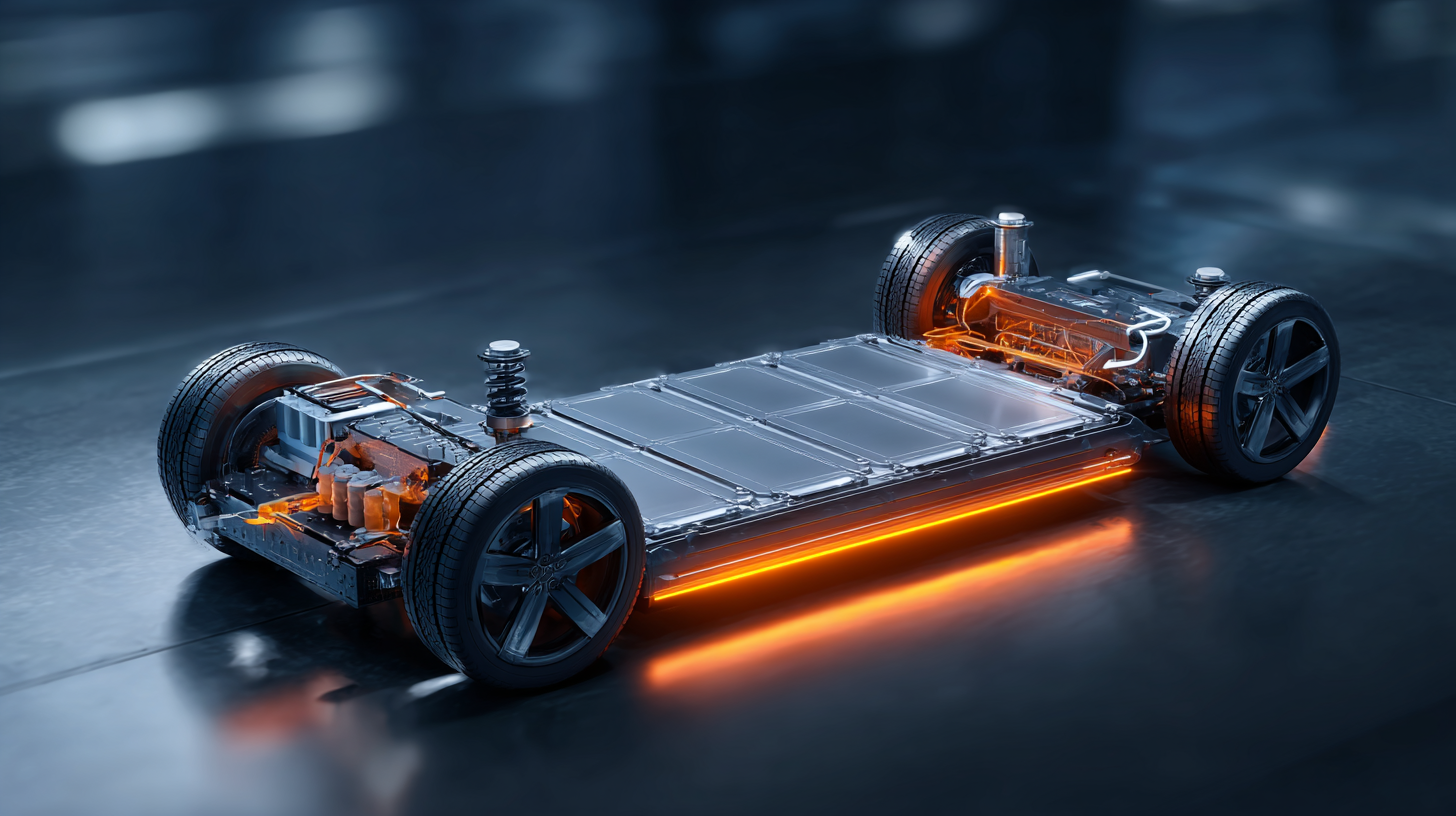
You know, the quick pace at which Battery Technology is advancing is really starting to play a huge role in shaping sustainable energy solutions. It’s especially important as the world pushes harder to fight climate change and switch over to renewable sources. I came across a report from Bloomberg New Energy Financethat projects the Battery Storage market could hit over1,000 GWh by 2040—that’s pretty mind-blowing! A lot of this growth is fueled by innovations in big battery systems that boost both energy efficiency and how much energy they can store. One company that's making waves in this space is Shenzhen Jentc Technology Co., Ltd. They've been around since 2011, specializing in high-performance lithium batteries. Their lineup includes some pretty cool options like 4.4V high-voltage batteries, fast-charging lithium batteries, and AGV lithium batteries, which are super important for all sorts of industrial and renewable energy uses. As we look ahead to these big battery innovations, it’s definitely worth thinking about the challenges and chances that come with all this rapid change in the industry.

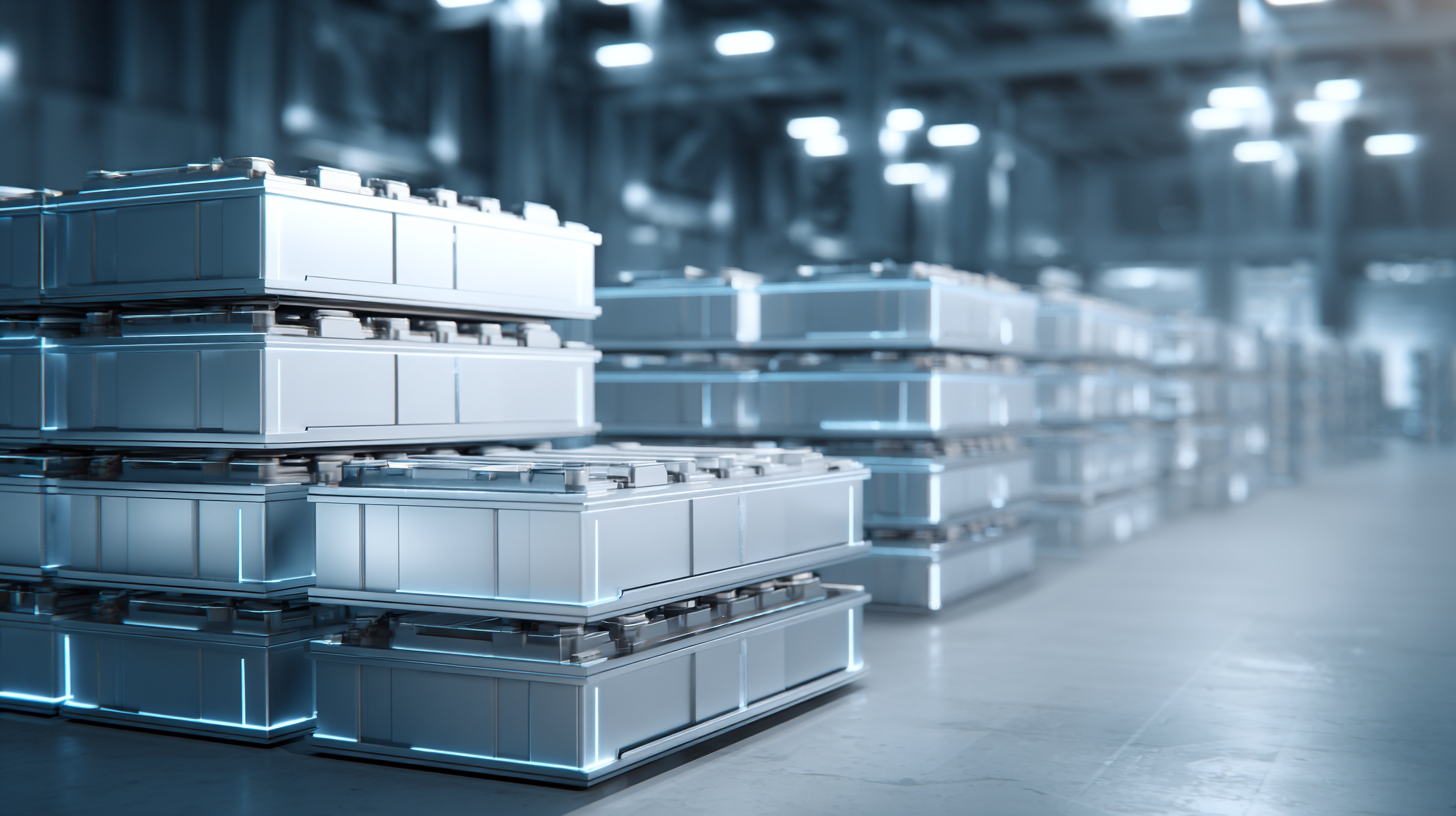
The Future of Battery Large Innovations Shaping Sustainable Energy Solutions

The Rise of Solid-State Batteries: A Game Changer for Energy Density and Safety

The Future of Battery Large Innovations Shaping Sustainable Energy Solutions The rise of solid-State Batteries (or SSBs) really feels like a game-changer in the world of energy storage. They’re not just safer, thanks to their solid electrolytes, but they also pack way more punch when it comes to energy density. Unlike the old-school lithium-ion batteries, these new guys use solid electrolytes, which means a lot less of the fire risk we worry about and their lifespan tends to be longer.

Recent progress shows that SSBs can reach around 500 Wh/kg—almost double what traditional batteries can do. That’s a pretty huge leap, especially when you think about electric vehicles, where every mile and quick charge counts.

It’s no wonder industries are jumping on board quickly. Big car brands are already talking about hitting the 2026 mark for putting these batteries into their EV lines, hoping to give drivers longer ranges and faster charging. But here's the cool part—research suggests that solid-state tech isn’t just for cars.

This kind of battery could totally shake up energy storage for renewable setups and portable gadgets too. All in all, it’s pretty exciting to see how this move towards solid-state batteries could shape a more sustainable energy future. Things are definitely looking up!

Emerging Trends in Battery Recycling: Transforming Waste into Valuable Resources

Lately, there's been a real buzz around sustainability worldwide, and it's inspiring some pretty cool new ideas in how we handle battery recycling. Instead of just tossing out old batteries, folks are now seeing them as valuable resources—kind of a shift from the usual waste stuff to a more lively, opportunity-filled scene. When we push forward with smarter urban mining techniques for those batteries that have reached the end of their life, we’re not just grabbing critical materials; we’re actually doing good for the environment too. And the latest tech, like deep eutectic solvents, is really changing the game for lithium-ion battery recycling—making the process more targeted and efficient, which is awesome.

The Future of Battery Large Innovations Shaping Sustainable Energy Solutions

With electric cars becoming more popular every day, figuring out what to do with all those used batteries is getting more urgent. What’s even cooler is how blockchain and AI are starting to play a part in this whole thing. They’re making the recycling process smoother, and honestly, more trustworthy—everyone can see what's happening from start to finish. By jumping on these trends, industries can step up their game, recovering more materials and turning what used to be waste into something valuable. It’s exciting to think that battery waste could soon be seen less as a headache and more as a treasure trove of resources for the future.

The Role of AI in Battery Optimization: Enhancing Efficiency and Performance

The Role of AI in Improving Batteries: Making Them More Efficient and Better Performing

As more folks push for sustainable energy solutions, optimizing battery tech is becoming more and more important. Looks like by 2025, the global battery market could hit around USD 100 billion, mainly thanks to advances in AI and machine learning. These techs are really shaking things up—it's changing how we design batteries, charge them, and manage their lifespan. AI, in particular, can sift through huge amounts of data from manufacturing and everyday use, spotting patterns that help tweak charging routines, extend battery life, and cut costs.

On top of that, smart predictive analytics powered by AI can boost how well battery-powered gadgets work. A Deloitte report highlights that AI algorithms can bump up battery efficiency by about 20%, which means better performance and lower operational costs. Companies can also tap into AI to spot potential battery failures before they happen, so they can do maintenance early and keep devices running smoothly. As AI keeps advancing, it’s not just streamlining how batteries are made, but also tackling some of the biggest hurdles in energy storage. That’s a big step toward making renewable energy more practical and accessible for everyone.

The Future of Battery Innovations Shaping Sustainable Energy Solutions

Battery Type Energy Density (Wh/kg) Cycle Life (Cycles) Charging Time (Hours) Cost ($/kWh) AI Utilization (% Efficiency Improvement)
Lithium-Ion 250 500 1.5 150 10
Solid-State 400 2000 2 300 15
Lithium-Sulfur 350 600 1.2 200 12
Zinc-Air 300 1000 4 120 8
Flow Batteries 100 3000 6 110 5

Next-Generation Supercapacitors: Bridging the Gap Between Batteries and Conventional Power Sources

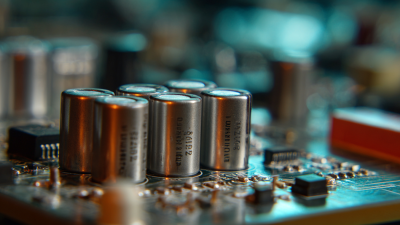
You know, with tech advancing so quickly these days, there’s a big buzz around finding smarter, more sustainable ways to store energy. And honestly, next-gen supercapacitors are really shaking things up. They’re kind of like a middle ground between regular batteries and traditional power sources. Unlike your typical batteries that store energy through chemical reactions, supercapacitors rely on electrostatic charge — which means they can charge and discharge way faster. That’s a huge plus for stuff like electric vehicles or renewable energy setups where you need quick bursts of power.

But it’s not just about speed. Supercapacitors also tend to last way longer than batteries — they can handle millions of charge cycles without losing performance. That makes them super appealing as a complementary technology, especially in hybrid systems where you want both rapid energy delivery and long-term storage. As new innovations keep rolling out, I really believe that adding supercapacitors into our renewable energy solutions could make a real difference in how effectively we harness and use clean resources.

The Impact of Renewable Energy Integration on Battery Technology Advances

You know, the way we're integrating renewable energy sources into our power grids is really shaking things up for battery tech. It’s almost like a whole new era, making sustainable energy solutions more within reach. As we gear up for a greener tomorrow, the need for better energy storage options has just exploded. Batteries are pretty much at the heart of all this, helping us store power from wind, solar, and hydro sources. And with all the recent innovations, not only can these batteries capture energy more efficiently, but they also discharge it faster, which makes renewable energy a lot more reliable and easy to access.

Lately, we’ve seen some exciting progress with lithium-ion and solid-state batteries. They last longer and charge way quicker—huge perks, right? These breakthroughs are key, especially because renewable sources can be a bit unpredictable at times. Plus, with AI and machine learning making their way into battery management systems, we're getting smarter about how we distribute and use that energy, which just makes everything work better. As we keep tapping into these renewable resources, I really believe these advancements in battery tech will be a big part of building a sustainable energy future that actually works for all of us.

Global Market Projections: The Future Landscape of Sustainable Energy Storage Solutions

Looking ahead, the future of sustainable energy storage is pretty exciting, with the global market set to go through some major changes. It’s expected to hit over USD 91.6 billion by 2032, mainly because of the huge growth in thermal energy storage—thanks to the rising need for reliable power grids and the growing shift toward renewable energy. This huge expansion really shows just how important energy storage tech is when it comes to supporting clean energy and cutting down carbon emissions worldwide.

If you’re involved in this space, it’s a good idea to keep an eye on innovative storage solutions that make grids more reliable and push forward clean energy efforts. Investing in smarter lithium-ion batteries is also key, given that they’re likely to stay on top of the market for a while, fueled by both what consumers want and the ongoing tech improvements.

Plus, with batteries booming and electricity demand soaring—especially as more areas electrify—staying updated on the latest tech trends and market shifts is super important. For investors and policymakers alike, understanding these emerging trends and sticking to sustainable practices will be crucial for shaping a resilient, electrified future. Basically, embracing these insights now can make all the difference for a successful and robust energy future.

Maximize Your Drone's Flight Time with the JENTC LI-HV 6s 16000mAh Battery: A Comprehensive Review and Guide

Maximize Your Drone's Flight Time with the JENTC LI-HV 6s 16000mAh Battery: A Comprehensive Review and Guide

When it comes to drone technology, maximizing flight time is often a crucial factor for enthusiasts and professionals alike. The JENTC LI-HV 6s 16000mAh battery stands out in this area, offering an impressive capacity that transforms how pilots experience UAV operations. With a remarkable 16000mAh capacity and a nominal voltage of 22.8V, this semi-solid custom lithium polymer battery not only extends flight durations but also enhances overall performance. This aligns with a recent industry report highlighting that drone flight times can be significantly increased by using high-capacity batteries, suggesting that a potential improvement of up to 50% is achievable under optimal conditions.

In addition to its substantial power, the JENTC battery has been rigorously tested to meet RoHS, CE, and FCC certifications, underscoring its commitment to safety and quality. The battery features a discharge rate of 15C, a specification that ensures drones can draw energy efficiently without compromising performance, a crucial requirement for high-demand applications such as aerial photography and surveying. Furthermore, the warranty period of 3 months to 1 year provides users with a level of assurance seldom seen in the market, as many competitors offer limited or no guarantees on battery longevity.

In a world where every second counts in the air, investing in a high-performance battery like the JENTC LI-HV 6s not only provides a competitive edge but also reinforces the reliability of drone operations. As studies continue to show that battery technology is pivotal in shaping the future of UAVs, choosing the right battery has never been more essential for both hobbyists and industry professionals.

FAQS

: What are the emerging trends in battery recycling?

: Emerging trends in battery recycling focus on sustainable urban mining methods and the use of innovative technologies like deep eutectic solvents to enhance resource recovery from end-of-life batteries while minimizing environmental impact.

How is the electric vehicle market related to battery recycling?

The growth of the electric vehicle market increases the urgency of managing battery waste, highlighting the need for efficient recycling processes to recover valuable materials from discarded batteries.

What role do blockchain and artificial intelligence play in battery recycling?

Blockchain and artificial intelligence streamline recycling operations by enhancing transparency and traceability in the recycling chain, making the recycling process more efficient and innovative.

What is the potential economic impact of sustainable battery recycling?

Transitioning from traditional waste management to a circular economy perspective in battery recycling creates economic opportunities by recovering critical materials from spent batteries and reducing environmental harm.

How is AI transforming battery optimization?

AI is revolutionizing battery technologies by optimizing design, charging processes, and lifecycle management, which improves efficiency and reduces costs in battery-powered devices.

What efficiency improvements can AI bring to battery performance?

AI algorithms can enhance battery efficiency by up to 20% through predictive analytics that optimize charging cycles and help predict and prevent battery failures.

What is the expected market value of the global battery market by 2025?

The global battery market is expected to reach USD 100 billion by 2025, largely driven by advancements in AI and machine learning.

How does AI help in battery lifecycle management?

AI analyzes vast datasets to identify patterns, enabling better lifecycle management of batteries, which prolongs their life and optimizes operational costs.

What challenges in energy storage can AI address?

AI can address critical challenges in energy storage by streamlining manufacturing processes and improving the performance of renewable energy systems, making them more viable for widespread adoption.

What materials can be recovered from battery recycling?

Battery recycling can recover critical materials such as lithium, cobalt, and nickel, which are increasingly valuable in various industries, especially in the production of new batteries.

Conclusion

Looking ahead, big breakthroughs in battery tech are really going to be game-changers for creating more sustainable energy solutions. For instance, with solid-state batteries starting to appear on the scene, we’re seeing some pretty exciting jumps in how much power they can store, not to mention they’re safer too—definitely a step in the right direction for better energy storage. On top of that, battery recycling is catching on fast—turning old batteries into useful resources and helping push the industry toward a more circular, eco-friendly model. Oh, and artificial intelligence? It’s actually helping make batteries work better and last longer, which is pretty cool. Then there are next-gen supercapacitors—they’re like the bridge between regular batteries and traditional power sources, bringing some new possibilities to the table.

As renewable energy keeps gaining ground worldwide, improvements in battery tech become more and more critical—we need better storage options to handle all this clean energy. And the market? It’s really growing fast. Companies like Shenzhen Jentc Technology Co., Ltd. are in a great spot to lead this charge, especially with their high-performance lithium batteries—think high-voltage and super-fast charging ones. All these innovations together are shaping the future of energy storage, making it more efficient, safer, and ultimately, more sustainable.
Evelyn

Evelyn

Evelyn is a dedicated marketing professional at Shenzhen Jentc Technology Co., Ltd., where she plays a crucial role in promoting the company’s innovative high-performance lithium battery solutions. With an in-depth knowledge of the product portfolio, which includes advanced offerings like 4.4V......
Previous Unlocking the Potential: Advantages of Harnessing Battery Power for Global Supply Chains