Inquiry
Form loading...
With the way energy storage needs are skyrocketing lately, everyone’s talking about some pretty exciting stuff—especially Battery High Voltage tech. I recently came across a market report from Grand View Research, and it’s pretty wild: they say the global battery market could hit around 143.4 billion bucks by 2025. A big part of that push is all about high-voltage lithium-ion batteries—they’re super efficient, pack more energy, and basically helping things move faster. Companies like Shenzhen Jentc Technology Co., Ltd. are really making waves here, offering some seriously high-performance lithium batteries. They’ve got all sorts of specialty options—like 4.4V high-voltage batteries, fast-charging ones, and even batteries for AGVs. Of course, as we push forward with these innovations, safety isn’t getting left behind. It’s a constant balancing act—making sure these powerful batteries meet tough safety standards and keep consumers safe too. Looking ahead, it’s clear that the future of high-voltage battery tech is all about mixing cutting-edge innovation with good old safety practices—because that’s what it takes to build sustainable solutions that really last.

High voltage battery tech is moving fast these days, with some pretty exciting innovations coming out to boost how we store energy and keep things safe. I recently read a market report from the International Energy Agency (IEA), and it said that the global market for high voltage batteries could hit over $20 billion by 2025. That’s mainly because of the rising demand from renewable energy projects and electric vehicles (EVs). A big part of this growth is thanks to improvements in lithium-ion and solid-State Batteries — these newer techs are promising higher energy storage and less risk of overheating or thermal runaway. For example, research suggests solid-state batteries could pack as much as 500 Wh/kg, which is a huge jump from the typical 250-300 Wh/kg you see in standard lithium-ion batteries today.
On top of all that, safety standards are tightening up alongside these innovations. Developing smarter battery management systems (BMS) is key to making sure these batteries work safely at higher voltages. The National Renewable Energy Laboratory (NREL) reported that a really good BMS can cut down critical failures by up to 70%. Plus, as regulators start setting stricter safety rules, companies are really focusing on making batteries that not only deliver good performance but also meet tough safety standards. This kind of balanced approach is super important for building trust with consumers and keeping the growth going in the high voltage battery space — especially as energy storage becomes a bigger deal overall.
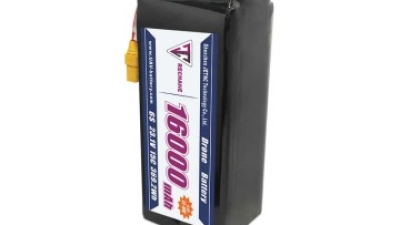
High voltage battery technology has revolutionized the way drones operate, especially in the fields of aerial photography and cinematography. The HV LiPo batteries represent a significant advancement in this domain, featuring a single cell voltage of 4.4V and above. This enhancement not only increases energy density but also elevates the discharge platform, allowing for more consistent power delivery during flight. With the ability to release an additional 10%-30% of energy compared to traditional lithium batteries, filmmakers and photographers can enjoy longer flight times, enabling them to capture more extensive and diverse shots without the constant need for battery changes.
Moreover, the comparative benefits of high voltage batteries, such as 12S, 14S, or 16S configurations, extend beyond mere flight duration. These batteries provide a higher energy output at the same weight as their traditional low-voltage counterparts, enhancing both the endurance and load capacity of drones. This means that operators can not only fly longer but also carry heavier and more sophisticated camera equipment, facilitating the creation of high-quality aerial footage. The integration of HV LiPo batteries is a game-changer for professionals in the visual media sphere, optimizing their operational capabilities and ultimately transforming the standard for aerial imaging.
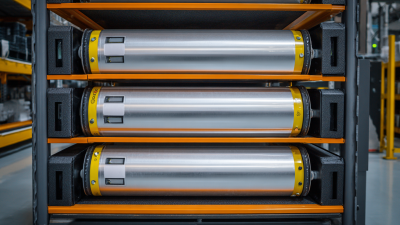
: High voltage batteries can store and deliver large amounts of energy, which is essential for high-demand applications like electric vehicles and renewable energy integration. They also offer enhanced energy density, allowing for longer operating ranges for electric vehicles and efficient storage of intermittent energy sources like solar and wind.
Challenges include increased risks of thermal runaway and electric shocks due to higher voltage levels. This necessitates rigorous safety standards and advanced management technologies to effectively monitor and mitigate risks.
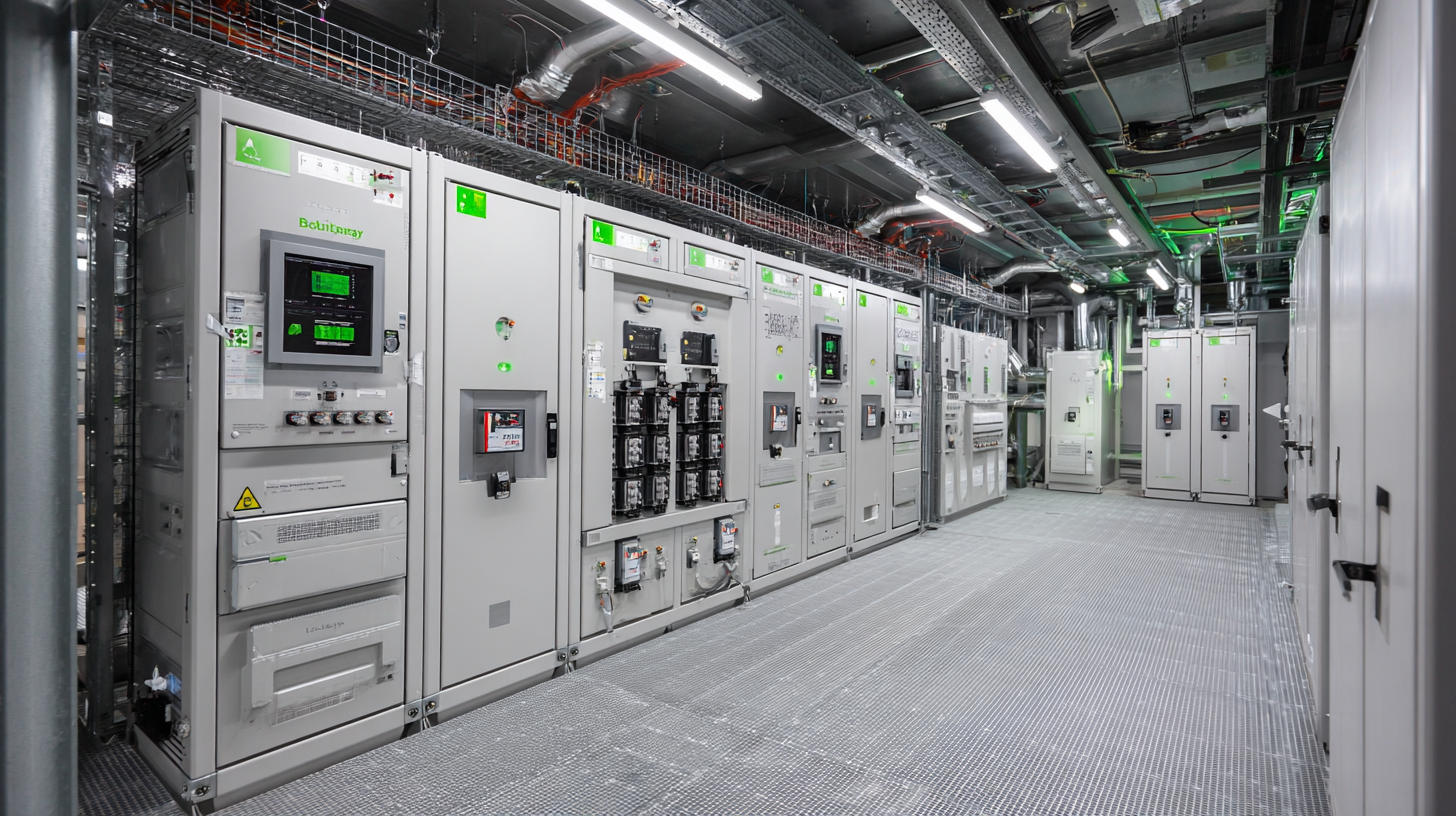
Stringent safety standards and regulations are essential to ensure that high voltage energy storage systems operate safely and reliably under various conditions, particularly as demand for renewable energy storage solutions grows.
Manufacturers collaborate with engineers and safety experts to establish best practices, including rigorous testing protocols and certification processes that batteries must undergo before they are deployed in commercial settings.
High voltage batteries facilitate greater energy capacity and faster discharge rates, ensuring a continuous power supply and stabilizing the grid even when energy generation from renewable sources fluctuates.
Innovations in battery chemistry and design focus on minimizing risks related to overheating and short-circuiting, while implementing stringent safety standards and intelligent monitoring systems enhances the overall safety and reliability of energy storage systems.
Striking a balance between harnessing the benefits of high voltage batteries and ensuring safety and durability is key for their successful integration into the energy landscape.
By providing stable and reliable energy storage solutions, high voltage batteries help reduce reliance on fossil fuels and support the transition towards renewable energy sources.
Evaluating materials used in battery production, thermal management, and potential failure modes is crucial to prevent hazardous incidents related to high voltage operations.
Establishing robust safety regulations and best practices not only protects end-users but also promotes public confidence in high voltage battery technology, facilitating wider adoption of such energy storage solutions.
So, I recently read this article called 'Exploring the Future of Battery High Voltage: Innovations and Safety Standards in Energy Storage,' and honestly, it paints a pretty exciting picture of how high-voltage battery tech is evolving. It dives into some cool trends like new chemistry mixes and smarter designs that could make batteries more efficient and cut down charging times—who wouldn’t want that, right? But it’s not all smooth sailing; the article also points out the tricky parts, especially safety concerns. With these powerful batteries, there's always that risk thing, so tighter rules and standards are pretty much necessary to keep everything safe.
They also talk a lot about new materials that are helping boost battery performance—these are game-changers, really. Plus, there’s a focus on smart risk management strategies to make sure we’re deploying these batteries safely. And, of course, a big part of the plan is using all this tech to support renewable energy sources. Looking ahead, the article sees high-voltage batteries playing a big role in reaching sustainable energy goals. It’s pretty aligned with what companies like Shenzhen Jentc Technology Co., Ltd. are doing, especially with their focus on top-notch lithium batteries. All in all, it’s a fascinating look at where things are headed in energy storage and tech innovation.