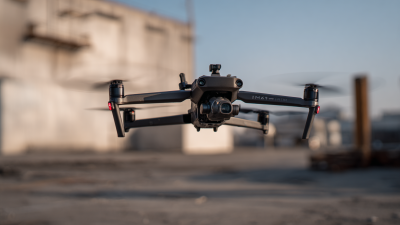
Hey there! If you're into drones, especially the small ones you see both for fun and more serious stuff, then you know how crucial it is to get the most out of your battery life. Honestly, a lot of drone folks—around 40%, according to some reports—are often trying to figure out how to keep their mini Drone Batteries working longer. It’s no surprise, really — batteries can be tricky, and nobody wants their drone to suddenly die mid-flight.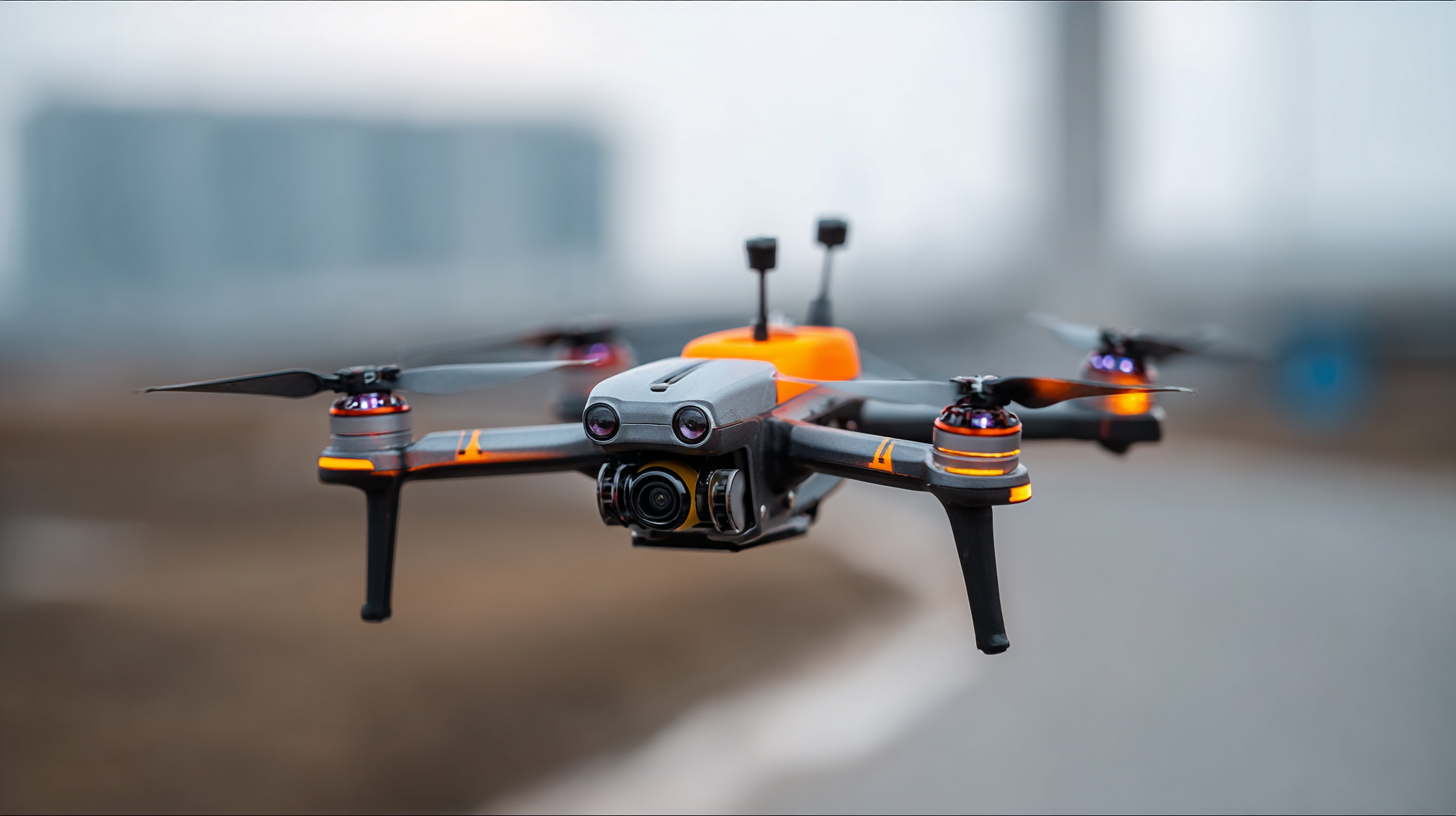 That’s where companies like Shenzhen Jentc Technologycome in. They've been making high-performance lithium Batteries Since 2011, specifically designed to boost your drone's efficiency and make sure you get the most out of your gear. Knowing how to take care of yourMini Drone Battery properly isn't just about better flights; it’s also a smarter way to keep things running smoothly and be more eco-friendly in the long run.
With some expert tips and practical advice, both hobbyists and pros can really unlock the full potential of their mini drones—and rely on Jentc’s awesome batteries to get there.
Understanding Mini Drone Battery Basics and Lifespan
Getting the hang of the basics about mini drone batteries is pretty important if you want them to last longer. Most mini drones run on either lithium-ion (Li-ion) or nickel-metal hydride (NiMH) batteries, and each type kinda has its quirks and lifespan. Li-ion batteries are great because they pack more punch — meaning you can get longer flights — but you’ve gotta handle them with some care. On the other hand, NiMH batteries are pretty reliable and usually cheaper, which is nice. Knowing a bit about these batteries and what they need can really help you get the most out of your drone.
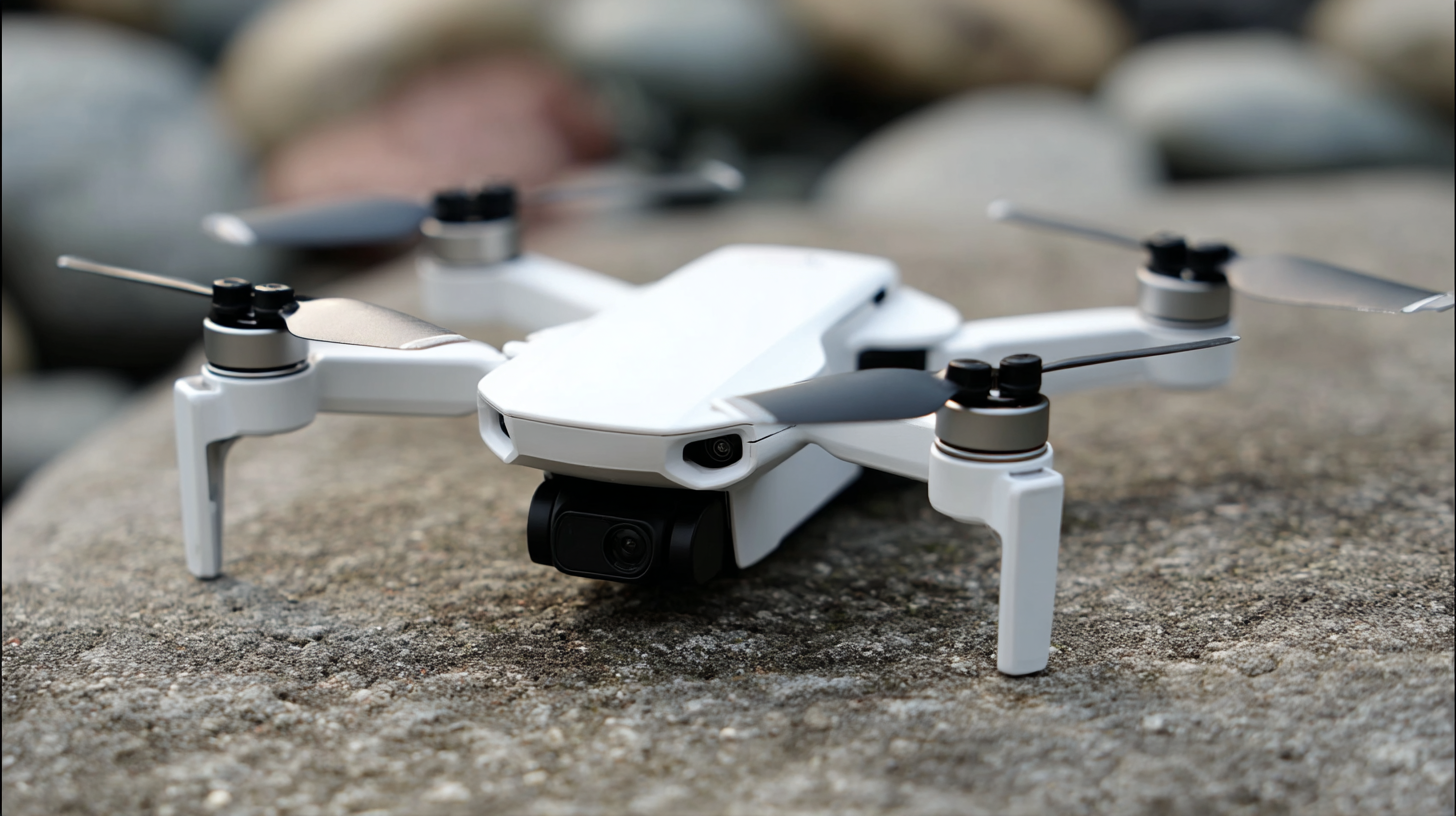
If you’re trying to make your battery last longer, here are some tips that might help: First off, keep your batteries charged within the recommended range. Letting them run all the way down too often can really wear them out quicker. Also, try to avoid exposing them to extreme temperatures — heat and cold both mess with their health. And when you’re not using your batteries, store them the right way — ideally around 40-60% charged — this can make a big difference in how long they stay good. Sticking to these simple tricks not only makes your flying sessions more fun, but it also helps keep your mini drone in tip-top shape for whatever adventures you’ve got planned.
Best Practices for Charging Your Mini Drone Battery
Keeping your mini drone’s battery charged properly is super important if you want it to last longer and perform at its best. A good tip is to use specialized charging hubs—they’re pretty handy because they can do more than just charge your batteries. Some even support two-way charging, so you can quickly top up your batteries or flip the script and use them to power devices when you're out and about. This kind of flexibility is a real lifesaver, especially if you’re always on the move or working in the field.
Also, try not to overdo it with the charging. Once the battery hits full, it’s best to unplug it—that way, you avoid leaving it plugged in too long, which can slowly wear down the battery over time. And when you’re not using your batteries, store them somewhere cool and dry; keeping them in a good environment can really extend their lifespan. Using chargers that are fast, safe, and ergonomic can also help keep your batteries in great shape, so your drone is always ready when adventure calls.
All these little tips can make a big difference—your drone will thank you!
Effective Storage Techniques for Prolonging Battery Life
Taking good care of your mini drone battery really makes a difference in how long it lasts and performs. One of the key tips? Store the battery somewhere cool and dry — trust me, high temps can really mess things up, making the battery drain faster or even cause damage. Try to keep it between about 20°C and 25°C (that’s roughly 68°F to 77°F) — it’s a sweet spot to keep everything running smoothly.
Also, don’t forget to leave the battery partially charged when you’re not using it. Aiming for around 40% to 60% charge is usually best for lithium batteries. It helps ease stress on the cells and keeps them healthy down the line. If you’re storing it for a while, it’s a good idea to check the voltage once in a while; if it drops too low, give it a quick recharge to stay in good shape. Follow these simple storage tips, and you’ll be surprised at how much longer your mini drone’s battery can last, plus you’ll get better performance when it’s time to fly again.
Monitoring and Maintaining Battery Health Regularly
If you want your mini drone's battery to last longer and perform at its best, it’s really important to keep an eye on it and do regular maintenance. A good starting point is to check the battery’s voltage every now and then—you can use a simple voltmeter or just look at the indicators on your drone’s app. Monitoring these numbers helps you catch any issues early on, like over-discharging, which can really shorten the battery's life. Honestly, try not to let the battery drop below 20% before charging it back up; draining it too deep can cause performance to drop over time, and nobody wants that.
Oh, and when you're charging it, make sure to use the charger recommended by the manufacturer—no cutting corners there. Also, don’t leave the battery plugged in for hours after it hits 100%; it’s better to disconnect it once it’s full. Storing the battery properly is another biggie—keep it in a cool, dry spot, away from direct sunlight since heat can mess things up. And maybe do a quick visual check now and then—look for swelling or leaks, which are definitely signs that something’s wrong. If you get into this habit, you’re pretty much setting yourself up for a longer-lasting battery and more fun flying your drone without worries.
Battery Health Monitoring for Mini Drones
Signs Your Mini Drone Battery Needs Replacement
When it comes to mini drones, one of the biggest deal-breakers is really how long the battery lasts. If you don’t keep an eye on it, you might end up with a drone that just can't stay in the air as long as it used to, which can be pretty frustrating. Spotting the signs that your battery’s on its way out can save you a lot of trouble—no one wants a crash halfway through a flight, right? A pretty obvious sign is if your drone starts losing flight time; if it used to fly for, say, 15 minutes, but now it’s only giving you 10, that’s a clue. According to some industry folks, batteries can lose about a third of their capacity after around 300 charge cycles, so if you're noticing a big dip, it’s probably time to think about swapping it out.
Oh, and don’t ignore physical issues either—like if your battery looks swollen or if it’s leaking fluid. The folks at the International Battery Association say you should replace it immediately if you see those kinds of problems because they aren’t just bad for your drone—they can be dangerous too. Also, if it’s taking forever to charge or giving you weird voltage readings, that’s another sign it’s nearing the end of its lifespan. Keep an eye on all these things, and you can make sure your drone keeps running smoothly and stays safe during your flights. Basically, staying vigilant about your battery health means you get to enjoy your drone longer and avoid unexpected mishaps!
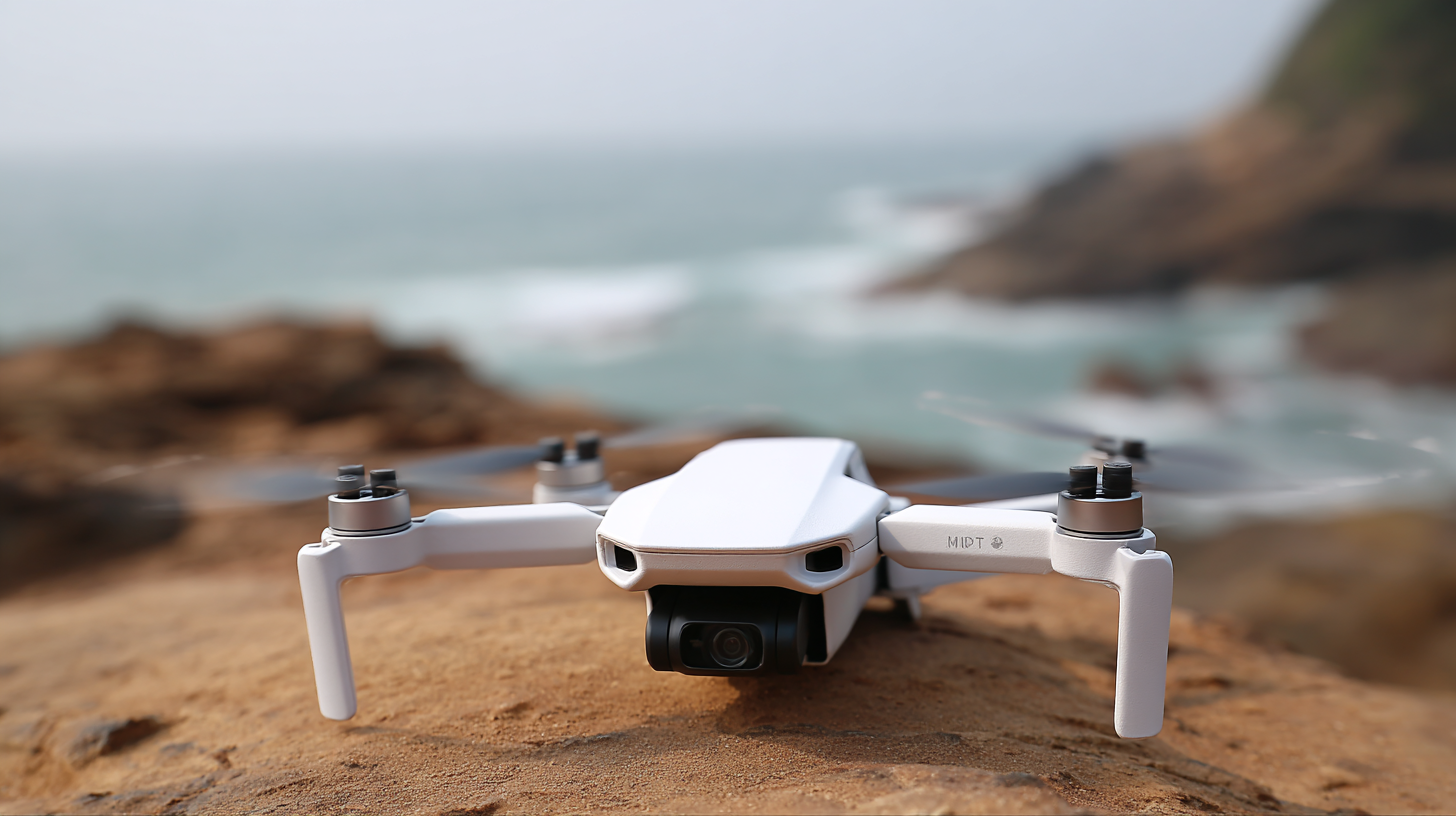
Environmental Factors Affecting Mini Drone Battery Performance
You know, when it comes to mini drone batteries, their performance can actually be pretty heavily affected by the environment around them. For instance, super cold temperatures can really take a toll—that's right, lithium-ion batteries (the ones we're using in most drones) can lose up to 30% of their capacity in cold weather. I’ve seen reports showing that in winter, drones don’t fly as long as you’d hope, basically limiting how far or how long they can go. And humidity’s no joke either—high humidity can cause condensation inside the battery compartments, which might lead to damage or just worse performance overall.
On top of that, things like wind—especially strong gusts—can really mess with both the drone’s aerodynamics and how quickly the battery drains. Some studies point out that in windy conditions, drones can end up using around 20% more energy, which isn’t great if you're trying to squeeze out extra flight time. So, really understanding these environmental factors and how to deal with them is key if you want your mini drone batteries to perform well and last longer. Simple things, like warming up the batteries before a cold flight or choosing a day with calmer weather, can make a surprising difference. It’s all about planning ahead so your drone can fly smoothly without running out of juice too quickly.
How to Extend the Lifespan of Your Mini Drone Battery - Environmental Factors Affecting Mini Drone Battery Performance
| Environmental Factor | Impact on Battery Life | Recommended Actions |
| Temperature | Extreme heat can cause battery swelling and capacity loss; cold temperatures can reduce performance. | Store and operate batteries within recommended temperature ranges (15°C to 25°C). |
| Humidity | High humidity can lead to corrosion, while low humidity can cause battery dryness. | Keep batteries in a dry environment and use silica gel packs to absorb moisture. |
| Altitude | Higher altitudes can result in decreased air density affecting the drone's performance and battery drain. | Perform pre-flight checks and reduce load at high altitudes. |
| Storage | Improper storage can lead to self-discharge and diminished capacity over time. | Store batteries at a partial charge (40%-60%) in a cool, dry place. |
| Usage Patterns | Frequent full discharges can shorten battery lifespan. | Avoid deep discharges; aim to recharge when battery levels reach 20%-30%. |
FAQS
: Mini drones typically use lithium-ion (Li-ion) or nickel-metal hydride (NiMH) batteries. Li-ion batteries offer higher energy density and longer flight times, while NiMH batteries are known for their reliability and are usually more affordable.
To extend the lifespan of your mini drone battery, keep it charged within the recommended range, avoid extreme temperatures, and store it at a 40-60% charge level when not in use.
The optimal storage temperature for mini drone batteries is between 20°C to 25°C (68°F to 77°F). This helps maintain functionality and reduces the risk of battery damage.
No, it is generally recommended to store lithium-based batteries at a charge level between 40% and 60% to reduce stress on the cells and prevent degradation.
You should regularly check the battery's voltage while in storage. If it dips below the safe threshold, recharge it to maintain its health.
Extreme temperatures can adversely affect battery health, leading to increased self-discharge rates and potential damage to the battery.
Prolonged discharges can lead to decreased capacity over time, negatively impacting the performance and lifespan of the battery.
Understanding the properties and lifespan of different battery types helps optimize their use in drone operations, enhancing your overall flying experience.
Conclusion
If you want to get the most out of your mini drone's battery and make it last longer, it helps to know a bit about how it works and what can affect its lifespan. Honestly, sticking to good charging habits and storing the battery properly really makes a difference—these simple things can prevent it from wearing out too quickly. It's also smart to keep an eye on the battery’s health from time to time; catching any issues early on can save you headaches later.
That being said, watch out for signs like your drone not flying as long as it used to or if the battery starts to swell—that's usually a clear cue it might be time to replace it. Don’t forget, environmental conditions matter too—hot or humid weather can mess with performance. If you follow these tips, you’ll pretty much be set to keep your mini drone running smoothly and enjoy those flights without worries for longer."
,